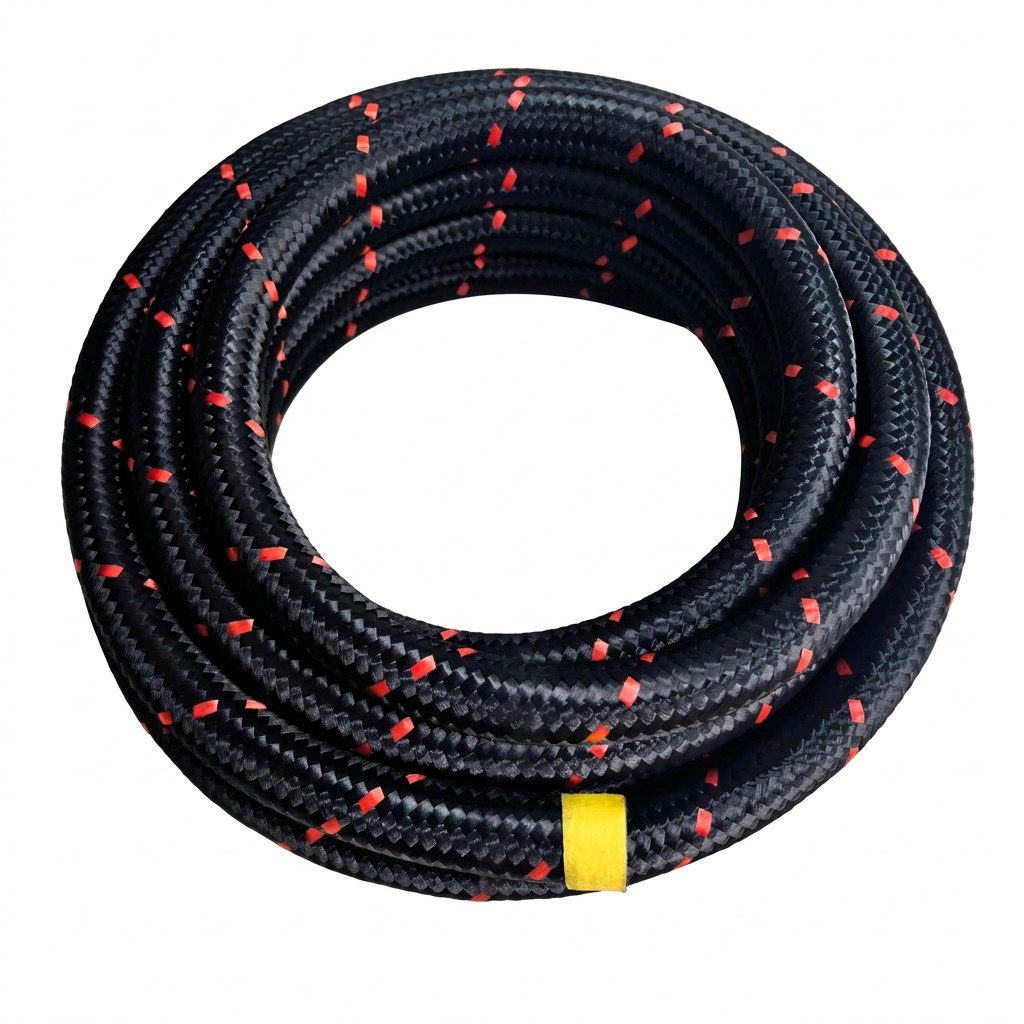
Coolant hoses are essential components of any vehicle's engine cooling system, responsible for transporting antifreeze between the engine, radiator, and water pump. Understanding what materials are used in coolant hoses construction helps vehicle owners make informed decisions about maintenance and replacement. The durability, temperature resistance, and performance of these hoses depend entirely on the materials from which they are manufactured, and selecting the right type ensures reliable operation and prevents costly engine damage.
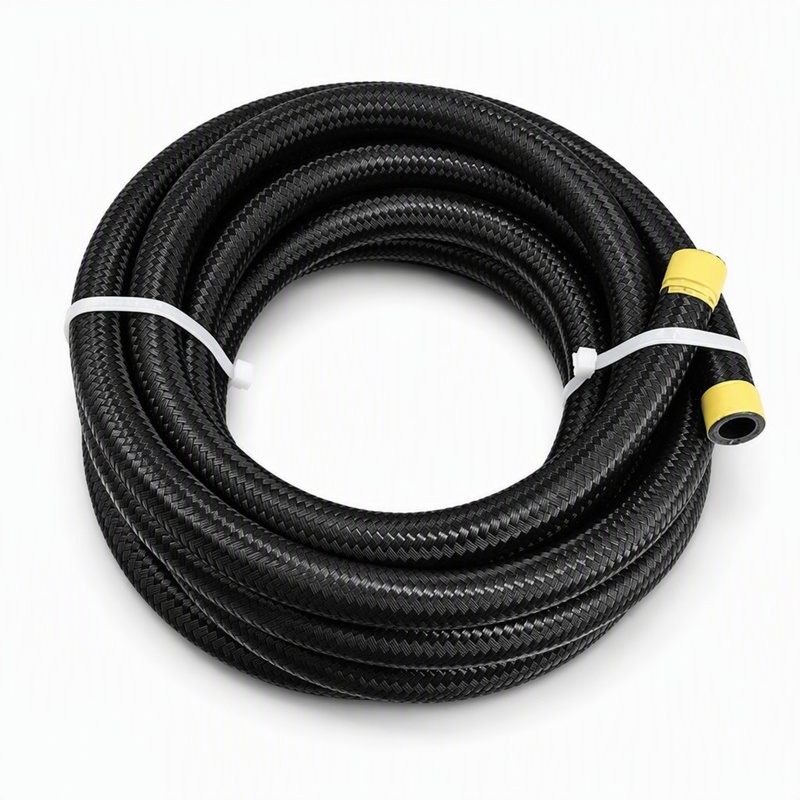
Modern engine cooling systems rely on advanced materials that withstand extreme temperatures, pressure fluctuations, and chemical exposure from antifreeze solutions. The composition of coolant hoses has evolved significantly over decades, with manufacturers now offering specialized options for different applications and performance requirements. Whether you're planning a radiator hose replacement or simply want to understand your vehicle better, learning about hose materials helps explain why quality matters and how material selection impacts long-term reliability.
Natural Rubber and Traditional Elastomers
Standard Rubber Construction
Natural rubber has been the traditional foundation for coolant hose manufacturing for many decades. This material provides inherent flexibility and resilience, allowing hoses to withstand the constant movement and vibration within an engine cooling system. Natural rubber hoses typically contain multiple layers, including an inner tube made from synthetic rubber compounds designed to resist coolant degradation and maintain barrier properties against fluid penetration. The middle layers provide structural reinforcement, while the outer cover protects the hose from external abrasion and UV exposure.
Synthetic Rubber Blends
Modern coolant hoses increasingly use synthetic rubber blends rather than pure natural rubber. EPDM (Ethylene Propylene Diene Monomer) is widely used in contemporary hose designs because it offers superior resistance to heat, ozone, and the chemical components found in antifreeze solutions. These synthetic alternatives provide better longevity in engine cooling system environments, maintaining flexibility across a wider temperature range. The antifreeze hose maintenance requirements often decrease with synthetic rubber formulations since these materials resist degradation more effectively than traditional compounds.
Reinforced Materials and Advanced Construction
Braided and Spiral Reinforcement
High-performance coolant hoses incorporate reinforcement layers to handle pressure spikes and vibration stresses. Braided reinforcement using synthetic fibers or specialized textiles surrounds the rubber core, providing tensile strength and preventing hose expansion under pressure. Many premium radiator hose replacement options feature multiple braided layers, enabling these hoses to withstand pressures exceeding typical engine cooling system demands. This reinforcement method allows manufacturers to create thinner walls while maintaining safety margins, reducing weight without sacrificing durability or performance in the engine cooling system.
Wire and Metal Reinforcement
Some industrial and high-performance applications employ hoses with wire mesh or spring steel reinforcement embedded within the rubber matrix. These materials provide exceptional pressure handling and resist collapse under vacuum conditions that can develop during cooling cycles. The metal reinforcement in coolant hoses ensures dimensional stability even during thermal cycling, when repeated heating and cooling could otherwise cause hose walls to weaken or degrade. For demanding applications requiring premium antifreeze hose maintenance intervals and extended service life, wire-reinforced options represent the highest tier of construction available.
Specialized Materials and Performance Enhancements
Silicone Hoses for Extreme Performance
Silicone rubber has emerged as a premium choice for aftermarket and high-performance engine cooling system upgrades. Silicone hoses typically maintain flexibility across an exceptionally broad temperature range, often spanning from below zero to well above 300 degrees Fahrenheit depending on the specific formulation. These materials resist degradation from aggressive coolant chemistry and offer superior longevity compared to traditional elastomers. While silicone hoses command higher prices than standard rubber alternatives, their extended service life and consistent performance make them valuable for vehicles subjected to demanding conditions or modified engines where stock radiator hose replacement intervals prove insufficient.
Fluorocarbon and Specialty Polymers
Advanced hose materials including fluorocarbon compounds and other specialty polymers provide engineered solutions for specific cooling challenges. These materials exhibit exceptional chemical resistance, preventing absorption or degradation when exposed to various antifreeze formulations and additives. Specialty polymers can be layered with other materials to create hybrid hoses that combine the beneficial properties of multiple compounds. For vehicles with complex engine cooling system requirements or those using unusual coolant types, these advanced materials ensure the antifreeze hose maintenance schedule aligns with manufacturer specifications without unexpected failures.
FAQ
Why do some coolant hoses fail prematurely despite appearing intact?
Internal degradation often occurs before external damage becomes visible in coolant hoses. Certain antifreeze formulations can cause the inner rubber layer to soften or swell, reducing its structural integrity long before visible cracks appear. UV exposure, ozone, and heat cycling gradually break down rubber polymers at the molecular level, weakening the hose from the inside out. Preventive radiator hose replacement before 50,000 to 100,000 miles, depending on the vehicle and hose material, helps avoid catastrophic cooling system failures caused by internal hose deterioration.
Can I use universal silicone hoses to replace original equipment manufacturer coolant hoses?
Universal silicone hoses designed for engine cooling system applications can work as replacements, provided they meet pressure ratings and fit properly in your vehicle's engine bay. However, original equipment hoses are typically engineered specifically for each vehicle model, accounting for space constraints, mounting points, and cooling system operating parameters. When choosing an aftermarket option for radiator hose replacement, verify that the silicone or alternative material hose provides equivalent or superior pressure ratings compared to the original specifications. Improper sizing or pressure mismatches can compromise antifreeze hose maintenance effectiveness and create safety hazards.
What makes some coolant hoses more resistant to antifreeze than others?
The inner tube material composition determines how well a hose resists antifreeze degradation and maintains impermeability to coolant fluids. Synthetic rubber blends and specialty polymers are specifically formulated to resist chemical attack from glycol-based and other antifreeze types, preventing swelling or softening. Higher-quality engine cooling system hoses use inner materials with enhanced barrier properties, restricting fluid penetration that could otherwise compromise hose structure. During antifreeze hose maintenance planning, selecting hoses with proven chemical resistance to your specific coolant type ensures the longest possible service life and most reliable operation throughout the engine cooling system.
 EN