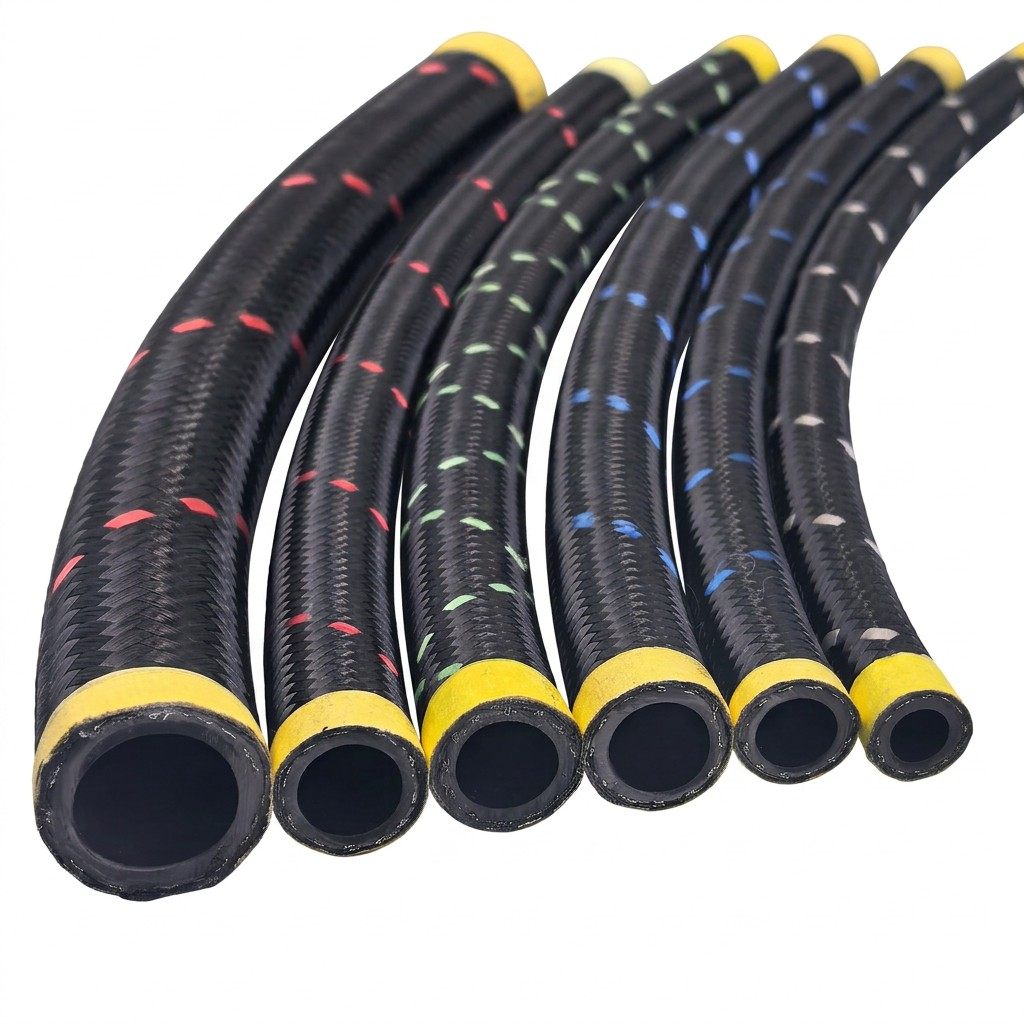
Understanding the materials used in fuel hoses is essential for anyone involved in automotive maintenance, industrial equipment operation, or fleet management. The composition of a fuel hose directly influences its durability, safety, and performance under harsh operating conditions. Modern fuel hoses are engineered from carefully selected materials designed to withstand temperature fluctuations, chemical exposure, and high pressure while preventing fuel leakage and vapor loss. This guide explores the core materials that make up today's fuel systems and explains why material selection matters for your application.
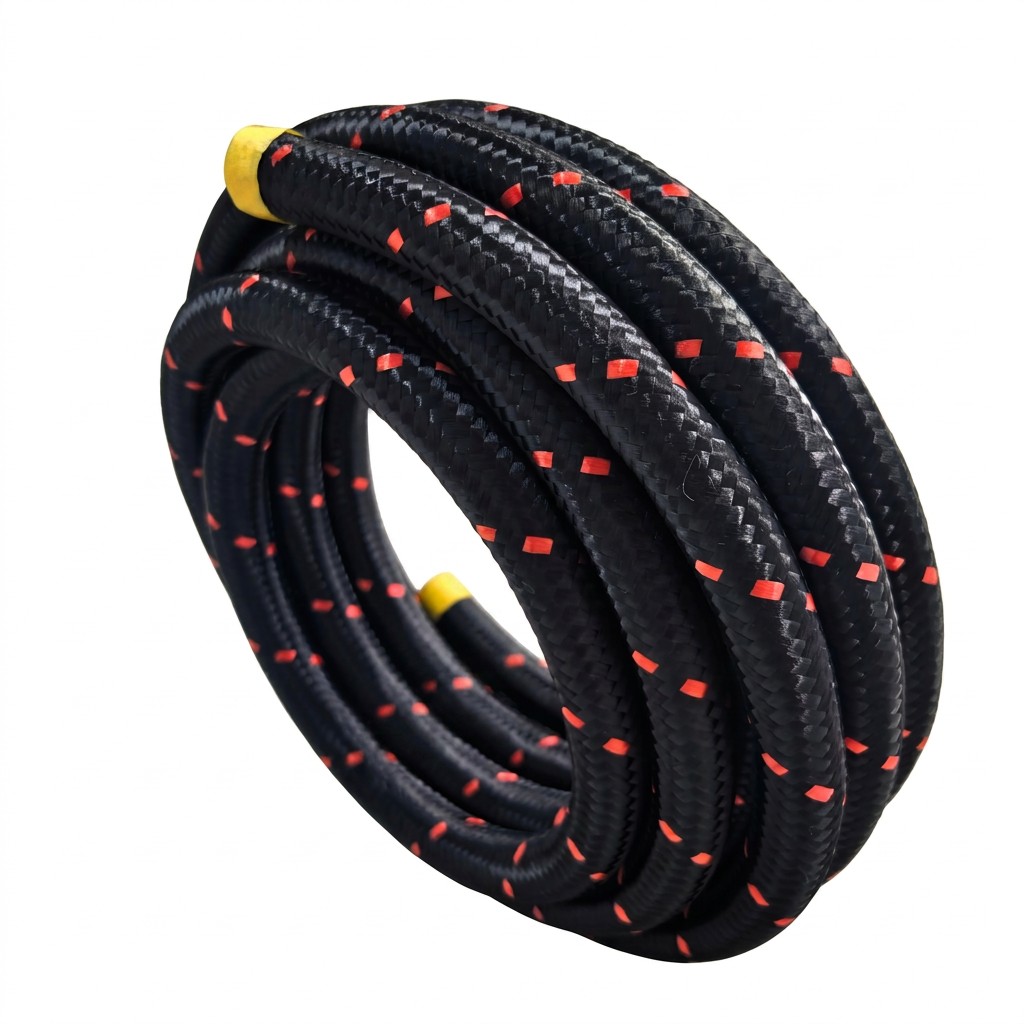
A fuel hose is far more complex than a simple rubber tube. It consists of multiple layers, each serving a specific function in the fuel delivery system. The inner tube, reinforcement layers, and outer cover work together to create a durable, leak-proof component that meets strict industry standards. Whether you're dealing with gasoline vehicles, diesel-powered equipment, or specialty applications, the material composition determines how well the hose performs over time and how frequently fuel hose replacement becomes necessary.
Primary Rubber Materials Used in Fuel Hoses
Nitrile Butadiene Rubber (NBR)
Nitrile butadiene rubber, commonly known as NBR or Buna-N, is the most widely used material for fuel hose construction. This synthetic rubber offers exceptional resistance to petroleum products, including gasoline and diesel fuel. NBR maintains its elasticity across a wide temperature range, making it ideal for both hot engine compartments and cold-weather environments. The fuel hose made from NBR can withstand fuel exposure for extended periods without degrading, swelling, or becoming brittle.
The popularity of NBR in fuel line assembly applications stems from its cost-effectiveness and proven performance. NBR-based fuel hoses have been used reliably in automotive and industrial sectors for decades. The material's chemical compatibility with standard fuels means fewer compatibility issues compared to natural rubber alternatives. When you need a diesel fuel hose that handles both temperature extremes and harsh fuel chemistry, NBR compounds engineered for fuel service deliver consistent results.
EPDM Rubber Compounds
Ethylene propylene diene monomer, or EPDM, represents another important option for fuel hose materials. EPDM excels in applications where temperature resistance is critical, as it maintains flexibility in extremely cold conditions better than some NBR formulations. This material also resists ozone and weathering, making it suitable for exposed hose routing. However, EPDM has lower resistance to petroleum products compared to NBR, limiting its use primarily to coolant lines and other non-fuel applications in many modern engines.
Some fuel line assembly designs incorporate EPDM for specific sections where temperature resistance outweighs fuel exposure concerns. The choice between NBR and EPDM often depends on the exact operating environment and fuel chemistry. Understanding these material properties helps technicians select the appropriate fuel hose replacement option for their specific vehicle or equipment needs.
Reinforcement Layers and Construction
Textile and Wire Braiding
Beneath the rubber exterior, fuel hoses contain multiple reinforcement layers that provide structural strength and pressure resistance. The most common reinforcement uses synthetic textile fibers woven or braided around the inner tube. This textile layer prevents radial expansion under pressure and distributes force evenly across the hose cross-section. A high-quality fuel hose typically features one or more layers of textile reinforcement, depending on the required pressure rating and application.
Wire braiding offers additional strength for diesel fuel hose applications that operate under extreme pressure. Stainless steel or galvanized steel wire mesh reinforcement provides exceptional durability and puncture resistance. The combination of braided wire with quality rubber creates a fuel hose robust enough for heavy-duty industrial and commercial vehicles. Fuel hose replacement in high-pressure systems requires careful attention to the reinforcement specification to maintain system integrity.
Multi-Layer Construction Benefits
Modern fuel hose design incorporates multiple distinct layers, each optimized for specific functions. The inner tube handles fuel compatibility and flexibility. The middle reinforcement layers provide pressure strength and dimensional stability. The outer cover protects against abrasion, temperature extremes, and environmental contamination. This engineered approach to fuel line assembly construction ensures that each component addresses its primary challenge without compromising overall performance.
The fuel hose you choose impacts not just immediate performance but also long-term reliability and safety. Substandard materials or poor construction can lead to fuel leaks, vapor permeation, and premature failure requiring frequent fuel hose replacement. Understanding the role of each layer helps you evaluate quality and make informed purchasing decisions.
Temperature and Chemical Resistance Properties
Operating Temperature Ranges
Fuel hoses must function reliably across extreme temperature variations. Modern diesel fuel hose materials are engineered to maintain flexibility at temperatures as low as minus 40 degrees Celsius while resisting degradation at temperatures exceeding 120 degrees Celsius. This wide operating range requires careful material selection and compound formulation. NBR formulations used in fuel line assembly typically balance cold-flex properties with heat resistance to cover the full spectrum of automotive applications.
Temperature extremes test the limits of fuel hose materials continuously. Thermal cycling—repeated heating and cooling—can cause rubber to crack and lose elasticity over time. Premium fuel hose materials include additives that improve thermal stability and extend service life. When evaluating fuel hose replacement options, checking the temperature rating ensures your selection matches the actual operating conditions in your vehicle or equipment.
Chemical Compatibility and Fuel Types
Different fuel types present varying chemical challenges to fuel hose materials. Traditional gasoline, diesel fuel, and modern ethanol-blended fuels all have slightly different chemical properties. A quality fuel hose must resist swelling, softening, and degradation when exposed to these fuels over extended periods. NBR-based materials demonstrate excellent compatibility with both conventional and ethanol-enhanced fuels, making them the standard choice for fuel line assembly across diverse applications.
Biodiesel and other alternative fuels introduce additional complexity to material selection. Some alternative fuel formulations can affect certain rubber compounds more aggressively than conventional diesel fuel hose applications. Industrial facilities using alternative fuels should verify that their fuel hose materials are specifically approved for that fuel type. This attention to chemical compatibility prevents premature failure and ensures consistent fuel system performance.
FAQ
What makes NBR the most common fuel hose material?
NBR dominates fuel hose manufacturing because it combines excellent fuel resistance, broad temperature compatibility, cost-effectiveness, and proven durability across millions of vehicles and industrial applications. The material has been thoroughly tested and validated in automotive and industrial fuel line assembly systems. Its ability to handle both gasoline and diesel fuel while maintaining elasticity over decades of service makes it the industry standard. When you examine any fuel hose, NBR is the material you'll encounter most frequently in both OEM and aftermarket fuel hose replacement products.
How often should I replace my fuel hose based on material degradation?
Fuel hose lifespan depends on material quality, operating conditions, and maintenance practices. Most manufacturers recommend fuel hose replacement every five to seven years or based on visual inspection for cracks, swelling, or brittleness. High-performance diesel fuel hose in severe duty cycles may require more frequent inspection. Premium fuel hose materials engineered for extended service can last longer than economy alternatives. Regular visual checks help identify degradation early, allowing planned fuel hose replacement rather than emergency repairs from unexpected failures.
Can I use any rubber hose for fuel line assembly work?
No, using non-approved materials for fuel line assembly creates serious safety and performance risks. Fuel hoses must be specifically engineered for fuel service with materials tested for fuel compatibility, pressure resistance, and temperature range. Standard rubber hoses lack the chemical resistance required for fuel exposure and can degrade rapidly or fail catastrophically. Always specify hoses designed for fuel service when performing fuel hose replacement, following your vehicle or equipment manufacturer's specifications for pressure rating, material type, and size.
 EN