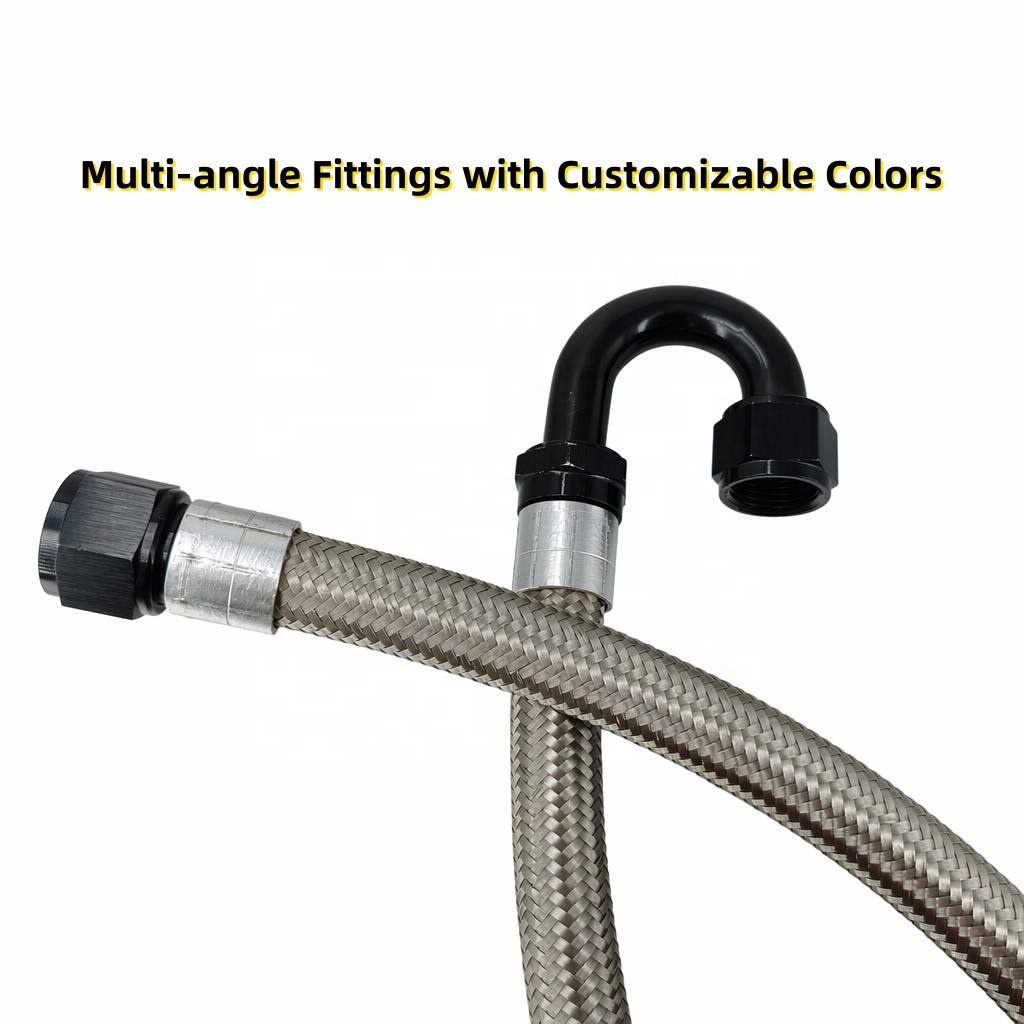
High pressure hoses are engineered components designed to safely transport fluids and gases under extreme force and demanding conditions. Understanding what materials go into these critical systems is essential for selecting the right solution for your application. The composition of a high pressure hose directly affects its performance, durability, lifespan, and safety in industrial, automotive, hydraulic, and aerospace environments.
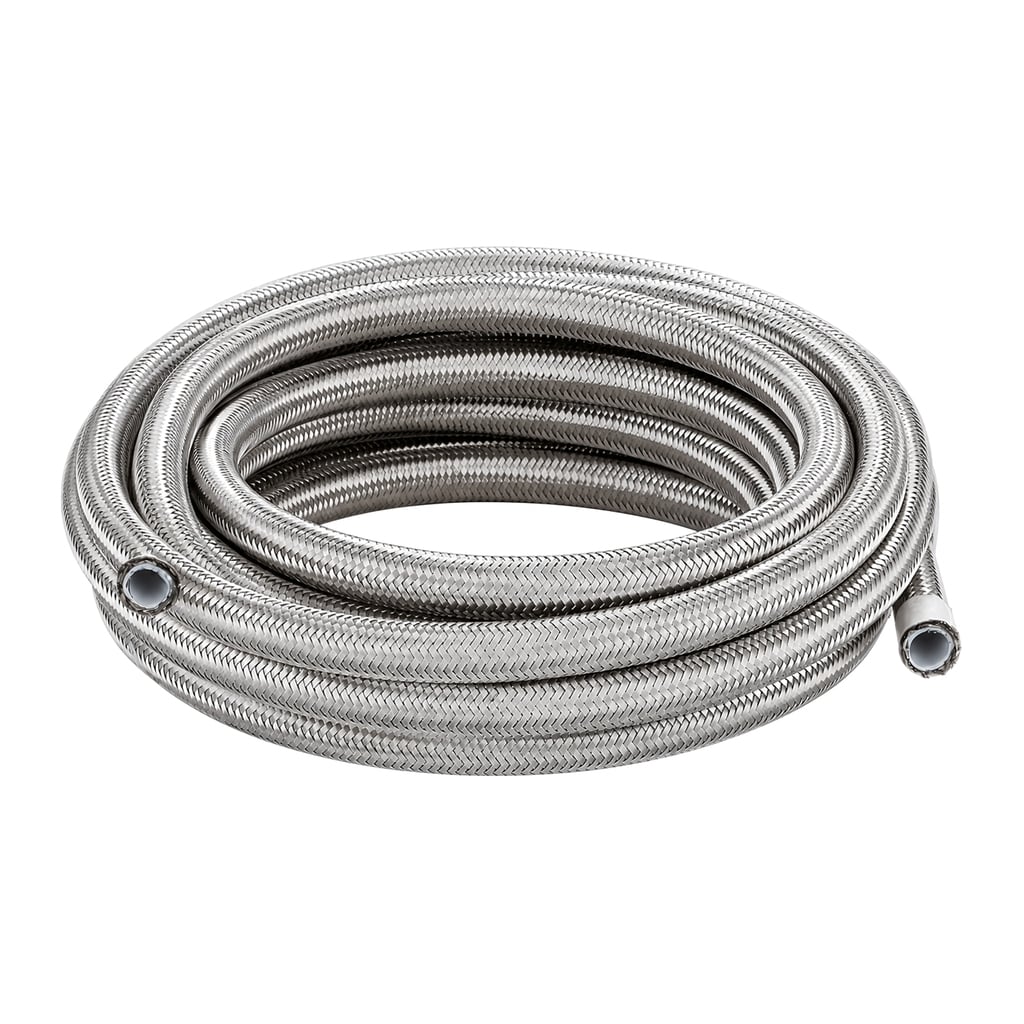
Modern high pressure hose materials combine multiple layers, each serving a specific structural or protective function. The inner tube handles fluid contact, the reinforcement layer provides burst resistance, and the outer cover protects against environmental exposure. High pressure hose specifications demand precision in material selection because failure under pressure can lead to costly equipment damage, safety hazards, and operational downtime.
Core Material Layers in High Pressure Hoses
Inner Tube Composition
The inner tube is the first barrier between the pressurized medium and the hose structure. High pressure hose materials for inner tubes are typically synthetic rubber compounds formulated to resist the specific fluid being transported. Common inner tube materials include nitrile rubber, which offers excellent resistance to petroleum-based fluids, and PTFE (polytetrafluoroethylene), which provides superior chemical compatibility with aggressive fluids and extreme temperature ranges. The choice between these materials depends on high pressure hose applications, fluid type, temperature exposure, and required service life. PTFE tubes are particularly popular in racing, aviation, and chemical processing where aggressive fluids or temperature extremes are encountered.
Reinforcement Layers
Reinforcement layers determine a high pressure hose's ability to withstand burst pressure and maintain structural integrity under stress. Steel wire braiding, typically in single, double, or spiral configurations, is the dominant reinforcement approach in industrial high pressure hose materials. High tensile steel wire provides superior strength-to-weight ratios and consistent performance across temperature variations. Some high pressure hose specifications incorporate textile reinforcement, though steel remains the industry standard for applications exceeding moderate pressure ranges. The number of wire braid layers directly correlates to pressure rating, making reinforcement layer design critical to hose safety and performance in demanding applications.
Advanced Material Combinations and Performance
PTFE and Steel Braided Systems
Premium high pressure hose materials increasingly feature PTFE inner tubes combined with stainless steel braiding. This combination delivers exceptional chemical resistance, extreme temperature capability, and corrosion protection. PTFE withstands temperatures from cryogenic levels to over 500 degrees Fahrenheit, making it ideal for high pressure hose applications in aerospace, food processing, pharmaceutical manufacturing, and specialty chemical industries. Stainless steel braiding resists corrosion in marine environments and harsh industrial settings where standard carbon steel would degrade. These advanced high pressure hose specifications command higher costs but deliver unmatched reliability and extended service life in critical operations.
Outer Cover Materials
The outer cover layer protects high pressure hose materials from UV exposure, ozone degradation, physical abrasion, and environmental contamination. Synthetic rubber compounds, including neoprene and Hypalon, are standard outer cover materials in high pressure hose specifications. The outer cover must resist cracking, maintain flexibility across temperature ranges, and protect internal components from moisture ingress and chemical exposure. Selection of outer cover material depends on high pressure hose applications—industrial hoses may use standard rubber covers, while automotive and aerospace applications require specialized UV-resistant compounds. Proper outer cover selection significantly extends hose lifespan and reliability in field conditions.
Material Selection for Specific High Pressure Hose Applications
Automotive and Racing Applications
Automotive and racing industries demand high pressure hose materials engineered for reliability, rapid pressure cycling, and temperature extremes. Racing engines generate intense heat and aggressive fuel compositions that require PTFE inner tubes and stainless steel reinforcement in high pressure hose specifications. Fuel lines in racing vehicles must prevent vapor lock, withstand vacuum conditions, and handle rapid pressure fluctuations without degrading. High pressure hose materials in automotive applications also address fuel system safety—modern gasoline and ethanol blends require specific rubber compatibility to prevent swelling or chemical breakdown. Competition-grade high pressure hose applications prioritize light weight and compact routing, making PTFE and steel braided designs preferred over traditional rubber systems.
Hydraulic and Industrial Systems
Hydraulic systems operate continuously under sustained high pressure, making material selection critical for high pressure hose reliability. Synthetic rubber inner tubes rated for mineral oils, biodegradable fluids, and water-based hydraulic media represent standard high pressure hose specifications in industrial environments. High pressure hose materials must accommodate viscosity changes across temperature ranges, resist fluid absorption, and maintain seal integrity under dynamic loading. Industrial high pressure hose applications include heavy equipment, manufacturing machinery, construction vehicles, and power generation systems. The reinforcement layer thickness and wire configuration directly determine pressure ratings, with industrial-grade systems typically rated from 250 to 10,000 PSI depending on mission requirements.
FAQ
What high pressure hose materials offer the best temperature resistance?
PTFE (polytetrafluoroethylene) inner tubes combined with stainless steel braiding represent the premium solution for extreme temperature high pressure hose specifications. PTFE maintains flexibility and performance from cryogenic temperatures below minus 400 degrees Fahrenheit to sustained operation above 500 degrees Fahrenheit, far exceeding traditional rubber materials. This makes PTFE-based high pressure hose materials essential for aerospace, chemical processing, and specialized industrial applications where temperature extremes are routine conditions.
How do high pressure hose specifications determine pressure ratings?
Pressure ratings in high pressure hose materials are established through the reinforcement layer design, wire gauge selection, and number of braided layers. Higher wire tensile strength, increased braid layer count, and tighter spiral configurations increase maximum operating pressure. High pressure hose specifications are rigorously tested and certified by independent laboratories to ensure safety margins and consistent performance. Manufacturers provide detailed high pressure hose specifications showing burst pressure, working pressure, and minimum bend radius to guide selection for specific applications.
Which high pressure hose materials are suitable for aggressive chemical environments?
PTFE and FKM (fluorocarbon) inner tube materials offer superior chemical resistance in demanding high pressure hose applications involving corrosive or reactive fluids. PTFE remains inert to virtually all chemical substances, making it ideal for pharmaceutical, food processing, and specialty chemical applications with severe high pressure hose specifications. Stainless steel reinforcement combined with specialized outer covers protects high pressure hose materials from external chemical exposure, ensuring reliability even in harsh industrial environments where standard rubber systems would fail.
 EN