 EN

what-materials-are-hose-assembly-components-made-from, what-materials-are-hose-assembly-components-made-from, /news
EN
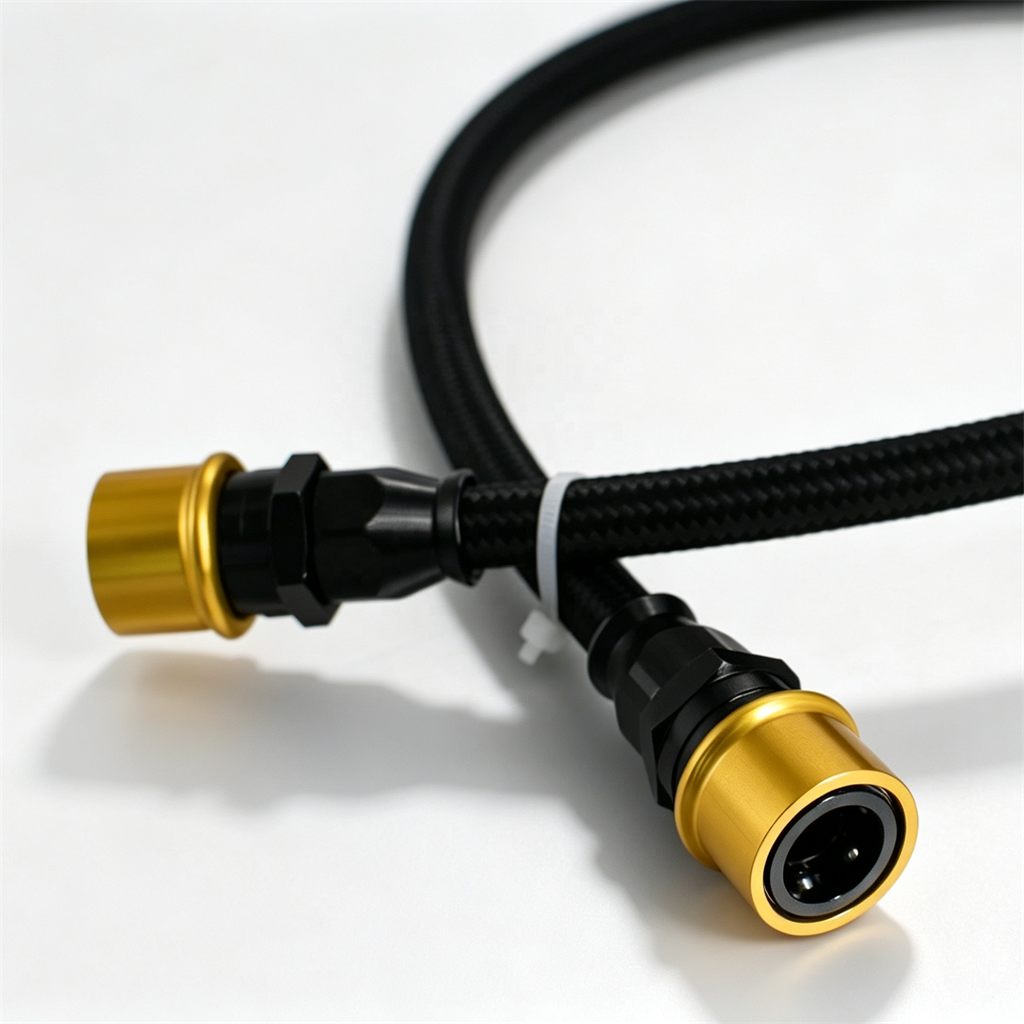
The materials used in a hose assembly directly determine its performance, longevity, and suitability for specific applications. Whether you're working with hydraulic hose assembly systems, pneumatic lines, or general industrial transfer applications, understanding the composition of hose assembly components is essential for selecting the right solution for your operational needs. The choice of materials affects pressure ratings, temperature tolerance, chemical resistance, and overall system reliability.
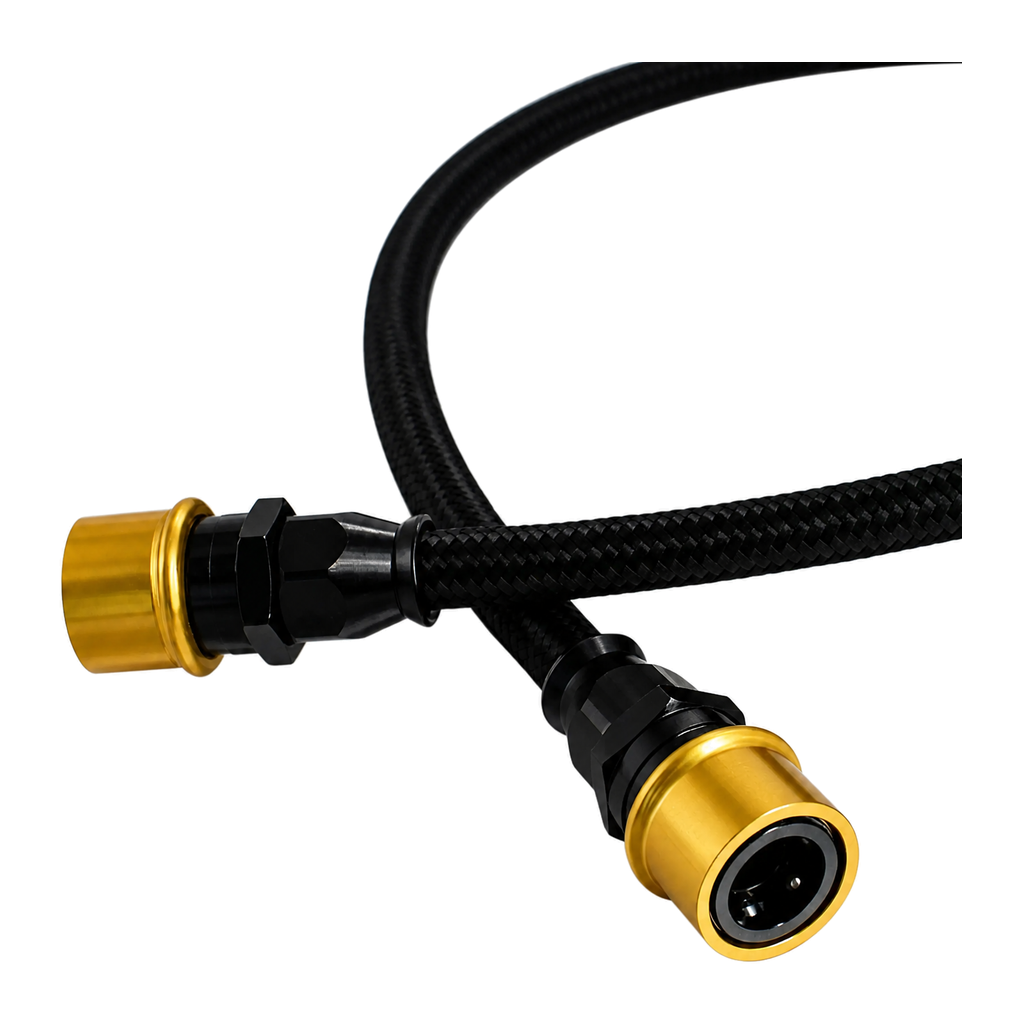
Modern industrial operations demand precision in every component. A hose assembly consists of multiple layers and materials working together to contain, direct, and transfer fluids safely and efficiently. From the inner tube to reinforcement layers and outer protective covers, each element serves a critical function in maintaining system integrity under demanding conditions.
The inner tube of most hose fitting assembly systems is made from elastomeric materials designed to contain the working fluid while maintaining flexibility. Natural rubber and synthetic rubbers such as nitrile, neoprene, and EPDM are common choices for industrial hose system applications. These materials are selected based on their compatibility with the fluid being transported, whether that involves oil, water, air, or specialty chemicals.
Nitrile rubber remains the most widely used material in hydraulic hose assembly applications due to its excellent resistance to mineral oils and hydraulic fluids. Neoprene offers superior weather resistance and is often chosen for outdoor or harsh-environment installations. EPDM excels in water-based applications and steam transfer, making it ideal for certain industrial processes requiring high-temperature tolerance in hose fitting assembly designs.
Thermoplastic hose assemblies have gained significant adoption in modern industrial hose system configurations. PTFE (polytetrafluoroethylene) provides exceptional chemical resistance and operates effectively across extreme temperature ranges, making it suitable for highly corrosive or sensitive applications. PVC inner tubes offer cost-effective solutions for lower-pressure, general-purpose applications where chemical compatibility is less demanding.
Thermoplastic polyurethane (TPU) has emerged as a versatile option for hydraulic hose assembly systems requiring both flexibility and durability. These materials offer advantages in reduced weight, improved kink resistance, and consistent performance across temperature variations compared to traditional elastomer-based hose fitting assembly components.
Reinforcement layers in a hose assembly provide structural integrity and pressure-handling capability. Wire braid, commonly made from steel, is the industry standard for high-pressure hydraulic hose assembly applications. Single braid provides flexibility with moderate pressure ratings, while spiral braid configurations deliver higher pressure capacity, making them essential for demanding industrial hose system environments.
Textile reinforcement, typically made from polyester, cotton, or synthetic fibers, is used in lower-pressure hose fitting assembly designs and applications requiring flexibility without extreme pressure demands. These materials reduce weight and improve ease of installation while maintaining adequate burst pressure ratings for specific industrial applications.
Advanced hose assembly configurations now incorporate composite reinforcement combining wire and synthetic materials. These hybrid designs in industrial hose system applications balance the high-pressure capability of wire reinforcement with the weight and handling advantages of synthetic fibers. The result is a hose fitting assembly that performs reliably under significant pressure while remaining manageable during installation and maintenance.
Spiral-wrapped wire reinforcement in premium hose assembly products enables superior pressure ratings compared to simple braid configurations. This construction method, commonly seen in high-performance hydraulic hose assembly systems, allows manufacturers to achieve greater pressure capacity while maintaining reasonable hose outer diameter and flexibility for tight-space industrial hose system installations.
The outer cover of a hose assembly protects internal components from environmental damage, UV exposure, abrasion, and chemical attack. Synthetic rubber covers, similar to the inner tube materials but often formulated with additional protective additives, form the primary barrier in most industrial hose system designs. Weather-resistant compounds extend service life in outdoor installations, while oil-resistant formulations are standard in hydraulic hose assembly applications.
Polyurethane covers have become increasingly popular in modern hose fitting assembly designs due to their superior abrasion resistance, ozone resistance, and durability. These covers maintain flexibility across temperature extremes while providing robust protection in harsh industrial environments. For specialized hose assembly applications requiring exceptional chemical or thermal protection, aramid-reinforced covers offer advanced performance suitable for demanding industrial hose system conditions.
Metal fittings in a hose assembly represent the connection points between the hose and system components. Brass is commonly used for lower-pressure hose fitting assembly applications and general-purpose connections. Steel and stainless steel fittings are specified for high-pressure hydraulic hose assembly systems and applications involving corrosive environments or elevated temperatures.
Aluminum fittings appear in weight-sensitive industrial hose system applications, particularly in aerospace and automotive sectors where material mass impacts overall system efficiency. Stainless steel dominates applications requiring maximum corrosion resistance, such as marine, food processing, and chemical transfer systems. The fitting material selection is equally important as the hose itself, ensuring the complete hose fitting assembly achieves intended pressure ratings and service life in its specific industrial environment.
Nitrile rubber with steel wire braid reinforcement is the most common material combination in standard industrial hose assembly products. This combination provides excellent resistance to mineral oils, adequate pressure ratings for most applications, and proven long-term reliability. For hydraulic hose assembly systems specifically, this material pairing is the industry baseline and represents the best balance of cost, performance, and availability.
Thermoplastic hose fitting assembly designs offer superior chemical resistance, consistent performance across wider temperature ranges, and reduced weight compared to elastomer-based hose assembly products. However, they may have lower maximum temperature ratings for sustained exposure and different pressure derating curves. For industrial hose system applications involving corrosive fluids or extreme temperature variations, thermoplastic options often provide superior longevity despite higher initial cost.
Stainless steel fittings in premium hose assembly configurations provide exceptional corrosion resistance essential for marine, chemical processing, and food-grade industrial hose system applications. The material resists rust and degradation from saltwater, harsh chemicals, and washdown environments. When combined with appropriate inner tube materials in a complete hose fitting assembly, stainless steel components ensure extended service life and maintain system integrity in the most challenging operational conditions.
