 EN

what-materials-are-quality-hardware-tools-made-from, what-materials-are-quality-hardware-tools-made-from, /news
EN
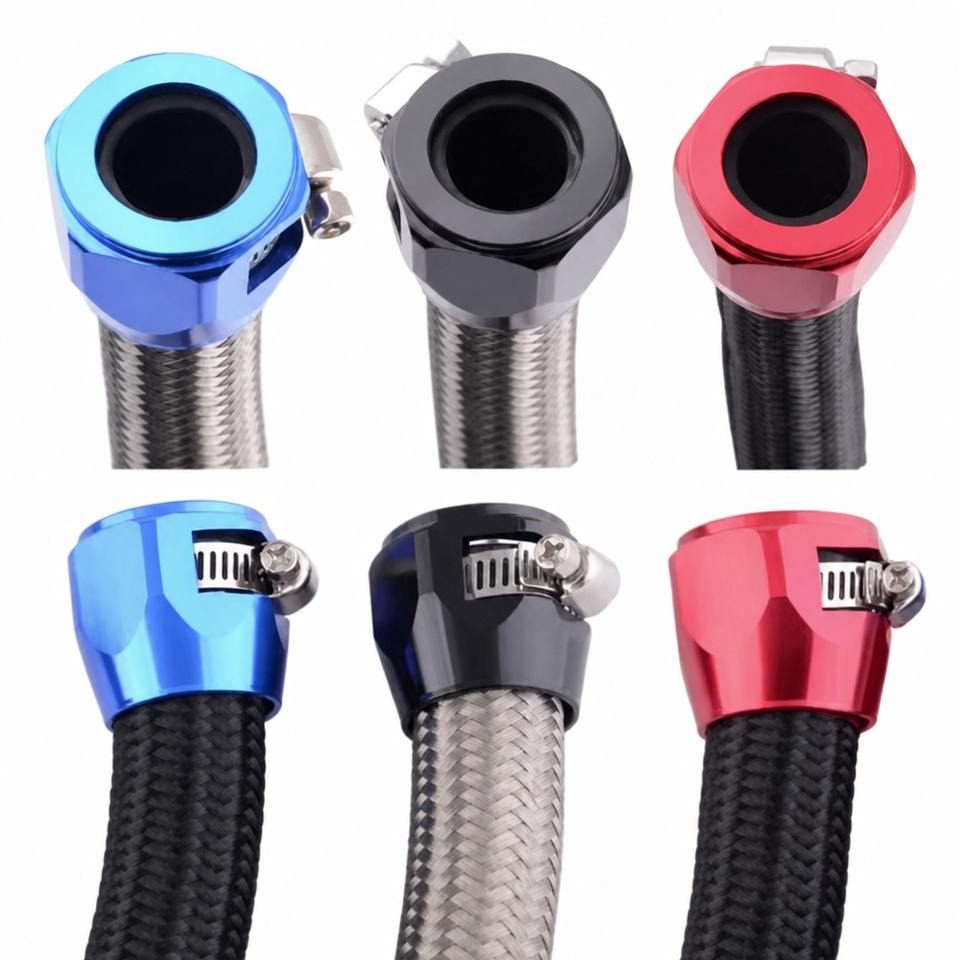
Understanding the materials used in quality hardware tools is essential for anyone investing in equipment that will last. Whether you work in construction, manufacturing, maintenance, or professional trades, the durability and performance of your tools directly impact productivity and safety on the job site. The composition of hand tools and power tools determines how they withstand daily wear, resist corrosion, maintain precision, and deliver consistent results over years of use. Quality materials ensure that your investment remains reliable, reducing downtime and replacement costs while improving overall work efficiency.
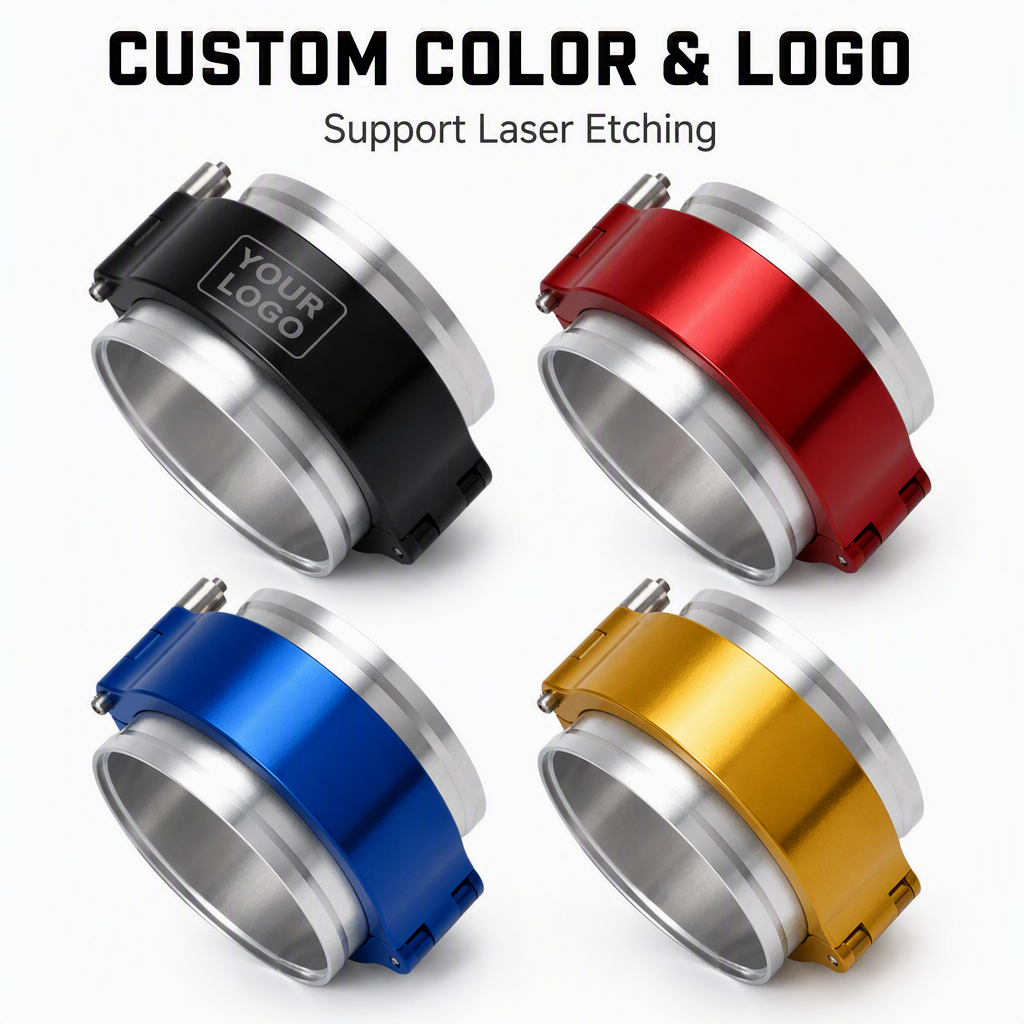
When evaluating hardware tools for purchase, material selection is one of the most critical factors separating premium equipment from inferior alternatives. Hand tools made from superior alloys, power tools engineered with precision metallurgy, and storage solutions built from durable materials all contribute to a comprehensive toolkit that performs reliably. This guide explores the primary materials used in modern hardware tools, explains why these choices matter for specific applications, and helps you make informed decisions when selecting tools that will serve your professional needs effectively.
Carbon steel stands as the foundation material for most traditional hand tools and power tools components. This alloy combines iron with carbon content typically ranging from 0.12 to 2.0 percent, creating a material that offers exceptional strength, impact resistance, and durability. Hardware tools manufactured from carbon steel can withstand repeated stress, heavy loads, and harsh working conditions without deforming or breaking prematurely. The hardness of carbon steel makes it ideal for tool storage applications and devices that require precision and reliability across demanding industrial environments.
Hardened steel represents a further refinement of standard carbon steel through heat treatment processes that increase molecular density and material strength. When manufacturers harden steel, they create tools capable of maintaining sharp edges, resisting wear during repetitive tasks, and surviving impacts that would damage lower-grade materials. Power tools with hardened steel components deliver superior performance and extended service life, while hand tools benefit from reduced maintenance requirements and improved cutting or striking precision. This material choice reflects the commitment of manufacturers to produce hardware tools that justify their investment through years of reliable performance.
Stainless steel incorporates chromium and molybdenum into iron-based alloys, creating a material that resists rust and corrosion in wet, humid, or chemically hostile environments. Hardware tools made from stainless steel excel in outdoor applications, marine settings, food processing facilities, and anywhere moisture or salt exposure would rapidly degrade standard steel. The corrosion resistance of stainless steel eliminates the need for frequent maintenance, protective coatings, or replacement of compromised tools. Hand tools and power tools manufactured from quality stainless steel maintain their appearance and functionality even when stored in challenging conditions, making them essential for professional environments where tool reliability directly impacts project timelines and worker safety.
Aluminum alloys provide the material foundation for many modern power tools, tool storage solutions, and portable hand tools where weight reduction improves usability without sacrificing strength. Manufacturers combine aluminum with copper, magnesium, zinc, or silicon to create alloys that balance lightweight construction with sufficient durability for professional applications. Hardware tools with aluminum components reduce fatigue during extended use, enhance portability for field work, and lower overall tool kit weight without compromising functionality. The aluminum used in quality tool storage systems, protective cases, and carrying solutions offers rust resistance and structural integrity while remaining economical for users who need robust yet manageable equipment.
Die-cast aluminum appears frequently in power tools housings, motor components, and protective guards where precision engineering combines with material efficiency. Hand tools incorporating aluminum handles deliver ergonomic advantages, improved grip comfort, and reduced hand strain during repetitive tasks. The material also conducts and dissipates heat effectively, protecting components and operators when tools operate under demanding conditions. Quality manufacturers invest in premium aluminum alloys rather than low-grade alternatives, ensuring that tools maintain performance across thousands of cycles and years of continuous professional use.
Advanced composite materials and polymer reinforcements now feature in modern hardware tools, particularly in hand tool grips, power tool handles, and storage solutions designed for impact resistance and durability. Fiberglass-reinforced polymers, carbon fiber composites, and specialized rubber compounds enhance safety, improve ergonomics, and extend tool lifespan by absorbing shocks and distributing stress more evenly across tool structures. These materials allow manufacturers to create hand tools and storage systems that withstand extreme temperatures, resist chemical exposure, and provide superior electrical insulation where safety demands require additional protection.
Tungsten carbide represents one of the hardest materials used in precision hardware tools, appearing in drill bits, cutting implements, and grinding components designed for processing steel, concrete, and ultra-hard materials. Power tools equipped with tungsten carbide cutting edges maintain sharpness through extensive use and resist wear far longer than conventional steel alternatives. This specialty material justifies premium pricing because it dramatically extends tool life, reduces replacement frequency, and improves precision in demanding industrial applications where material consistency matters critically for final product quality.
Cobalt steel alloys, molybdenum-enhanced metals, and other specialty formulations serve specific applications within professional hardware tools where standard materials cannot provide required performance. Hand tools engineered for specialized tasks often incorporate these advanced alloys to deliver precision, durability, and reliability that standard materials simply cannot match. Manufacturers select specialty metals based on specific performance requirements, environmental exposures, and end-use demands, ensuring that tool storage systems and individual implements align with professional standards and user expectations.
Quality hardware tools often receive additional protective coatings including chrome plating, nickel plating, powder coating, or specialized surface treatments that enhance corrosion resistance and improve appearance. These surface treatments protect underlying materials from oxidation, moisture damage, and chemical exposure while reducing maintenance requirements and extending effective tool lifespan. Power tools and hand tools with premium coatings demonstrate superior longevity and maintain professional appearance even after extensive field use. Tool storage solutions featuring treated surfaces protect stored equipment from environmental degradation while enabling organized, efficient workspace management that supports productive operations.
Material selection directly determines tool durability, safety, and long-term value. Quality hardware tools made from appropriate metals resist deformation, maintain precision, resist corrosion, and perform reliably across years of intensive use. Inferior materials compromise safety, require frequent replacement, and ultimately cost more through downtime and repeated purchasing cycles. Professional-grade hand tools and power tools justify their premium pricing through superior material composition that ensures consistent performance in demanding industrial environments.
Stainless steel, coated carbon steel, and aluminum alloys excel in outdoor environments where moisture and salt exposure challenge tool integrity. Hardware tools manufactured from corrosion-resistant materials maintain functionality despite weather exposure and reduce maintenance requirements significantly. Hand tools and power tools designed for outdoor use incorporate materials specifically selected to withstand environmental stress while maintaining precision and safety standards. Tool storage solutions that protect outdoor equipment should utilize weather-resistant materials and protective coatings that extend equipment lifespan.
Specialty materials such as tungsten carbide offer extreme hardness and wear resistance that standard steel cannot provide, enabling hardware tools to cut through ultra-hard materials and maintain sharp edges through thousands of applications. Power tools equipped with tungsten carbide components process materials faster, produce superior finish quality, and require replacement far less frequently than conventional alternatives. Hand tools incorporating specialty alloys deliver precision and reliability for specialized applications where standard materials would fail rapidly. Investing in hardware tools featuring these advanced materials significantly improves productivity and reduces long-term costs through extended service life.
