Rubber tubes are essential components in countless industrial and commercial applications, from automotive fuel systems to hydraulic machinery and pneumatic controls. Understanding what materials rubber tubes are made from is crucial for selecting the right product for your specific operational needs, environmental conditions, and performance requirements. The composition of rubber tubes directly influences their durability, chemical resistance, temperature tolerance, and pressure-handling capacity. Different material formulations serve different purposes, and knowing these distinctions helps engineers, procurement professionals, and maintenance teams make informed decisions that optimize both performance and cost-effectiveness across their operations.
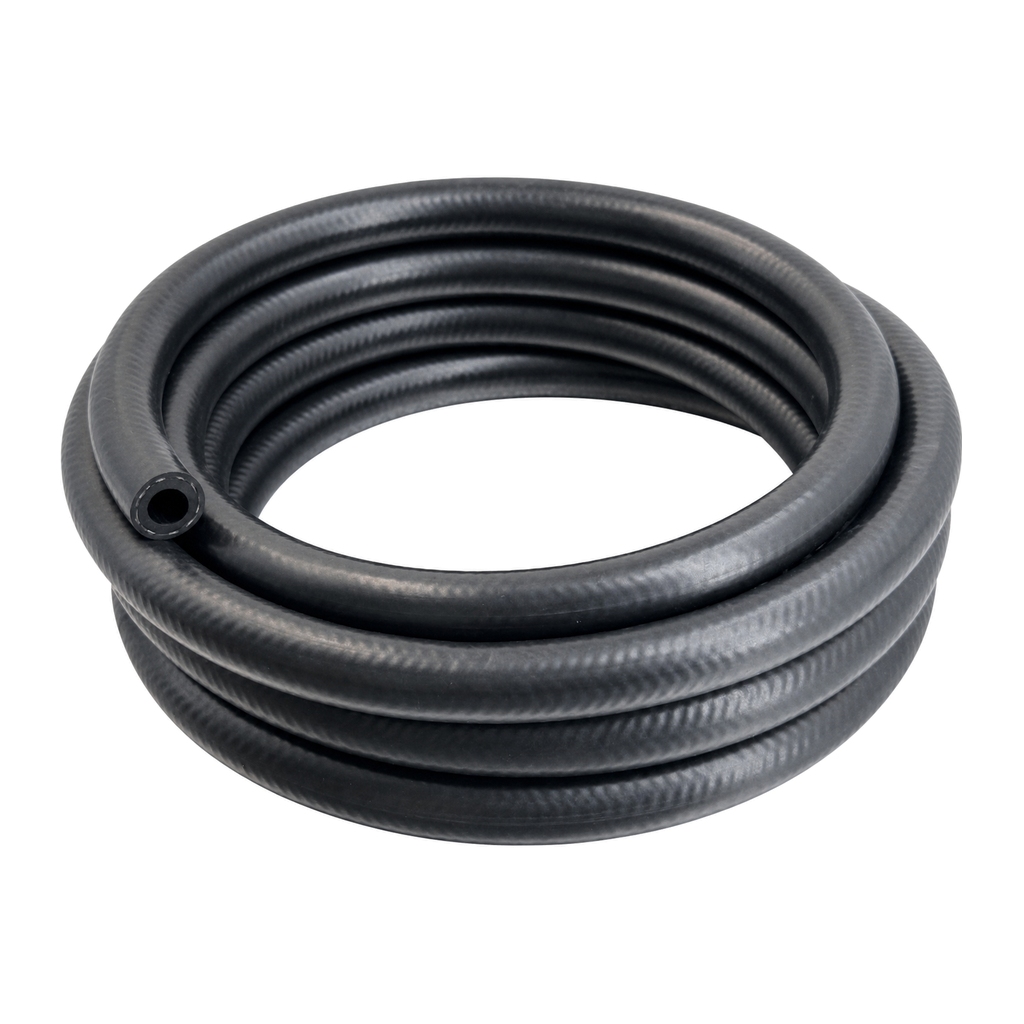
The manufacturing process for rubber tubes involves mixing raw rubber materials with various additives, reinforcing fabrics, and chemical compounds to achieve the desired properties. Modern industrial rubber tubing is engineered to meet strict performance standards and safety certifications across multiple sectors. Each material type offers distinct advantages and limitations, making the selection process critical to ensuring reliable, long-term operation. This guide explores the primary materials used in rubber tube production, their chemical and physical characteristics, and how to match material composition to your application requirements.
Primary Rubber Materials in Tube Construction
NBR Rubber and Oil Resistance
NBR, or acrylonitrile butadiene rubber, is one of the most widely used materials in industrial rubber tubing applications. This synthetic rubber compound offers exceptional resistance to mineral oils, petroleum products, and many hydrocarbon fluids, making it ideal for fuel lines, hydraulic systems, and machinery applications. NBR flexible rubber hoses maintain their elasticity and seal integrity even when exposed to lubricating oils and fuel vapors over extended periods. The material provides excellent abrasion resistance and tensile strength, allowing high-pressure rubber conduits to withstand demanding mechanical stress without degradation. NBR tubing typically operates effectively between minus 40 and 120 degrees Celsius, making it suitable for both cold startup conditions and moderately heated environments.
EPDM and Water Compatibility
EPDM, or ethylene propylene diene monomer, represents another major category of rubber materials used in tube manufacturing. This synthetic rubber excels in applications involving water, steam, and coolant exposure, offering superior resistance to ozone and weathering compared to natural rubber formulations. Industrial rubber tubing made from EPDM is commonly specified for cooling systems, air brake lines, and water circulation applications where oil resistance is less critical than moisture tolerance. EPDM flexible rubber hoses maintain their structural integrity when exposed to oxidation and ultraviolet light, extending service life in outdoor or semi-exposed installations. The material demonstrates good low-temperature flexibility, making it reliable for applications requiring operation in cool climates or seasonal temperature fluctuations.
Advanced Rubber Compositions and Specialty Applications
Silicone Rubber and Temperature Extremes
Silicone rubber offers unique thermal stability that surpasses conventional elastomers, enabling high-pressure rubber conduits to function reliably in extreme temperature environments. Silicone-based rubber tubes can maintain structural integrity at temperatures exceeding 200 degrees Celsius, making them indispensable in aerospace, food processing, and specialty industrial heating applications. This material exhibits excellent resistance to ozone, weathering, and many chemical compounds, though it generally provides lower oil resistance than NBR formulations. Silicone rubber tubing is preferred for pharmaceutical applications, food-grade conveyance systems, and medical device applications where biocompatibility and non-toxicity are regulatory requirements. The material's flexibility and durability at extreme temperatures justify its higher material cost in applications where performance and safety cannot be compromised.
Natural Rubber and Vibration Damping
Natural rubber remains valuable in specialized industrial applications despite the prevalence of synthetic alternatives. This material exhibits superior resilience and excellent vibration-damping properties, making natural rubber tubes suitable for shock absorption applications and machinery mounts. Natural rubber provides excellent mechanical flexibility and tensile strength, though it requires careful formulation with protective additives to resist oxidation and ozone exposure. Industrial rubber tubing incorporating natural rubber is often selected for applications prioritizing flexibility and impact resistance over chemical resistance. The material's sustainable sourcing and biodegradable nature appeal to environmentally conscious operations, though compatibility with specific fluids must be carefully verified during material selection.
Reinforcement Structures and Performance Enhancement
Fabric and Wire Reinforcement Layers
The external rubber material comprises only one component of the complete rubber tube structure. Most industrial rubber tubing incorporates reinforcement layers of polyester fabric, nylon mesh, or steel wire braid embedded within the rubber matrix to dramatically enhance pressure-handling capacity. High-pressure rubber conduits typically feature multiple reinforcement plies arranged in specific patterns to optimize burst resistance and maintain dimensional stability under stress. Wire-braided constructions provide maximum pressure ratings and are standard in hydraulic system applications where system pressures exceed moderate levels. Fabric-reinforced tubes offer lighter weight and greater flexibility while maintaining acceptable pressure ratings for lower-pressure pneumatic and general-purpose applications. The selection of reinforcement type directly impacts the tube's pressure rating, weight, flexibility, and overall suitability for specific operational demands.
Inner Tube Composition and Fluid Containment
The inner surface of most rubber tubes features specialized coating formulations designed to prevent fluid permeation and ensure consistent containment performance. Different fluids require different inner tube materials; fuel lines demand aggressive fuel-resistant compounds, while coolant systems may utilize more permeable formulations. Industrial rubber tubing manufactures the inner layer to match the specific fluid chemistry it will contain, preventing swelling, degradation, or unintended fluid migration through tube walls. The interplay between core rubber material, reinforcement structure, and inner coating creates a precisely engineered product whose performance extends far beyond simple rubber composition. Understanding these layered construction principles helps professionals select rubber tubes engineered specifically for their fluid type, pressure range, and environmental conditions rather than selecting generically formulated products that fail prematurely in demanding applications.
FAQ
Can rubber tubes handle extreme temperature variations?
Temperature capability depends entirely on the base rubber material used. Silicone rubber provides the broadest temperature range, functioning reliably from minus 55 to 200 degrees Celsius or beyond in specialized formulations. NBR rubber typically operates effectively between minus 40 and 120 degrees Celsius, while EPDM maintains good performance in similar ranges. High-pressure rubber conduits engineered for extreme applications require material selection matched precisely to your minimum and maximum operating temperatures. Material selection errors often cause premature failure when tubes experience temperature exposure beyond their rated specifications.
What determines high-pressure rubber conduit burst pressure ratings?
Burst pressure is determined by the combination of base rubber material, reinforcement structure, tube wall thickness, and inner layer composition. Wire-braided industrial rubber tubing typically achieves higher pressure ratings than fabric-reinforced alternatives using the same rubber compound. The number of reinforcement plies directly affects pressure capacity; four-ply constructions handle significantly higher pressures than two-ply designs. Flexible rubber hoses manufactured to automotive standards follow strict pressure testing protocols to verify actual burst ratings before shipment. Professional specifications always reference the complete pressure rating documentation rather than estimating capacity from tube diameter or appearance.
How do I select the correct rubber tube material for my application?
Begin by identifying the specific fluid or gas that will flow through the rubber tubes, as chemical compatibility represents the primary selection criterion. Document operating temperature ranges, including both typical and extreme conditions, to narrow material options to candidates with appropriate thermal ratings. Confirm required pressure ratings and select reinforcement structures capable of containing system pressures with an appropriate safety factor. Consult material compatibility charts provided by industrial rubber tubing manufacturers to verify that your chosen material resists degradation from specific fluids, additives, or environmental exposures. When uncertainty remains, consulting directly with engineering teams at reputable manufacturers ensures selection accuracy and prevents costly installation errors or premature failure.
 EN

