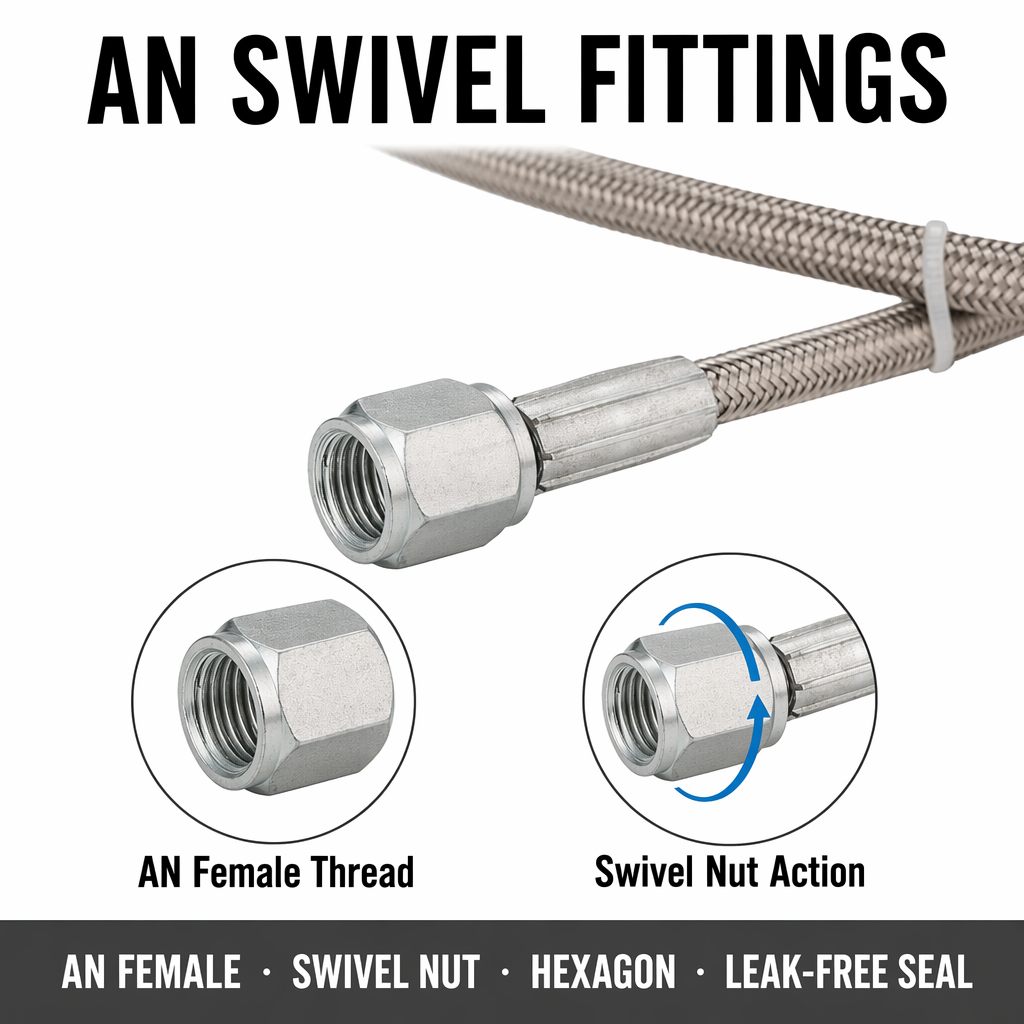
PTFE tubes represent one of the most reliable options for handling high-pressure fluid transfer across industrial, aerospace, and automotive applications. Understanding the pressure capacity of your PTFE tube is essential for safe system design, regulatory compliance, and long-term operational efficiency. The pressure a PTFE tube can withstand depends on multiple factors including tube diameter, wall thickness, temperature conditions, and the specific composition of the fluoropolymer hose material used.
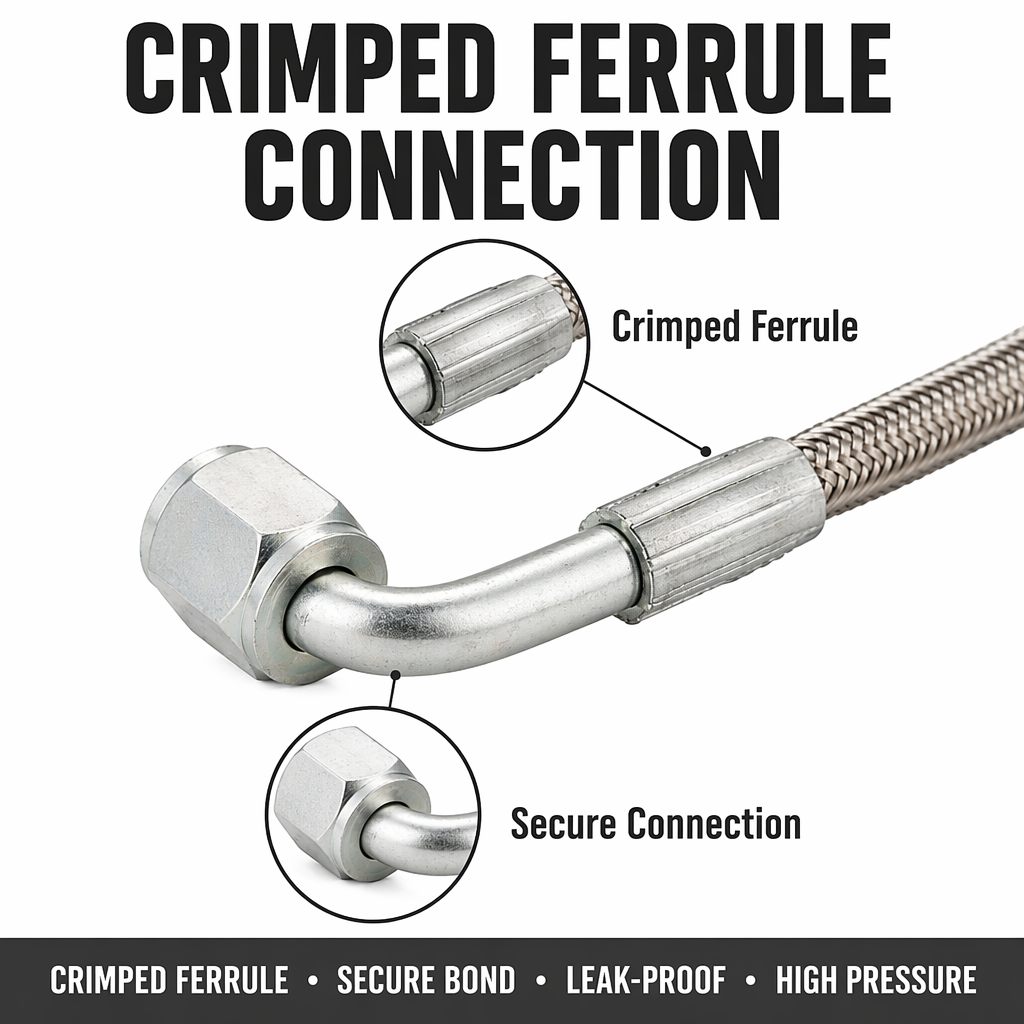
PTFE, commonly known as teflon tubing in industrial circles, offers exceptional chemical resistance and thermal stability that makes it ideal for demanding applications. When engineers select a ptfe tube for their systems, pressure rating becomes a critical specification that directly impacts system safety and performance reliability.
Understanding PTFE Tube Pressure Ratings
Standard Pressure Capacity Range
PTFE tubing applications typically handle pressures ranging from 500 PSI to over 5000 PSI, depending on construction specifications. Standard teflon tubing without reinforcement generally operates safely at pressures between 500 and 1000 PSI, making it suitable for moderate-pressure transfer lines and laboratory applications. Reinforced fluoropolymer hose designs, often featuring stainless steel braiding or other high-strength materials, can sustain pressures exceeding 3000 to 5000 PSI, making them essential for aerospace, automotive, and industrial manufacturing environments.
Wall Thickness and Diameter Impact
The inner diameter and wall thickness of your PTFE tube directly influence its burst and working pressure ratings. Thicker walls distribute pressure forces more effectively, allowing the fluoropolymer hose to maintain integrity under extreme conditions. A tube with 1/4-inch inner diameter and 1/8-inch wall thickness will handle significantly higher pressures than a 1/2-inch diameter tube with the same wall thickness. Manufacturers design teflon tubing specifications by calculating stress concentration factors and applying safety margins, typically 4:1 safety ratios for working pressure limits in critical applications.
Factors Affecting PTFE Tube Pressure Performance
Temperature Considerations
PTFE tubing maintains its pressure-handling capability across an exceptionally wide temperature range, from minus 200 degrees Fahrenheit to plus 400 degrees Fahrenheit in standard applications. However, pressure capacity does decrease as temperature increases; a fluoropolymer hose rated for 3000 PSI at 70 degrees Fahrenheit may only handle 2000 PSI at 300 degrees Fahrenheit. Engineers must consult detailed pressure-temperature derating charts when specifying teflon tubing for high-temperature environments, as operating beyond recommended thermal limits can cause permanent material degradation and catastrophic failure.
Chemical and Environmental Exposure
One of the primary advantages of PTFE tube selection is its resistance to virtually all chemicals, fuels, and solvents commonly used in industrial operations. Unlike elastomer-based hoses that degrade under chemical exposure, a ptfe tubing application maintains consistent pressure ratings even when transporting aggressive compounds. The fluoropolymer hose matrix resists swelling, hardening, and embrittlement, ensuring that pressure capacity remains stable throughout the service life of the component. This chemical inertness makes teflon tubing ideal for pharmaceutical, petrochemical, and specialty chemical transfer applications where material degradation could compromise system safety.
Reinforcement Systems and Enhanced Pressure Capacity
Braided and Spiral-Wrapped Construction
Stainless steel braided PTFE tube designs represent the gold standard for high-pressure applications, offering pressure ratings that exceed plain teflon tubing by 300 to 500 percent. The reinforcement layer distributes radial pressure loads throughout the braided structure, preventing bulging and tube failure under extreme conditions. Spiral-wrapped reinforcement configurations provide directional strength optimization, with engineers selecting braiding angles and material types based on specific ptfe tubing application requirements. These reinforced fluoropolymer hose assemblies commonly achieve 3000 to 5000 PSI working pressures while maintaining the chemical compatibility and thermal stability that define PTFE tube performance.
Multi-Layer Composite Designs
Advanced teflon tubing incorporates multiple reinforcement layers, combining inner PTFE core material with intermediate braid or spiral layers and outer protective covers. This composite construction approach allows manufacturers to engineer ptfe tube systems with pressure ratings exceeding 6000 PSI for specialized aerospace and racing applications. The fluoropolymer hose inner layer maintains chemical and thermal resistance, while outer reinforcement layers handle pressure containment, creating a balanced design that optimizes both safety and functional performance across the demanding conditions that modern industrial operations require.
Selecting the Right PTFE Tube for Your Application
Application-Specific Pressure Requirements
Medical device manufacturers often select standard teflon tubing with 500 to 1000 PSI ratings for fluid delivery systems where moderate pressures suffice. Conversely, aerospace fuel systems and racing vehicle hydraulic lines demand reinforced PTFE tube assemblies rated for 3000 to 5000 PSI, ensuring system redundancy and safety margins that protect human life. Industrial automation equipment and robotics typically operate in the 1000 to 2000 PSI range, requiring carefully specified ptfe tubing applications that balance cost efficiency with performance reliability. Engineers must match their specific operating pressures, temperature conditions, and chemical exposure profiles to appropriate fluoropolymer hose specifications to ensure system longevity and regulatory compliance.
Safety Margin and Design Best Practices
Industry standards recommend applying minimum 4:1 safety factors to working pressure calculations, meaning a 1000 PSI operating pressure requires PTFE tube rated for at least 4000 PSI burst capacity. This conservative approach accounts for pressure spikes, fatigue cycling, and material degradation over extended service life. Professional engineers selecting teflon tubing verify that hose assemblies include appropriate end fittings rated to match or exceed the tube's pressure capacity, preventing weak points in the system. Pressure test certificates, material certs, and compliance documentation validate that each ptfe tubing application meets stringent performance standards before deployment in critical operations.
FAQ
What is the maximum pressure that standard PTFE tube can handle?
Standard unbraided PTFE tube typically handles working pressures between 500 and 1000 PSI, though burst pressures may reach 2000 to 3000 PSI depending on wall thickness and diameter specifications. For applications requiring higher pressures, reinforced fluoropolymer hose with stainless steel braiding becomes necessary, as these designs safely contain pressures of 3000 to 5000 PSI.
How does temperature affect PTFE tube pressure capacity?
PTFE tube pressure capacity decreases as temperature increases due to reduced material stiffness at elevated temperatures. Manufacturers provide derating charts showing pressure reductions of 20 to 40 percent at 300 degrees Fahrenheit compared to room-temperature ratings. Engineers must consult these thermal derating specifications when selecting teflon tubing for high-temperature applications to ensure system safety and compliance.
Can PTFE tubing handle aggressive chemicals without pressure loss?
Yes, PTFE tube maintains consistent pressure ratings when transporting virtually all chemicals, fuels, and solvents because the fluoropolymer hose material resists swelling, hardening, and degradation that affect other hose types. This chemical inertness allows ptfe tubing applications to preserve their pressure capacity throughout extended service life, making them ideal for pharmaceutical, petrochemical, and specialty chemical transfer systems where material stability is critical.
 EN