 EN

what-pressure-ratings-do-ptfe-braided-hoses-support, what-pressure-ratings-do-ptfe-braided-hoses-support, /news
EN
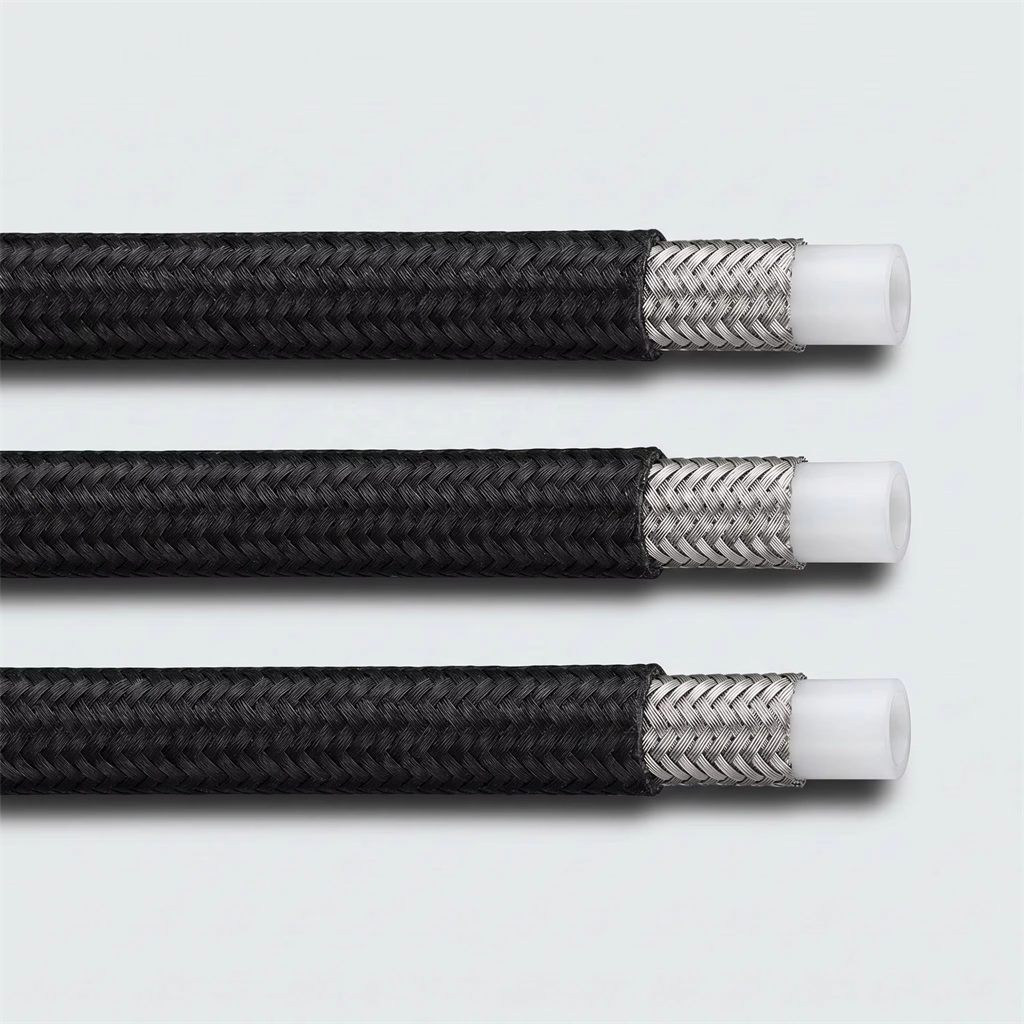
A ptfe braided hose represents one of the most robust fluid transfer solutions in industrial, automotive, and chemical applications. Understanding its pressure ratings is essential for selecting the right hose assembly for demanding operational environments. Pressure capacity varies significantly based on hose construction, reinforcement layers, inner tube material, and braiding density. This guide explores the full spectrum of pressure ratings, material properties, and practical considerations for choosing a fluoropolymer hose assembly that meets your application requirements.
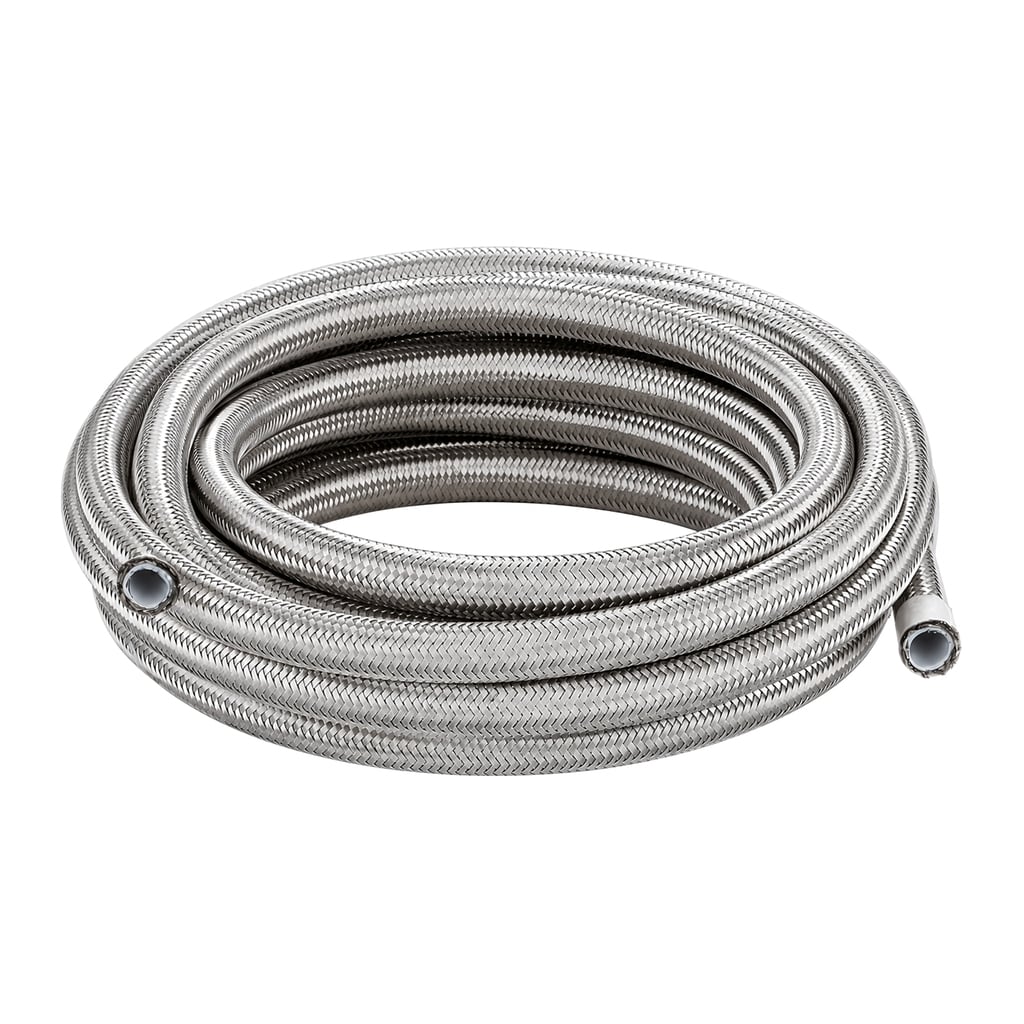
The pressure ratings of teflon braided tubing depend on multiple interconnected factors that engineers must evaluate during hose selection. Standard PTFE braided hoses typically support pressures ranging from 500 PSI for lightweight applications to 6000 PSI or higher for specialized industrial and aerospace uses. The inner tube material, whether virgin PTFE, reinforced PTFE, or composite fluoropolymer, directly influences maximum working pressure. Additionally, the number of stainless steel braiding layers, braid pattern density, and the hose's nominal diameter all contribute to determining safe operational pressure thresholds.
Pressure ratings for a fluoropolymer hose assembly are standardized measurements that indicate the maximum pressure a hose can safely withstand under normal operating conditions. These ratings typically include working pressure, burst pressure, and proof pressure specifications. Working pressure represents the recommended maximum continuous operating pressure, usually set at 25 percent of burst pressure for safety margins. Burst pressure indicates the pressure at which the hose structurally fails, while proof pressure is an intermediate safety threshold used during manufacturing quality tests.
PTFE reinforced hose specifications follow established industry standards including SAE, ISO, and manufacturer-specific guidelines. SAE J518 and ISO 1402 define pressure classifications and hose construction requirements. Most commercial-grade teflon braided tubing meets or exceeds these standards, with pressure ratings clearly marked on the hose exterior. Manufacturers provide detailed specification sheets that document burst pressure, working pressure, temperature ratings, and chemical compatibility. Understanding these standards ensures that your fluoropolymer hose assembly meets regulatory and safety requirements for your specific industrial application.
Standard PTFE braided hoses typically support working pressures between 500 and 2000 PSI, making them suitable for moderate-pressure hydraulic, pneumatic, and chemical transfer applications. These single or double-braided configurations provide adequate reinforcement for most industrial fluid handling systems. Heavy-duty variants, featuring additional stainless steel braiding layers and thicker PTFE inner tubes, raise working pressure limits to 3000 to 4000 PSI. The number of braiding layers directly correlates with pressure capacity. A single-braid ptfe braided hose generally handles lower pressures, while triple-braid or quad-braid constructions support significantly higher thresholds.
Ultra-high-pressure teflon braided tubing designed for extreme industrial, racing, and aerospace applications reaches working pressures of 5000 to 6000 PSI and beyond. These specialized fluoropolymer hose assembly products feature densely woven stainless steel or composite reinforcement combined with premium-grade PTFE inner tubes. The construction often includes spiral-wound reinforcement patterns that distribute pressure loads more uniformly across the hose wall. Such high-pressure ratings require precise manufacturing tolerances, quality control testing, and certification by recognized standards bodies. Applications include fuel injection systems, high-pressure chemical processing, precision hydraulic circuits, and demanding automotive racing environments.
The PTFE inner tube serves as the primary pressure-bearing component of any ptfe reinforced hose. Virgin PTFE offers excellent chemical resistance and temperature stability but relatively moderate pressure ratings. Reinforced PTFE variants, sometimes called filled PTFE, incorporate carbon fiber, glass, or bronze particles to improve strength and pressure handling capacity. These filled formulations can support higher working pressures while maintaining chemical compatibility. The thickness of the inner tube also affects pressure rating. Thicker tubes distribute radial stress more effectively, allowing the overall hose assembly to withstand higher pressures before deformation or failure occurs.
Stainless steel braiding is the industry standard for reinforcing fluoropolymer hose assembly products because it provides superior strength-to-weight ratio and corrosion resistance. The braid wire diameter, weave density, and coverage percentage directly influence the hose's burst pressure and pressure rating. Single-layer braiding offers basic reinforcement, while multi-layer braided constructions exponentially increase pressure capacity. Some advanced teflon braided tubing incorporates nylon or polyester interlayers between braiding layers to enhance flexibility and pressure distribution. Spiral-wound reinforcement, alternatively, provides circumferential strength that resists hoop stress more effectively than traditional cross-braiding patterns, enabling even higher pressure ratings in specialized applications.
Determining the appropriate pressure rating requires a thorough analysis of your specific application demands. Hydraulic systems used in construction or agricultural machinery typically operate between 2000 and 3500 PSI, requiring medium to heavy-duty ptfe braided hose options. Fuel delivery systems in automotive and racing applications often demand working pressures of 4000 to 5000 PSI with rapid pressure cycling and vibration resistance. Chemical processing plants may prioritize chemical compatibility over extreme pressure ratings, selecting a fluoropolymer hose assembly optimized for fluid compatibility rather than maximum PSI capacity. Always consult with engineers to calculate peak operating pressures, including pressure spikes and transient surges, to ensure selected hoses maintain adequate safety margins.
Professional engineering practice dictates applying safety factors when selecting teflon braided tubing pressure ratings. A typical 4:1 safety factor means that if your system experiences 1000 PSI peak pressure, you should select a hose with at least 4000 PSI burst rating. Temperature fluctuations affect PTFE performance and pressure capacity. Elevated temperatures reduce the material's pressure-bearing capability, while cryogenic conditions may increase brittleness. Vibration, material fatigue, and repeated pressure cycling also degrade hose integrity over time, making higher initial pressure ratings prudent for critical applications. Environmental factors like ozone exposure, UV radiation, and hydraulic fluid compatibility should also inform pressure rating selection, as these factors can gradually reduce a hose's operational capacity.
Standard PTFE braided hoses typically support working pressures between 500 and 2500 PSI, depending on construction. Single-braided designs generally handle lower pressures, while double or triple-braided ptfe reinforced hose configurations reach higher limits. Always verify manufacturer specifications, as specific pressure ratings vary based on hose diameter, wall thickness, and intended application requirements.
Temperature significantly impacts the pressure capacity of teflon braided tubing. PTFE maintains stable properties across a wide temperature range, typically from minus 20 degrees Celsius to plus 200 degrees Celsius. However, at elevated temperatures near the upper limit, pressure-bearing capacity may decrease. Manufacturers typically provide temperature-derating curves that show adjusted pressure ratings at various operating temperatures. Always consult these curves when operating at extreme conditions.
Yes, fluoropolymer hose assembly pressure ratings can decline due to material fatigue, environmental exposure, and repeated pressure cycling. Ozone, UV radiation, and aggressive chemical exposure gradually degrade outer braid and inner tube materials. Regular inspection and replacement according to manufacturer recommendations help maintain system safety. High-vibration environments accelerate wear, requiring more frequent hose replacement to ensure continued compliance with pressure rating specifications.
