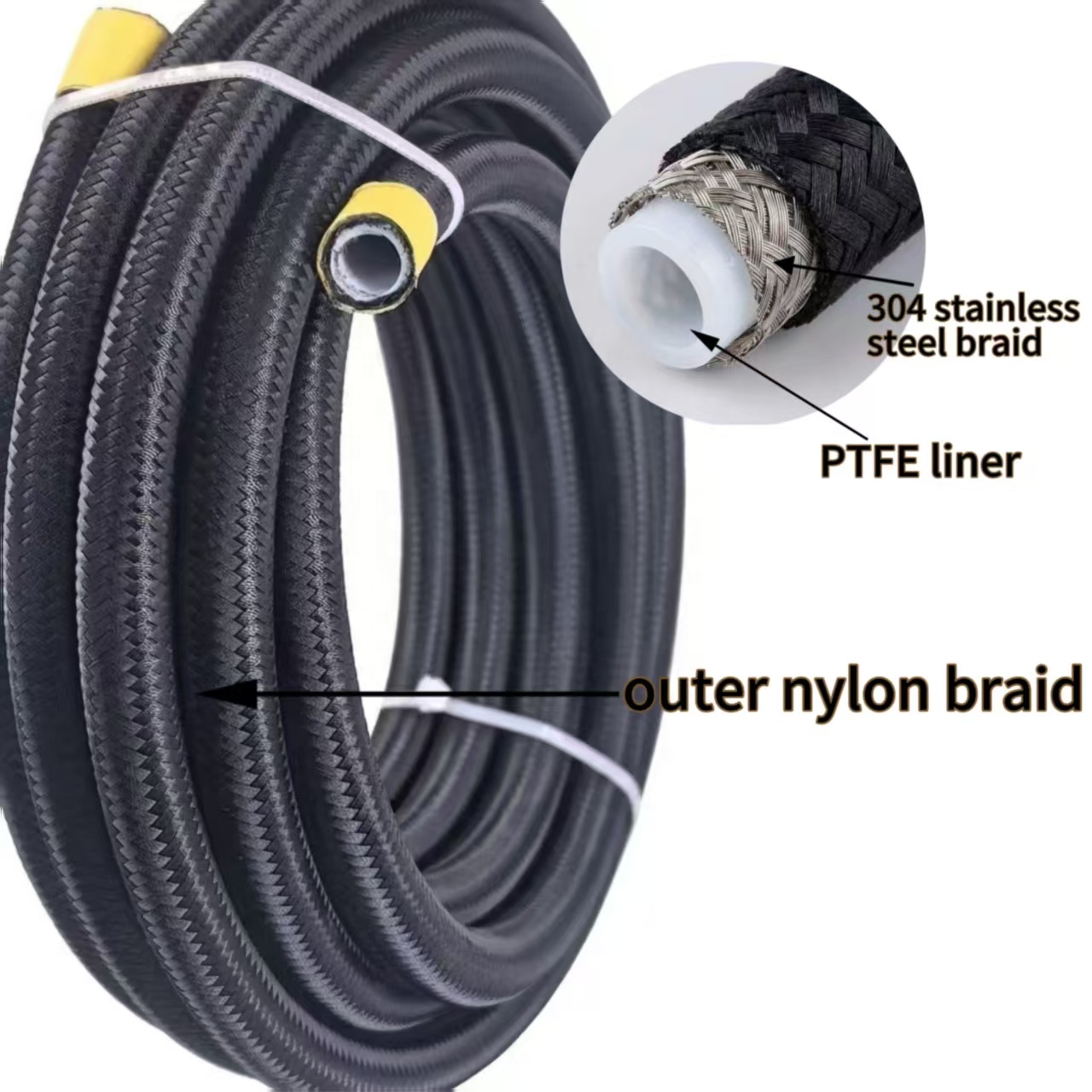
Understanding pressure ratings is critical when selecting tubing for demanding industrial, hydraulic, and pneumatic applications. A ptfe tube offers exceptional chemical resistance and thermal stability, making it a preferred choice across automotive, aerospace, medical, and manufacturing sectors. However, pressure capability varies significantly based on tube wall thickness, reinforcement design, temperature conditions, and the specific fluoropolymer formulation used in construction.
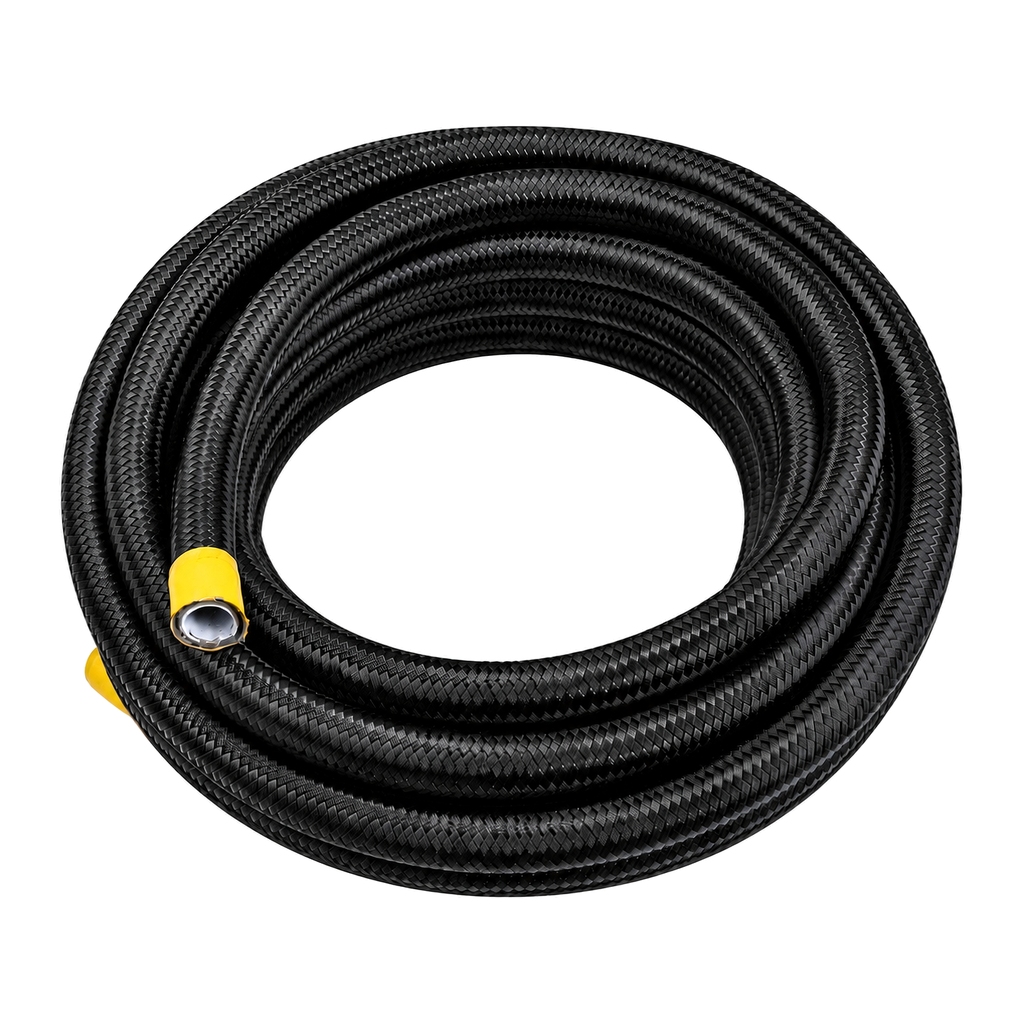
Pressure ratings for teflon tubing depend on multiple engineering factors and environmental variables. Standard unreinforced PTFE typically supports lower pressures, generally between 100 and 500 psi at room temperature. Reinforced configurations, including nylon-braided or stainless steel mesh designs, can withstand much higher pressures, often reaching 3000 psi or beyond. The actual working pressure rating also reflects safety margins, temperature derating, and compatibility with the conveyed fluid or gas.
Understanding PTFE Pressure Rating Standards
Nominal Versus Working Pressure
Manufacturers distinguish between nominal, working, and burst pressure ratings when specifying fluoropolymer hose products. Nominal pressure represents the typical operating range under standard conditions, while working pressure accounts for safety factors and expected service life. Burst pressure indicates the maximum pressure the hose can withstand before rupture, but operating above working pressure creates risk of premature failure, leakage, and system damage. Engineers must always select teflon tubing rated above their maximum system pressure, applying appropriate safety multipliers based on application criticality and regulatory requirements.
Temperature and Pressure Derating
PTFE tubing pressure capacity decreases as temperature rises. Most standard teflon tubing specifications include pressure derating curves that reduce allowable working pressure at elevated temperatures. For example, a fluoropolymer hose rated at 2000 psi at 70°F may only support 1200 psi at 200°F due to material softening. This derating relationship becomes particularly important in high-temperature hydraulic systems, engine compartment applications, and industrial processes involving heat. Engineers must consult technical datasheets to identify the precise derating factor for their operating temperature range.
Reinforcement Design and Pressure Capability
Impact of Braiding and Mesh Construction
Nylon-braided and stainless steel mesh reinforcements dramatically enhance the pressure rating of PTFE tubing. Unreinforced teflon tubing functions best in low-pressure, corrosive-fluid environments where chemical resistance matters more than pressure handling. Braided designs distribute circumferential stresses across multiple strands, enabling the hose to contain higher pressures safely. Double and triple braid configurations offer even greater strength, pushing pressure ratings into the 4000 to 6000 psi range for specialized applications. The reinforcement material, braid angle, and coverage percentage all influence the final pressure specification of the fluoropolymer hose assembly.
Burst Pressure Safety Margins
Industry standards and safety regulations typically establish working pressure at 25 to 33 percent of the measured burst pressure. This safety margin accounts for material degradation over time, manufacturing tolerances, and unexpected pressure spikes. A ptfe tube with a burst rating of 6000 psi generally receives a working pressure assignment of 1500 to 2000 psi. This conservative approach protects equipment, personnel, and products from catastrophic failure. When specifying teflon tubing for critical systems, verify that the manufacturer provides independent burst test data and confirm that the working pressure selection includes adequate safety margin for the application's risk profile.
Selecting the Right PTFE Tubing for Your Pressure Requirements
Matching Tubing Specifications to Application Demands
Choosing appropriate ptfe tubing pressure ratings requires thorough analysis of system requirements, operating conditions, and regulatory constraints. Start by identifying the maximum system pressure, accounting for transient spikes and pressure surges that may occur during normal operation. Next, determine the expected service temperature range and apply the manufacturer's derating factors to calculate the required working pressure. Consider fluid compatibility, ensuring the teflon tubing material resists all chemicals in the system. For critical applications, select tubing with working pressure ratings 1.5 to 2 times higher than calculated requirements to build in design safety.
Certification and Testing Standards
Quality fluoropolymer hose manufacturers provide test certificates documenting burst pressure, working pressure, and compliance with international standards such as SAE, ISO, and ASTM specifications. Verify that the teflon tubing supplier conducts independent pressure testing and provides traceable documentation. Medical-grade and aerospace-grade ptfe tubing applications demand additional certification and material traceability. Before finalizing a purchase order, request a material safety data sheet, pressure rating table with derating curves, and burst test results. These documents confirm that the tubing meets your application's technical and regulatory requirements, reducing the risk of in-service failure or compliance issues.
FAQ
What is the typical maximum pressure rating for unreinforced PTFE tubing?
Unreinforced teflon tubing typically supports working pressures between 100 and 500 psi at room temperature. These lower ratings reflect the inherent mechanical properties of pure PTFE resin. Unreinforced designs excel in applications requiring extreme chemical resistance, low friction, and smooth internal surfaces where pressure demands remain modest. For higher pressures, reinforced constructions become necessary.
How does temperature affect PTFE tube pressure ratings?
Fluoropolymer hose pressure capacity decreases significantly at elevated temperatures due to material creep and reduced stiffness. Most manufacturers provide derating curves showing pressure reduction as temperature increases. A ptfe tube rated at 2000 psi at 70°F may support only 60 to 70 percent of that rating at 200°F. Always consult the technical datasheet to determine the working pressure at your expected operating temperature.
Can PTFE tubing handle burst pressures above the working pressure rating?
While teflon tubing can physically contain pressures up to its burst rating, operating above the working pressure rating creates serious reliability and safety risks. The working pressure designation includes safety margins for material aging, manufacturing variation, and unexpected pressure spikes. Continuous operation above working pressure accelerates tubing degradation and increases failure probability. Always respect the working pressure limit specified for your application.
 EN