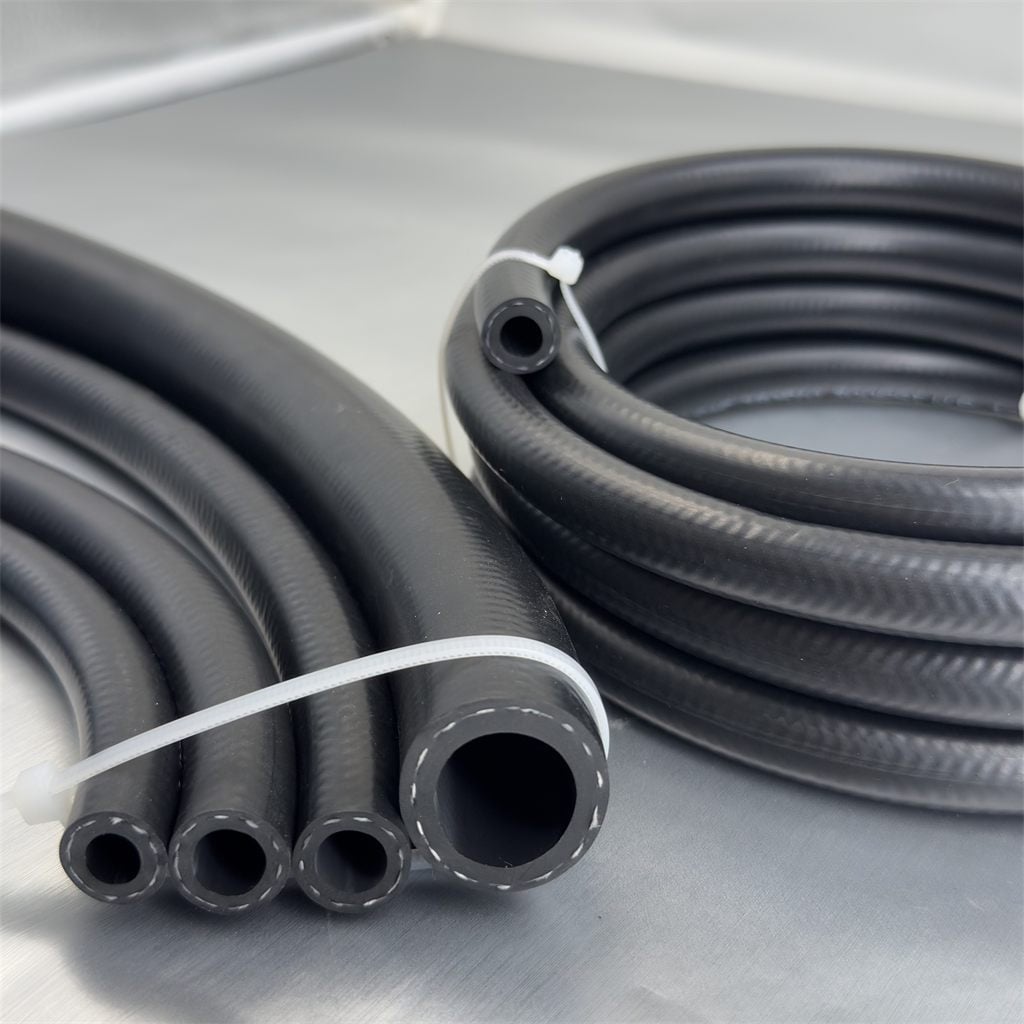
Understanding pressure ratings is fundamental when selecting rubber tubes for any industrial application. Pressure ratings determine whether your tubing system will safely handle the fluid or gas flow required by your equipment without rupturing, leaking, or failing prematurely. The pressure rating of rubber tubes directly impacts system reliability, safety compliance, and operational longevity in demanding environments.
Pressure specifications for rubber tubes vary significantly based on the intended application, material composition, reinforcement layers, and design standards. A thorough understanding of these ratings ensures you select the appropriate flexible rubber hoses for power steering systems, hydraulic lines, coolant circulation, fuel delivery, and other critical functions. This guide explores the key pressure parameters, how they are determined, and how to match them to your operational requirements.
Understanding Pressure Rating Standards for Industrial Rubber Tubing
What Pressure Ratings Mean
Pressure ratings for industrial rubber tubing represent the maximum safe working pressure that a hose can sustain under normal operating conditions. These ratings are expressed in pounds per square inch (PSI) and are established through rigorous testing and industry standards such as SAE, ISO, and DIN specifications. The working pressure rating is typically set at a fraction of the hose's burst pressure, ensuring a substantial safety margin between normal operation and catastrophic failure.
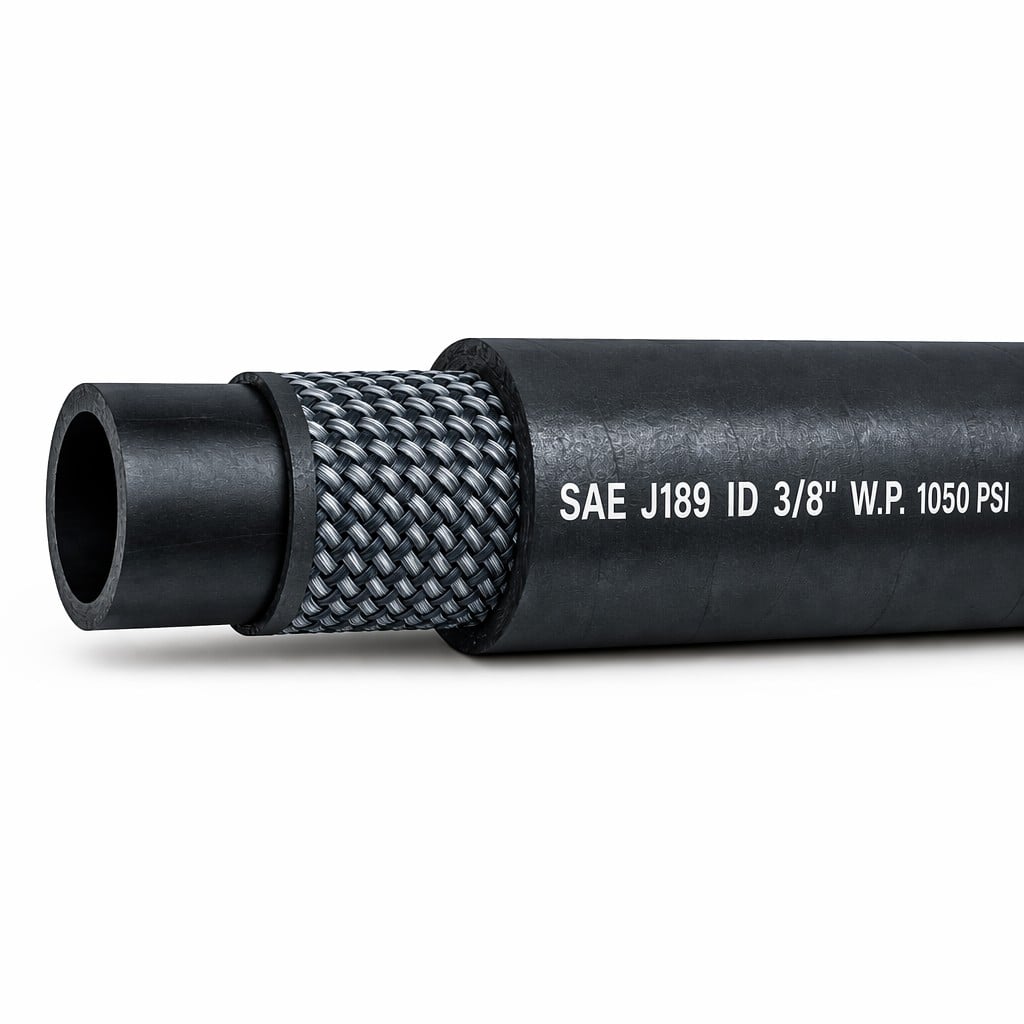
For example, rubber tubes designed for low-pressure power steering applications typically carry a working pressure rating of 1050 PSI, with a burst pressure significantly higher to provide safety redundancy. Understanding this distinction between working pressure and burst pressure helps you avoid over-pressurizing systems and ensures equipment longevity.
Common Pressure Rating Categories
Industrial rubber tubing falls into several pressure categories based on application type. Low-pressure flexible rubber hoses typically range from 150 to 500 PSI and are used in coolant lines, low-pressure fuel systems, and suction applications. Medium-pressure configurations operate between 500 and 2500 PSI and handle hydraulic systems, power steering, and moderate-intensity applications. High-pressure rubber conduits exceed 2500 PSI and are reserved for severe-duty hydraulic systems, injection systems, and specialized industrial processes requiring maximum pressure containment.
Key Factors Influencing Pressure Ratings
Material Composition and Construction
The pressure rating of flexible rubber hoses depends heavily on the elastomer material used in the inner tube. Nitrile rubber provides excellent resistance to petroleum-based fluids and is common in hydraulic and fuel applications. EPDM rubber offers superior coolant and water compatibility, while synthetic compounds like polyurethane deliver enhanced pressure retention and durability. The outer cover material also contributes to pressure performance by providing environmental protection and abrasion resistance that prevents degradation of inner tubing.
Reinforcement layers are critical to achieving high-pressure capacity in industrial rubber tubing. Single-wire braid reinforcement provides basic pressure containment for low to medium applications, while multi-layer wire spiral or textile reinforcement dramatically increases pressure-handling capability. The number, pattern, and material composition of these reinforcement layers directly determine how much pressure the tubing can safely withstand without expanding, weeping, or rupturing under load.
Diameter and Wall Thickness Effects
Internal diameter and wall thickness of rubber tubes significantly influence their pressure ratings. Smaller diameter tubing generally supports lower working pressures because the internal surface area experiences greater stress concentration at any given pressure level. Conversely, thicker-walled high-pressure rubber conduits can withstand much higher PSI ratings because the material distributes pressure forces more effectively across a larger cross-sectional area. Engineers select diameter and wall thickness combinations to match both the flow rate requirements and pressure demands of each specific application.
Temperature also affects how pressure ratings are specified for flexible rubber hoses. High-temperature environments degrade elastomer properties, so manufacturers often reduce the recommended working pressure at elevated temperatures. A hose rated for 2000 PSI at 70 degrees Fahrenheit might only support 1500 PSI at 150 degrees Fahrenheit. Understanding these temperature deration factors prevents pressure-related failures in hot industrial environments such as engine compartments or thermal processing systems.
Selecting and Verifying Pressure Ratings for Your Application
Matching System Requirements to Tubing Specifications
Proper hose selection begins by calculating the actual operating pressure your system will generate under peak conditions. System pressure requirements should always stay below the hose working pressure rating, typically maintaining a safety margin of 25 to 50 percent. If your hydraulic system peaks at 2000 PSI, select industrial rubber tubing with a minimum working pressure of 2500 to 3000 PSI to provide adequate safety buffer. This conservative approach prevents pressure spikes, pressure surges from rapid valve closure, or transient conditions from causing hose failure.
Pressure testing and certification documentation accompany quality rubber tubes and flexible rubber hoses. Reputable manufacturers provide pressure test certificates, burst test data, and working pressure ratings that comply with relevant standards. Always verify that the tubing you select includes documentation confirming that pressure ratings meet or exceed your application requirements. Mixing unmarked or uncertified tubing into critical systems creates unpredictable failure modes and potential safety hazards.
Installation and Maintenance Considerations
Even correctly rated high-pressure rubber conduits can fail prematurely if installed or maintained improperly. Excessive bending, kinking, or crushing during installation reduces the effective pressure rating by compromising internal reinforcement layers and material integrity. Abrasion from rubbing against sharp edges, moving parts, or rough surfaces can gradually wear through protective covers and expose inner layers to degradation. Regular inspection for signs of wear, swelling, cracking, or surface damage helps catch deterioration before pressure failures occur.
Pressure cycling and pulsation also affect the long-term performance of flexible rubber hoses. Hydraulic systems and power steering applications subject tubing to repeated pressure fluctuations that cause micro-cracking and fatigue failure over time. High-pressure rubber conduits designed for pulsating duty include reinforcement patterns specifically engineered to resist fatigue. Selecting tubing rated for your system's actual duty cycle, not just peak pressure, significantly extends service life and reduces unexpected downtime.
FAQ
What is the difference between working pressure and burst pressure for rubber tubes?
Working pressure is the safe maximum pressure at which rubber tubes can continuously operate, while burst pressure is the pressure level at which the tubing fails catastrophically. Working pressure is typically 20 to 40 percent of burst pressure, creating a substantial safety margin. This design philosophy ensures that normal operating fluctuations and minor pressure spikes never approach the failure threshold, protecting equipment and personnel from sudden ruptures.
How do temperature changes affect pressure ratings for flexible rubber hoses?
Temperature significantly impacts the pressure performance of industrial rubber tubing because heat degrades elastomer properties and reduces material strength. Manufacturers typically provide derated pressure ratings for elevated temperature conditions, meaning the safe working pressure decreases as temperature increases. High-pressure rubber conduits used in hot environments require careful selection to ensure the derated pressure rating still exceeds your system's peak operating pressure under all expected temperature conditions.
Can rubber tubes be safely used above their pressure rating in short-duration applications?
No, using rubber tubes above their rated pressure, even temporarily, risks catastrophic failure and creates serious safety hazards. Pressure spikes can accumulate quickly, and materials under stress near failure points are prone to sudden rupture without warning. Always select flexible rubber hoses and industrial rubber tubing with adequate pressure rating margins to accommodate your full operating range, including transient conditions, pressure surges, and safety factors required by applicable standards and best practices.
 EN