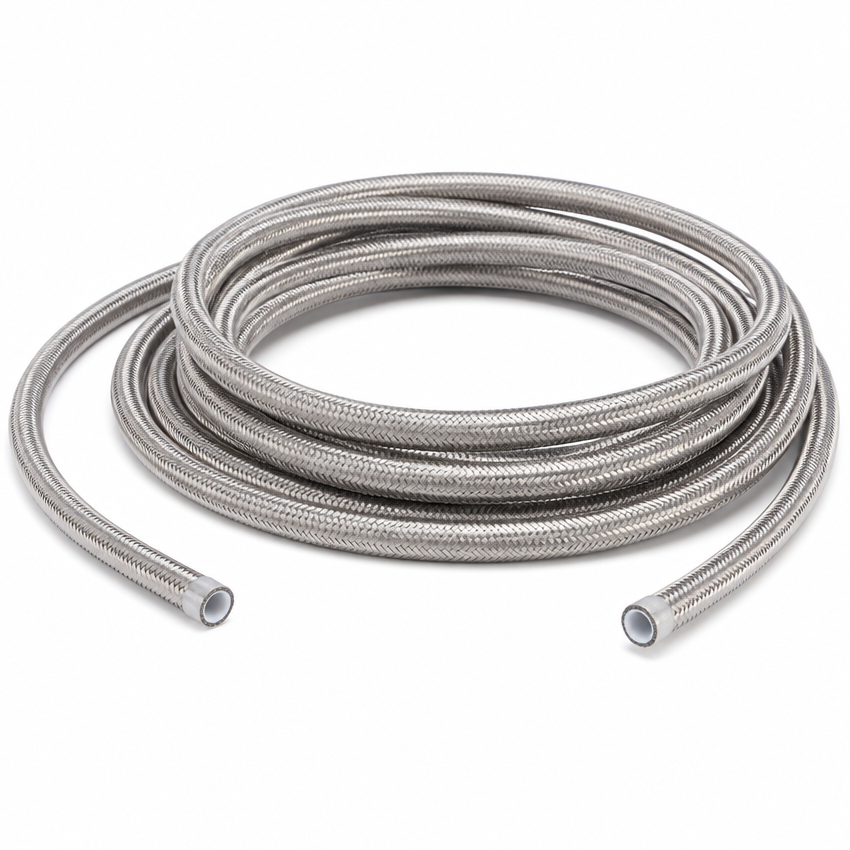
Understanding pressure ratings is critical when selecting the right teflon hose for your industrial application. Pressure ratings determine whether a hose can safely handle the operating conditions in your system, from low-pressure laboratory work to extreme high-pressure hydraulic environments. Each teflon hose comes with specific rated pressures that reflect its construction, wall thickness, reinforcement design, and material composition. Selecting a hose with inadequate pressure rating risks catastrophic failure, while oversizing increases unnecessary cost and complexity.
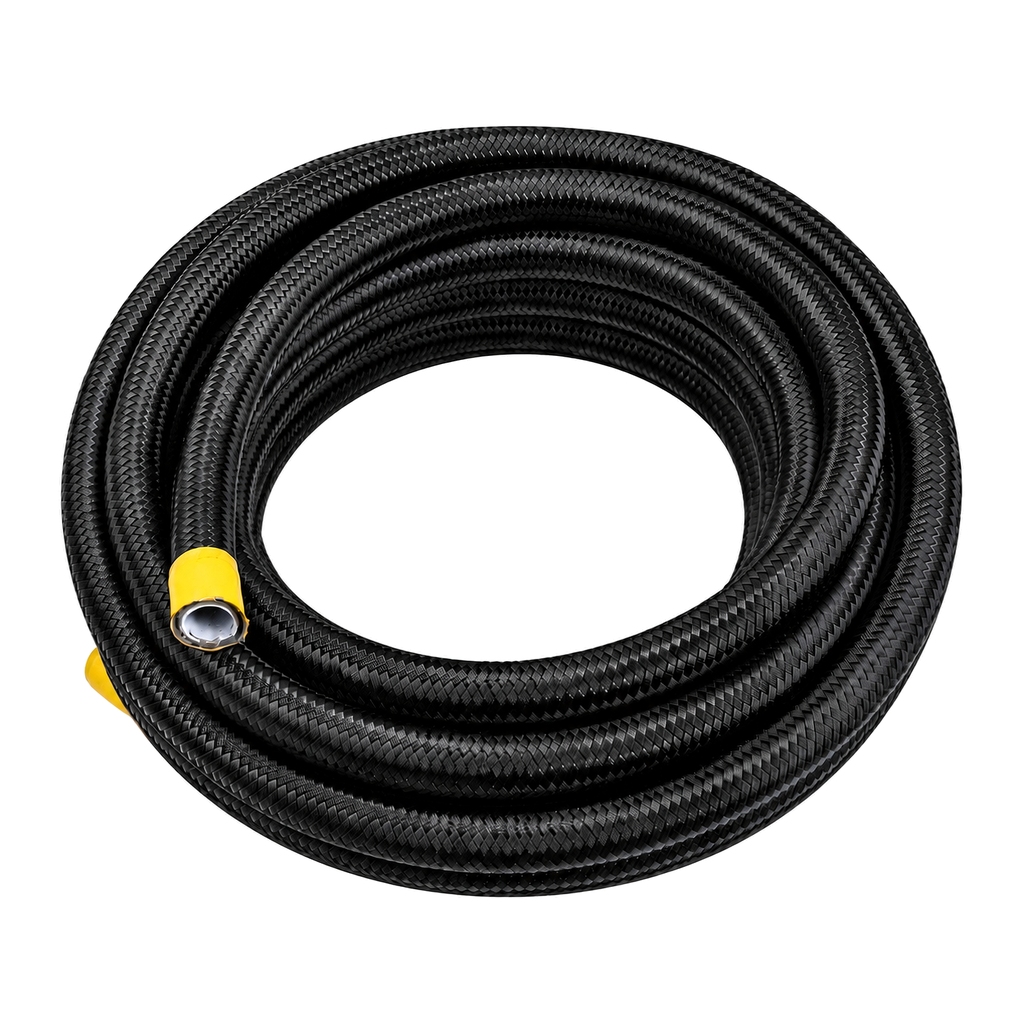
Teflon hoses are engineered from polytetrafluoroethylene (PTFE), a fluoropolymer material renowned for its chemical resistance, temperature stability, and low friction properties. The pressure rating depends on multiple factors including the inner tube diameter, outer reinforcement layers, braiding material, and expected operating temperatures. Engineers must match the hose specifications to system requirements, safety codes, and industry standards to ensure reliable performance and worker safety.
Understanding Pressure Rating Fundamentals
How Pressure Ratings Are Defined
Pressure ratings on PTFE tubing specify the maximum working pressure the hose can sustain continuously without failure. Manufacturers test teflon hose samples under controlled laboratory conditions, applying increasing pressure until burst occurs, then dividing by a safety factor—typically 4 to 1 for industrial applications. The working pressure rating represents a conservative estimate that accounts for material degradation over time, temperature fluctuations, and real-world stress concentrations. Burst pressure ratings, conversely, indicate the actual pressure at which the hose fails, and this figure is always significantly higher than the working pressure rating.
Temperature and Pressure Interaction
Temperature profoundly affects teflon hose pressure capacity. As fluids or ambient conditions heat up, the fluoropolymer material softens slightly, reducing its ability to withstand pressure. Manufacturers provide derated pressure tables that show reduced working pressures at elevated temperatures. For instance, a teflon hose rated at 3000 psi at 70 degrees Fahrenheit may only handle 1500 psi at 250 degrees Fahrenheit. Chemical resistant tubing made from PTFE retains this temperature sensitivity, so system designers must always verify the pressure rating at the expected operating temperature, not just at standard conditions.
Common Teflon Hose Pressure Rating Ranges
Low-Pressure Applications
Low-pressure teflon hoses typically range from 50 to 250 psi and serve laboratory, food processing, and general transfer applications. These fluoropolymer hose products feature simpler construction without heavy reinforcement, keeping costs moderate. Despite their lower rating, they maintain full chemical resistance and temperature stability, making them ideal for corrosive or high-temperature fluids where chemical compatibility matters more than extreme pressure handling. PTFE tubing in this range often uses nylon braiding for light reinforcement or operates without outer reinforcement in suction-line applications.
Medium-Pressure Applications
Medium-pressure teflon hose ratings typically fall between 500 and 2000 psi, covering most industrial hydraulic, pneumatic, and fluid transfer systems. Chemical resistant tubing at this rating incorporates wire or nylon braid reinforcement, often in single or double layers, to handle sustained pressure without permanent deformation. These PTFE tubing products balance cost efficiency with reliable performance, making them the most common choice across manufacturing, automotive, aerospace, and chemical processing industries. Medium-pressure ratings provide adequate safety margins for standard operating conditions while remaining economically feasible for large-scale deployments.
High-Pressure Applications
High-pressure teflon hose ratings exceed 2500 psi and reach 5000 psi, 6000 psi, or even higher in specialized configurations. These fluoropolymer hose assemblies employ multiple braiding layers, advanced weaving patterns, and premium reinforcement materials like stainless steel wire to contain extreme forces. High-pressure PTFE tubing finds use in racing, military equipment, ultra-high-performance hydraulic systems, and deep-sea applications. The reinforced construction significantly increases material and manufacturing costs, but the enhanced durability and safety margins justify the investment in mission-critical or extreme-duty environments.
Selecting the Right Pressure Rating for Your Needs
System Operating Parameters
Determining the correct teflon hose pressure rating begins with calculating the actual system operating pressure, including transient spikes and pressure surges. Document the peak pressure your system generates under normal and abnormal conditions, then select a teflon hose with a working pressure rating at least 4 times the peak system pressure. For example, if your system generates 600 psi including transients, choose a fluoropolymer hose rated for at least 2400 psi minimum. This conservative approach—using a hose with a 4:1 or greater safety factor—accounts for hose degradation, material variance, and unforeseen stress concentrations. Always verify chemical resistant tubing ratings at your actual operating temperature, not just at 70 degrees Fahrenheit.
Fluid Compatibility and Material Selection
PTFE tubing offers unmatched chemical resistance to aggressive fluids, acids, bases, solvents, and specialized compounds that would degrade traditional rubber or synthetic hoses. However, not all fluoropolymer hose constructions perform identically across all fluids. Verify that both the inner PTFE tube and outer reinforcement materials (nylon, polyester, or wire) are compatible with your specific fluid. Some teflon hose applications require specialized inner tubes or braiding materials to maintain pressure ratings when exposed to particular chemicals. Consult material compatibility charts and manufacturer data sheets before finalizing your PTFE tubing selection to avoid performance degradation or unexpected failure.
Environmental and Installation Constraints
Physical installation parameters influence teflon hose pressure performance and selection strategy. Bend radius, routing complexity, vibration exposure, UV radiation, and abrasion risk all impact hose longevity and reliability. Excessive bending reduces the effective wall thickness and internal pressure capacity of a teflon hose, so ensure your installation respects the manufacturer's minimum bend radius specifications. Chemical resistant tubing exposed to flexing fatigue or sharp contact points may fail prematurely even if the nominal pressure rating appears adequate. Similarly, fluoropolymer hose exposed to direct sunlight, ozone, or extreme temperature swings may experience accelerated material degradation, reducing practical service life below theoretical pressure ratings.
FAQ
What is the typical pressure rating for a standard teflon hose in industrial use?
Most industrial teflon hoses operate in the 500 to 2000 psi range, with braided reinforcement providing the structural support needed for medium-pressure applications. PTFE tubing at these ratings balances cost, performance, and safety for standard hydraulic, pneumatic, and fluid transfer systems. Higher or lower ratings are available depending on your specific application requirements and operating conditions.
How does temperature affect teflon hose pressure ratings?
Temperature significantly reduces the working pressure capacity of fluoropolymer hose. As temperature increases, the PTFE material softens, and manufacturers derate the pressure significantly—often to 50 percent of the room-temperature rating at elevated temperatures. Always consult the manufacturer's pressure-temperature deration table for your specific chemical resistant tubing to ensure safe operation across the full range of expected conditions.
Can I use a teflon hose rated for lower pressure in a higher-pressure system?
No, using PTFE tubing or any fluoropolymer hose below its required pressure rating is unsafe and violates industrial standards. Hose failure under excess pressure poses serious safety and environmental risks. Always select a teflon hose with a working pressure rating significantly higher than your actual system peak pressure, maintaining a 4:1 safety factor minimum to account for aging, temperature variation, and operational uncertainties.
 EN