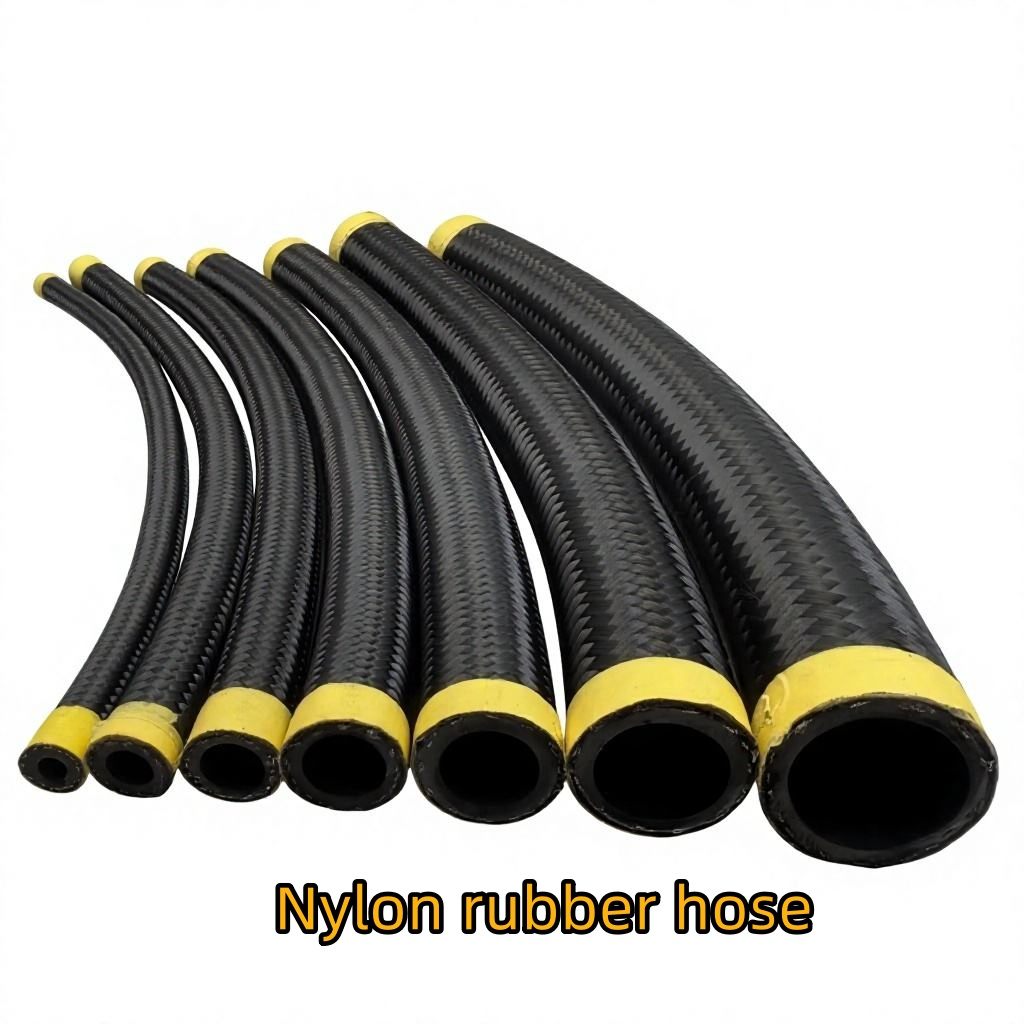
Understanding the correct pressure ratings for your fuel hose is critical to maintaining safe and efficient fuel system operation. Every vehicle, engine, or fuel delivery system relies on properly rated fuel hoses to withstand internal pressure without rupture, leakage, or degradation. The pressure rating of a fuel hose determines how much force the hose can safely contain, and selecting the wrong rating can lead to catastrophic failures, fuel leaks, and safety hazards. Choosing the right fuel hose with appropriate pressure specifications ensures system longevity, regulatory compliance, and operational reliability across automotive, marine, industrial, and agricultural applications.
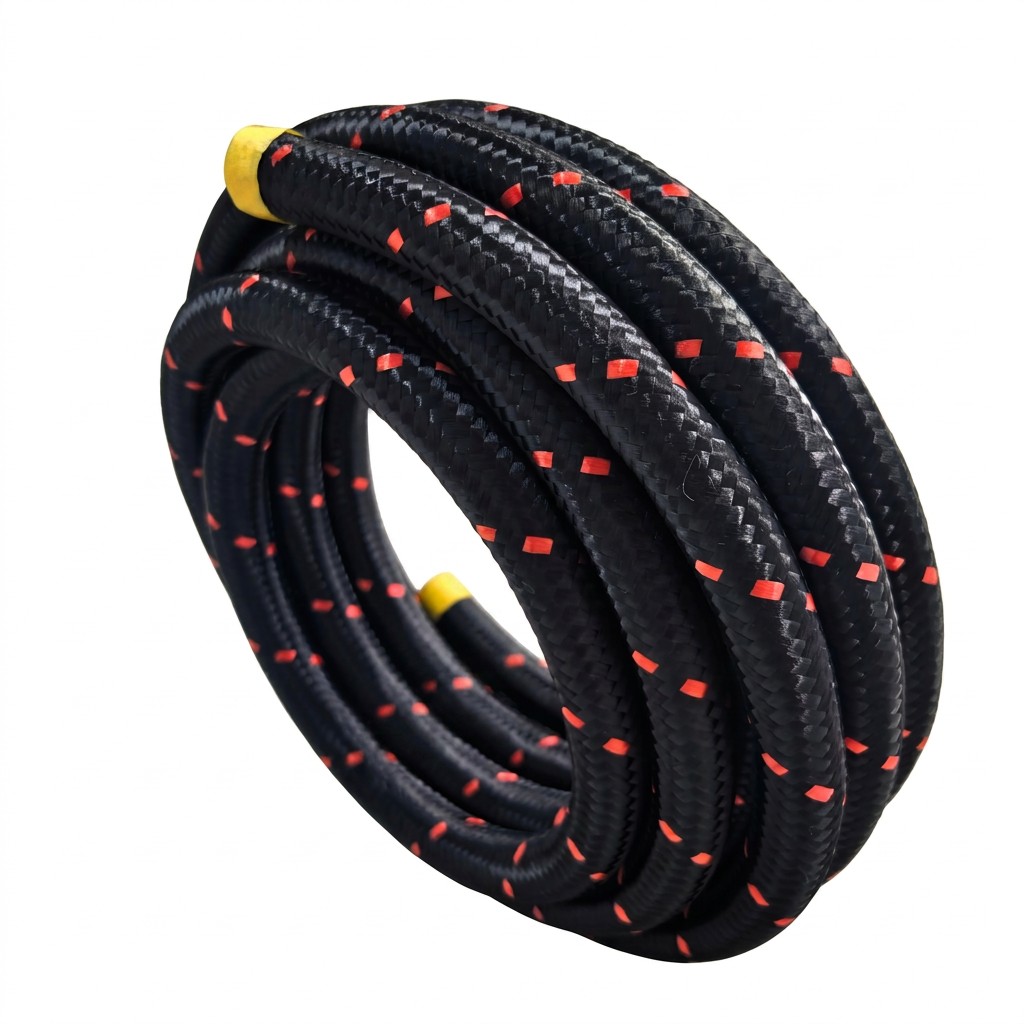
Fuel hose pressure ratings are standardized by organizations such as SAE, ISO, and industry-specific governing bodies to ensure interoperability and safety. These standards define the maximum working pressure each hose type can endure under normal operating conditions, plus safety margins for burst pressure. A diesel fuel hose, for example, must accommodate higher pressures than older carbureted gasoline systems, while modern fuel injection systems demand precision-engineered fuel line assemblies. Understanding these ratings helps you select appropriate hoses for your specific application, avoid system failures, and reduce maintenance costs over the equipment's service life.
Standard Pressure Rating Categories for Fuel Hoses
Common Pressure Ranges and SAE Classifications
Most modern fuel hoses fall into established SAE (Society of Automotive Engineers) classifications that specify working pressure limits. A typical automotive fuel hose operates at working pressures between 30 and 60 PSI, though this can vary based on fuel pump output and system design. Diesel fuel systems often require higher ratings, commonly 100 PSI or more, because diesel fuel injection systems generate greater pressures than gasoline counterparts. The fuel hose you choose must exceed your system's peak operating pressure to maintain a safety factor, typically 1.5 to 2 times the maximum working pressure.
Burst Pressure and Safety Margins
Burst pressure is the maximum pressure at which a fuel hose will catastrophically fail, and it must substantially exceed the working pressure rating. Industry standards mandate that burst pressure be at least four times the working pressure for most fuel line assembly configurations. This safety margin protects against pressure spikes from rapid fuel pump cycles, temperature fluctuations, or system anomalies. When selecting a diesel fuel hose or fuel hose replacement, ensure the burst rating far exceeds any transient pressure conditions your system may experience, providing a reliable safety buffer.
Factors Affecting Fuel Hose Pressure Specifications
Fuel System Type and Pump Characteristics
Different fuel systems generate vastly different pressures, making the fuel line assembly design critical. Carbureted engines typically operate at 3 to 8 PSI, while port fuel injection systems run at 35 to 45 PSI, and direct injection systems can exceed 2000 PSI in some modern vehicles. A diesel fuel hose in an industrial engine or agricultural equipment may require ratings of 100 to 300 PSI depending on the injection system architecture. Your fuel hose must be engineered to match your specific pump output and system design; undersized ratings risk rupture, while oversized ratings add unnecessary cost and bulk.
Material Composition and Temperature Resistance
Fuel hose pressure ratings are directly linked to the elastomer material used in construction. Nitrile rubber fuel hoses offer good pressure tolerance and chemical resistance at moderate temperatures, making them suitable for most standard fuel line assembly applications. Synthetic rubber and specialized compounds can withstand higher temperatures and pressures, important for high-performance diesel fuel hose applications in extreme environments. Temperature fluctuations affect hose elasticity and pressure capacity; a hose rated for 100 PSI at 70 degrees Fahrenheit may perform differently at 140 degrees. Always verify that your fuel hose replacement matches both the pressure requirement and the thermal environment of your system.
Hose Age, Degradation, and Maintenance Impact
Over time, fuel hoses degrade through oxidation, UV exposure, and chemical attack from fuel additives and environmental contaminants. A diesel fuel hose that met pressure specifications when new may lose 10 to 20 percent of its pressure capacity after five to seven years of service. Regular inspection of your fuel line assembly helps identify swelling, cracking, or loss of elasticity before catastrophic failure occurs. Scheduled fuel hose replacement according to manufacturer intervals ensures that your system maintains the certified pressure ratings and operational safety margins throughout the equipment's service life.
Selecting and Installing the Correct Pressure-Rated Fuel Hose
Matching System Requirements to Hose Specifications
Begin by determining your system's peak operating pressure, accounting for fuel pump output, regulator settings, and any anticipated pressure spikes. Reference your equipment manual or fuel system schematic to identify the original fuel hose specifications and pressure requirements. Cross-reference available fuel hose options against SAE and ISO standards to find products rated at least 1.5 times your peak pressure. For a diesel fuel hose in a heavy-duty application, this often means selecting hoses rated well above minimum theoretical requirements to accommodate manufacturing tolerances and real-world variability. Document your fuel hose replacement specifications to ensure future service personnel select the correct pressure-rated components.
Installation Best Practices for Pressure Integrity
Proper installation of your fuel line assembly directly impacts the hose's ability to maintain its rated pressure. Ensure all connections are clean and free of debris before assembling crimped or barbed fittings, as contaminants can cause micro-leaks that escalate under pressure. Use hose clamps appropriate to your fuel hose diameter and material, tightening firmly but not excessively, as over-tightening can damage the hose and compromise pressure integrity. Route the fuel hose away from hot engine surfaces, sharp edges, and moving parts that could abrade or heat the hose prematurely. After installation, perform a pressure test to verify that your diesel fuel hose or other fuel hose replacement holds rated pressure without leakage, confirming correct installation and material compatibility.
FAQ
What happens if I use a fuel hose with too low a pressure rating?
Using an undersized fuel hose with insufficient pressure rating risks rupture, fuel leaks, and potential fire hazards. A hose that cannot withstand your system's peak pressure will eventually fail, potentially stranding equipment or causing dangerous fuel spills. Always select a fuel line assembly rated at least 1.5 times your system's maximum operating pressure to maintain adequate safety margins and prevent catastrophic system failure.
How often should I replace my fuel hose to maintain pressure ratings?
Most manufacturers recommend replacing fuel hoses every five to seven years or according to equipment service schedules, whichever comes first. A diesel fuel hose or any fuel hose replacement should be inspected annually for swelling, cracks, or loss of elasticity, as degradation reduces pressure capacity. Environmental factors, fuel chemistry, and operating temperature accelerate aging; hoses in harsh conditions may require earlier fuel hose replacement to maintain certified pressure specifications.
Can I use a generic fuel hose replacement for any fuel system?
No—every fuel system has unique pressure requirements, and a fuel line assembly must be matched to your specific application. A gasoline fuel hose rated for 60 PSI will fail if installed on a diesel fuel hose application requiring 150 PSI. Always consult your equipment manual or fuel system documentation to identify the correct pressure rating, material specification, and diameter for your fuel hose replacement, ensuring compatibility and safety.
 EN