 EN

what-pressure-ratings-should-hydraulic-crimping-machines-support, what-pressure-ratings-should-hydraulic-crimping-machines-support, /news
EN
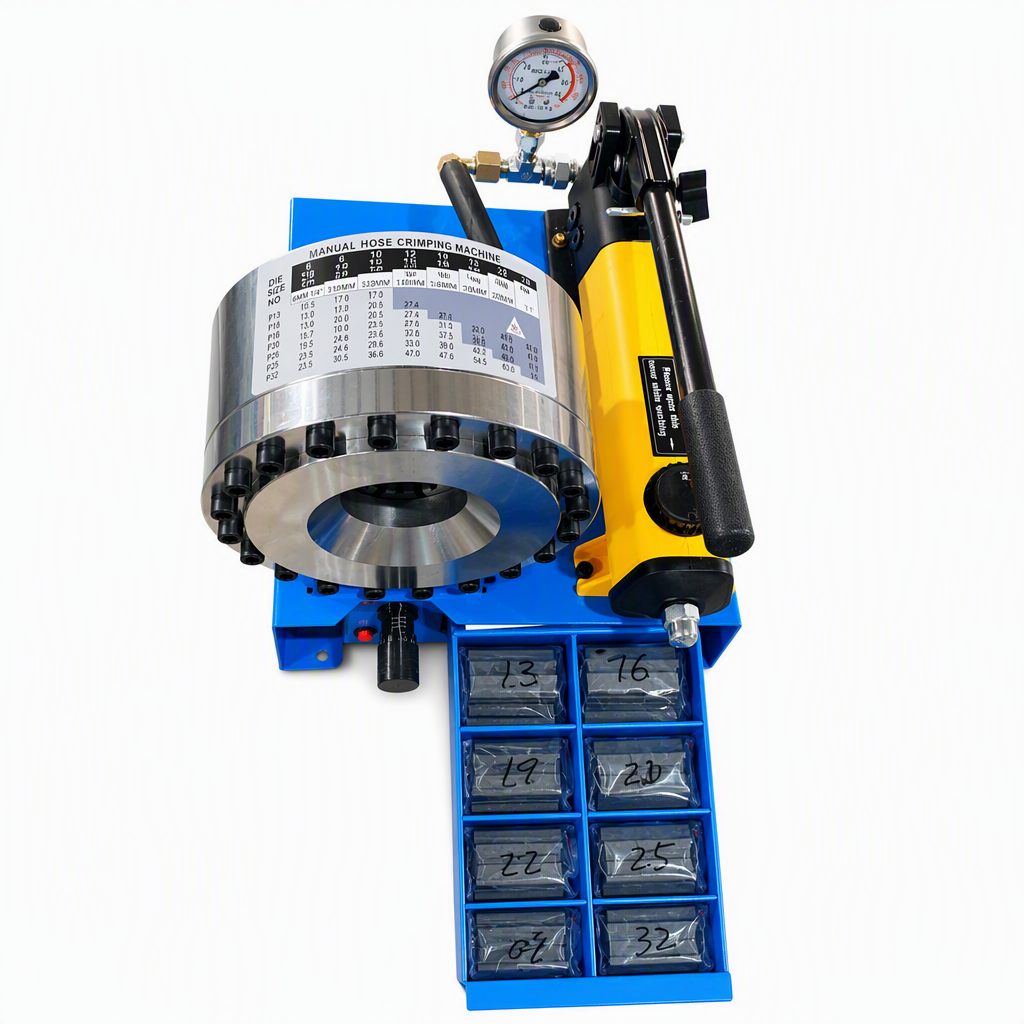
Selecting the right hydraulic crimping machine requires understanding pressure ratings that match your specific application needs. Pressure capacity directly determines the types of hose fittings you can process, the consistency of your crimps, and the safety profile of your operation. In industrial hydraulic systems, getting this specification wrong leads to equipment failure, inconsistent product quality, and potential workplace hazards.
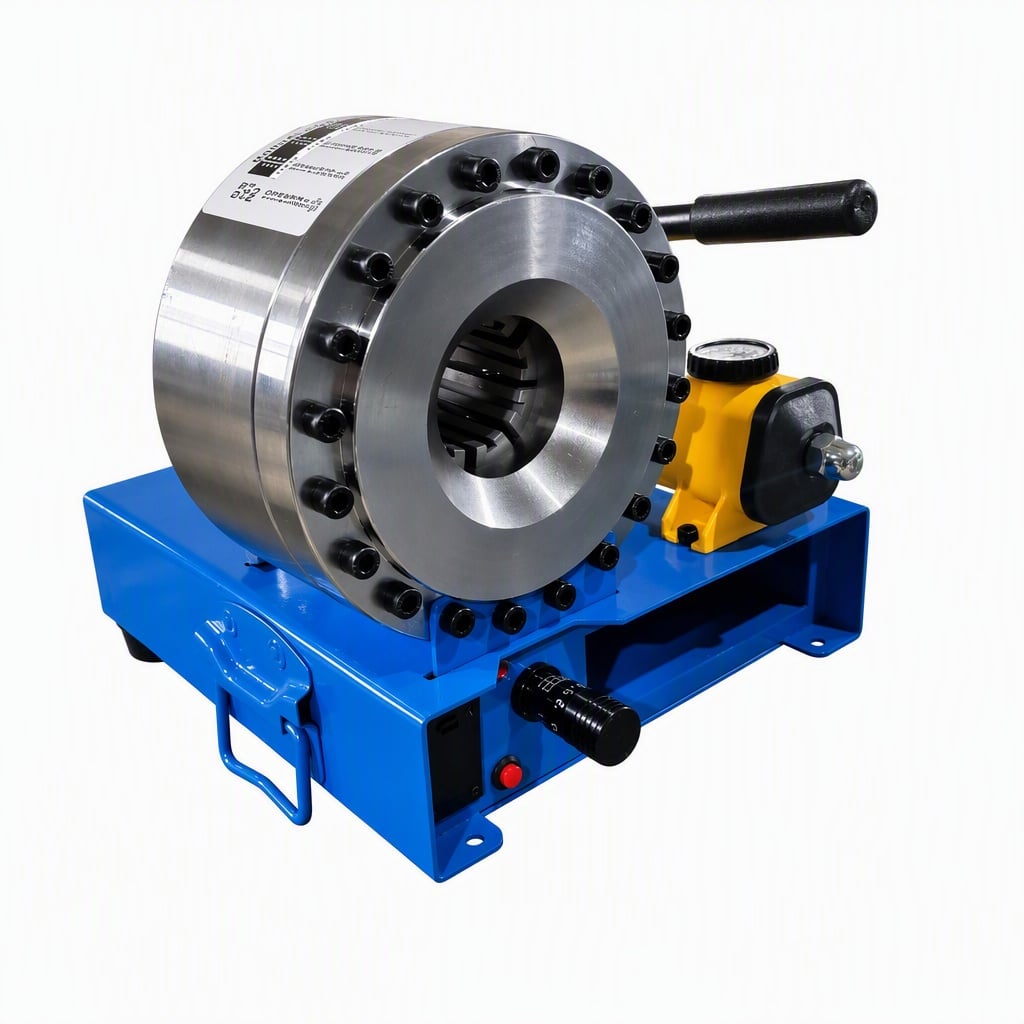
A hydraulic crimping machine operates by generating controlled pressure to compress ferrules and fittings onto hose assemblies. The pressure rating indicates the maximum PSI the machine can safely deliver. Standard industrial hydraulic crimper tools range from 10,000 PSI to 60,000 PSI, with each rating class serving specific crimping press equipment applications and hose specifications.
Hydraulic crimper tool pressure ratings fall into distinct categories based on hose and fitting standards. Low-pressure applications, typically 10,000 to 15,000 PSI, handle automotive air brake systems and low-pressure garden hoses. Medium-pressure ratings between 20,000 and 35,000 PSI cover most industrial fluid transfer, chemical injection, and standard hydraulic hoses. High-pressure applications requiring 40,000 to 60,000 PSI support aerospace tubing, precision instrumentation, and extreme-duty mining equipment. Each hose fitting crimper category demands specific pump capacity, valve precision, and component quality.
Your hose assembly design dictates the minimum pressure your crimping press equipment must provide. Hose fittings carry rated working pressures that represent their safe operating limits under continuous stress. A hose rated for 5,000 PSI working pressure typically requires a crimp machine capable of generating 10,000 to 12,000 PSI to form a reliable, permanent connection. Many hydraulic crimping machine manufacturers reference the hose service pressure when determining suitable equipment models. Using a hydraulic crimper tool with insufficient pressure results in loose fittings that leak or separate under load, while excessive pressure can over-compress fittings and damage hose reinforcement layers.
Every professional hydraulic crimping machine includes integral pressure relief valves that prevent system overpressure. These safety mechanisms protect the crimping press equipment operator, the hose being processed, and the equipment pump from damage. Relief valves typically activate when pressure exceeds the machine's rated capacity by 10 to 15 percent, maintaining consistent force application across all cycles. High-quality hose fitting crimper designs incorporate dual-stage relief systems that provide smooth, controlled pressure modulation rather than sudden release. Regular inspection of relief valve function ensures your equipment maintains consistent crimping quality and continues delivering safe operation.
The pump capacity of your hydraulic crimper tool determines how quickly pressure builds and whether the machine can sustain rated pressure under continuous production. A pump undersized relative to the crimp cycle duration forces operators to wait longer between cycles, reducing productivity. Conversely, oversized pumps generate excess heat and consume unnecessary energy. Professional crimping press equipment matches pump displacement to average production volume and the pressure rating specification. Consistent pressure delivery throughout each crimping cycle ensures uniform ferrule compression, which directly affects hose assembly longevity and leak-resistance in field applications.
Most hydraulic crimping machine manufacturers design equipment to comply with ISO 1402 and SAE standards, which define pressure ratings, hose classifications, and crimping force requirements. These standards establish minimum pressure specifications for different hose sizes and materials. A hose fitting crimper certified to SAE standards guarantees that crimp dimensions fall within tolerance ranges that support both safety and performance. Regulatory compliance also covers relief valve functionality, pressure gauge accuracy, and operator control mechanisms on hydraulic crimper tool platforms. Industries such as aerospace, automotive, and medical device manufacturing require documentation proving your crimping press equipment meets specified standards before production begins.
Reputable hydraulic crimping machine suppliers subject equipment to pressure testing before shipment. Burst testing on sample hose assemblies confirms that crimps withstand pressures exceeding the working rating by 4:1 safety margins. This validation demonstrates that your hydraulic crimper tool generates sufficient and consistent pressure across all crimp locations. Many operations maintain internal pressure testing protocols where every production batch undergoes high-pressure verification. This quality assurance approach catches variations in fitting geometry, hose condition, or equipment calibration that might otherwise compromise hose assembly reliability.
Insufficient pressure creates incomplete ferrule compression, allowing micro-gaps between the fitting and hose reinforcement. Under actual operating stress, these incomplete crimps develop leaks, separation, or sudden failures. A hose fitting crimper must consistently generate rated pressure to form the permanent compression bond that prevents axial pull-out and maintains fluid-tight seals. Operators working with undersized or malfunctioning hydraulic crimping machine equipment often notice higher failure rates during field testing or first use.
The pressure specification appears on the equipment nameplate, user manual, and factory documentation. You can verify actual performance using a calibrated pressure gauge connected to the machine's test port or pressure fitting. Most hydraulic crimper tool systems include built-in pressure gauges on the control panel. Professional technicians perform annual pressure testing to confirm that the machine still meets its original rated output after extended use. If pressure drops below 90 percent of rated specification, servicing the pump or relief valve typically restores proper performance.
Yes, a hydraulic crimper tool rated for high pressure can safely process lower-pressure hoses by simply applying appropriate force. However, using a low-pressure crimping press equipment for high-pressure hoses creates the risk of incomplete crimps. Many manufacturing facilities maintain multiple machine sizes to optimize crimp quality and cycle time for specific production ranges. A dual-station or adjustable-pressure hydraulic crimping machine provides flexibility for shops processing diverse hose specifications without requiring separate equipment investments.
