 EN

what-pressure-ratings-should-your-high-pressure-hose-support, what-pressure-ratings-should-your-high-pressure-hose-support, /news
EN
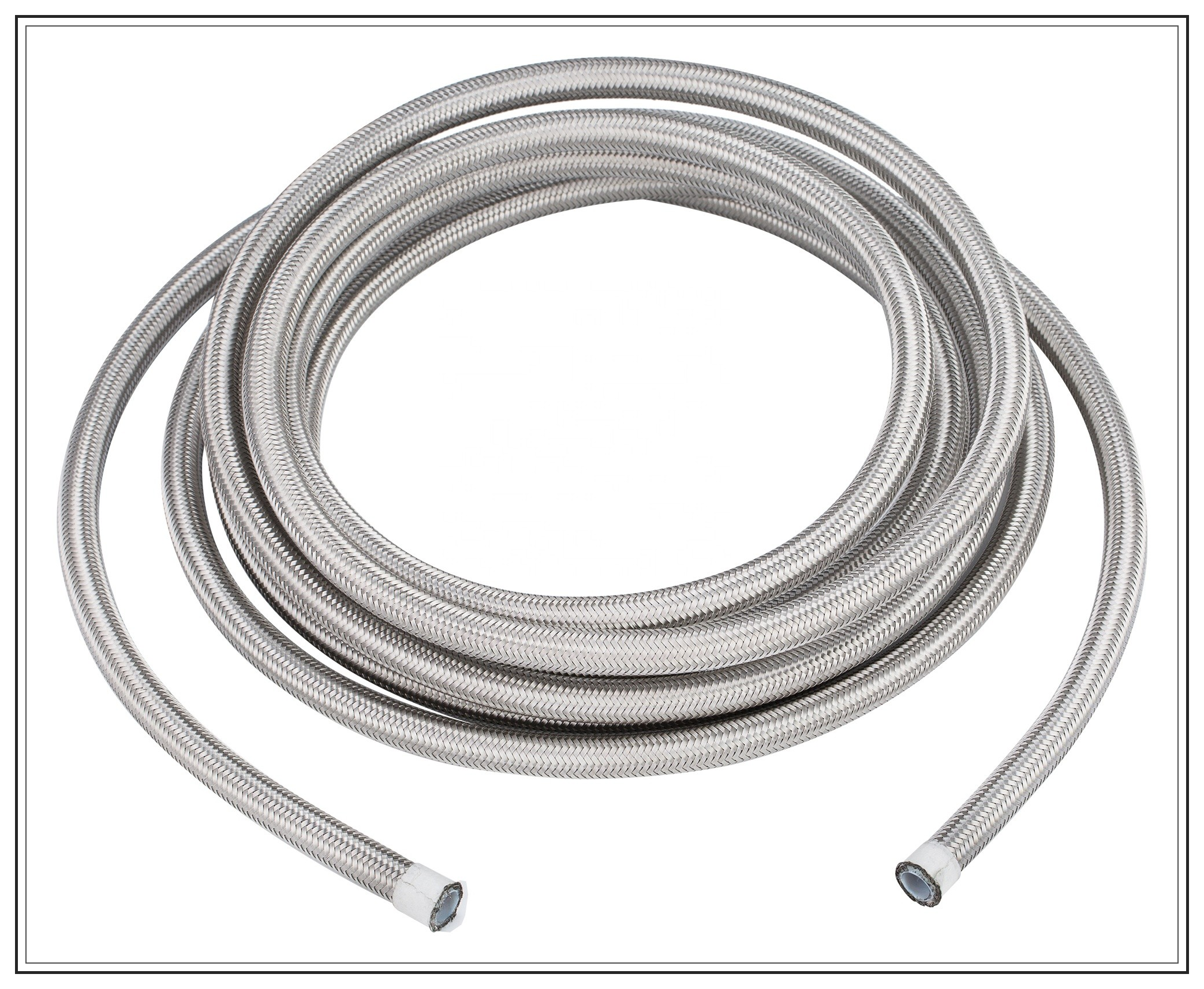
Selecting the correct pressure rating for your high pressure hose is one of the most critical decisions in fluid power systems, hydraulic installations, and industrial manufacturing. Pressure ratings determine whether a hose will safely contain fluid under stress or catastrophically fail, potentially causing equipment damage, environmental contamination, or worker injury. Understanding what pressure ratings your high pressure hose should support begins with recognizing that pressure ratings are not arbitrary specifications but calculated safety margins based on material strength, wall thickness, and intended application.
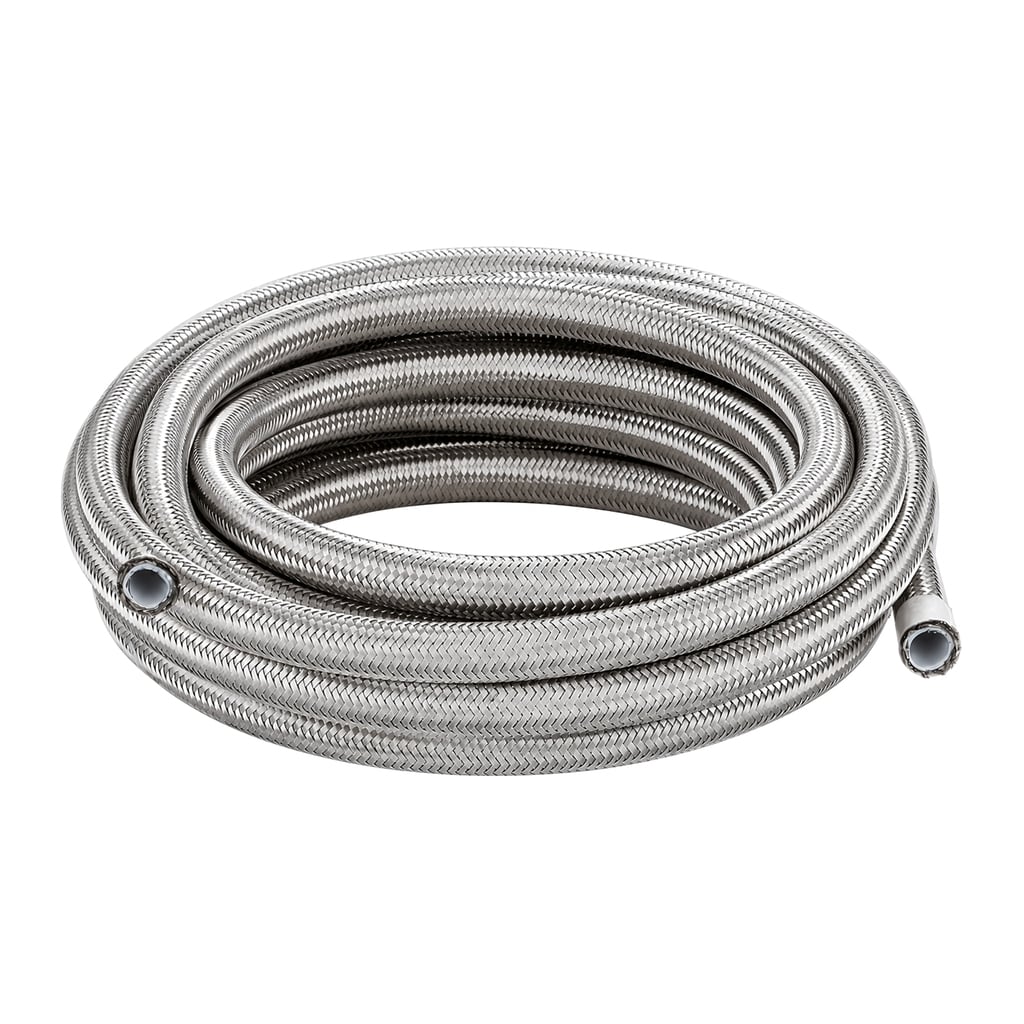
The pressure rating of any high pressure hose reflects its ability to handle sustained operating pressure plus a safety factor that protects against temporary spikes, vibration, and material degradation over time. Industrial standards, including SAE, ISO, and EN regulations, establish minimum safety requirements that manufacturers must meet. Choosing a high pressure hose that exceeds your system's maximum anticipated pressure ensures reliability and longevity while reducing downtime and maintenance costs.
A pressure rating on a high pressure hose specifications label represents the maximum continuous pressure that hose can safely withstand under ideal conditions. This rating accounts for the hose's inner diameter, wall thickness, reinforcement layers, and material composition. For example, a hose rated at 6000 PSI should never be operated above that threshold during normal service. However, real-world conditions introduce variables such as temperature fluctuations, fluid type incompatibility, and dynamic stress that can reduce effective pressure tolerance. High pressure hose materials like PTFE, rubber, and thermoplastic each exhibit different pressure-handling characteristics depending on environmental exposure.
Industrial standards require that high pressure hose pressure ratings include a safety factor typically ranging from 4:1 to 8:1. This means if a hose is rated at 4000 PSI, the burst pressure may be 16,000 to 32,000 PSI, providing substantial protection against unforeseen pressure spikes. The safety factor accounts for degradation caused by UV exposure, ozone, temperature extremes, and mechanical fatigue. A properly specified high pressure hose materials selection combined with appropriate pressure rating ensures that temporary pressure surges from pump start-up or shock events do not compromise system integrity. Understanding this safety margin helps industrial users avoid over-specifying hoses, which wastes capital, or under-specifying them, which creates unacceptable risk.
Determining the correct pressure rating requires analyzing your system's maximum operating pressure, peak transient pressures, and future expansion scenarios. A hydraulic system operating at 2500 PSI should use a high pressure hose rated for at least 3000 to 3500 PSI under conservative engineering practice. High pressure hose applications in construction equipment, injection molding, and aerospace manufacturing often demand 3000 to 10,000 PSI ratings due to the energy intensity of these operations. When specifying a high pressure hose, engineers must also consider hose diameter, as smaller diameter hoses can typically support higher pressure ratings than larger diameter hoses made from the same material and reinforcement configuration.
Temperature significantly affects pressure rating because high pressure hose materials lose strength at elevated temperatures. A rubber hose rated at 5000 PSI at 70 degrees Fahrenheit may only handle 3500 PSI at 150 degrees Fahrenheit. High pressure hose materials like PTFE (polytetrafluoroethylene) maintain pressure capacity across wider temperature ranges, making them ideal for demanding industrial environments. Conversely, thermoplastic hoses offer excellent flexibility and lighter weight but require careful temperature monitoring in high-heat applications. The high pressure hose specifications sheet should always include a pressure derating curve showing how operating pressure limits change with temperature. Selecting high pressure hose applications that match your fluid temperature profile prevents premature failure and extends service life significantly.
Different industries demand vastly different pressure ratings based on their operational requirements. High pressure hose applications in hydraulic power transmission typically range from 1400 to 3500 PSI for general industrial machinery. Agricultural equipment, forestry machinery, and mobile construction vehicles commonly use hoses rated between 2000 and 5000 PSI. In contrast, ultra-high-pressure applications such as waterjet cutting, die casting, and plasma cutting equipment may require hoses rated from 6000 to 15,000 PSI or higher. Aerospace and military high pressure hose applications frequently demand ratings exceeding 10,000 PSI due to the compact, weight-optimized nature of these systems. Understanding your specific industry's pressure demands prevents selecting undersized hoses that create liability and equipment damage risks.
While pressure rating is fundamental, high pressure hose specifications must also address burst strength, flexibility, kink resistance, and fluid compatibility. A hose with adequate pressure rating but poor chemical resistance to your working fluid will fail prematurely regardless of pressure safety margins. High pressure hose materials selection should prioritize not just pressure capacity but also compatibility with hydraulic oils, water glycol fluids, polyol esters, and synthetic fluids used in your system. Reinforcement style—whether wire-spiral, wire-braid, or textile-braid—affects both pressure rating and hose flexibility. For high pressure hose applications requiring frequent movement or tight routing, engineers often select materials and constructions that balance pressure capability with superior bendability and vibration resistance.
Start by identifying your system's maximum operating pressure, then add 20 to 30 percent as a safety buffer. Consult your equipment manufacturer's documentation and pressure transducer data to confirm peak pressures. High pressure hose specifications should reflect this margin. For systems with significant pressure spikes from valve shock or load changes, increase the safety margin to 40 to 50 percent above maximum operating pressure.
Yes, high pressure hose materials degrade from exposure to UV light, ozone, temperature cycling, and fluid contamination. A hose rated at 5000 PSI when new may only safely handle 3500 to 4000 PSI after five years in harsh outdoor conditions. High pressure hose applications in outdoor or high-temperature environments should be inspected every 12 to 24 months, with pressure-rating verification through visual inspection and pressure testing when possible.
High pressure hose materials like PTFE (Teflon) in stainless steel braid constructions achieve the highest pressure ratings, often 6000 to 20,000 PSI depending on hose size and reinforcement configuration. Thermoplastic hoses with wire-spiral reinforcement also achieve very high ratings up to 10,000 PSI. High pressure hose materials selection should balance your pressure requirements with temperature tolerance, flexibility needs, and chemical compatibility demands specific to your application.
