An AN fitting represents one of the most reliable sealing solutions in industrial hydraulic and fluid transmission systems. These fittings achieve their seal integrity through carefully engineered cone and thread geometry, combined with precise material selection and installation practices. Understanding the sealing methods used in AN fittings is essential for engineers, technicians, and procurement professionals who need to maintain system reliability and prevent costly leaks in high-pressure applications.
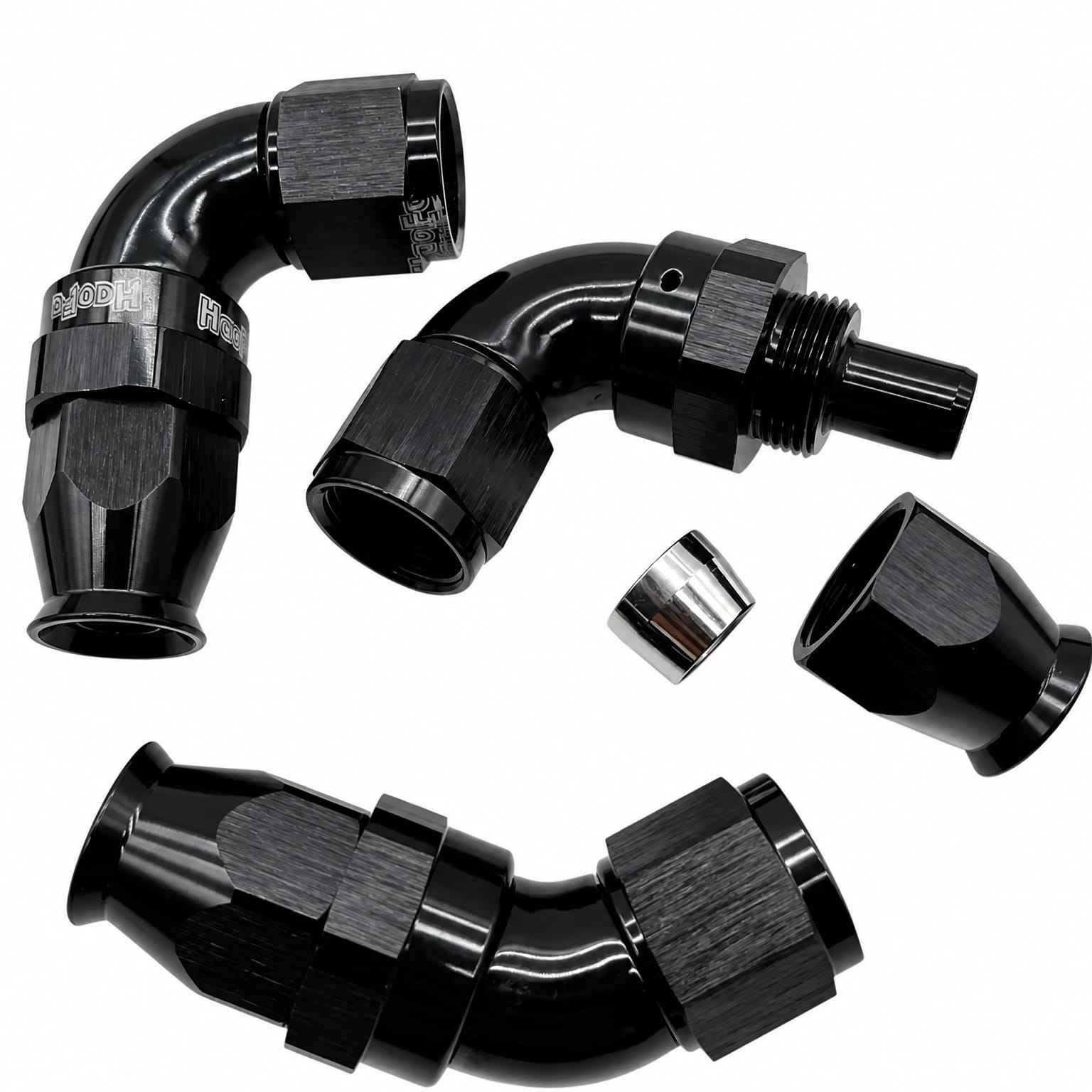
The sealing effectiveness of AN fittings depends on multiple factors working in concert. The AN connector design incorporates a 37-degree flare angle, which creates a metal-to-metal contact surface that forms the primary seal. When properly installed, this geometric precision eliminates the need for separate sealing tape or liquid thread sealants, making AN fittings particularly attractive for demanding applications where system cleanliness and maintenance simplicity are critical concerns.
Cone and Flare Sealing Mechanism
Understanding the 37-Degree Flare Design
The foundation of AN fitting sealing rests on the 37-degree JIC flare standard, which has become the industrial benchmark for fluid system connections. This specific angle creates a controlled contact pattern between the male flare and female seat inside the AN connector body. The precision angle ensures that as the fitting is tightened, the flare cone gradually compresses against the conical seat, generating increasingly tight metal-to-metal contact that seals without relying on deformation or plastic flow.
When an AN thread adapter connects hose or tube to system components, the flare creates a wedge-like interface that naturally increases sealing pressure as torque is applied. This self-tightening characteristic means the seal actually improves with slight vibration and thermal cycling, a property that makes AN connectors exceptionally durable in mobile and vibration-prone equipment. The male cone material must maintain hardness and surface finish consistency to prevent galling or scoring, which would compromise the seal integrity over repeated connection cycles.
Material Selection and Surface Finish Requirements
The AN quick disconnect coupling operates on the same flare principle, but material quality becomes even more critical in applications involving extreme pressure or temperature swings. Aluminum alloys, stainless steel, and brass are common choices for AN fitting bodies, each selected based on the specific fluid compatibility and corrosion environment. A mirror-polished or precisely finished flare surface is essential because microscopic scratches or contamination can create leak paths that allow pressure to bypass the seal.
Surface preparation before assembly directly influences the reliability of any AN connector used in the system. Even small particles of contamination trapped between the flare and seat can prevent full contact, resulting in weeping leaks under pressure. Many industrial applications require fittings to be cleaned with appropriate solvents and dried completely before assembly to maintain the integrity of the metal-to-metal seal.
Thread Sealing and Engagement Integrity
Role of AN Thread Adapter Compression and Torque
While the flare cone creates the primary seal in an AN fitting, the threaded portion of the fitting body must also be engaged properly to clamp the flare securely in place. The AN thread adapter uses a hex-shaped body that can be gripped with a wrench to apply controlled torque, typically ranging from 10 to 25 foot-pounds depending on fitting size and material. This torque must be calibrated carefully because under-tightening leaves the flare loose and allows leaking, while over-tightening can deform the flare cone or strip the threads in softer metals.
The clamping force created by proper torque application compresses the flare cone against its seat with sufficient pressure to create a virtually leak-free bond. Unlike simple pipe thread fittings that rely on sealant tape to fill microscopic gaps, the AN connector achieves its seal through geometric precision and controlled mechanical force. This design philosophy eliminates variables introduced by thread sealant quality and installation technique, making sealing outcomes more predictable and repeatable across different environments and operator skill levels.
Vibration Resistance and Thermal Cycling
An AN quick disconnect coupling must maintain its seal through vibration and thermal expansion cycles that could cause other fitting types to loosen. The flare angle geometry creates a self-locking effect where vibration actually tightens the connection rather than loosening it, a critical advantage in mobile equipment and dynamic systems. Thermal cycling introduces stresses that would cause ordinary threaded connections to weep, but the consistent contact pressure from the AN fitting design resists temperature-induced seal degradation.
Industrial hydraulic systems operating in variable temperature environments benefit significantly from this thermal stability. As fluid temperature rises and falls, the flare and seat materials expand and contract, but the geometric wedge relationship ensures continued contact pressure. This characteristic makes AN fittings particularly suitable for aerospace, automotive, and heavy equipment applications where temperature swings and vibration are constant operational realities.
Preventing Leaks Through Proper Installation
Critical Installation Practices for AN Connector Reliability
The most advanced AN fitting design can still fail if installation procedures are not followed precisely. The flare nut must turn freely over the male threads before reaching the seat, confirming that threads are not crossed or damaged before assembly begins. Many technicians use a small amount of clean hydraulic fluid to lubricate the flare and threads during assembly, which reduces galling and helps achieve the correct final torque specification without damaging component surfaces.
Reusing AN thread adapter connections requires careful inspection of both the male flare and female seat for surface damage or contamination. A flare that has been compressed multiple times may develop micro-cracking or deformation that compromises its sealing ability in subsequent installations. Industry best practices often recommend replacing fittings after disconnection to ensure seal reliability, particularly in critical systems where even minor leaks could have serious consequences or environmental implications.
Troubleshooting Leaks in AN Connector Systems
When an AN fitting begins to weep or leak, the cause typically traces back to one of several correctable issues. Foreign particles trapped between the flare and seat represent the most common leak source, resolved through careful disassembly, cleaning, and reassembly using proper technique. Surface damage to either the male cone or female seat requires replacement of the affected component, as polishing or re-machining cannot restore the precise geometry necessary for reliable sealing.
The AN quick disconnect coupling may also leak if the threads have been over-torqued in previous installations, causing thread stripping or deformation of the flare cone. Identifying this condition requires removing the fitting and visually inspecting the threads and flare for permanent deformation. System pressure testing should always verify that corrective measures have restored proper sealing before returning equipment to service, ensuring that costly failures do not occur downstream.
FAQ
Why do AN fittings provide superior sealing compared to standard pipe threads?
AN fittings achieve superior sealing because they rely on precise metal-to-metal cone contact rather than sealant materials to create the seal. The 37-degree flare angle creates a controlled geometry that ensures consistent contact pressure, and the wedge design actually improves sealing through vibration and thermal cycling. Standard pipe threads depend on sealant tape or liquid compounds that can degrade, dry out, or wash away, whereas AN connector seals remain effective indefinitely if properly installed.
Can AN thread adapters be safely reused after disconnection?
While AN fittings can technically be reused, industry best practices recommend replacement after disconnection in critical applications. The flare and seat surfaces may sustain microscopic damage during compression and decompression cycles, potentially compromising seal integrity in subsequent uses. If reusing AN quick disconnect coupling components, inspect both surfaces under magnification for scratches, scoring, or deformation before reassembly to ensure continued reliability.
What torque specifications should be used when installing AN fittings?
Torque specifications for AN connector installations vary by fitting size and material, typically ranging from 10 to 25 foot-pounds for common sizes. Always consult the specific equipment manufacturer or AN fitting documentation for exact torque values, as improper torque is a leading cause of leaks or thread damage. Using a calibrated wrench or torque wrench ensures that the flare cone receives proper clamping force without over-tightening, maintaining the seal integrity and extending the connection life.
 EN