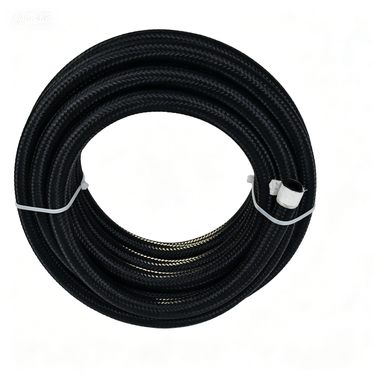
Selecting the correct size for a teflon hose is critical to system performance, safety, and longevity. Whether you operate hydraulic systems, chemical transfer lines, or high-temperature applications, the wrong hose diameter or pressure rating can lead to leaks, reduced efficiency, equipment damage, or safety hazards. Understanding the sizing fundamentals helps you match the exact PTFE tubing specifications your system demands and avoid costly installation errors.
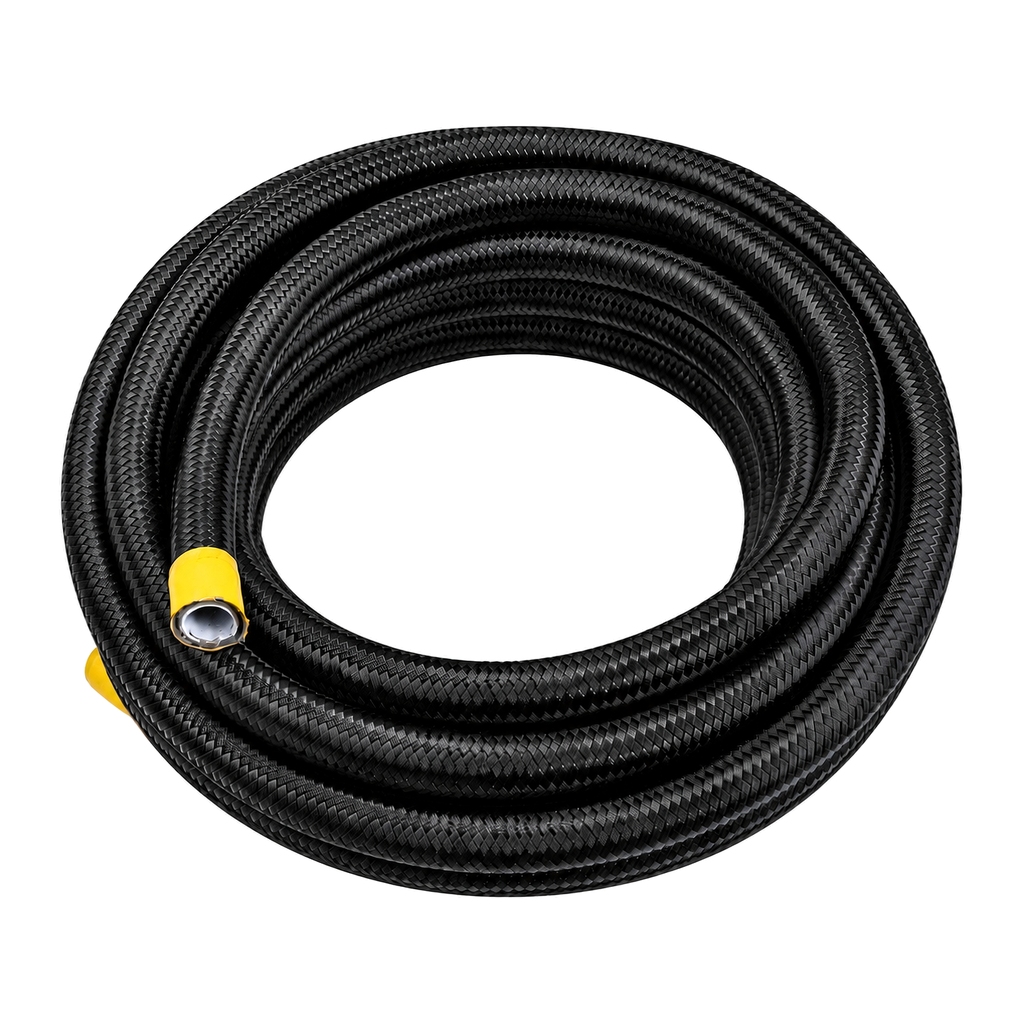
This guide walks you through the decision process, from measuring your existing connections to understanding pressure ratings and material compatibility. PTFE tubing offers exceptional resistance to chemicals and temperature extremes, making it a preferred choice across aerospace, pharmaceutical, and industrial manufacturing. However, choosing the right size requires more than simply estimating diameter—you must verify working pressure, flow rate requirements, and connection compatibility to ensure a proper fit.
Understanding Teflon Hose Sizing Fundamentals
Inner Diameter and Outer Diameter Specifications
Every teflon hose is measured by two critical dimensions: inner diameter (ID) and outer diameter (OD). The inner diameter determines flow rate capacity and pressure handling, while outer diameter affects how the hose integrates with couplings, adapters, and your system's connection points. Standard sizes range from 1/8 inch ID to 1 inch or larger, though custom PTFE tubing dimensions are available for specialized applications.
When specifying a fluoropolymer hose, always verify both dimensions because two hoses with the same ID may have different OD values depending on wall thickness. Thicker walls support higher pressure ratings, which means a chemical resistant tubing option rated for 3000 PSI will have a thicker wall than a lower-pressure variant. Confirming both measurements prevents incompatibility with your existing fittings.
Connection Types and Port Sizes
Your system uses either SAE ports, NPT threads, or push-fit connections, each requiring different hose sizes to maintain a secure seal. SAE ports are numbered by dash sizes—a -6 SAE port requires a 3/8-inch ID hose, while a -10 SAE port requires a 5/8-inch hose. If your system uses NPT thread ports, the nominal pipe size often differs from the actual inner diameter, creating confusion during sizing.
Push-fit connections used in laboratory and medical settings demand precision because the fluoropolymer hose must slide snugly onto the tubing connector without gaps or excess friction. Mismatched sizes with push-fit systems cause either unreliable connections prone to slipping or damaged tubing that compromises seal integrity. Always consult your system documentation or port labels to confirm the exact specification before purchasing PTFE tubing.
Measuring Your System for Proper Fit
Techniques for Accurate Diameter Measurement
The most reliable method involves disconnecting an existing hose segment, if available, and measuring its inner diameter directly using calipers or a ruler. Place the hose flat and measure the interior opening at the widest point. For the outer diameter, measure the external wall thickness using the same tools. If disconnecting a hose is not feasible, measure the port opening itself, understanding that the actual hose ID will be slightly smaller to create a secure connection.
Another approach examines your system's connection hardware. Adapter fittings and couplings are often stamped with dash sizes or port specifications that directly correspond to teflon hose dimensions. Cross-referencing these markings against the supplier's sizing charts eliminates guesswork and ensures your chemical resistant tubing order matches your requirements exactly. Many industrial suppliers offer free sizing assistance if you provide photos of your existing ports or connection points.
Pressure Rating and Flow Rate Alignment
After confirming diameter, verify that your PTFE tubing pressure rating exceeds your system's maximum operating pressure by at least 25 percent as a safety margin. A system rated for 1500 PSI should use hose rated for at least 1875 PSI. Under-rated fluoropolymer hose fails under stress, while over-sized hose adds unnecessary cost without additional benefit. Most suppliers label their pressure ratings clearly for different wall thicknesses and material compositions.
Flow rate calculations depend on hose inner diameter and system pump capacity. Larger ID hoses reduce backpressure and heat buildup, improving efficiency, but cost more and occupy more space. Undersized teflon hose creates excessive pressure drop, overheating the fluid and stressing the pump. Use your system's volumetric flow rate specification (measured in gallons per minute or liters per minute) to confirm that your chosen hose size maintains velocity within recommended ranges, typically 3 to 5 feet per second for most applications.
Matching Hose Size to Application Requirements
Temperature and Chemical Compatibility Considerations
PTFE tubing excels in extreme environments where standard rubber hoses fail. Chemical resistant tubing withstands aggressive fluids including fuels, solvents, acids, and bases that would degrade conventional materials. However, not all fluoropolymer hose grades offer identical temperature ranges. Standard PTFE handles temperatures from minus 200 to plus 260 degrees Celsius, while reinforced variants with nylon or stainless braiding maintain pressure integrity at temperature extremes without hose expansion or contraction issues.
Before selecting a teflon hose size, confirm that your chosen material grade is compatible with the fluid it will transport. Check with your hose supplier for chemical compatibility matrices that list compatible fluids. Braided fluoropolymer hose versions offer higher pressure ratings in smaller diameters compared to unbraided alternatives, making them ideal for compact high-pressure applications in aerospace and hydraulic systems where space and weight matter.
Application-Specific Sizing Strategies
Aerospace and racing applications typically demand lighter-weight teflon hose with aggressive pressure ratings, leading engineers toward nylon or stainless braided PTFE tubing. These reinforced variants tolerate vibration and mechanical stress while maintaining small diameters. Pharmaceutical and food-processing environments require smooth-bore, low-extractable PTFE tubing that meets specific regulatory standards, often restricting size selection to pre-approved specifications.
Laboratory and analytical equipment benefits from push-fit connections using precisely sized fluoropolymer hose that eliminates leaks and simplifies reconfiguration. Industrial chemical transfer lines need chemical resistant tubing capable of handling large flow volumes, which typically means larger ID hoses paired with thicker walls for durability. Understanding your industry's typical practices and regulatory requirements narrows sizing options quickly and ensures compatibility with standard system components.
FAQ
How do I convert SAE port sizes to teflon hose inner diameter?
SAE dash sizes correspond directly to inner diameter eighths of an inch. A dash-4 port requires 4/8 or 1/2-inch ID hose, a dash-6 requires 6/8 or 3/8-inch ID, and a dash-8 requires 8/8 or 1-inch ID PTFE tubing. Consult your system documentation or the connection fitting markings to identify the dash size, then apply this formula. When ordering fluoropolymer hose, always confirm both the ID and outer diameter to match your specific adapters and couplings.
What pressure rating should my chemical resistant tubing have?
Your teflon hose pressure rating must exceed your system's maximum operating pressure by at least 25 percent as a safety buffer. If your system reaches 1200 PSI under peak load, select tubing rated for 1500 PSI or higher. This margin accounts for pressure surges, temperature fluctuations, and wear over time. Braided PTFE tubing offers higher pressure ratings in the same size compared to non-reinforced variants, enabling compact installations without compromising safety or reliability.
Can I estimate teflon hose size visually or by feel?
Estimating by appearance alone risks ordering incorrect sizes that do not fit your connections or meet pressure requirements. Always measure existing hose with calipers, reference port markings on your system, or consult supplier sizing charts. If you cannot disconnect the existing line, take a clear photograph of the connection point and port label, then send it to your chemical resistant tubing supplier for expert sizing assistance. Accurate measurement takes five minutes and prevents expensive installation errors.
 EN