Understanding the temperature limits of coolant hoses is critical for maintaining a reliable engine cooling system and preventing catastrophic failures in industrial and automotive applications. Coolant hoses circulate hot fluid through your engine block, radiator, and heater core, making temperature tolerance one of the most important performance characteristics to evaluate. Most modern coolant hoses are engineered to withstand temperatures ranging from minus 40 degrees Celsius to plus 120 degrees Celsius during normal operating conditions, though premium reinforced hoses can handle even higher extremes. Knowing these thermal boundaries helps you select the right hoses for your specific application and avoid premature degradation, leaks, or system failures.
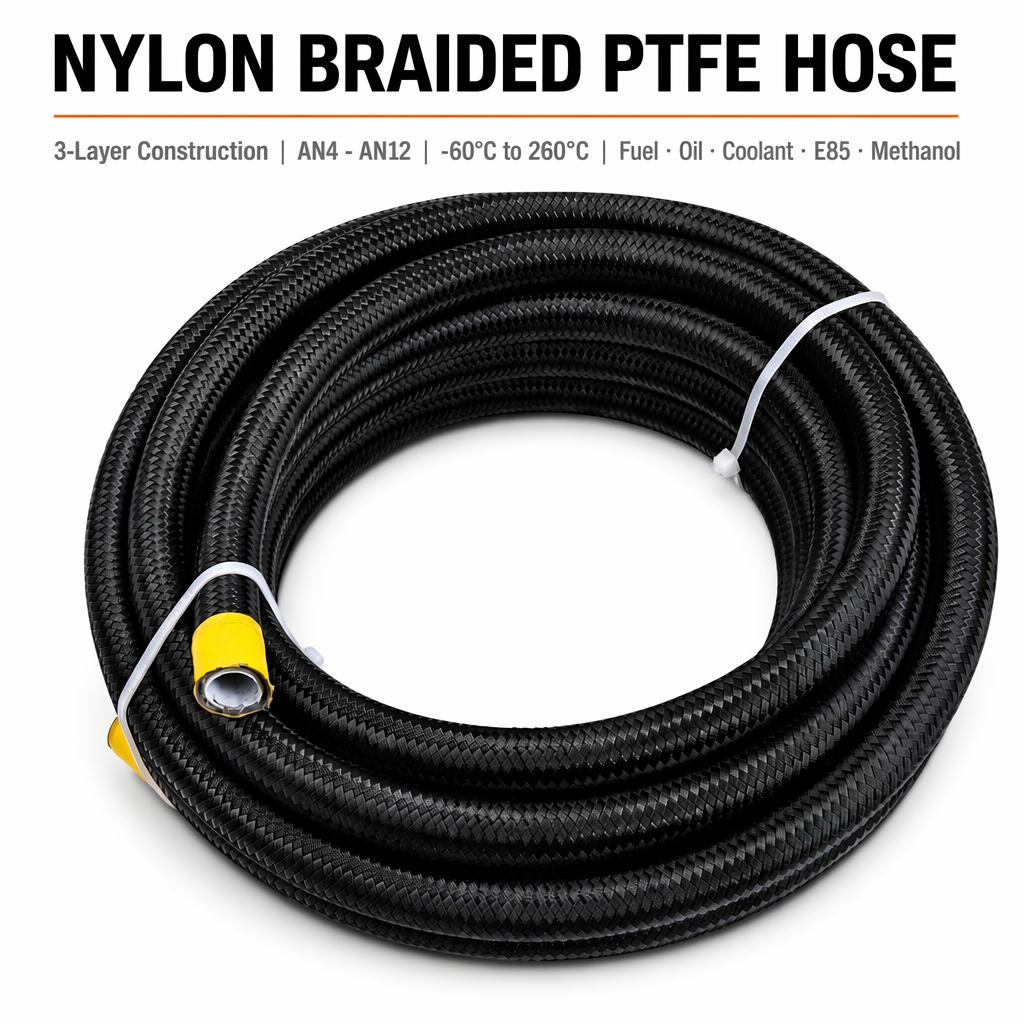
The engine cooling system depends on consistent fluid flow and material integrity across a wide temperature range. When coolant circulates through the engine block during operation, it absorbs tremendous heat and can reach temperatures exceeding 100 degrees Celsius before moving through the radiator where it cools. If your coolant hoses cannot withstand these thermal stresses, they risk rupturing, softening, or losing structural integrity, which can lead to antifreeze leaks, overheating, and engine damage. Selecting appropriate coolant hoses rated for your vehicle or equipment's maximum operating temperature is therefore essential for safety, performance, and long-term reliability.
Standard Temperature Ratings for Coolant Hoses
Typical Operating Temperature Range
Most automotive and industrial coolant hoses are designed to operate safely between minus 40 and 120 degrees Celsius, which covers the vast majority of conventional applications. This temperature window reflects the coldest ambient conditions a vehicle might encounter during winter storage or operation, as well as the peak heating conditions inside an engine compartment during extended driving or heavy load operation. Within this range, the rubber compounds, synthetic elastomers, and reinforcement materials used in radiator hose replacement products maintain their structural properties and seal effectiveness. However, some applications in extreme climates or specialized industrial settings require hoses rated for even lower or higher temperatures, making it essential to verify specifications before installation.
High-Temperature Performance Materials
Premium coolant hoses engineered for demanding applications can tolerate temperatures up to 140 or even 160 degrees Celsius when made from advanced fluoroelastomer or silicone rubber compounds. These high-performance materials are often used in racing, heavy equipment, and industrial antifreeze hose maintenance scenarios where conventional rubber would fail. Reinforcement layers including aramid fiber, stainless steel braiding, or spiral wrapping provide additional structural support that allows the hose to withstand not only higher temperatures but also greater internal pressures and mechanical stress. When selecting a replacement hose, understanding these material options helps you make an informed decision aligned with your engine cooling system requirements and operating conditions.
Factors Affecting Temperature Endurance
Hose Material Composition and Degradation
The rubber or elastomer compound used in coolant hoses directly determines their temperature tolerance and longevity. Standard EPDM rubber, commonly found in entry-level radiator hose replacement products, typically handles temperatures up to 120 degrees Celsius but degrades faster when exposed to constant high-heat cycles. Synthetic rubber blends and fluoroelastomers (FKM) offer superior thermal stability, resisting degradation at higher temperatures and maintaining flexibility across a wider thermal range. Additionally, the presence of reinforcement layers such as fabric weave or wire spiral affects heat distribution throughout the hose wall, improving overall temperature performance and reducing the risk of weak-point failure during engine cooling system operation.
Pressure and Thermal Cycling Effects
Coolant hoses must endure not only high temperatures but also repetitive pressure cycles as the engine heats and cools. Each thermal cycle causes the hose material to expand and contract, gradually weakening its structural integrity and increasing the risk of micro-tears or leaks. Over time, this thermal cycling can reduce the effective temperature tolerance of even premium antifreeze hose maintenance products by several degrees, particularly if the hose is exposed to extreme temperature swings or operated near its upper thermal limit consistently. Proper coolant selection, radiator maintenance, and regular inspection help minimize these degradation effects and extend hose service life significantly.
Environmental and Chemical Compatibility
Coolant formulations vary widely, and not all hose materials are compatible with every antifreeze type. Modern low-silicate or phosphate-free coolants require hoses specifically formulated to resist chemical degradation, as incompatible materials can soften, swell, or become brittle when in contact with certain antifreeze compounds. Environmental factors such as engine compartment humidity, oil vapors, UV exposure, and vibration also accelerate hose deterioration and reduce their effective temperature tolerance. Selecting coolant hoses rated for your specific engine cooling system coolant formulation and environmental conditions ensures maximum thermal performance and reliability throughout the hose's operational lifetime.
Practical Selection and Maintenance Guidance
Choosing the Right Temperature-Rated Hose
When planning radiator hose replacement, review your vehicle or equipment manual to determine the maximum coolant operating temperature and system pressure rating. Match these specifications with the hose manufacturer's temperature and pressure ratings to ensure compatibility and safety margins. A hose rated for 120 degrees Celsius is appropriate for most passenger vehicles, while heavy-duty trucks, racing applications, or industrial equipment may require hoses rated for 140 degrees or higher. Selecting a hose with a temperature rating at least 10 to 20 degrees above your maximum expected operating temperature provides a safety margin that accounts for future degradation and unexpected thermal spikes during peak load conditions.
Inspection and Replacement Intervals
Regular inspection of your engine cooling system coolant hoses helps identify degradation before catastrophic failure occurs. Look for visible cracks, bulges, soft spots, or discoloration, which indicate that the hose material has begun to degrade thermally. Most manufacturers recommend antifreeze hose maintenance or replacement every 5 to 10 years, regardless of mileage, since thermal cycling and chemical exposure gradually compromise material properties even in lightly used vehicles. If you operate in extreme climates or high-temperature environments, more frequent inspection intervals may be warranted. Proactive hose replacement prevents unexpected breakdowns, protects engine components from overheating damage, and maintains consistent system performance across all operating temperatures.
FAQ
What is the typical maximum temperature coolant hoses must endure?
Most standard coolant hoses are rated to handle temperatures between minus 40 and 120 degrees Celsius, with premium options reaching 140 to 160 degrees Celsius. The exact rating depends on the elastomer compound and reinforcement materials used in the hose construction. Checking your equipment's specifications ensures you select a radiator hose replacement with adequate thermal capacity.
Why do coolant hoses fail at high temperatures?
Coolant hoses fail at high temperatures because elastomer compounds soften, lose structural integrity, and become prone to cracking or rupturing when thermal limits are exceeded. Repeated thermal cycling accelerates this degradation, especially if the antifreeze hose maintenance intervals are extended beyond recommended schedules. Chemical incompatibility with certain coolant formulations can further weaken the hose material, compromising performance throughout the engine cooling system.
How can I extend the life of my coolant hoses in hot conditions?
Use coolant formulations compatible with your hose materials, maintain proper coolant levels and concentration, keep your radiator clean and functioning efficiently, and inspect hoses regularly for signs of degradation. Selecting premium hoses with higher temperature ratings provides additional safety margin during high-load operation. Replacing hoses proactively every 5 to 10 years, or sooner if you operate in extreme conditions, ensures consistent engine cooling system reliability and prevents overheating-related failures.
 EN

