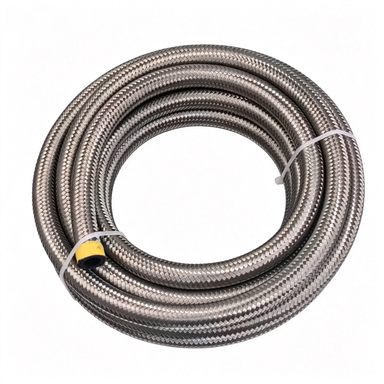
Understanding the temperature limits of coolant hoses is essential for maintaining a reliable engine cooling system. Modern vehicles depend on robust hose systems to circulate antifreeze and coolant through the engine block, radiator, and heater core. The performance and longevity of your engine cooling system directly correlate with the quality and temperature tolerance of the hoses used in your vehicle.
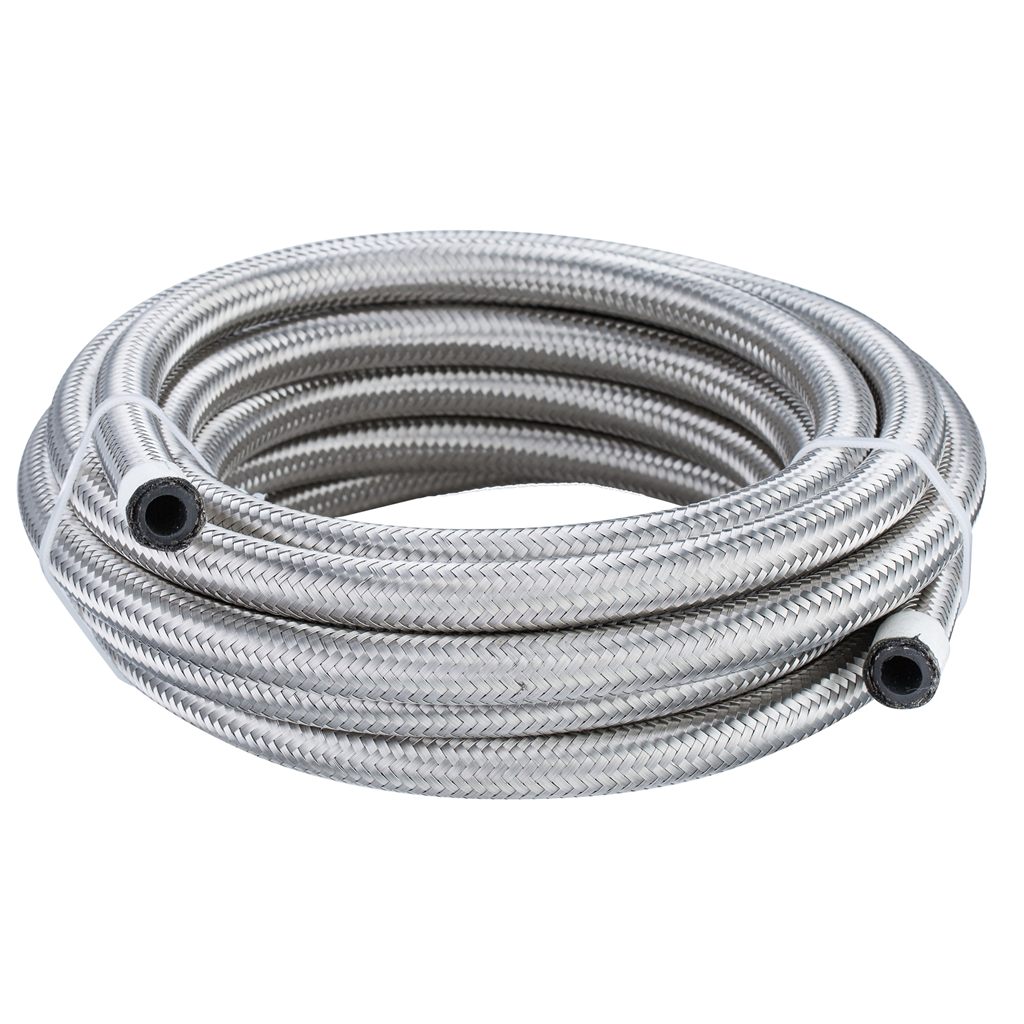
Most standard coolant hoses are engineered to withstand temperatures between 140°C and 170°C under normal operating conditions. However, peak temperature ratings can extend significantly higher, with premium engineered hoses reaching 260°C in specialized applications. The specific temperature capacity depends on the hose material, construction method, reinforcement layers, and the antifreeze formulation used in your engine cooling system.
Material Composition and Temperature Rating
Rubber and Synthetic Blend Performance
Traditional coolant hoses are typically constructed from EPDM rubber or synthetic rubber blends formulated to resist thermal degradation. EPDM hoses offer excellent resistance to antifreeze chemicals and maintain flexibility across typical operating ranges. Standard radiator hose replacement components rated for conventional engines usually handle continuous temperatures up to 150°C, with brief excursions to 170°C acceptable during heavy-load conditions.
Synthetic materials and reinforced blends provide superior thermal stability for high-performance vehicles and industrial engine cooling systems. These advanced formulations in antifreeze hose maintenance applications can tolerate sustained temperatures reaching 200°C or higher. The use of aramid fibers, PTFE liners, and stainless steel wire reinforcement significantly extends the temperature ceiling while maintaining burst pressure resistance.
Reinforcement Architecture Impact
Hose reinforcement directly influences temperature tolerance in engine cooling system applications. Single-layer rubber hoses typically support lower temperature ranges, while multi-layer construction with braided synthetic fibers, spiral wound wire, or embedded mesh provides substantially higher thermal endurance. Radiator hose replacement specifications increasingly call for dual-layer or triple-layer designs to accommodate modern engine efficiency improvements that generate higher coolant temperatures.
Premium antifreeze hose maintenance products utilize aramid braiding combined with PTFE inner cores, allowing temperature ratings between 260°C and 300°C in extreme applications. These specialized coolant hoses are designed for turbocharged engines, industrial compressors, and motorsport environments where standard automotive hoses would fail prematurely.
Factors Affecting Temperature Tolerance
Engine Load and Driving Conditions
The actual temperature experienced by coolant hoses varies significantly based on engine load, ambient conditions, and driving patterns. City driving typically keeps coolant temperatures in the 85°C to 95°C range, while highway driving and high-performance operation can push temperatures toward 110°C or beyond. Extended high-temperature exposure accelerates aging of the rubber material, reducing the effective lifespan of your engine cooling system and necessitating more frequent radiator hose replacement.
Sustained operation near the upper temperature limits of coolant hoses causes thermal stress that weakens rubber elasticity and increases the risk of hose failure, leaks, and system pressure loss. Turbocharged and supercharged engines often require upgraded antifreeze hose maintenance specifications because intercooler bypass arrangements and increased combustion temperatures elevate coolant temperatures relative to naturally aspirated baseline engines.
Coolant Type and Chemical Compatibility
The type of antifreeze used in your engine cooling system interacts with hose materials and can influence temperature tolerance boundaries. Conventional green antifreeze, extended-life orange coolant, and hybrid formulations have different chemical profiles that affect rubber compatibility and thermal performance. Radiator hose replacement components must be selected to match the specific coolant chemistry to prevent premature degradation.
Mixing incompatible coolant types or using substandard antifreeze formulations can cause chemical reactions that soften or swell hose walls, reducing their temperature-handling capacity. Proper antifreeze hose maintenance requires confirmation that replacement hoses are rated for your vehicle's specific coolant type and that the system is flushed and refilled with manufacturer-approved coolant to maintain optimal engine cooling system performance.
Practical Temperature Limits and Maintenance Guidance
Safe Operating Range and Warning Signs
For most vehicles, maintaining coolant temperatures below 100°C ensures that standard coolant hoses operate well within their safety margin and can provide reliable service for extended periods. Operating consistently above 105°C begins to stress hose materials and accelerates aging, making radiator hose replacement more frequent. Warning signs that your engine cooling system is experiencing excessive temperatures include coolant leaks, soft or mushy hose walls, visible cracks, and repeated coolant loss without external leaks.
If your vehicle consistently runs hot or shows patterns of high coolant temperatures, inspect coolant hoses for internal blockages, verify that your thermostat is functioning correctly, and consider upgrading to premium antifreeze hose maintenance products with higher temperature ratings. Many drivers delay radiator hose replacement until failure occurs, but proactive inspection and replacement of aged hoses prevents unexpected breakdowns and engine damage.
Selection and Replacement Best Practices
When selecting replacement coolant hoses for your vehicle, verify the temperature rating on the product specification sheet and confirm it matches or exceeds your engine's maximum operating temperature. Quality radiator hose replacement components typically include the rated temperature range printed on the hose surface. For high-performance builds or vehicles with modified engine cooling systems, prioritize reinforced antifreeze hose maintenance solutions engineered for extended temperature ranges.
Proper installation of coolant hoses involves securing them with appropriate clamps, avoiding sharp bends or kinks, and ensuring no hoses contact hot engine surfaces that could elevate local temperatures beyond hose specifications. Regular visual inspection every six months helps identify bulging, cracking, or deterioration early, allowing timely radiator hose replacement before system failure occurs. The engine cooling system is critical to engine longevity, and investing in quality hoses with verified temperature ratings protects your vehicle investment.
FAQ
What is the typical maximum temperature for standard automotive coolant hoses?
Standard automotive coolant hoses are typically rated for continuous temperatures up to 150°C with peak excursions to 170°C. Most production vehicles operate their engine cooling systems well below these limits, with normal coolant temperatures around 90°C to 100°C. However, high-performance engines, turbocharged variants, and vehicles operating in extreme conditions may require premium antifreeze hose maintenance components with higher temperature ratings to ensure reliability.
How do I know if my coolant hoses need replacement due to temperature damage?
Signs that your coolant hoses require radiator hose replacement include visible cracks, bulging or soft spots along the hose length, coolant leaks at connection points, and a mushy texture when squeezed. If your engine cooling system repeatedly overheats or shows patterns of high coolant temperature readings, remove hoses and inspect them for internal deterioration or external damage. Aged hoses lose elasticity and pressure-holding capacity, making them prone to failure even if they appear intact visually.
Can I upgrade my coolant hoses to a higher temperature rating?
Yes, you can upgrade to premium coolant hoses with higher temperature ratings for improved reliability and longevity. High-performance radiator hose replacement options with aramid braiding, PTFE liners, and reinforced construction can handle temperatures up to 260°C. Consult your vehicle's cooling system specifications and verify that upgraded antifreeze hose maintenance products are compatible with your engine, coolant type, and existing clamp systems to ensure proper fit and safe operation.
 EN