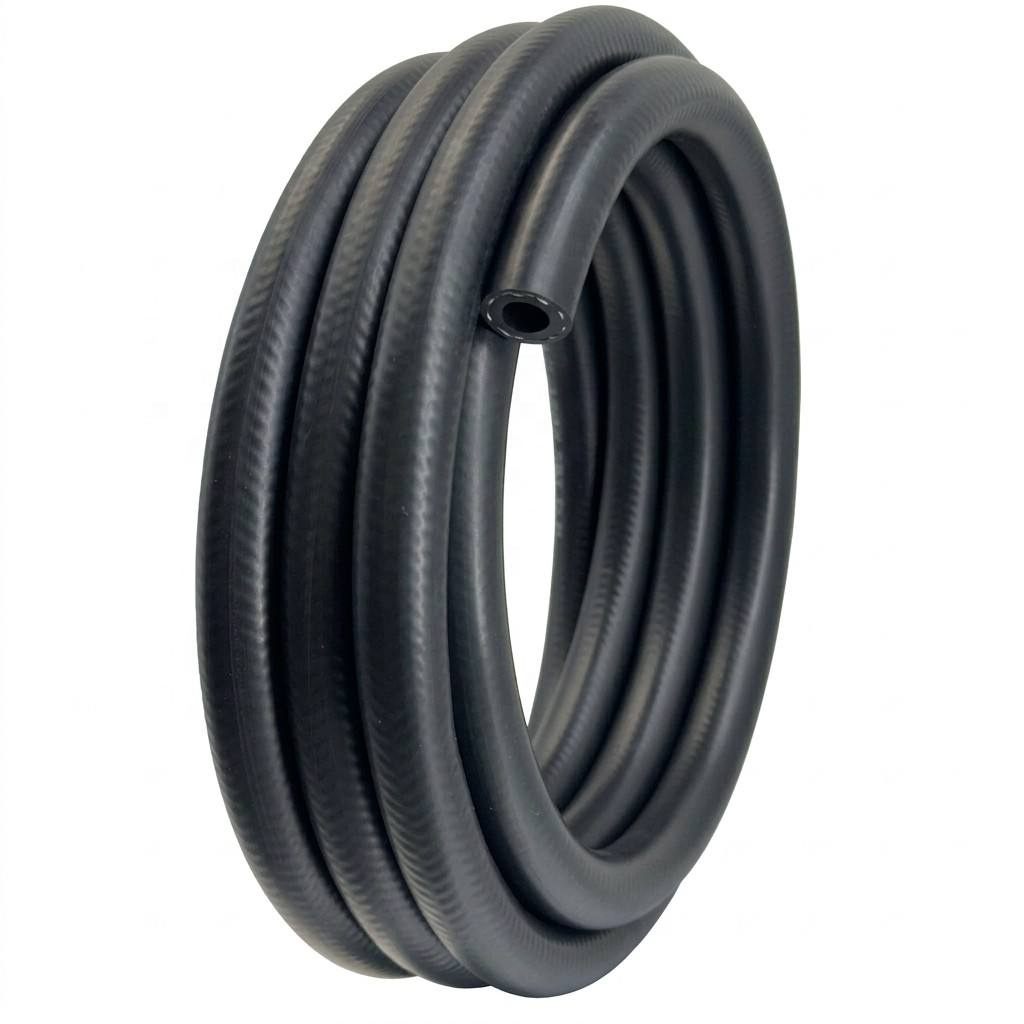
Understanding the temperature range that a fuel hose can handle is critical for maintaining vehicle performance and safety. Industrial and automotive applications demand fuel hoses that withstand extreme thermal conditions without degradation or failure. Whether you operate diesel engines, gasoline systems, or specialized fuel delivery applications, knowing the thermal limits of your fuel hose specifications ensures reliable operation and prevents costly downtime.
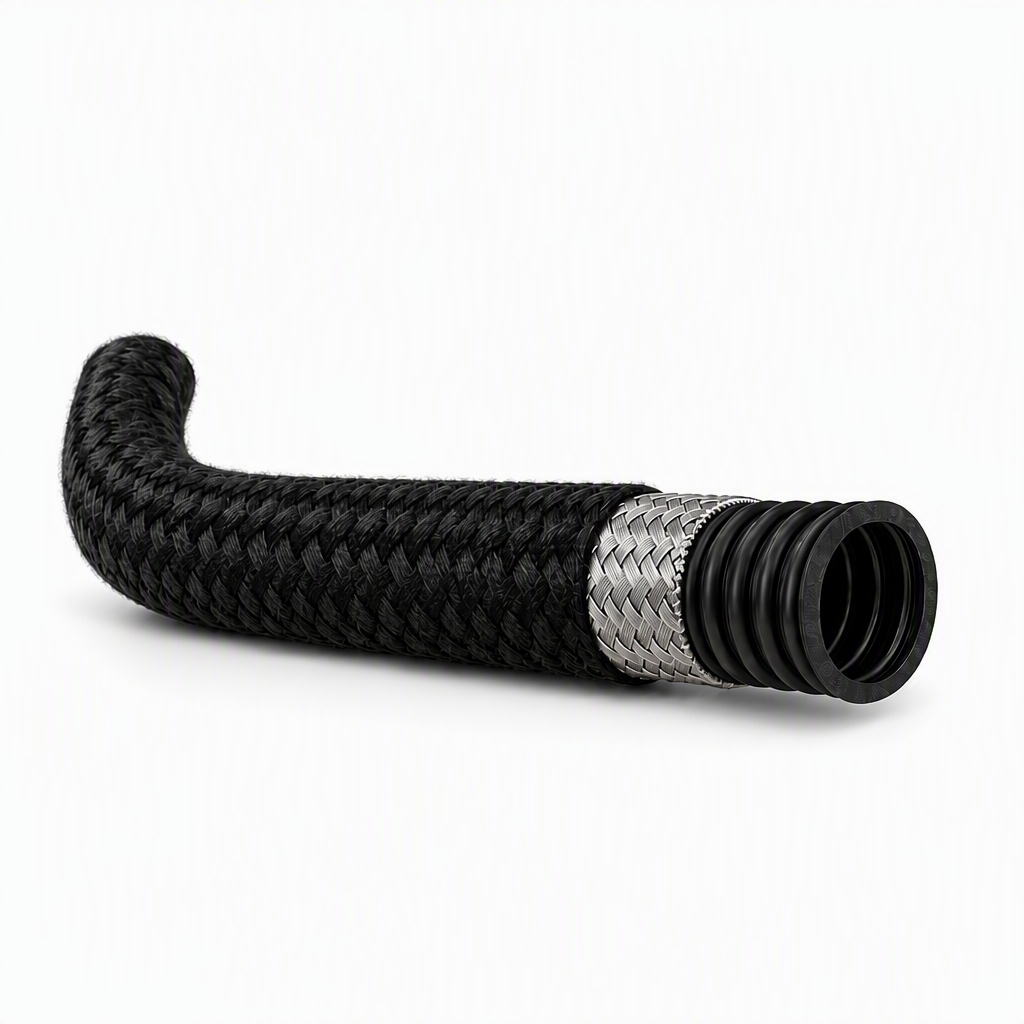
Fuel hoses are engineered to tolerate significant temperature fluctuations, from extreme cold at high altitudes to intense engine heat under load. The specific temperature range depends on the hose material, construction quality, and intended application. A well-designed fuel hose must maintain structural integrity, resist chemical corrosion, and preserve flexibility across its rated temperature envelope.
Standard Temperature Ratings for Fuel Hoses
Typical Operating Range
Most standard fuel hoses are rated to handle temperatures between minus 40 degrees Celsius and plus 120 degrees Celsius. This range covers typical automotive and light industrial applications. However, the fuel line assembly specifications can vary significantly based on materials used and environmental demands. Rubber-based fuel hoses tend to have narrower temperature windows compared to synthetic polymer alternatives.
The diesel fuel hose category often requires enhanced thermal tolerance because diesel engines generate higher combustion temperatures than gasoline counterparts. Premium diesel fuel hose products are frequently rated between minus 30 degrees Celsius and 150 degrees Celsius, providing better performance in demanding commercial truck and equipment applications.
High-Performance and Specialty Ratings
Advanced fuel line assembly designs incorporating aramid braiding, PTFE inner cores, and stainless steel reinforcement can achieve extended temperature ranges. These premium fuel hoses reach from minus 65 degrees Celsius to 260 degrees Celsius or higher. Such extreme thermal capability suits aerospace, military, racing, and specialized industrial fuel delivery systems where conventional hoses would fail.
The material composition directly influences thermal performance. Hoses constructed with reinforced synthetic rubbers, fluoropolymers, and specialty polymer blends maintain flexibility and seal integrity across wider temperature bands than single-material designs.
Factors Affecting Temperature Tolerance
Material Composition and Construction
The inner tube material determines the hose's chemical resistance and baseline thermal stability. The middle reinforcement layers, whether textile braiding or spiral wire, contribute to structural support under pressure and temperature cycling. The outer cover material protects against UV exposure, ozone degradation, and mechanical damage while maintaining flexibility at temperature extremes. A fuel hose with polyester or aramid braiding resists higher temperatures better than single-braid designs.
Diesel fuel hose products often feature additional layers and specialized coatings to handle aggressive fuel chemistry and elevated temperatures. Modern fuel line assembly construction uses advanced bonding techniques and multiple polymer layers to distribute thermal stress evenly and prevent premature failure.
Pressure and Thermal Cycling Effects
Temperature fluctuations combined with pressure variations accelerate material degradation. A fuel hose operates at its lowest safety margin when exposed to repeated thermal cycling—such as engine warm-up and cool-down cycles. Repeated expansion and contraction can cause micro-tears and reduce the effective lifespan of the hose.
The fuel line assembly must accommodate these thermal stresses without leaking or rupturing. Premium fuel hose replacement products are engineered to withstand thousands of thermal cycles while maintaining structural integrity and maintaining consistent pressure ratings throughout the hose's serviceable life.
Fuel Hose Replacement and Temperature Considerations
When to Replace for Thermal Reasons
A fuel hose replacement becomes necessary when the operating environment exceeds the hose's rated temperature limits or when thermal degradation becomes visible. Signs include brittleness, cracking, softening, or loss of flexibility. In extreme heat environments, even premium diesel fuel hose products degrade faster than their rated lifespan suggests, requiring periodic inspection and preventive replacement.
The fuel line assembly configuration also affects thermal performance. Hoses routed near engine exhaust, turbochargers, or other high-heat zones experience localized temperature spikes that may exceed ambient engine temperatures. Strategic routing and thermal shielding can extend fuel hose lifespan in these challenging installations.
Selecting the Right Temperature-Rated Hose
Matching the hose temperature rating to your application is essential for safety and reliability. Calculate the maximum expected temperature at the hose installation point, not just the engine coolant temperature. Consider thermal transients during cold starts, idling in hot climates, and high-load operation. A fuel hose must maintain a safety margin above the peak temperature your system will encounter.
For diesel fuel hose applications, consult original equipment specifications and consider upgrade options if standard hoses fail prematurely. Premium fuel line assembly kits often include temperature-optimized hoses rated for the harshest conditions your equipment may experience. Investing in a higher temperature-rated hose reduces replacement frequency and improves overall system reliability.
FAQ
What is the maximum temperature a standard fuel hose can withstand?
Standard fuel hoses typically handle temperatures up to 120 degrees Celsius, while premium diesel fuel hose products reach 150 to 260 degrees Celsius depending on material composition. Always verify the specific fuel line assembly temperature rating from the manufacturer before installation in high-temperature applications.
Can a fuel hose rupture if exposed to temperatures beyond its rating?
Yes, exposing a fuel hose beyond its rated temperature range accelerates material breakdown and increases rupture risk. The fuel hose loses structural integrity and flexibility when operating outside design limits. Thermal degradation compounds pressure stress, leading to leaks or catastrophic failure during peak operating conditions.
How often should I replace a fuel hose operating in extreme temperatures?
Fuel hose replacement intervals depend on the hose temperature rating versus actual operating conditions. In extreme-temperature applications, inspect your fuel line assembly every 6 to 12 months for signs of thermal degradation. Replace promptly if you observe brittleness, cracking, or reduced flexibility to avoid system failures and safety hazards.
 EN