 EN

what-temperature-range-can-nbr-rubber-hose-withstand, what-temperature-range-can-nbr-rubber-hose-withstand, /news
EN
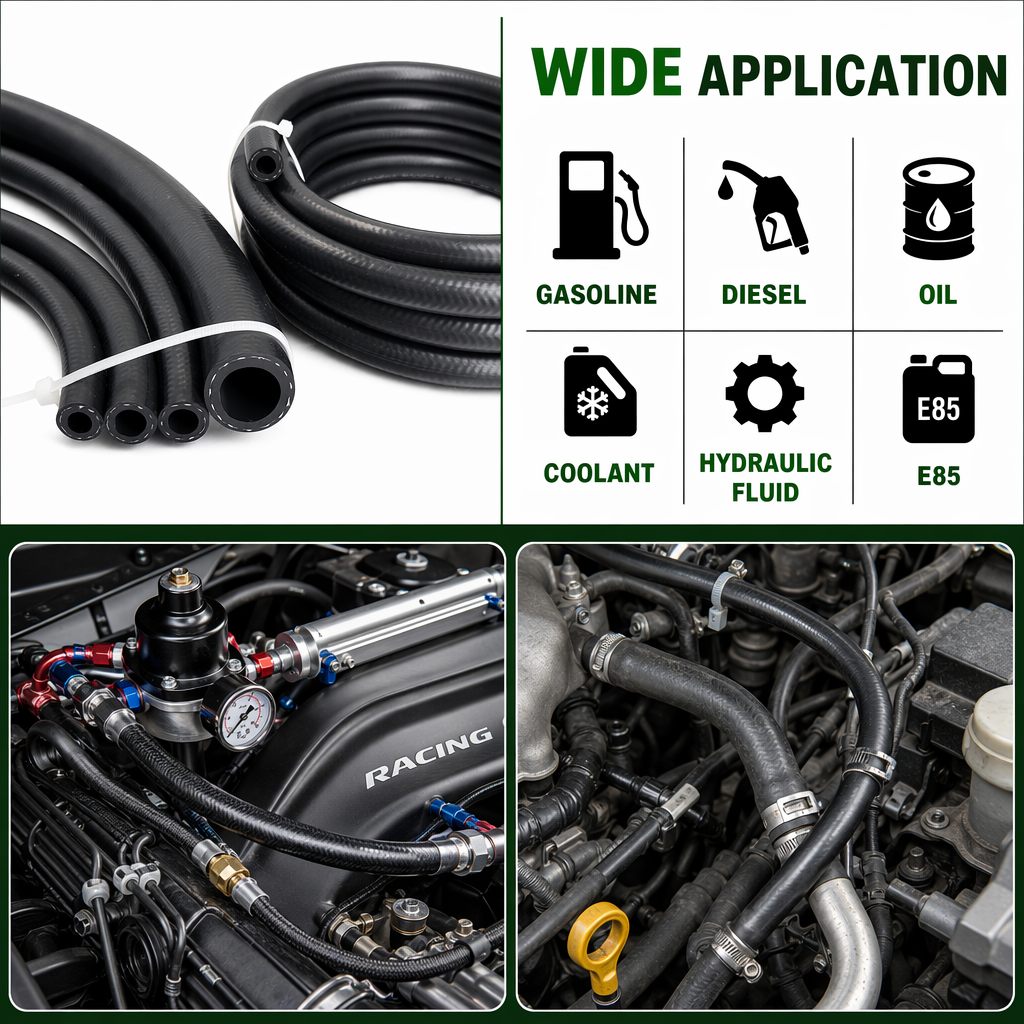
Understanding the temperature operating range of NBR rubber hose is critical for industrial applications where thermal stability directly impacts equipment reliability and safety. Nitrile rubber, commonly known as NBR or Buna-N, remains one of the most widely used elastomer materials in hydraulic systems, fuel lines, and oil transfer applications due to its exceptional balance of cost-effectiveness and performance characteristics. The temperature tolerance of NBR rubber hose determines its suitability for specific industrial environments, from refrigerated storage facilities to heated manufacturing processes.
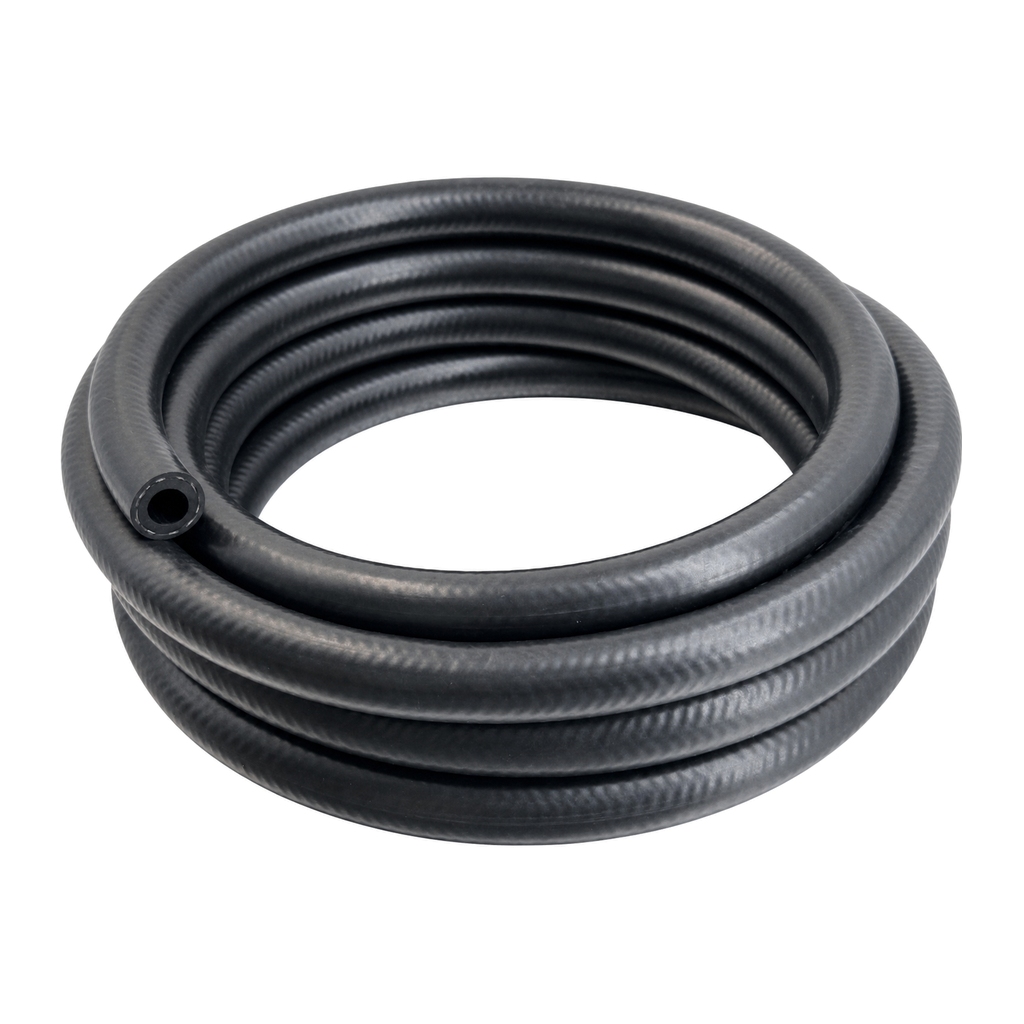
NBR rubber hose typically operates within a temperature range of minus 30 degrees Celsius to plus 100 degrees Celsius, though premium formulations and reinforced nitrile rubber tubing can extend these limits slightly. This operational window makes synthetic rubber hose applications particularly valuable in environments where temperature fluctuations are moderate to severe. Knowing these boundaries helps engineers select appropriate hose materials during system design and prevents premature failures caused by thermal degradation or loss of elasticity.
The standard temperature range for NBR rubber hose extends from approximately minus 30 degrees Celsius to plus 100 degrees Celsius under normal operating conditions. This range reflects the inherent thermal stability of nitrile rubber, which derives from its synthetic polymer structure and chemical cross-linking. Oil resistant rubber hoses manufactured from NBR maintain their flexibility and sealing properties within this window, ensuring reliable performance in diverse industrial sectors. The lower temperature limit ensures the material doesn't become brittle and crack, while the upper limit prevents softening that could compromise structural integrity and pressure-holding capacity.
Several variables influence how well nitrile rubber tubing performs at temperature extremes. The thickness of the hose wall, reinforcement layer composition, and additive packages all contribute to thermal resistance. Oil resistant rubber hoses with thicker walls and multiple textile or wire reinforcement layers generally tolerate temperature variations more effectively than thin-walled alternatives. Additionally, the quality of the rubber compound and manufacturing process directly affects how long the NBR rubber hose maintains its mechanical properties when exposed to sustained heat or cold.
When NBR rubber hose operates near its upper temperature limit, several degradation mechanisms become active. Thermal oxidation gradually breaks down polymer chains, reducing elasticity and crack resistance over time. Synthetic rubber hose applications in engine compartments, welding equipment, and hot industrial processes demand careful temperature monitoring to prevent premature hose failure. Most manufacturers recommend maintaining continuous operating temperatures at least 10 degrees Celsius below the maximum rated limit to ensure reasonable service life, typically measured in years rather than months.
In low-temperature environments, nitrile rubber tubing becomes less flexible, which can restrict fluid flow and increase brittleness near the minus 30 degrees Celsius threshold. Oil resistant rubber hoses used in cold climates or seasonal applications require preconditioning and careful handling during installation. The crystallization of polymer chains at lower temperatures makes the material more prone to cracking when bent or flexed. Industrial applications in refrigeration systems, outdoor equipment storage, and northern industrial facilities must account for this temperature sensitivity when selecting and installing NBR rubber hose.
Before specifying NBR rubber hose for any system, engineers must accurately determine both the minimum and maximum temperatures the hose will encounter during operation. This includes not only steady-state operating temperatures but also transient spikes during startups, shutdowns, and emergency conditions. Synthetic rubber hose applications frequently experience temperature cycling, where repeated heating and cooling accelerate material aging and fatigue. Understanding peak temperature requirements prevents undersizing and selecting inadequate materials, which could lead to catastrophic failures in critical hydraulic systems or fuel delivery lines.
When applications exceed the standard temperature range of NBR rubber hose, manufacturers and engineers should consider alternative elastomer formulations. EPDM rubber tolerates higher temperatures and ozone exposure but lacks the oil resistance of nitrile rubber tubing. Fluorocarbon rubber handles extreme temperatures but comes at significantly higher cost. For applications demanding extended temperature performance, composite hose designs combining different elastomer layers offer flexibility. Oil resistant rubber hoses with specialized compound packages may extend the upper limit by 10 to 20 degrees Celsius, though this requires detailed consultation with the hose manufacturer and performance testing before implementation.
NBR rubber hose is rated for continuous operation up to approximately 100 degrees Celsius under standard conditions. However, continuous exposure at this maximum limit accelerates aging and reduces service life significantly. Most manufacturers recommend limiting sustained operating temperatures to 90 degrees Celsius or lower for reliable long-term performance. Short-term exposure to temperatures up to 120 degrees Celsius may be acceptable for brief periods, but this should be confirmed with the hose supplier and the specific application design.
Standard nitrile rubber tubing becomes increasingly brittle below minus 30 degrees Celsius and is not recommended for continuous exposure to colder temperatures. Brief exposure to slightly lower temperatures may be tolerable depending on the specific hose formulation and reinforcement design. For reliable performance in consistently cold environments, synthetic rubber hose applications should consider alternative materials like EPDM or specialized low-temperature NBR compounds. Always verify material suitability with the manufacturer before deploying oil resistant rubber hoses in extreme cold conditions.
Temperature directly impacts the pressure capacity of oil resistant rubber hoses. As temperature increases, the elastomer softens and loses some of its structural rigidity, reducing the hose's ability to safely contain pressurized fluids. Most hose pressure ratings are specified at 20 degrees Celsius as a baseline. At 70 degrees Celsius, the safe pressure capacity may reduce by 10 to 15 percent. At the upper limit near 100 degrees Celsius, pressure ratings can decrease by 20 to 30 percent. This derating is crucial for system design and safety, particularly in NBR rubber hose applications handling pressurized oil or hydraulic fluid.
