 EN

what-temperature-range-can-ptfe-braided-hose-handle, what-temperature-range-can-ptfe-braided-hose-handle, /news
EN
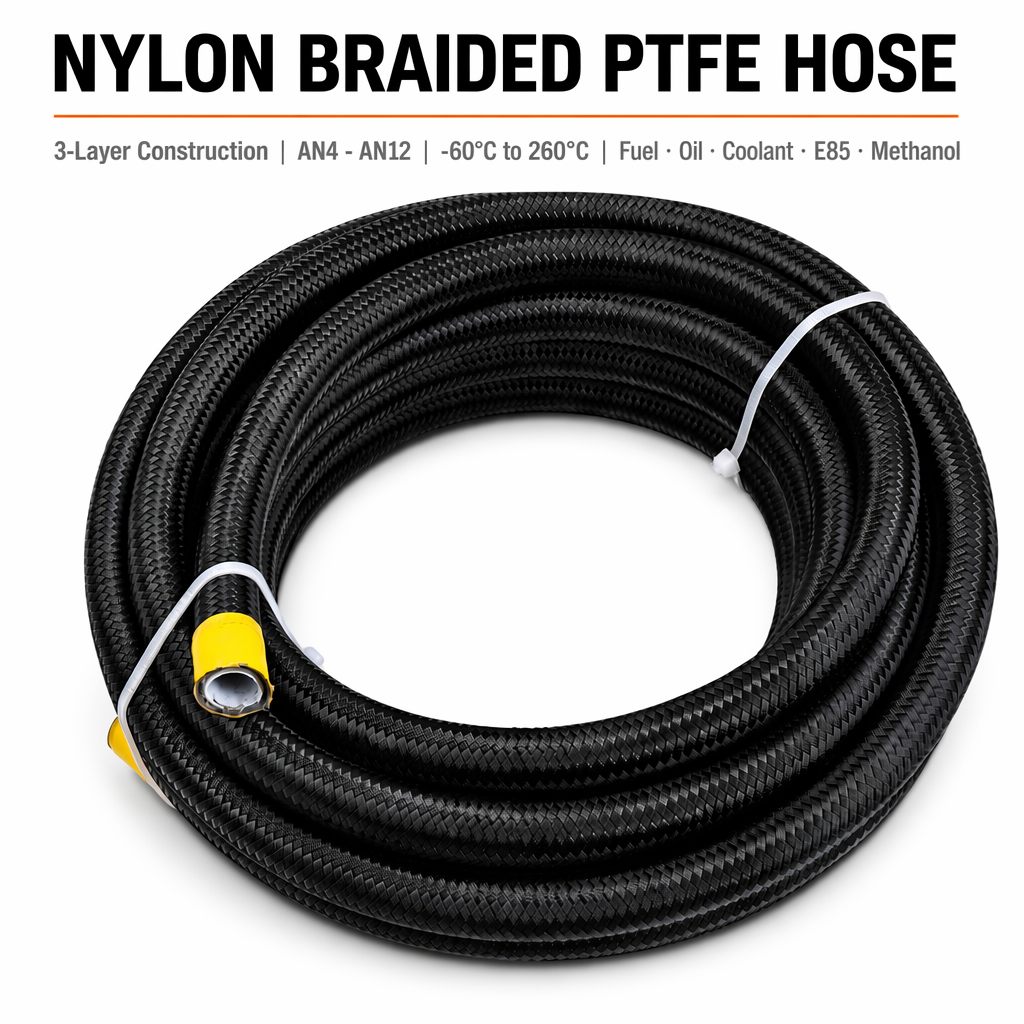
Understanding the temperature capabilities of industrial hoses is critical for reliable system performance and safety. The ptfe braided hose represents one of the most thermally robust solutions available for demanding industrial applications. PTFE, known commercially as Teflon, combined with braided reinforcement, creates a hose assembly capable of withstanding extreme thermal conditions that would compromise conventional rubber or polyester hoses. This thermal resistance makes fluoropolymer hose assembly systems essential for aerospace, automotive, chemical processing, and specialized manufacturing environments where temperature fluctuations are routine.
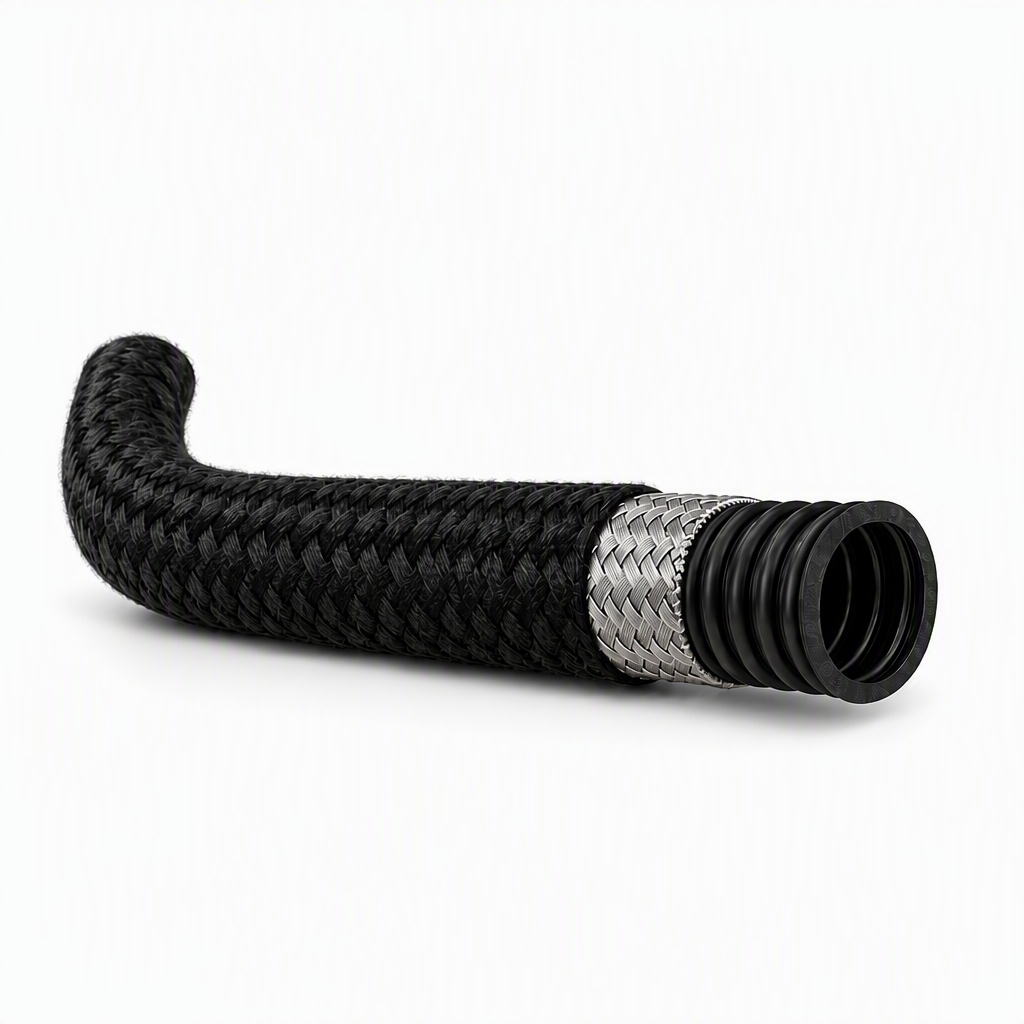
A teflon braided tubing assembly typically operates across a temperature range of minus 65 degrees Celsius to plus 260 degrees Celsius, depending on the specific construction and reinforcement materials used. This expansive thermal window far exceeds standard hose solutions and reflects the inherent properties of fluoropolymer chemistry. The braided reinforcement layer, whether stainless steel wire or aramid fiber, works synergistically with the PTFE core to maintain structural integrity across the entire temperature spectrum. Understanding these specifications prevents system failures, ensures regulatory compliance, and optimizes component selection for your specific industrial application.
The ptfe reinforced hose temperature capability depends fundamentally on the base PTFE material and the braiding construction. Pure PTFE demonstrates exceptional resistance to thermal degradation, maintaining its mechanical properties across an unusually broad temperature range. Most industrial-grade ptfe braided hose systems maintain minimum operating temperatures around minus 65 degrees Celsius, where the material remains flexible without becoming brittle. At the upper end, quality fluoropolymer hose assembly products reach 260 degrees Celsius or higher, significantly outperforming alternative hose materials like rubber, silicone, or standard thermoplastics.
The molecular structure of PTFE contributes directly to its thermal stability. The strong carbon-fluorine bonds resist thermal decomposition far better than conventional polymer chains, preventing the material from breaking down even under sustained high-temperature exposure. When manufacturers integrate teflon braided tubing with stainless steel reinforcement, the metal components provide additional structural support at elevated temperatures, preventing hose bulging or burst failures. This synergistic design creates a hose assembly that remains reliable whether handling cryogenic fluids at minus 65 degrees or superheated hydraulic fluids at 260 degrees Celsius.
Aerospace fuel lines, hydraulic systems, and engine coolant circuits require hose materials that perform flawlessly across extreme thermal cycles. The fluoropolymer hose assembly used in these applications must function reliably during rapid temperature transitions, from pre-flight ground conditions to high-altitude cruise temperatures. Engine compartments regularly exceed 150 degrees Celsius, and certain engine zones approach 200 degrees Celsius or higher during sustained operation. A ptfe braided hose rated to 260 degrees Celsius provides essential safety margin and extended service life in these mission-critical systems.
Chemical refineries, pharmaceutical manufacturing facilities, and semiconductor production environments often require hose systems capable of handling caustic substances at elevated temperatures simultaneously. The teflon braided tubing resists chemical attack that would degrade rubber hoses while maintaining thermal stability under sustained heat exposure. Cryogenic fluid transfer in industrial laboratories and specialized manufacturing also demands the minus 65 degree lower temperature capability that fluoropolymer hose assembly provides. These applications benefit from the combined thermal and chemical resistance that ptfe reinforced hose delivers.
Proper hose selection requires understanding the difference between nominal operating temperature and maximum rated temperature. The ptfe braided hose rated to 260 degrees Celsius provides a maximum temperature specification, but best practices recommend operating 20 to 30 degrees Celsius below this maximum to account for system variability and ensure component longevity. A fluoropolymer hose assembly specified for 260 degrees maximum should typically operate at sustained temperatures below 230 degrees Celsius during normal service. This conservative approach prevents premature degradation, reduces failure rates, and maximizes hose service life in demanding industrial environments.
Temperature rating alone does not guarantee performance reliability. The frequency of temperature cycling, exposure to sunlight or ultraviolet radiation, proximity to electrical sources, and chemical compatibility all influence how long a teflon braided tubing system will perform effectively. A ptfe reinforced hose may handle 260 degrees Celsius in continuous steady-state operation, but rapid cycling between hot and cold temperatures creates mechanical stress that can reduce service life. Compatibility between the fluid being transported and the fluoropolymer hose assembly materials is equally critical; even materials resistant to extreme temperatures can fail if exposed to incompatible chemicals or solvents.
Most quality ptfe braided hose products are rated to handle maximum temperatures of 260 degrees Celsius, with some specialized formulations reaching slightly higher limits. The exact maximum depends on the specific reinforcement materials and construction, but 260 degrees Celsius represents the standard specification for industrial-grade fluoropolymer hose assembly products widely available in the market. Always verify the specific temperature rating for your application before installation.
While teflon braided tubing maintains excellent thermal stability, rapid temperature cycling between extreme highs and lows creates mechanical stress that can reduce component longevity. The ptfe reinforced hose can handle the temperature range itself, but frequent transitions between minus 65 and 260 degrees Celsius will cause material expansion and contraction that eventually leads to fatigue. Design systems to minimize rapid cycling when possible, and consider thicker-wall ptfe braided hose for applications with frequent thermal cycling.
The braiding material significantly influences both maximum temperature rating and performance consistency. Stainless steel wire reinforcement provides excellent thermal stability and structural support throughout the entire operating range, while aramid fiber braiding offers lighter weight with slightly different thermal characteristics. The braiding prevents hose expansion under pressure at high temperatures and maintains structural integrity at cryogenic temperatures, making reinforcement essential for achieving the full temperature range of fluoropolymer hose assembly products.
