 EN

what-temperature-range-can-silicone-tubes-withstand, what-temperature-range-can-silicone-tubes-withstand, /news
EN
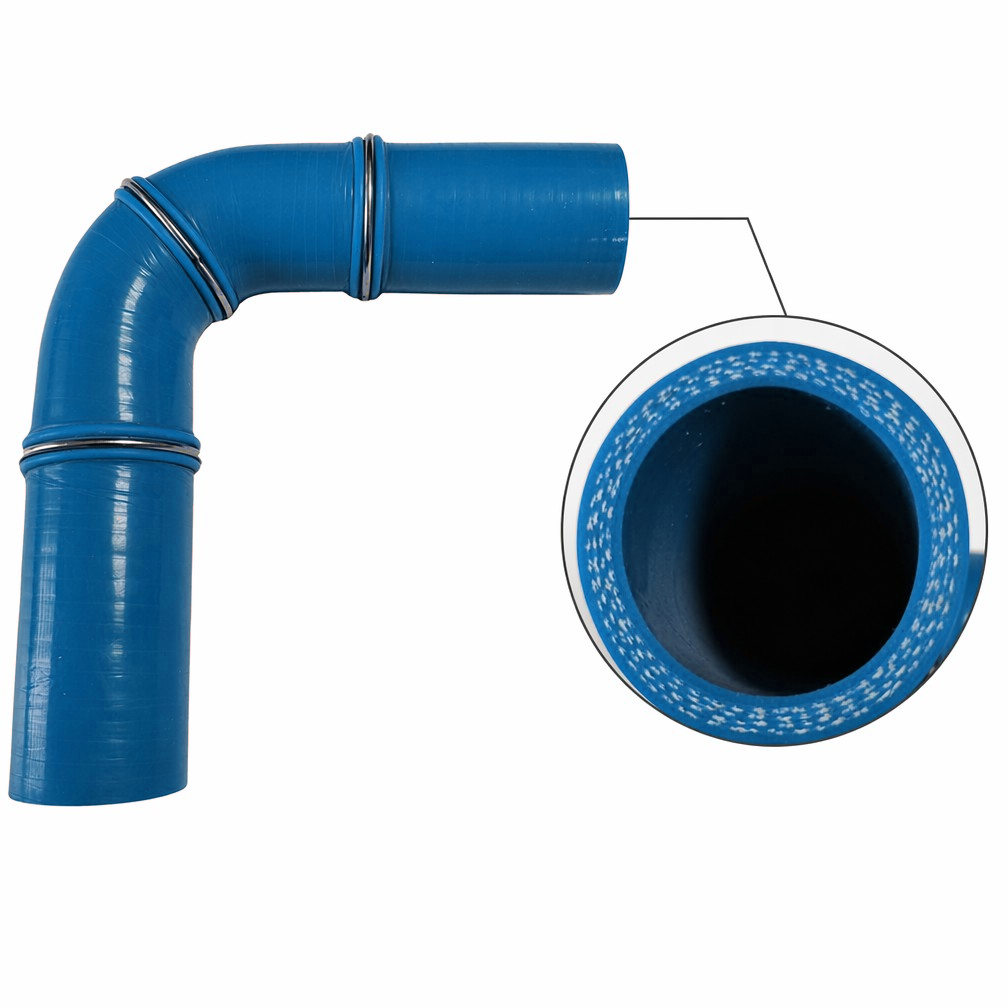
Understanding the temperature capabilities of a silicone tube is essential for engineers, manufacturers, and procurement specialists selecting fluid transfer solutions. Silicone tubing has become a cornerstone in industrial applications, laboratory work, medical systems, and consumer products because of its remarkable thermal stability and chemical compatibility. The temperature range a silicone tube can withstand directly impacts its service life, reliability, and cost effectiveness in demanding environments.
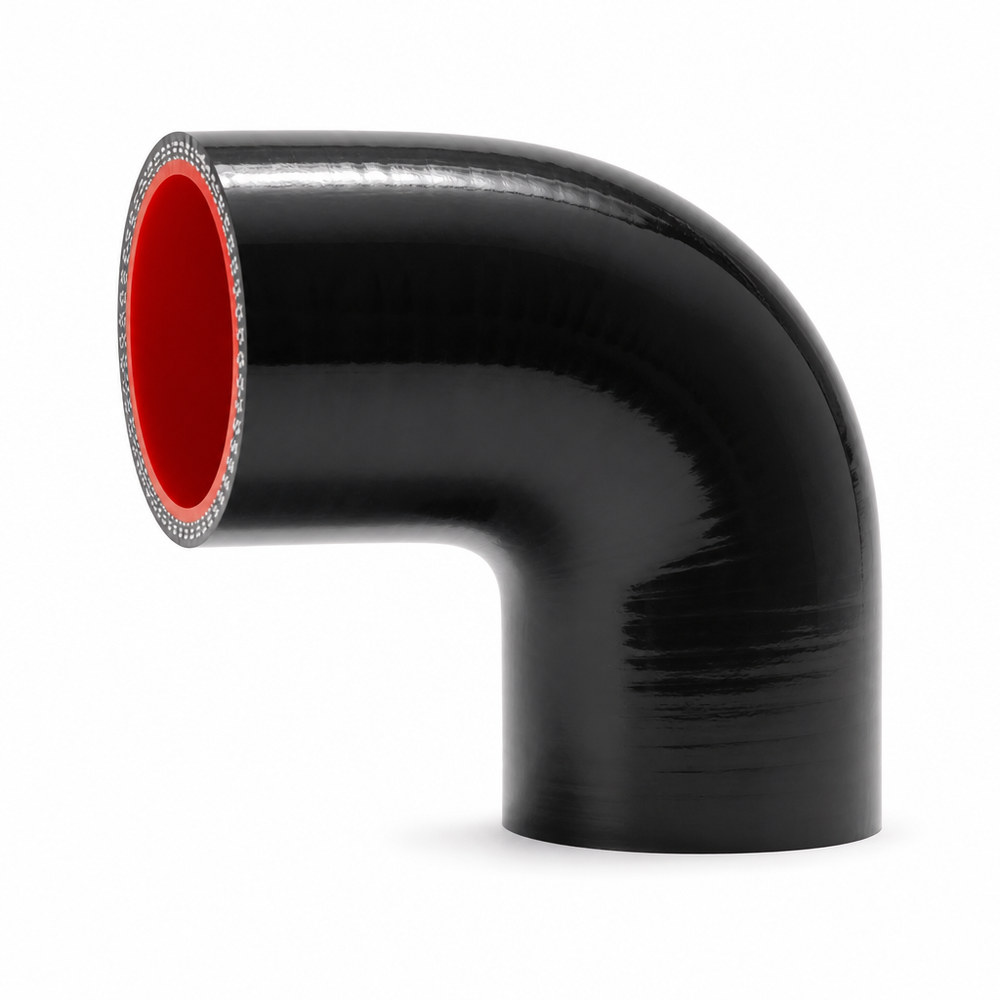
Most standard silicone tubing operates between negative forty and two hundred sixty degrees Celsius, though specialized formulations extend both boundaries significantly. Medical grade silicone hose often shares these baseline specifications because medical applications demand both thermal consistency and biocompatibility. High temperature silicone tubing engineered for extreme environments can handle brief excursions to fifteen hundred fifty degrees Celsius or higher, making such materials critical for aerospace, automotive, and industrial furnace applications. The distinction between continuous and intermittent temperature ratings fundamentally shapes material selection and system design decisions.
General purpose flexible silicone tubing typically maintains mechanical integrity and chemical stability from negative forty to two hundred sixty degrees Celsius under continuous operation. This temperature window covers the vast majority of industrial fluid transfer scenarios including coolant circulation, hydraulic auxiliary lines, laboratory sample transport, and climate controlled manufacturing environments. At the lower boundary, silicone tubing retains flexibility and does not become brittle, unlike many rubber alternatives. At the upper boundary, silicone materials maintain seal integrity and dimensional stability without significant degradation or hardening.
Medical grade silicone hose meets identical or more stringent temperature specifications as general purpose tubing, typically ranging from negative forty to two hundred sixty degrees Celsius. Healthcare facilities rely on this thermal consistency during sterilization cycles, particularly autoclaving processes that reach one hundred twenty to one hundred thirty degrees Celsius. Pharmaceutical manufacturing lines use medical grade silicone hose for both ambient and heated fluid transfer without thermal drift or migration of compounds. The biocompatibility standards required for medical applications complement rather than compromise thermal performance, creating materials suitable for life science environments where contamination cannot be tolerated.
High temperature silicone tubing engineered with advanced formulations and reinforcement structures extends the continuous operating range to two hundred eighty, three hundred, or occasionally higher degrees Celsius depending on specific composition and diameter. Industrial applications driving this demand include engine bay fluid lines, thermal management systems in advanced manufacturing, and laboratory equipment requiring heated circulating fluid. The silicone tube chemistry is modified to reduce polyol extraction and oxidative degradation at elevated temperatures, maintaining mechanical properties over extended service periods. Reinforcement with fiberglass, carbon fiber, or aramid layers further supports structural integrity while dispersing thermal stress across the tube wall.
High temperature silicone tubing rated for intermittent exposure can tolerate brief thermal spikes far exceeding continuous limits, sometimes reaching twelve hundred, fifteen hundred, or sixteen hundred fifty degrees Celsius for seconds to minutes. These peak ratings apply to scenarios such as brief contact with hot surfaces, exposure during maintenance procedures, or transient thermal events in emergency shutdown sequences. Intermittent ratings do not mean the tubing remains unchanged after such exposure; permanent compression set and minor dimensional changes occur, but catastrophic failure does not. Aerospace and automotive engineers use intermittent ratings to establish safety margins and thermal protection protocols for mission critical systems where brief overtemperature events could occur.
The diameter and wall thickness of a flexible silicone tubing directly influence its temperature handling capability and thermal time constant. Thicker walled silicone tube resists pressure degradation at elevated temperatures and slows heat transfer into the fluid, protecting temperature sensitive contents. Larger bore diameters in high temperature silicone tubing require proportionally stronger reinforcement to prevent bulging and creep under thermal stress. Conversely, small diameter precision tubing reaches thermal equilibrium faster with surrounding environments, making temperature stability both an advantage for precision laboratory work and a vulnerability during transient heating events.
The fluid or gas transported through a silicone tube affects its effective temperature rating because certain chemicals accelerate degradation at elevated temperatures. Medical grade silicone hose exposed to aggressive organic solvents, petroleum distillates, or steam may exhibit lower practical temperature limits despite datasheet specifications. Conversely, neutral liquids like water or glycol based coolants allow the silicone tube to perform consistently at rated temperatures without chemical synergy that would elevate thermal stress. Engineers must cross reference fluid compatibility charts alongside temperature specifications when selecting high temperature silicone tubing for multi component systems where chemical and thermal stresses combine.
Internal pressure loading compounds thermal stress in flexible silicone tubing by increasing wall tensile stress and accelerating stress relaxation at elevated temperatures. A high temperature silicone tubing rated for three hundred degrees Celsius at atmospheric pressure may only sustain that temperature at reduced pressure ratings if system design imposes continuous internal pressure. Pressure derating curves provided by manufacturers show how continuous operating temperature decreases as internal pressure increases. Combined thermal and pressure analysis becomes essential for hydraulic lines, pressurized fluid circulation systems, and any application where both factors are active simultaneously.
Effective material selection begins by clearly distinguishing between peak transient temperatures, continuous operating temperatures, and average or nominal temperatures in the application. A silicone tube subjected to brief five minute spikes of four hundred degrees Celsius followed by normal ambient operation can utilize intermittent ratings, not continuous ratings. Medical grade silicone hose in sterilization equipment experiences maximum temperature only during autoclave cycles, not throughout the day, reducing the effective thermal burden. Specifying flexible silicone tubing with intermittent capacity when only continuous performance is required wastes material and cost, while underspecifying creates premature failure risk and system downtime.
System engineers enhance the effective service life of standard silicone tube in marginal temperature scenarios by adding external thermal insulation, heat reflecting wrap, or air cooling around the tubing run. Ceramic fiber sleeves, reflective foil barriers, and insulating foam reduce peak surface temperature and slow heat transfer into sensitive fluids. This approach allows selection of cost effective standard silicone tubing with baseline temperature ratings rather than premium high temperature formulations in applications where ambient heat is the primary concern. Thermal management through system design often proves more economical than material upgrading when temperature margins are tight.
Standard flexible silicone tubing maintains structural integrity and flexibility down to negative forty degrees Celsius. Below this threshold, silicone materials become progressively stiffer and more susceptible to cracking under mechanical stress, particularly in applications requiring flexibility. Cold storage and cryogenic applications requiring lower temperatures demand specialized elastomer materials such as fluorosilicone or perfluoroelastomer compounds rather than conventional silicone tubing.
Medical grade silicone hose shares temperature specifications with standard silicone tubing, typically operating continuously to two hundred sixty degrees Celsius. The medical grade designation refers to biocompatibility, extractable content, and manufacturing cleanliness rather than enhanced thermal performance. If an application requires temperatures above two hundred sixty degrees Celsius continuously, specialized high temperature silicone tubing rather than medical grade materials must be selected regardless of biocompatibility requirements.
Continuous temperature ratings represent maximum exposure during normal operation over extended periods without material degradation or functional loss. Intermittent ratings permit brief excursions to higher temperatures because the material can tolerate temporary thermal stress without catastrophic failure, though permanent property changes occur. A high temperature silicone tubing with a continuous rating of three hundred degrees Celsius and intermittent rating of eight hundred degrees Celsius can sustain eight hundred degrees for seconds during emergency conditions but must return to normal operating temperatures to remain reliable.
