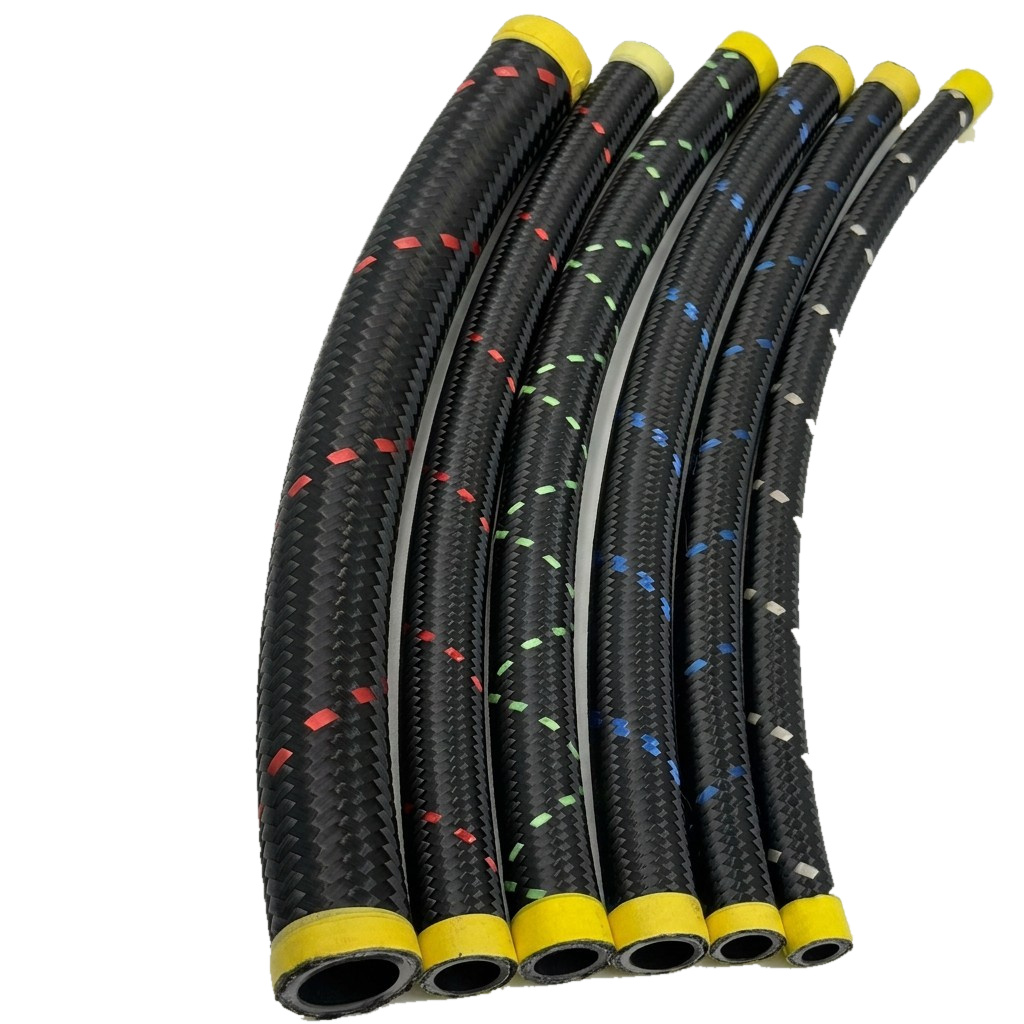
Rubber hoses are fundamental components in industrial systems, transporting fluids across environments that range from freezing cold to extreme heat. Understanding the temperature range rubber hoses can withstand is critical for selecting the right solution and avoiding costly failures, leaks, and safety hazards. Different elastomer compounds and reinforcement structures determine how effectively a hose performs under thermal stress, and mismatching hose specifications to operating conditions leads to premature degradation, brittleness, or softening that compromises system integrity.
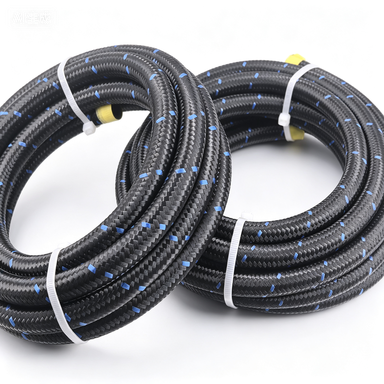
Industrial hose applications span diverse sectors including automotive, aerospace, chemical processing, and hydraulic systems, each with distinct thermal demands. The temperature resilience of rubber hoses depends not only on the elastomer material but also on the hose construction, reinforcement type, and the specific chemical environment. This guide explores the factors influencing thermal performance, typical temperature ranges for common hose types, and how to match hose specifications to your application needs.
Understanding Rubber Hose Temperature Limits
Elastomer Compounds and Thermal Performance
The core elastomer material in rubber hoses determines baseline temperature tolerance. Natural rubber and synthetic rubber compounds exhibit different thermal stability profiles. Natural rubber typically operates between −40°C and +80°C, while synthetic elastomers like nitrile, EPDM, and fluorocarbon offer extended ranges. Synthetic compounds can withstand temperatures from −55°C to +150°C or higher, depending on the formulation and reinforcement. Hose pressure ratings and temperature performance are interconnected; higher temperatures reduce the material's load-bearing capacity, so manufacturers specify derated pressure limits at elevated temperatures.
Reinforcement Structure Impact
The reinforcement layers—whether textile, wire, or spiral wound—influence how rubber hoses handle thermal cycling and sustained heat exposure. Wire-reinforced hoses maintain structural integrity across wider temperature ranges than single-braid constructions. Aramid braiding offers superior thermal resistance and stability, particularly in high-temperature industrial hose applications. The inner tube material also plays a critical role; PTFE inner cores resist chemical attack and thermal degradation better than standard rubber, extending the service life of rubber hoses in aggressive environments. Chemical resistant hoses using specialty elastomers and advanced inner tube materials can tolerate temperature extremes from −65°C to +260°C in specialized applications.
Temperature Ranges for Common Industrial Hose Applications
Standard Hydraulic and General-Purpose Rubber Hoses
Conventional hydraulic rubber hoses, composed of nitrile elastomer with textile or single-wire reinforcement, typically operate within −40°C to +100°C. In many industrial hose applications, this range covers standard machinery cooling, low-pressure fluid transfer, and general plant operations. Hose pressure ratings decrease significantly above +80°C; a hose rated at 280 bar at 20°C may drop to 210 bar at 100°C due to elastomer softening and reduced tensile strength. Users must account for this derating when selecting components for elevated-temperature systems to maintain safety margins and reliability.
High-Temperature and Specialty Industrial Hose Applications
Specialized applications—such as engine coolant lines, fuel delivery systems, and steam-adjacent piping—demand rubber hoses engineered for extreme thermal conditions. Fluorocarbon and EPDM elastomers combined with aramid reinforcement enable rubber hoses to operate from −55°C to +150°C or higher. Chemical resistant hoses designed for oil, fuel, and solvent exposure often incorporate PTFE inner tubes and multi-layer constructions that preserve functionality across these extended ranges. Hose pressure ratings in high-temperature service are typically lower than ambient-temperature ratings, reflecting the mechanical property reduction inherent to thermal exposure.
Selection Criteria for Temperature-Critical Applications
Matching Hose Specifications to Operating Conditions
Selecting rubber hoses for temperature-critical roles requires analyzing both the peak operating temperature and thermal cycling frequency. Industrial hose applications involving thermal cycling—where the hose repeatedly transitions between hot and cold—demand materials with better flexibility and fatigue resistance. Chemical resistant hoses must combine thermal tolerance with compatibility to the transported fluid; a hose rated for high temperature but incompatible with your process fluid will fail prematurely through swelling, hardening, or permeation. Always consult technical datasheets that specify temperature limits, hose pressure ratings at elevated temperatures, and chemical compatibility matrices for your exact application.
Installation and Maintenance Considerations
Temperature extremes also affect hose installation flexibility and long-term durability. Rubber hoses become brittle at very low temperatures, making routing and installation difficult; warm the hose before bending in cold environments. At high temperatures, rubber hoses lose flexibility and may harden, potentially cracking at bend radius points. Inspect rubber hoses regularly in temperature-extreme applications, as thermal aging accelerates elastomer degradation even when pressures remain stable. Replace hoses before reaching end-of-life if color, surface texture, or flexibility change noticeably, as these signs indicate the elastomer's thermal capacity is declining and failure risk is rising.
FAQ
What is the typical maximum temperature rubber hoses can withstand?
Standard rubber hoses tolerate up to +100°C, while high-performance chemical resistant hoses engineered with specialty elastomers and PTFE inner tubes can withstand temperatures exceeding +260°C. The actual limit depends on the elastomer type, reinforcement structure, hose pressure ratings, and the specific chemicals in contact with the hose. Always verify the manufacturer's temperature rating and derating chart for your application.
How do industrial hose applications determine the correct temperature range for selection?
Start by identifying the peak operating temperature, minimum cold exposure, and thermal cycling frequency of your system. Cross-reference this against the hose manufacturer's technical datasheet, which lists temperature limits and hose pressure ratings at various temperatures. Account for safety margins by selecting a hose rated 10–20°C above your maximum expected temperature, and confirm chemical compatibility with any fluids the hose will transport.
Do hose pressure ratings change at different temperatures?
Yes, hose pressure ratings decrease significantly as temperature rises. Most rubber hoses experience 15–30% pressure derating between ambient and maximum operating temperature because elastomer softening reduces load-bearing capacity. Manufacturers provide derating curves in technical documentation; always apply the pressure rating that corresponds to your actual operating temperature to maintain system safety and reliability in industrial hose applications.
 EN