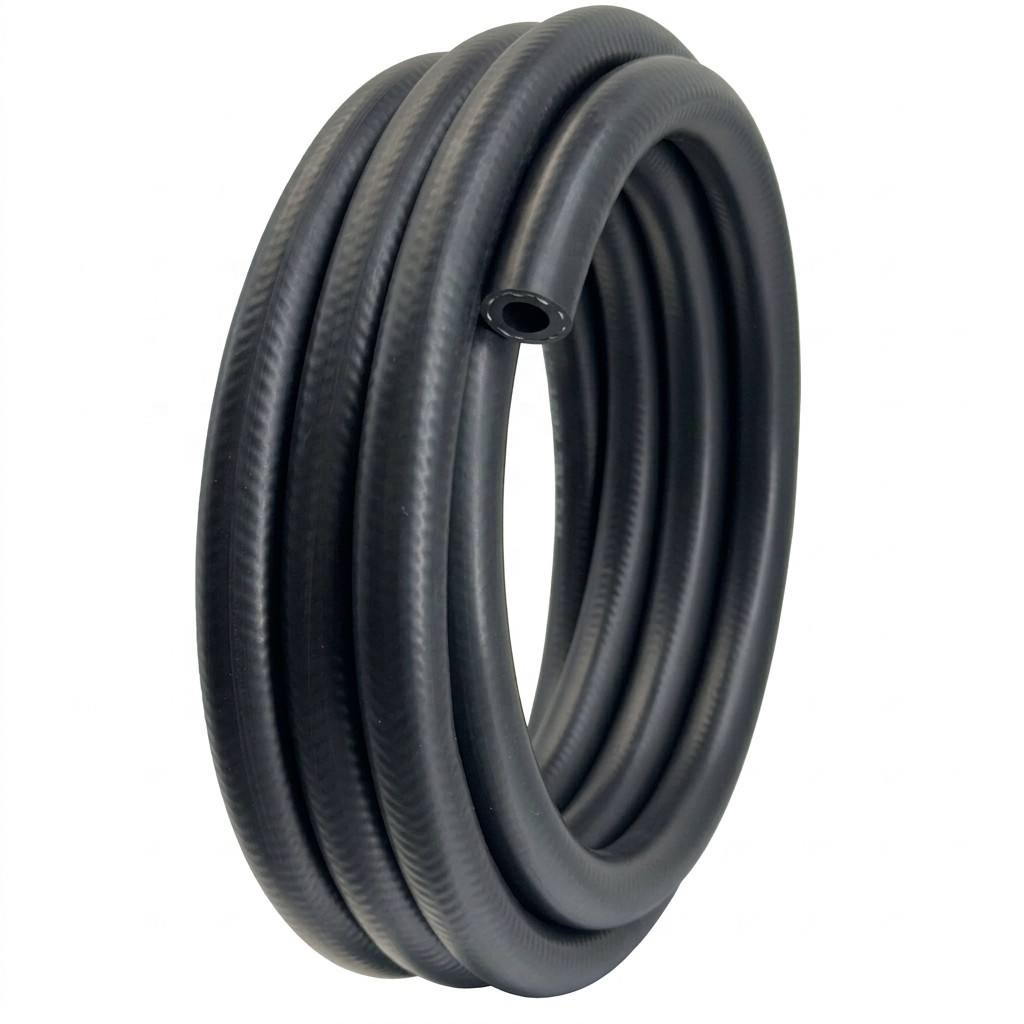
Understanding the temperature range that rubber tubes can withstand is essential for selecting the right tubing for your specific industrial or commercial application. Whether you're working with fuel systems, hydraulic lines, coolant circulation, or vacuum environments, the thermal performance of your rubber tubes directly impacts system reliability and safety. Different rubber compounds and reinforcement materials offer vastly different temperature capabilities, and choosing incorrectly can lead to premature failure, leaks, and costly downtime.
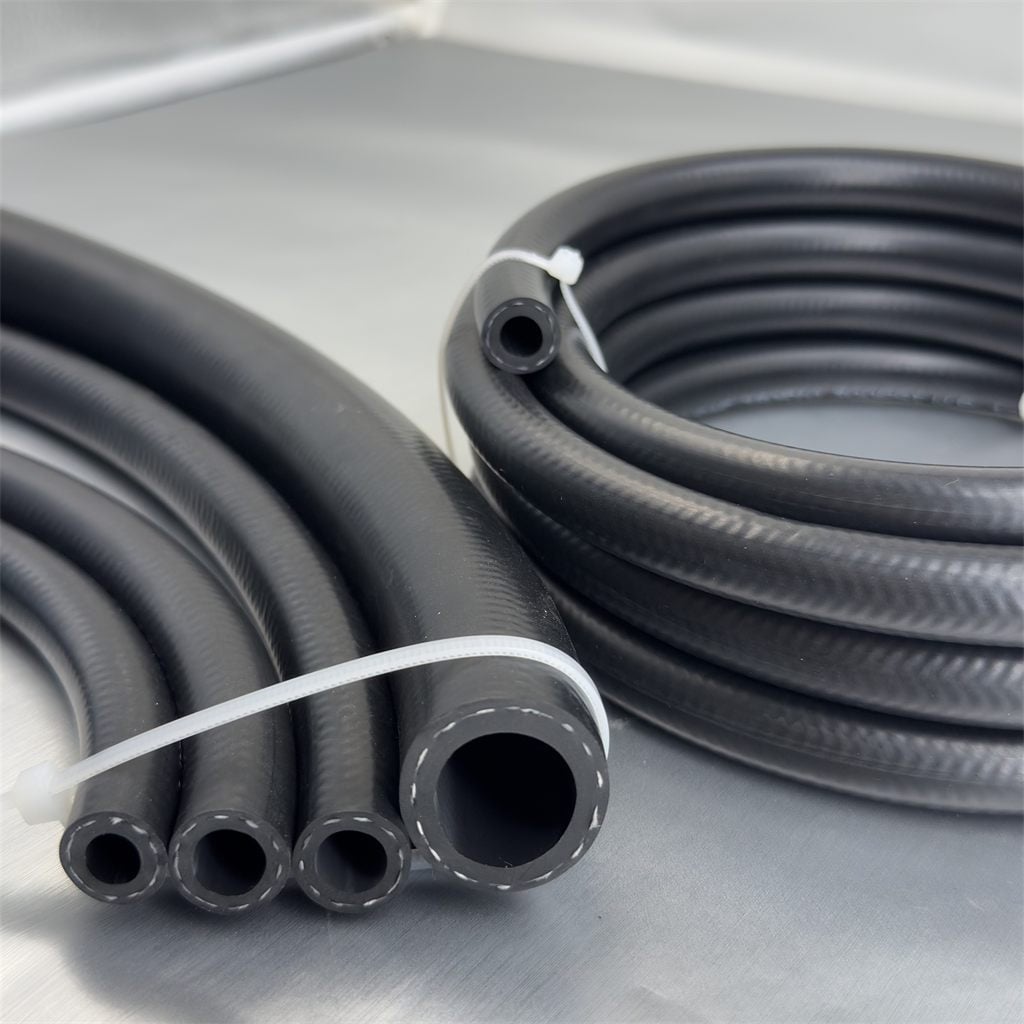
Most standard rubber tubes operate within moderate temperature ranges, typically between -40°C and 120°C, making them suitable for general automotive and light industrial use. However, specialized applications demand higher or lower thermal tolerances. Industrial rubber tubing engineered for extreme environments can handle temperatures ranging from -65°C to over 260°C, depending on the rubber compound, internal core material, and reinforcement structure. Understanding these specifications helps engineers and procurement professionals make informed decisions that balance performance requirements with cost efficiency.
Standard Temperature Ranges for Common Rubber Tubes
Natural and Synthetic Rubber Compounds
Natural rubber and conventional synthetic compounds form the foundation of most industrial rubber tubing applications. Standard flexible rubber hoses made from natural rubber typically operate effectively between -20°C and 100°C. Natural rubber offers excellent flexibility and resilience but has temperature limitations at both extremes. Synthetic rubber alternatives, such as those based on ethylene-propylene or other polymer blends, extend the operational window slightly, generally functioning well between -30°C and 120°C.
The choice between natural and synthetic compounds depends on your specific thermal environment and fluid compatibility needs. Natural rubber provides superior flexibility and cost-effectiveness for moderate temperature applications, while synthetic formulations excel in environments with temperature fluctuations or exposure to oils and solvents. For general automotive cooling systems, brake lines, and utility applications, these temperature ranges are entirely adequate and cost-efficient.
Nitrile and EPDM Formulations
Nitrile rubber tubes are engineered to resist oil degradation and operate within a temperature range of approximately -30°C to 100°C, making them ideal for fuel and hydraulic systems in automotive and light industrial contexts. EPDM (ethylene propylene diene monomer) rubber tubing pushes thermal performance further, typically withstanding temperatures between -40°C and 120°C, and is particularly suited for coolant lines and steam condensate applications where moderate heat resistance is necessary.
Both nitrile and EPDM formulations represent reliable choices for mainstream industrial rubber tubing across manufacturing plants, construction equipment, and mobile machinery. These materials balance cost, availability, and adequate thermal performance for the majority of non-extreme applications. When selecting between them, consider both the maximum and minimum temperatures your system will experience to ensure the rubber compound can handle the full operational envelope.
High-Performance Rubber Tubes for Extreme Temperatures
Fluorocarbon and Perfluorocarbon Materials
For applications demanding superior thermal resistance, fluorocarbon rubber provides significant performance advantages over standard compounds. High-pressure rubber conduits manufactured from fluorocarbon materials can tolerate temperatures ranging from -15°C to 200°C, making them suitable for high-performance automotive engines, aerospace hydraulic systems, and specialized industrial processes. Perfluorocarbon variants push this envelope even further, capable of maintaining integrity at temperatures exceeding 200°C in continuous-duty applications.
These advanced rubber tubes command a premium price due to their superior chemical resistance, thermal stability, and durability in harsh environments. Industries such as aerospace, petrochemical processing, and high-performance automotive manufacturing routinely specify fluorocarbon tubes to ensure operational safety and system longevity. The investment in superior thermal performance often translates to reduced maintenance costs and fewer system failures over the equipment's lifecycle.
Reinforcement Materials and Their Impact on Temperature Range
The reinforcement structure inside flexible rubber hoses significantly influences the overall temperature range the tubing can withstand. Tubes reinforced with aramid braiding or stainless steel wire mesh can function in much wider temperature windows than non-reinforced or cloth-reinforced alternatives. A rubber tube with aramid braiding and an internal PTFE core can handle temperature ranges from -65°C to 260°C, making such designs ideal for fuel systems, oil circulation, coolant loops, and vacuum applications in both extreme cold and high-heat environments.
The internal core material plays an equally critical role in thermal performance. PTFE (polytetrafluoroethylene) inner cores resist degradation across extreme temperature ranges and maintain flexibility in both cold and hot conditions. Stainless steel reinforcement prevents the tubing from collapsing under pressure while maintaining structural integrity across the full temperature spectrum. Combined, these materials create industrial rubber tubing solutions that reliably operate in aerospace engine bays, arctic exploration equipment, and industrial furnace cooling systems.
Selecting Rubber Tubes Based on Your Temperature Requirements
Assessing Application-Specific Temperature Demands
Begin by identifying the minimum and maximum temperatures your system will experience during normal operation and during transient events or startup sequences. Many applications experience peak temperatures only briefly, while baseline operations occur at more moderate levels. For example, an automotive engine cooling line experiences steady-state temperatures around 90°C but may briefly see 110°C during aggressive acceleration or cold-start conditions. Similarly, arctic equipment faces sustained sub-zero temperatures with possible brief warming during operation.
Document both the sustained temperature range and any temperature excursions your rubber tubes must endure. Consult equipment manuals, system specifications, and engineering datasheets to establish realistic thermal boundaries. Many design failures occur when engineers select rubber tubing based on average operating temperature while overlooking occasional peak temperatures that exceed the material's rated capability. Adding a safety margin of 10–20°C above your maximum expected temperature is a prudent engineering practice that extends tubing life and reduces failure risk.
Balancing Performance and Cost Efficiency
Once you understand your temperature requirements, evaluate whether standard compounds meet your needs or whether premium high-pressure rubber conduits are necessary. Specifying over-engineered tubing in applications that don't require extreme thermal performance wastes capital and increases system costs unnecessarily. Conversely, selecting undersized thermal capacity invites premature failure and operational disruption. The optimal selection matches the high-performance characteristics of your industrial rubber tubing precisely to your actual application requirements.
Consider the total system lifecycle cost, including purchase price, installation labor, maintenance frequency, and downtime risk. High-reliability systems in critical industrial applications often justify premium tubing specifications despite higher upfront costs. Conversely, non-critical applications may operate adequately with standard flexible rubber hoses that cost significantly less. Evaluate your specific risk tolerance and operational constraints to determine the appropriate investment level in superior thermal performance and material specifications.
FAQ
What is the maximum temperature most rubber tubes can handle?
Standard rubber tubes typically withstand temperatures up to 100–120°C, depending on the rubber compound and reinforcement materials used. Industrial rubber tubing with fluorocarbon or PTFE internal cores can safely operate at temperatures exceeding 200°C, while specialized designs with aramid braiding can handle continuous exposure to 260°C or higher. Always verify the specific temperature rating for your tubing material and reinforcement type, as thermal performance varies significantly between different product specifications.
Can rubber tubes be used in cold weather applications?
Yes, most rubber tubes maintain flexibility and function in cold environments down to -20°C or lower, depending on the rubber compound selected. Synthetic rubber compounds, nitrile, and EPDM formulations generally perform well to -30°C or -40°C. For arctic or extreme cold applications requiring operation below -50°C, specify industrial rubber tubing with specialized elastomer formulations or PTFE inner cores that retain flexibility at very low temperatures. Flexible rubber hoses lose elasticity as temperature drops, so cold-weather selections must prioritize low-temperature performance.
How do I know which temperature range my rubber tubes need?
Review your equipment manufacturer's specifications, system datasheets, and operating manuals to determine the required temperature range. Consider both sustained operating temperatures and peak transient temperatures your system may experience. Test conditions, startup sequences, and seasonal variations should all factor into your assessment. When in doubt, consult with your equipment provider or the high-pressure rubber conduit manufacturer's technical support team to confirm the appropriate thermal specification for your specific application and operating environment.
 EN