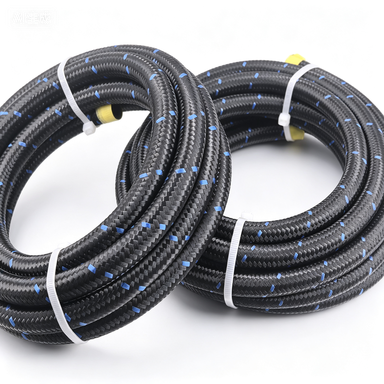
Knowing when to replace your radiator hose is essential for maintaining a healthy engine cooling system. A failing radiator hose can lead to coolant leaks, overheating, and serious engine damage if not addressed promptly. Many vehicle owners overlook this critical component until a problem develops, but proactive maintenance prevents costly repairs. Understanding the warning signs and replacement timeline helps you keep your engine operating at safe temperatures and extends your vehicle's lifespan.
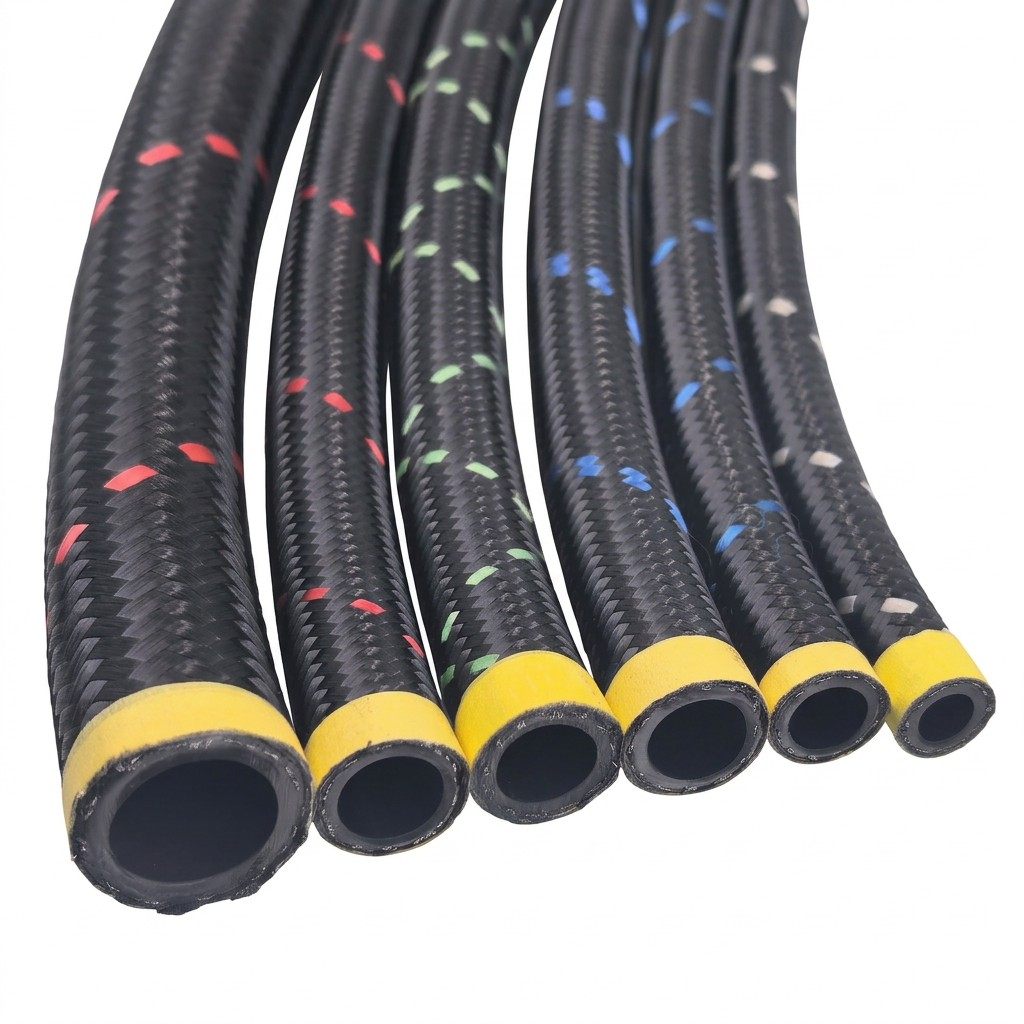
The engine cooling system relies on a network of hoses to circulate coolant and maintain optimal operating temperatures. A quality coolant hose moves fluid from the engine to the radiator and back, dissipating excess heat to keep your motor running efficiently. Over time, these hoses deteriorate due to heat exposure, pressure fluctuations, and chemical breakdown of the rubber material. Recognizing when replacement becomes necessary protects your investment and prevents roadside breakdowns.
Age and Mileage Indicators
Standard Replacement Timeline
Most vehicle manufacturers recommend inspecting your coolant hose condition every 30,000 miles and replacing hoses between 50,000 and 100,000 miles, depending on driving conditions and vehicle age. Hoses typically begin showing signs of degradation after five to seven years, regardless of mileage. If your radiator hose has reached this age threshold or your vehicle has surpassed 60,000 miles since the last replacement, scheduling an inspection becomes important. Extreme climates accelerate deterioration, so vehicles in hot regions may need radiator hose replacement sooner than those in moderate climates.
Preventative Replacement Strategy
Replacing your radiator hose replacement proactively before failure occurs saves money and prevents engine damage. Many mechanics recommend replacing all coolant hose components together to ensure system uniformity and reduce the chance of future failures. Regular engine cooling system inspections identify weak hoses before they rupture and leave you stranded. This preventative approach is especially valuable for vehicles regularly driven in demanding conditions or those approaching their manufacturer's suggested replacement intervals.
Physical Damage and Deterioration Signs
Visual Warning Signs
Inspect your radiator hose regularly for cracks, soft spots, bulges, or discoloration indicating internal degradation. A weakened coolant hose may feel mushy when squeezed gently or show white crystalline deposits from coolant seepage. Leaking fluid beneath your vehicle or sweet-smelling puddles are immediate indicators that your engine cooling system needs attention. Visible damage, no matter how minor, usually means replacement cannot wait, as continued operation risks complete hose failure and coolant loss.
Performance and Temperature Issues
When your radiator hose fails, your engine temperature gauge climbs rapidly and warning lights activate on your dashboard. Steam rising from under the hood, frequent coolant top-ups, or puddles in your driveway signal that your engine cooling system is losing coolant through a deteriorated hose. Overheating episodes indicate immediate replacement is necessary to prevent catastrophic engine damage like head gasket failure or piston seizure. Do not ignore these symptoms, as they represent serious threats to your vehicle's health and safety.
Seasonal and Environmental Factors
Climate Impact on Hose Lifespan
Extreme temperatures accelerate the breakdown of rubber compounds in your coolant hose material. Vehicles operating in hot climates experience faster hose degradation due to constant heat exposure and increased pressure inside the engine cooling system. Winter conditions create thermal stress as hoses expand and contract repeatedly during temperature swings, weakening their structural integrity. Understanding your local climate helps predict when your radiator hose replacement becomes most critical and allows you to schedule maintenance during optimal seasons.
Maintenance Records and Professional Assessment
Consulting your vehicle's maintenance history provides valuable context for determining replacement timing. If previous owners neglected cooling system maintenance, your radiator hose may need replacement sooner than factory recommendations suggest. Professional mechanics can assess hose condition during routine service visits and identify subtle signs of deterioration invisible to untrained eyes. This expert evaluation ensures your engine cooling system receives timely attention before problems escalate into expensive repairs or complete system failure.
FAQ
How do I know if my radiator hose is bad?
Common signs of a bad radiator hose include visible cracks, bulges, soft spots, coolant leaks underneath your vehicle, engine overheating, sweet-smelling odors near the engine, and mushy texture when gently squeezed. If you notice any of these symptoms, schedule an inspection immediately and consider radiator hose replacement to prevent engine damage and cooling system failure.
Can I drive with a leaking coolant hose?
Driving with a leaking coolant hose is dangerous and not recommended. A failing hose causes rapid coolant loss, leading to engine overheating within minutes. Continued operation can result in severe engine damage including blown head gaskets and seized pistons. If your radiator hose replacement cannot happen immediately, monitor your coolant level closely and avoid long drives until professional repairs are completed.
How often should I replace coolant hoses?
Most manufacturers recommend replacing coolant hoses every 50,000 to 100,000 miles or between five to seven years, whichever comes first. Extreme climates, towing, or heavy-duty use may necessitate earlier radiator hose replacement. Regular inspections during scheduled maintenance help identify deterioration early, allowing you to plan replacement before unexpected failures occur and your engine cooling system breaks down.
 EN