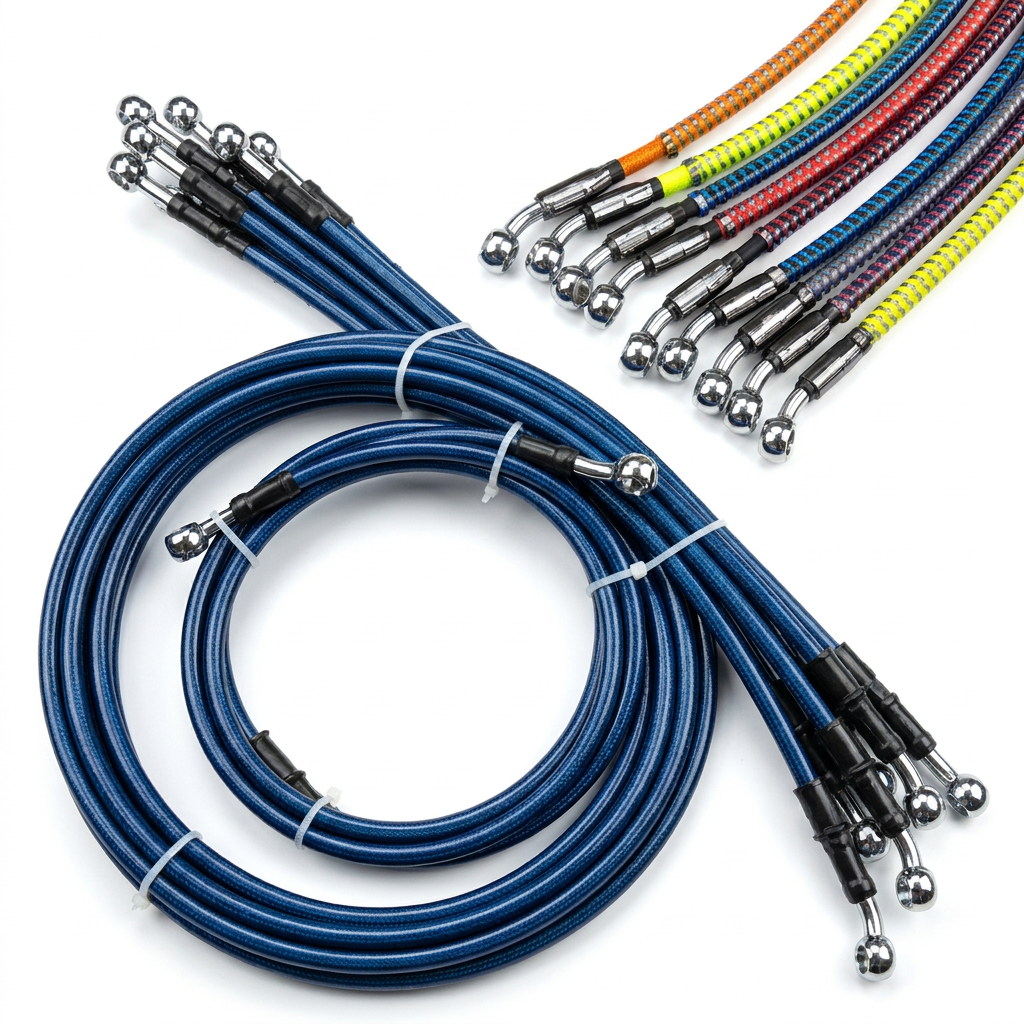
Knowing when to replace your brake hose is essential for maintaining safe vehicle operation and preventing costly damage to your brake system. A failing brake hose can compromise your ability to stop effectively, putting you and others at risk on the road. Unlike brake pads, which wear predictably over time, a brake hose can fail suddenly without warning, making timely replacement critical. Understanding the signs of brake hose deterioration and the factors that influence replacement timing empowers you to take proactive maintenance steps before problems escalate.
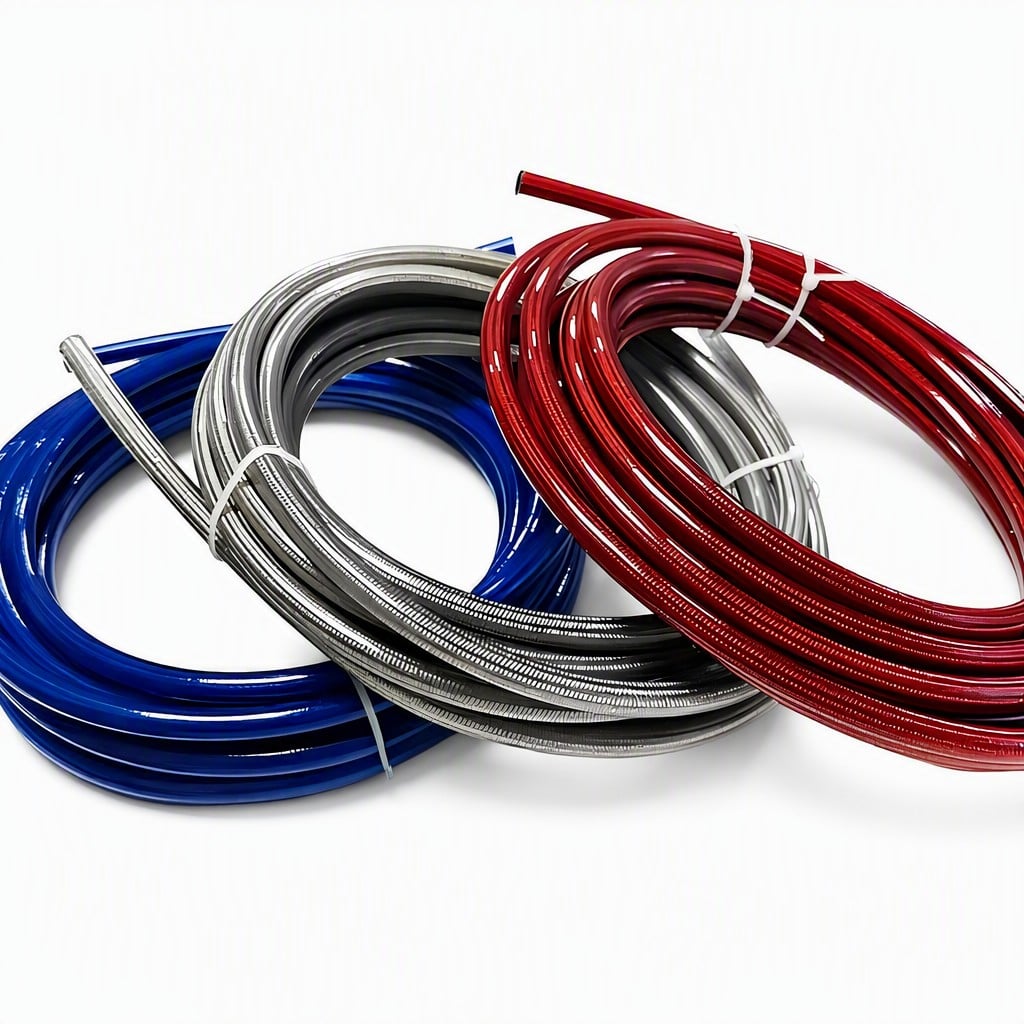
Your brake hose carries pressurized hydraulic fluid from the master cylinder to the brake calipers, transmitting braking force to your wheels. This constant exposure to high-pressure fluid, extreme temperatures, road salt, and moisture creates harsh conditions that gradually degrade the hose material. Recognizing when hydraulic brake tubing reaches the end of its service life is the key to preventing brake failure and maintaining system reliability.
Understanding Brake System Maintenance Fundamentals
How Brake Hose Degradation Occurs
Brake system maintenance begins with understanding how and why a brake hose deteriorates. Internal corrosion from moisture contamination weakens the hose wall, while external UV exposure and road chemicals cause the rubber to become brittle and cracked. The hydraulic brake tubing endures pressures exceeding 1,000 PSI during hard braking, placing enormous stress on aging materials. Over time, these combined factors create microscopic tears and weak points that eventually lead to fluid leaks or catastrophic hose failure.
Heat cycles also accelerate brake hose aging. Every time you brake, friction generates heat that warms the brake fluid and surrounding components. Repeated heating and cooling causes the rubber to expand and contract, which gradually breaks down the molecular structure of the hose material. In extreme driving conditions—such as towing, mountain driving, or racing—this thermal cycling happens more frequently, shortening the overall lifespan of your brake hose.
Why Brake Line Replacement Timing Matters
Brake line replacement timing is not always based on a fixed mileage interval. Instead, it depends on the age of the hose, driving conditions, and visible signs of wear. Most manufacturers recommend brake line replacement every 5 to 10 years, even if the vehicle has low mileage. This time-based recommendation exists because rubber deteriorates regardless of use—a parked vehicle's brake hose will still age over time. Proactive brake line replacement during scheduled maintenance prevents emergency failures that leave you stranded or unsafe.
Visual and Performance Signs That Replacement Is Needed
Identifying Visible Hose Damage
Regular inspection of your brake system maintenance schedule should include visual checks of the hose condition. Look for cracks, splits, blisters, or discoloration on the outer rubber surface, which indicate advanced degradation of the hose material. Wet spots around brake components or under the vehicle after parking suggest a slow leak in the hydraulic brake tubing. Hose bulging or swelling is a serious warning sign that internal pressure is damaging the hose structure, requiring immediate brake line replacement before failure occurs.
Pay special attention to areas where the hose touches metal components or sharp edges. Rubbing damage creates weak points where the hose is most likely to rupture first. Inspect the connection points at both ends of the hose for signs of leaking, corrosion, or loose fittings. If the rubber feels unusually soft, sticky, or deteriorated when touched, the hose has likely absorbed brake fluid and lost its structural integrity, signaling that brake hose replacement is overdue.
Performance Indicators of Brake Hose Failure
A spongy or soft brake pedal is often the first performance sign that your brake system maintenance needs attention. This sensation occurs when air enters the hydraulic brake tubing through a micro-tear or when fluid leaks from a failing hose. Reduced braking responsiveness or a pedal that slowly sinks during prolonged braking indicates pressure loss within the brake line replacement system. These symptoms demand immediate professional inspection before further driving, as brake hose failure can lead to total brake loss.
Pulling to one side during braking suggests uneven brake pressure, which sometimes results from a partially collapsed hose on one wheel circuit. Brake fluid loss visible on your garage floor or undercarriage is a definitive indicator that the hydraulic brake tubing has developed a leak. Any change in brake pedal feel, responsiveness, or noise warrants a thorough brake system inspection to confirm whether the hose is the source and if brake line replacement is necessary.
Factors That Accelerate Brake Hose Replacement Timing
Environmental and Driving Conditions
Vehicles operated in harsh climates or challenging conditions require more frequent brake hose replacement. Road salt and de-icing chemicals corrode the outer hose surface and penetrate internal layers, accelerating degradation of the hydraulic brake tubing. Vehicles parked outdoors year-round experience continuous UV exposure, which hardens the rubber and increases crack formation. Hot climates cause thermal stress that shortens hose lifespan, while extreme cold can make rubber brittle and prone to splitting during brake application.
Your brake system maintenance schedule should account for towing, off-road driving, or frequent mountain driving, all of which increase thermal cycling and brake hose stress. Performance driving, track use, or vehicles carrying heavy loads generate higher brake pressures and temperatures, degrading the hose material faster than normal street driving. Moisture exposure—whether from high humidity, frequent car washes, or splash from wet roads—accelerates internal corrosion of the brake line replacement system.
Age and Manufacturing Factors
Original equipment hoses from the factory often have a fixed lifespan related to vehicle age rather than mileage. A vehicle stored for years without use may still need brake line replacement due to age-related degradation, even with minimal driving miles. The composition of the hose material, whether standard rubber or reinforced braided construction, influences replacement timing. Higher-quality hoses withstand environmental stress better and typically extend the interval before brake hose replacement becomes necessary.
Previous damage or repairs to the brake system may weaken the hose assembly or introduce contamination into the hydraulic brake tubing. If you have recently had brake work performed, ensure new hoses were installed using proper installation techniques and quality components. Aftermarket hoses vary significantly in durability; investing in reliable replacement hoses during brake line replacement reduces the frequency of future maintenance and improves overall brake system reliability.
FAQ
How often should I have my brake hose inspected?
Most vehicle manufacturers recommend brake system maintenance inspections at least annually, with more frequent checks if you drive in harsh conditions or the vehicle is older than five years. A professional inspection during routine brake service can identify early signs of brake hose degradation before they become safety hazards. If you notice any unusual brake pedal feel or suspect a leak, do not wait for your next scheduled appointment—have the brake hose inspected immediately to prevent brake failure.
Can I extend the life of my brake hose through maintenance?
While you cannot reverse age-related degradation, proper brake system maintenance practices can slow deterioration. Regular brake fluid changes remove moisture and contaminants that corrode hydraulic brake tubing from the inside. Parking in covered areas when possible reduces UV and environmental damage to the outer hose surface. Promptly addressing brake leaks and maintaining proper brake fluid levels prevents contamination that accelerates internal hose failure. However, even with excellent care, time-based brake line replacement remains necessary because rubber materials eventually lose their structural integrity regardless of use.
What should I do if I suspect my brake hose is failing?
If you experience soft pedal, visible leaks, or any change in brake performance, immediately reduce driving speed and contact a qualified mechanic for inspection. Do not delay seeking professional diagnosis, as brake hose failure can result in sudden loss of braking ability. Avoid towing or heavy driving until the brake system has been inspected and any necessary brake line replacement has been completed. Prompt action prevents more severe damage to brake components and ensures your safety on the road.
 EN