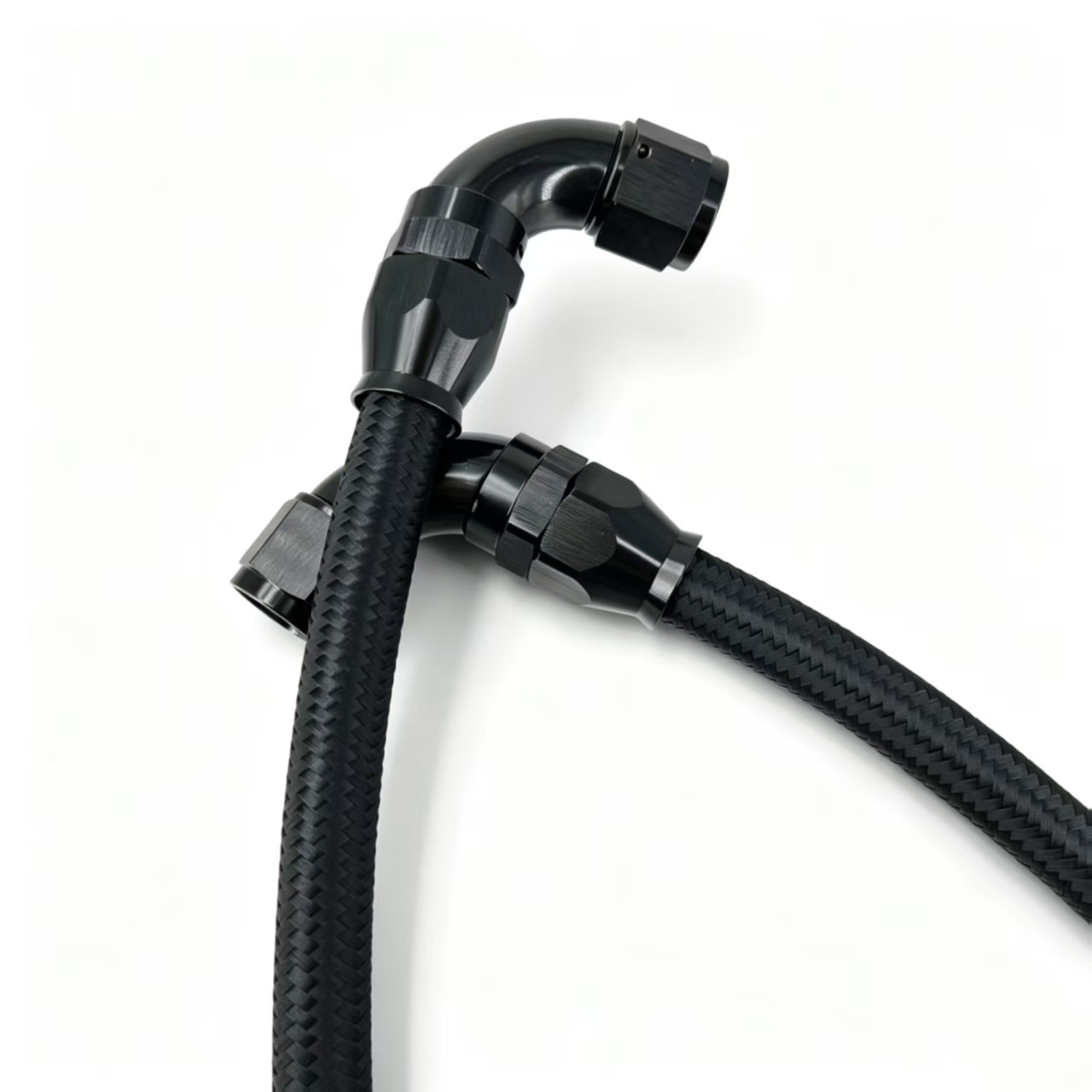
Knowing when to replace your Industrial Hose is critical to maintaining operational efficiency and workplace safety. Equipment downtime caused by unexpected hose failure can cost thousands in lost production, emergency repairs, and potential safety incidents. Rather than waiting for catastrophic failure, understanding the warning signs and replacement timelines helps you plan maintenance strategically and avoid costly disruptions to your operations.
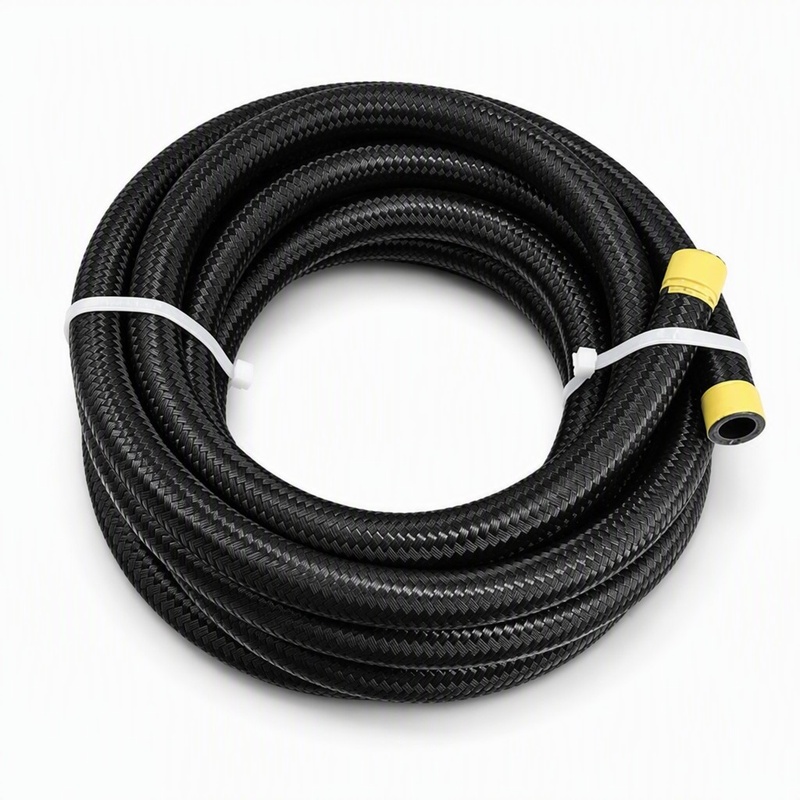
Industrial fluid transfer systems depend on hoses to withstand extreme pressures, temperatures, and chemical exposure. A hydraulic hose assembly or chemical resistant tubing operates under constant stress, gradually degrading from internal and external factors. Establishing clear replacement criteria based on age, condition, and service history ensures your high pressure hose system remains reliable and compliant with safety standards across manufacturing, construction, and processing environments.
Visual Wear and Physical Damage Signs
External Surface Deterioration
Examine your industrial hose regularly for visible cracks, bulges, or abrasion marks on the outer cover. When rubber begins to harden, become brittle, or show significant weathering, the integrity of the hose wall is compromised. Even minor cuts or punctures that penetrate the protective layer create entry points for contaminants and hydraulic fluid leakage. Chemical resistant tubing exposed to sunlight, ozone, or harsh outdoor conditions degrades faster than hoses in controlled environments. If the outer cover shows extensive cracking, peeling, or discoloration, replacement should be scheduled promptly to prevent operational failure.
Internal Deterioration and Leaks
Fluid seepage around hose connections or visible wet spots along the hose length indicate that the internal layers have failed. A high pressure hose system under normal conditions should contain fluid completely without external leaking. Weeping or spraying at connection points means the hydraulic hose assembly has lost its seal integrity. Internal corrosion, material breakdown, or damage to the reinforcement layers cause this failure. If you notice fluid accumulation in equipment bays or smell unusual odors near hose runs, investigate immediately. These signs warrant urgent replacement before complete rupture occurs and equipment damage escalates.
Age, Service History, and Operating Conditions
Manufacturer Recommendations and Timeline
Most industrial hose manufacturers recommend replacement intervals between five and seven years from the date of manufacture, regardless of usage frequency. High pressure hose systems operate under varying stress levels, and hoses stored without use still degrade through oxidation and material hardening. Hydraulic hose assembly components exposed to constant temperature fluctuations or extreme heat cycles age faster than systems in stable conditions. Chemical resistant tubing in petrochemical or processing plants may have shorter service life due to the aggressive nature of fluids they transport. Consult your hose specification sheets and manufacturer documentation to determine the recommended replacement window for your specific application. Aging hoses lose flexibility, become prone to cracking, and fail suddenly even if no visible damage appears.
Operating Stress and Environment Factors
Industrial hoses operating at maximum pressure ratings or in extreme temperature ranges degrade more rapidly than those in moderate conditions. A high pressure hose system regularly cycling between high and low pressures experiences metal fatigue in reinforcement layers and eventual rupture. Mobile equipment subject to vibration, bending, or routing through tight spaces stresses hoses beyond their design limits. Chemical resistant tubing handling corrosive or solvent-based fluids breaks down faster than those transporting neutral hydraulic oil. Equipment operating in dusty, abrasive, or outdoor environments where UV exposure and weather damage occur will require earlier replacement. Review your maintenance logs to track leak incidents, emergency repairs, and pressure spikes. Patterns of recurring problems signal that replacement is overdue and failure risk is elevated.
Safety, Compliance, and Risk Assessment
Pressure Testing and Failure Risk
Regular pressure testing on critical industrial hose runs can detect internal degradation before rupture. A hydraulic hose assembly that fails pressure certification or shows inconsistent performance under load should be replaced immediately. High pressure hose systems that cannot hold rated pressure indicate material breakdown or reinforcement failure. Testing results that decline over successive inspections demonstrate accelerating deterioration and urgency for replacement. If budget allows, proactive pressure testing every two years on mission-critical hoses prevents unplanned downtime. Chemical resistant tubing used in safety-critical applications such as fire suppression or emergency control systems must be tested and certified regularly. Failure to replace hoses that no longer meet pressure specifications creates liability and puts workers at risk.
Regulatory Compliance and Industry Standards
OSHA, ANSI, and ISO standards establish minimum requirements for industrial hose maintenance and replacement in many industries. Certain facilities handling hazardous fluids or operating high-risk processes must comply with mandatory inspection and replacement schedules. Hydraulic hose assembly systems in mining, oil and gas, or chemical processing often fall under strict regulatory oversight. High pressure hose systems in food processing, pharmaceuticals, or medical applications require certification and traceability documentation. Chemical resistant tubing in corrosive environments must meet specific material certifications and undergo documented inspections. Failure to follow compliance timelines can result in facility shutdowns, fines, or loss of operational permits. Verify your industry regulations and work with your safety team to establish a documented replacement schedule that meets all legal requirements and demonstrates due diligence in your maintenance program.
FAQ
How do I know if my industrial hose is still safe to use?
Inspect your industrial hose for external cracks, bulges, fluid leaks, and hardened rubber texture. Check the installation date against manufacturer guidelines, typically five to seven years. If the hose passes visual inspection and pressure testing, it may still be safe, but monitor it closely. Any uncertainty about safety should prompt replacement rather than continued use. Document your inspection results and keep records for compliance purposes.
What is the typical lifespan of a hydraulic hose assembly?
A hydraulic hose assembly typically lasts between five and seven years from manufacture date under normal operating conditions. Hoses in extreme environments or operating at maximum pressures may fail sooner, sometimes within three to five years. Regular maintenance, proper storage, and avoiding unnecessary stress can extend service life. Documenting usage history helps predict replacement timing accurately. High pressure hose systems operating in harsh conditions should be replaced proactively rather than waiting for failure.
Can chemical resistant tubing be repaired instead of replaced?
Small external cuts in chemical resistant tubing can sometimes be patched as a temporary measure, but full replacement is the only permanent solution. Once internal reinforcement is damaged or the hose has reached its manufacturer age limit, repair is not reliable. High pressure hose systems should not be repaired after major failure because safety cannot be guaranteed. Replacement ensures the system meets pressure ratings, safety standards, and performance specifications. Cost savings from attempted repairs often lead to catastrophic failure and greater expenses.
 EN