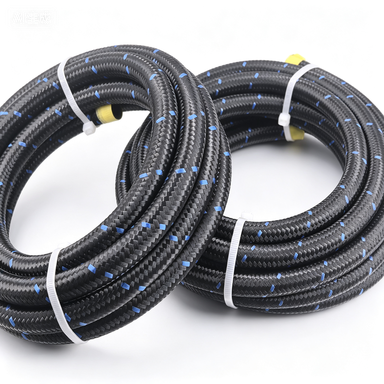
The radiator hose is a critical component in your vehicle's engine cooling system, responsible for circulating coolant between the radiator and engine block to maintain optimal operating temperature. Understanding when to replace your radiator hose can prevent costly engine damage, unexpected breakdowns, and safety hazards on the road. Most vehicle owners overlook this essential maintenance task until a failure occurs, but recognizing warning signs and following manufacturer guidelines ensures your cooling system remains reliable.
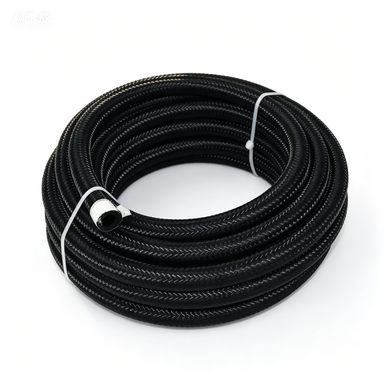
A properly functioning coolant hose prevents engine overheating and protects your vehicle's internal components from thermal stress. Degradation happens gradually through exposure to high temperatures, pressure cycles, and chemical breakdown, making regular inspection part of responsible vehicle maintenance. Knowing the replacement timeline and visible failure indicators helps you stay ahead of problems before they develop into serious mechanical issues.
Mileage and Age Indicators for Radiator Hose Replacement
Standard Replacement Timeline
Most manufacturers recommend replacing your radiator hose every 4 to 6 years or between 30,000 and 50,000 miles, whichever comes first. This timeframe reflects the typical lifespan of rubber hose materials under normal driving conditions and varying climate exposure. However, this is a general guideline; your specific replacement schedule depends on driving habits, climate severity, and the quality of the original coolant hose installed in your vehicle.
Environmental factors play a significant role in coolant hose degradation rates. Vehicles operating in extremely hot climates experience faster rubber deterioration, while cold climates can cause brittleness and cracking. If you regularly tow heavy loads or drive in stop-and-start city conditions, your engine cooling system works harder, potentially shortening the lifespan of hoses. Regular inspection every 12 months helps catch early signs of wear before radiator hose replacement becomes urgent.
Age-Related Deterioration Signs
Even if your vehicle has low mileage, hoses older than 5 years should be inspected closely for deterioration. Rubber naturally becomes brittle and loses flexibility over time, regardless of actual vehicle usage. If your radiator hose appears discolored, feels hard or inflexible when gently squeezed, or shows visible cracks, radiator hose replacement is overdue. An aging coolant hose may hold pressure temporarily but fail suddenly under stress, leaving you stranded.
Visual Warning Signs That Demand Immediate Attention
Visible Damage and Contamination
Inspect your radiator hose regularly for splits, cracks, bulges, or soft spots that indicate internal degradation. Bulging sections suggest the hose interior is separating from the outer rubber layer, weakening pressure capacity. Small leaks around hose connections often precede complete failure, so any visible coolant seepage near clamps or joints warrants prompt radiator hose replacement. Contaminated coolant or a sweet-smelling liquid under your vehicle confirms a leak that must be addressed immediately.
Discoloration ranging from faded to darkened rubber indicates UV damage and material breakdown in the engine cooling system. A radiator hose that feels mushy or collapses easily when squeezed shows internal structural failure, even if external appearance seems normal. These signs confirm that your coolant hose no longer reliably contains pressurized fluid and needs replacement before operating your vehicle.
Performance and Symptom-Based Indicators
Persistent engine overheating despite normal coolant levels often indicates a failed or failing radiator hose that cannot properly circulate coolant. If your temperature gauge climbs quickly or fluctuates erratically, your engine cooling system is not functioning optimally. A weak or collapsed hose restricts coolant flow, causing localized overheating that may trigger warning lights before visible external damage appears.
Sweet-smelling coolant odor inside the cabin or visible steam from under the hood signals an active coolant hose leak. Loss of coolant without visible pooling beneath your vehicle often means the leak is happening inside the engine compartment, typically from a weakened radiator hose connection. If your vehicle starts losing coolant regularly between top-ups, your radiator hose replacement timeline should be moved up immediately to prevent engine damage.
Maintenance and Longevity Best Practices
Preventive Care and Inspection Schedule
Extend the life of your radiator hose by maintaining proper coolant levels and using the manufacturer-recommended coolant type for your specific vehicle. Regular inspection during routine maintenance visits catches early deterioration before a failure interrupts your driving. Check hose connections for tightness, as loose clamps can create micro-tears that accelerate radiator hose replacement needs.
Replace both the upper and lower radiator hose during scheduled maintenance, even if only one shows visible wear, since they experience similar stress in your engine cooling system. Installing a new hose alongside a weakened partner prevents premature failure of the replacement. Quality coolant hose materials, including EPDM rubber options, offer better durability and resistance to temperature fluctuations than standard rubber alternatives.
Professional Service Considerations
Professional technicians have specialized tools to diagnose early coolant hose failure that may not be obvious during casual inspection. They can identify internal separation, micro-cracks, and pressure integrity issues before catastrophic failure occurs. Regular service appointments ensure radiator hose replacement is performed correctly with proper torque specifications on clamps and appropriate coolant flushing before new hoses are installed.
Delaying radiator hose replacement invites risk of sudden failure that can cause engine overheating, internal damage, and expensive repairs costing significantly more than the hose replacement itself. Proactive maintenance of your engine cooling system, including timely radiator hose replacement, protects your vehicle's longevity and maintains reliable performance throughout its service life.
FAQ
How do I know if my radiator hose is failing?
Look for visible cracks, bulges, mushy texture, persistent coolant leaks, discoloration, or engine overheating despite adequate coolant levels. If you notice a sweet coolant smell or steam from under the hood, your radiator hose likely requires immediate replacement to prevent engine damage.
Can I drive with a bad radiator hose?
Driving with a damaged radiator hose risks sudden complete failure, which can cause severe engine overheating and internal damage in minutes. While a minor leak might allow limited short-distance travel to a repair facility, radiator hose replacement should not be postponed once problems are detected.
How much does radiator hose replacement cost?
Radiator hose replacement typically ranges from $150 to $500 depending on vehicle make, model, and whether upper, lower, or both hoses require replacement. Labor costs vary by location and dealership versus independent shops, but prompt radiator hose replacement is far less expensive than engine repairs caused by cooling system failure.
 EN