 EN

when-should-you-service-your-hydraulic-crimping-machine, when-should-you-service-your-hydraulic-crimping-machine, /news
EN
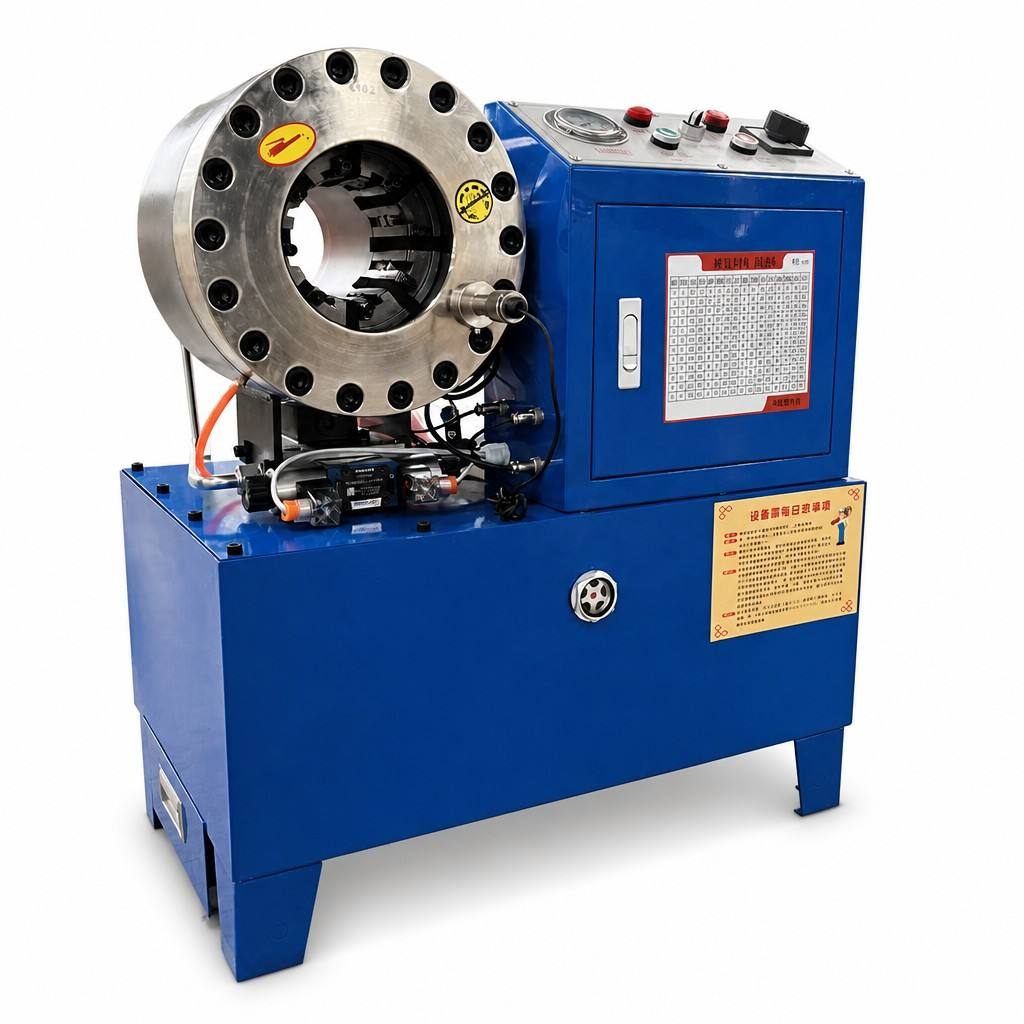
Proper maintenance of your hydraulic crimping machine is essential for maintaining operational efficiency and extending equipment lifespan. Many operators wonder when they should perform routine servicing, and the answer depends on several critical factors including usage intensity, environmental conditions, and manufacturer specifications. Understanding the right servicing schedule prevents costly downtime, ensures consistent crimping quality, and protects your investment in industrial equipment.
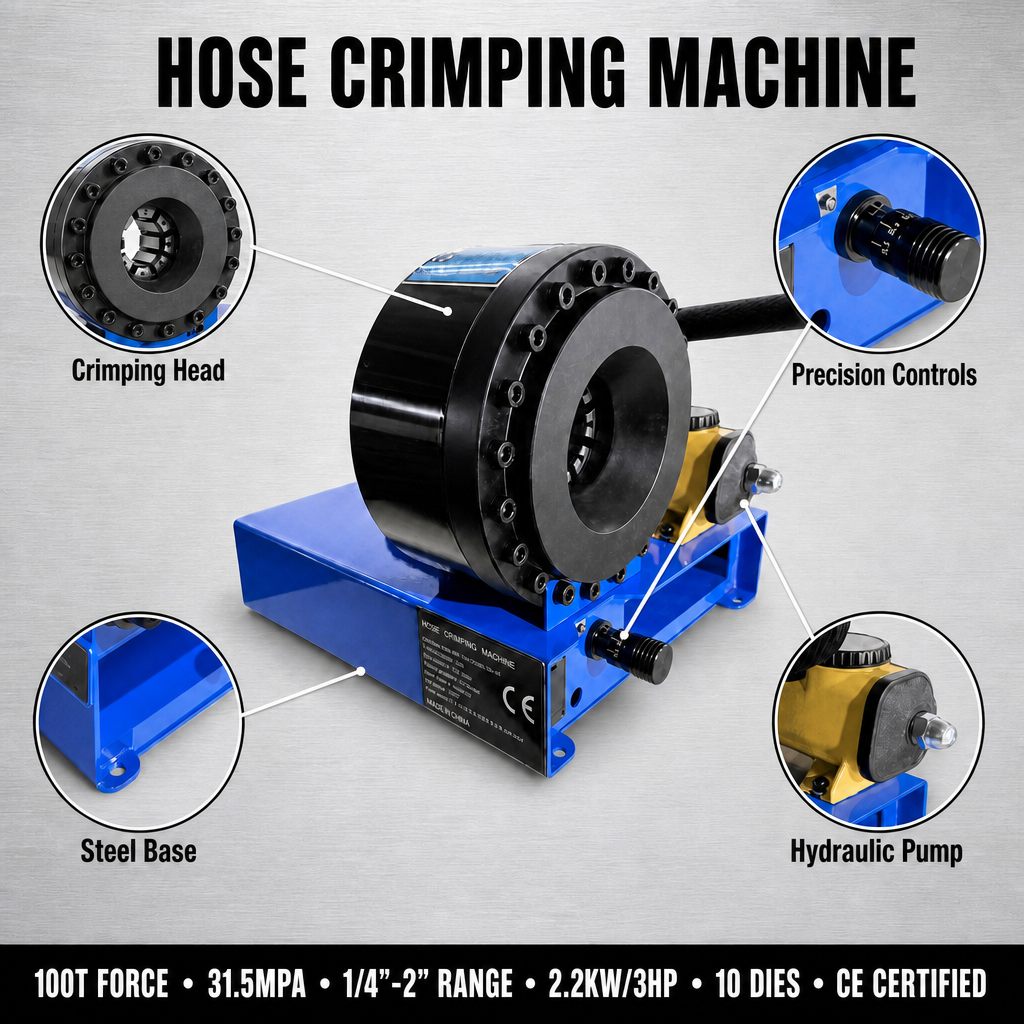
A well-maintained hydraulic crimper tool not only performs better but also delivers consistent results across every hose fitting application. Whether you operate a hydraulic crimping machine in manufacturing, fleet maintenance, or industrial construction, establishing a predictable maintenance routine prevents unexpected failures that disrupt production schedules. This guide explains the key service intervals, warning signs that demand immediate attention, and best practices for keeping your crimping press equipment in peak working condition.
Every hydraulic crimper tool comes with specific maintenance guidelines from the manufacturer. These recommendations account for the machine's design, hydraulic system specifications, and typical operational stress patterns. Your crimping press equipment manual outlines both routine servicing tasks and the intervals at which they should occur, typically measured in hours of operation or calendar time. Following these guidelines ensures your equipment remains within warranty parameters and maintains consistent performance standards for hose fitting crimper applications.
Most standard hydraulic crimping machines require basic inspections every 50 to 100 operating hours, with more comprehensive service every 250 to 500 hours depending on usage intensity. Manufacturers base these intervals on extensive field testing and industry experience. Ignoring these timelines leads to accelerated component wear, decreased crimping precision, and potential safety hazards when working with high-pressure hydraulic systems.
Your actual servicing schedule for a hydraulic crimping machine may need adjustment based on how intensively you operate the equipment. High-volume crimping operations require more frequent maintenance than occasional light-duty applications. A hose fitting crimper operating 40 hours per week experiences different wear patterns than one used 5 hours weekly. Heavy industrial environments with dust, moisture, or temperature fluctuations accelerate component degradation and demand more frequent servicing intervals.
Environmental factors significantly impact maintenance frequency for your crimping press equipment. Machines operating in humid, corrosive, or dusty conditions accumulate contaminants faster and experience accelerated seal wear. If your hydraulic crimper tool works outdoors or in uncontrolled environments, plan on servicing more frequently than equipment used in climate-controlled workshops. High-temperature environments thin hydraulic fluid, while cold conditions thicken it, both affecting system efficiency and requiring adjusted maintenance protocols.
Watch for declining performance in your hydraulic crimping machine as a signal that service is overdue. If your hose fitting crimper produces inconsistent crimp quality, requires longer cycle times, or fails to reach full pressure within normal timeframes, internal contamination or component wear is likely present. Degraded crimping results indicate that your crimping press equipment needs professional inspection and possible component replacement. Never continue operating a machine with noticeably reduced output, as this often masks developing mechanical problems.
Visible changes in operating characteristics provide clear warnings for a hydraulic crimper tool. If the machine sounds louder than normal, vibrates excessively, or operates with jerky movements rather than smooth cycles, internal wear or damaged components require attention. These symptoms rarely resolve independently and typically worsen rapidly, so schedule immediate service rather than hoping the problem self-corrects or delaying until your next scheduled maintenance window.
Fluid leaks represent the most visible warning sign that your hydraulic crimping machine requires immediate servicing. Any hydraulic oil pooling beneath the equipment, dripping from connections, or coating external surfaces indicates seal failure or internal component damage. A small leak today becomes a major system failure tomorrow, potentially causing complete operational shutdown of your hose fitting crimper. Address leaks immediately by having a technician inspect seals, connection points, and cylinder integrity.
Discolored or contaminated hydraulic fluid demands urgent attention for your crimping press equipment. Fluid that appears dark, cloudy, or contains visible particles indicates excessive wear debris or water contamination. Contaminated fluid reduces system efficiency, accelerates component wear, and compromises the reliability of your hydraulic crimper tool. Flush and replace hydraulic fluid whenever it shows these warning signs, rather than waiting for your scheduled maintenance interval. Regular fluid analysis through professional testing helps catch contamination early before it damages expensive internal components.
Implement a simple daily or weekly inspection routine for your hydraulic crimping machine to catch problems early. Check fluid levels, inspect visible connections for leaks, examine hoses for cracks or abrasion, and ensure all safety features operate properly on your hose fitting crimper. Clean external surfaces and remove accumulated debris to prevent contamination from entering the system when accessing components. These quick checks take minimal time but provide early warning of developing issues affecting your crimping press equipment.
Monthly servicing tasks for your hydraulic crimper tool include changing or cleaning intake filters, examining pressure gauge accuracy, and testing safety relief valves. Clean or replace air intake filters to prevent dust from contaminating hydraulic fluid, a common cause of premature component failure. Verify that pressure readings remain consistent and stable during operation, as unusual fluctuations indicate internal wear or sensor problems requiring professional diagnosis and repair of your hydraulic crimping machine.
Schedule professional servicing for your crimping press equipment annually or after every 500 to 1000 operating hours, whichever comes first. A qualified technician performs comprehensive inspections, flushes hydraulic systems, replaces worn seals and gaskets, and tests all functional systems on your hose fitting crimper. Professional service identifies developing problems before they cause equipment failure, maintains manufacturer warranty coverage, and ensures your hydraulic crimping machine continues delivering precise, consistent results. Professional technicians also verify that pressure settings and calibration remain within specification for safe operation.
Keep detailed maintenance records for your hydraulic crimper tool, documenting all service dates, work performed, and parts replaced. These records help establish patterns indicating which components wear fastest and when replacement becomes due. Maintaining complete service history protects your investment, supports warranty claims, and provides valuable data for optimizing the maintenance schedule for your crimping press equipment. Replace major components like cylinders, pumps, and valve assemblies proactively before they fail, preventing unexpected downtime during critical production periods.
Check hydraulic fluid levels on your hose fitting crimper at least weekly, or daily if operating continuously. Low fluid levels reduce system efficiency and can cause air to enter the hydraulic circuit, compromising crimping press equipment performance. Always verify levels with the machine at rest on level ground, using the sight glass or dipstick according to your manufacturer's instructions for your hydraulic crimper tool.
Ignoring maintenance intervals for your hydraulic crimping machine leads to accelerated component wear, reduced crimping quality, increased operational costs, and potential equipment failure. Contaminated hydraulic fluid damages seals and cylinders, while worn internal components reduce pressure delivery and precision. Skipping service on your hose fitting crimper voids warranty coverage and may eventually cause catastrophic failure requiring complete system overhaul instead of preventive maintenance.
Basic maintenance tasks like checking fluid levels and cleaning external surfaces can be performed by trained operators familiar with your hydraulic crimping machine. However, professional technicians should handle fluid replacement, seal servicing, pressure testing, and component replacement on your crimping press equipment. Professional service ensures proper procedures are followed, specialized tools are used correctly, and your hose fitting crimper maintains manufacturer specifications and warranty protection.
