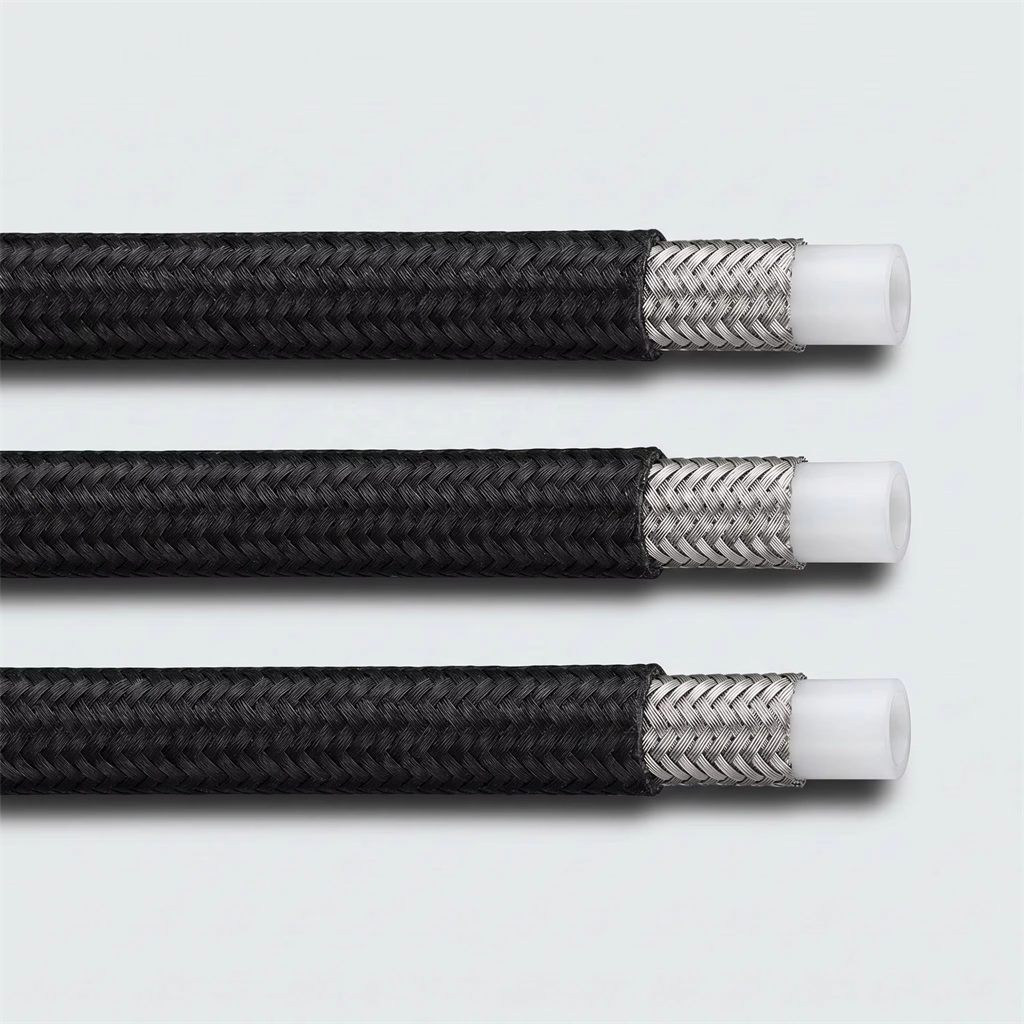
Chemical transfer demands materials that can withstand extreme conditions, corrosive substances, and demanding operational environments. A ptfe braided hose represents one of the most reliable solutions available for industries handling aggressive chemicals, solvents, and specialized fluids. Unlike standard rubber hoses that degrade under chemical exposure, PTFE-based systems offer superior resistance, longevity, and safety performance across pharmaceutical, petrochemical, semiconductor, and food processing applications.
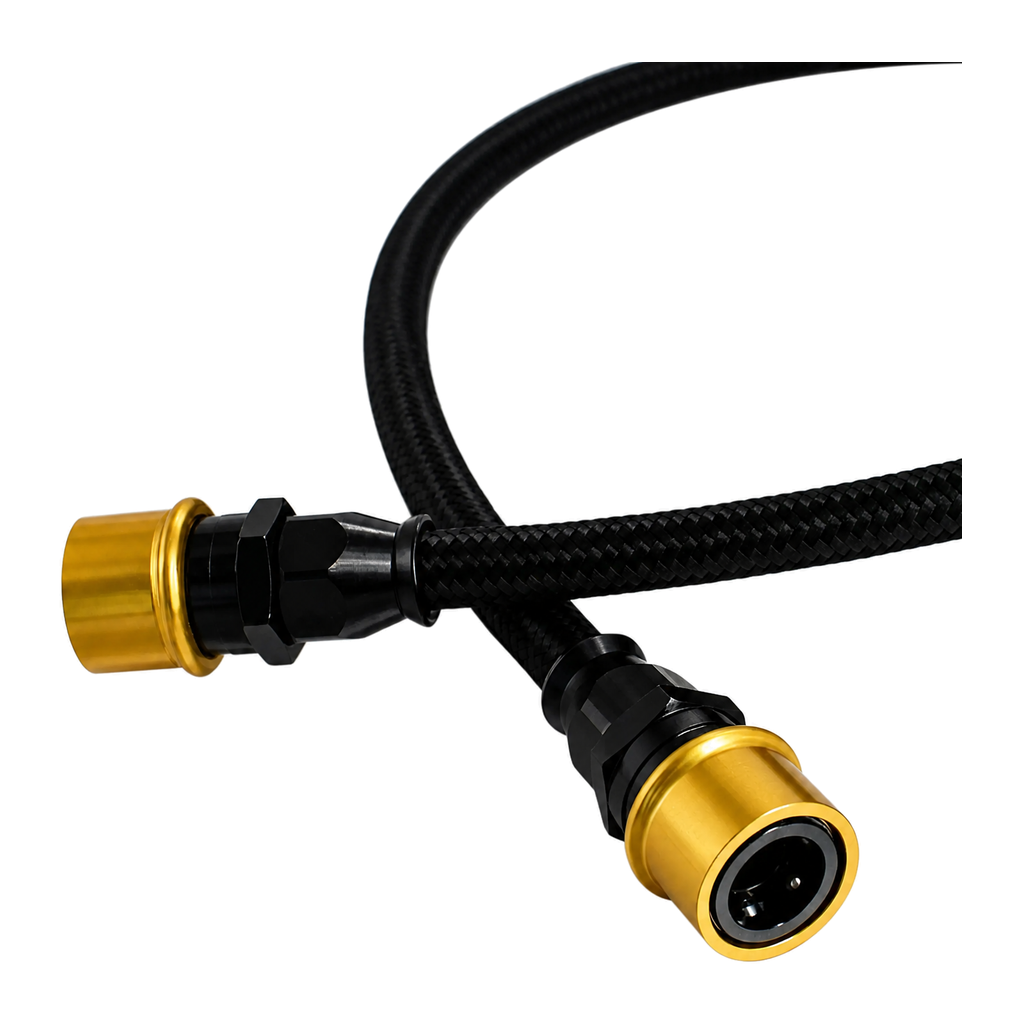
Selecting the right transfer system is not merely a purchasing decision—it affects operational continuity, worker safety, regulatory compliance, and total cost of ownership. Organizations increasingly recognize that teflon braided tubing and fluoropolymer hose assembly options deliver measurable advantages in reliability, chemical compatibility, and performance consistency. Understanding why these systems outperform conventional alternatives helps decision-makers make informed choices that align with their operational and safety requirements.
Superior Chemical Resistance and Compatibility
Why Chemical Compatibility Matters
Chemical resistance forms the foundation of safe fluid transfer. A ptfe reinforced hose constructed with fluoropolymer core materials resists attack from virtually all chemicals, including strong acids, bases, solvents, and specialty compounds. This resistance prevents material degradation, leakage, and contamination that plague traditional rubber hoses. In pharmaceutical operations, even trace rubber particles can compromise batch integrity, triggering costly product loss and regulatory action. Teflon braided tubing eliminates this risk entirely.
Broad Chemical Compatibility Range
The inherent molecular stability of PTFE provides exceptional compatibility across diverse chemical families. Fluoropolymer hose assembly designs remain stable when exposed to hydrocarbons, halogenated solvents, ketones, esters, and corrosive inorganic chemicals. This broad compatibility reduces the need to maintain separate hose inventories for different chemical applications. A single teflon braided tubing specification can often serve multiple transfer scenarios, simplifying procurement, storage, and equipment maintenance while reducing operational complexity and spare parts costs.
Enhanced Safety, Durability, and Reliability
Safety and Contamination Prevention
Chemical leaks present serious hazards to personnel, environmental compliance, and product quality. The ptfe braided hose construction combines an inner fluoropolymer tube with reinforcing textile or wire braiding to create a system that maintains structural integrity under pressure while resisting chemical permeation. Unlike permeable rubber, PTFE exhibits virtually zero absorption rates for most chemicals, preventing fluid migration through hose walls. This property is critical in cleanroom environments, food processing facilities, and pharmaceutical production where contamination risk must be minimized. Fluoropolymer hose assembly systems also eliminate the off-gassing and odor issues common with rubber alternatives.
Extended Service Life and Cost Efficiency
Teflon braided tubing significantly outlasts conventional hoses in harsh chemical environments. Chemical-resistant rubber typically requires replacement every 12–18 months in aggressive applications, while ptfe reinforced hose systems maintain performance for three to five years or longer. This durability directly translates to reduced downtime, fewer emergency replacements, and lower total cost of ownership. The initial investment in fluoropolymer hose assembly is offset by elimination of emergency service calls, production interruptions, and associated labor expenses. Industrial facilities report that the reliability of ptfe braided hose systems justifies premium pricing through improved operational continuity.
Regulatory Compliance and Performance Standards
Meeting Industry and Safety Standards
Regulatory bodies across pharmaceuticals, food processing, semiconductors, and petrochemicals mandate specific material certifications for fluid transfer systems. The ptfe braided hose meets or exceeds FDA regulations, USP Class VI biocompatibility requirements, and NSF/ANSI standards for food contact applications. Teflon braided tubing specifications are documented in ASTM and ISO standards, ensuring compatibility with validation protocols and regulatory audits. Fluoropolymer hose assembly manufacturers maintain comprehensive test data demonstrating compatibility with specific chemicals, pressure ratings, and temperature ranges. This documentation-ready compliance profile simplifies regulatory approval processes and reduces audit risk.
Pressure Rating and Thermal Stability
PTFE core materials maintain mechanical properties across a wide temperature spectrum, typically from minus 40 degrees Celsius to plus 204 degrees Celsius. The ptfe reinforced hose construction preserves structural integrity and burst resistance throughout this range, whereas conventional hoses become brittle at low temperatures or lose strength at elevated temperatures. This thermal versatility enables single-specification hose systems across diverse process conditions. Teflon braided tubing with appropriate reinforcement can handle system pressures from low-flow analytical applications to high-pressure chemical delivery systems. Fluoropolymer hose assembly pressure ratings are validated through rigorous burst testing and documented in technical specifications, supporting equipment design and risk assessment processes.
FAQ
What makes PTFE braided hose superior to standard rubber hoses for chemical applications?
PTFE braided hose resists virtually all chemicals without degradation, maintains performance across extreme temperatures, and eliminates contamination risks from rubber permeation. Standard rubber hoses absorb chemicals, degrade rapidly under chemical exposure, and require frequent replacement. The extended service life and reliability of teflon braided tubing systems reduce total cost of ownership despite higher initial investment.
Can fluoropolymer hose assembly handle both high and low temperature environments?
Yes, PTFE materials maintain structural integrity and chemical resistance across temperatures from minus 40 to plus 204 degrees Celsius. Fluoropolymer hose assembly designs preserve burst resistance and pressure ratings throughout this range, making ptfe reinforced hose suitable for cryogenic, room-temperature, and elevated-temperature applications without specification changes.
How does teflon braided tubing ensure regulatory compliance in pharmaceutical and food processing facilities?
Teflon braided tubing meets FDA, USP Class VI, and NSF/ANSI standards with documented test data for chemical compatibility and material certification. Manufacturers provide comprehensive validation documentation that supports regulatory audits and approval processes, ensuring ptfe braided hose compliance across pharmaceutical and food industry requirements.
 EN