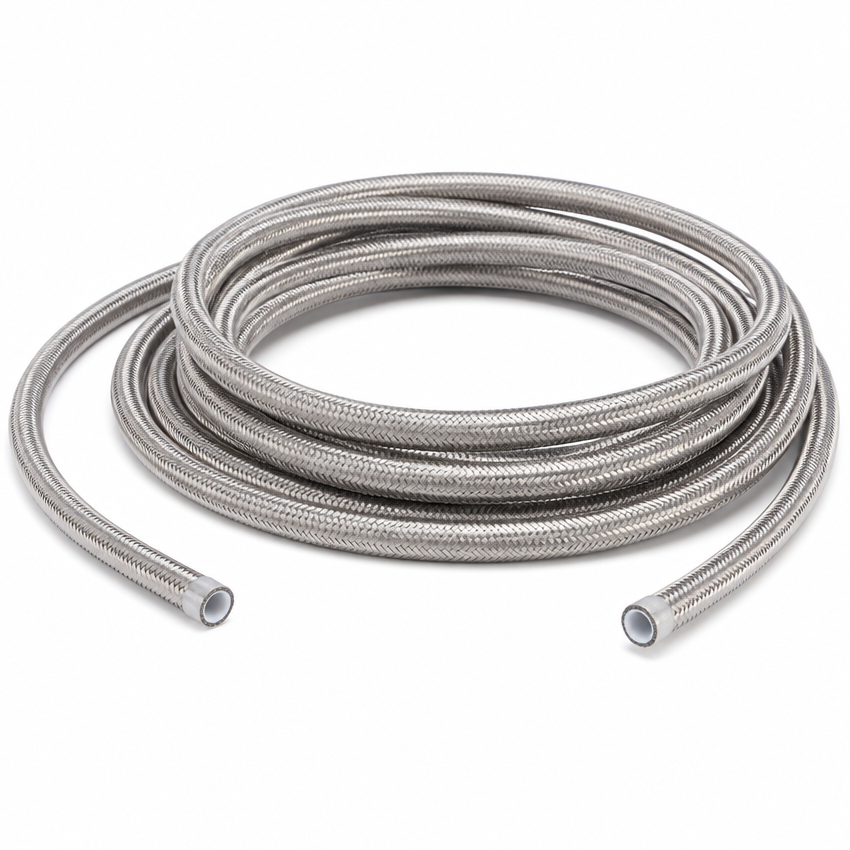
High-purity applications demand materials that resist contamination, maintain chemical stability, and perform reliably under extreme conditions. The ptfe tube has emerged as the industry standard for delivering these critical requirements across pharmaceutical manufacturing, semiconductor processing, food production, and specialty chemical handling. Unlike conventional elastomers or metals, PTFE tubing offers inert properties that preserve product integrity while eliminating the risk of leaching contaminants into sensitive processes.
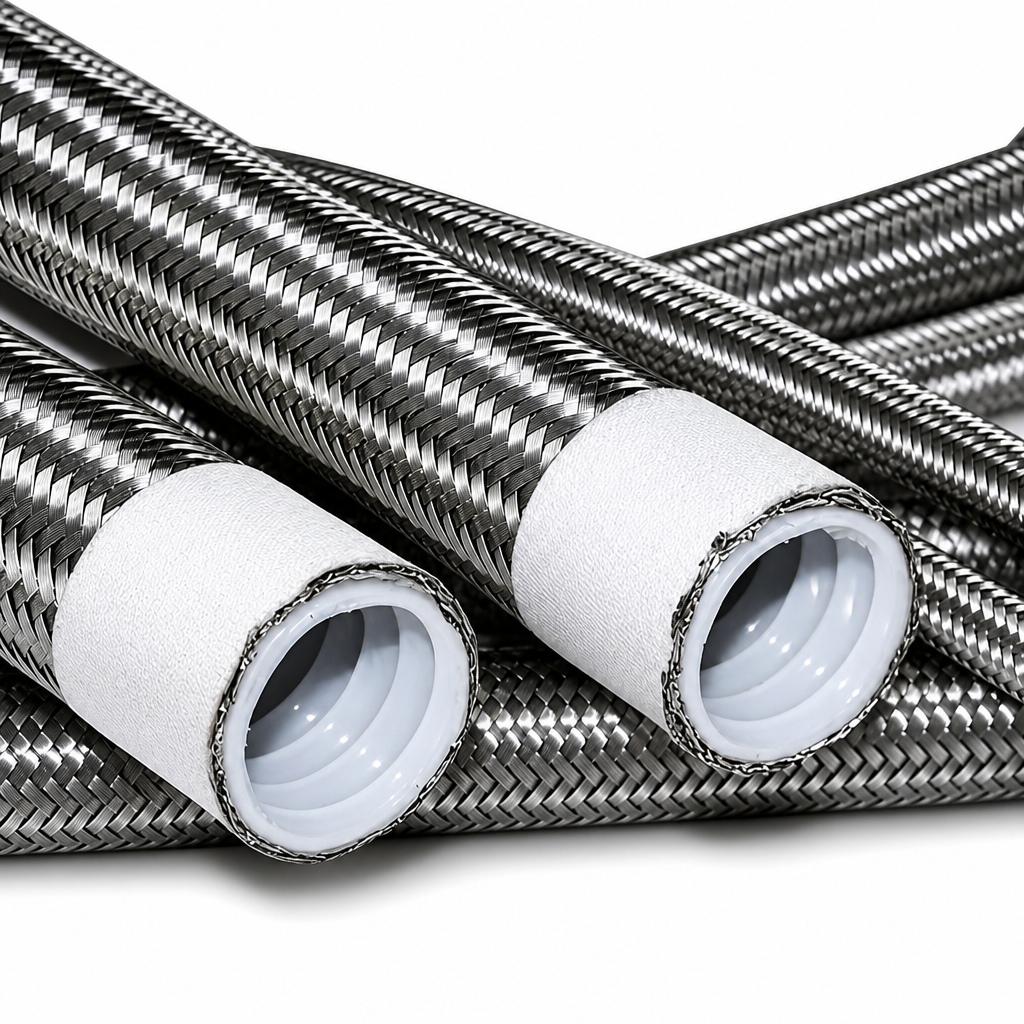
Selecting the right teflon tubing involves understanding how fluoropolymer hose characteristics align with your operational environment. High-purity applications require materials engineered to withstand aggressive solvents, thermal fluctuations, and sterilization cycles while maintaining dimensional stability and flow consistency. PTFE tubing applications span industries where regulatory compliance, product purity, and equipment longevity directly impact profitability and safety outcomes.
Chemical Inertness and Product Integrity
Why Chemical Resistance Matters in High-Purity Processes
Chemical inertness defines PTFE's fundamental advantage in high-purity applications. The fluoropolymer hose structure resists attack from virtually all organic solvents, acids, bases, and oxidizing agents, making it ideal for harsh chemical environments. This resistance ensures that teflon tubing does not degrade, swell, or release particles that could compromise product quality or regulatory compliance.
In pharmaceutical applications, even trace contamination can render entire batches unusable and trigger costly recalls. PTFE tubing applications in sterile filling operations, vaccine manufacturing, and biologics transfer benefit from this inert property because the material contributes zero extractables or leachables to the product stream. The ptfe tube provides a true barrier that separates the fluid path from environmental contaminants while remaining completely neutral to the product itself.
Preventing Cross-Contamination and Material Migration
Material migration represents a silent risk in industries where trace impurities affect product performance or safety. Conventional hoses can leach plasticizers, stabilizers, or polymer fragments into sensitive fluids. PTFE tubing eliminates this concern because fluoropolymer hose chemistry does not contain volatile additives or unstable compounds. This property is especially critical in food processing, where regulatory agencies demand zero tolerance for material migration into consumable products.
Semiconductor manufacturing relies on ultra-pure process chemicals to maintain circuit yield and device reliability. Using teflon tubing ensures that chemical transport lines do not introduce metallic ions, organic compounds, or particulates that could interfere with photolithography or etching processes. The inert nature of PTFE tubing applications makes it the preferred choice for transporting precursor chemicals, etchants, and cleaning solutions in fabrication facilities.
Thermal Stability and Performance Range
Operating Beyond Standard Temperature Limits
PTFE tubes maintain structural integrity and chemical resistance across a wider temperature range than most alternative materials. Standard fluoropolymer hose can operate continuously from minus forty to two hundred sixty degrees Celsius, with brief excursions beyond these limits without permanent degradation. This thermal stability ensures that teflon tubing performs reliably in cryogenic applications, high-temperature processing, and sterilization cycles.
In specialty chemical manufacturing, processes often require heating reactant streams to accelerate reactions or cool products to precise temperatures during precipitation or crystallization stages. The ptfe tube withstands these thermal swings without warping, cracking, or losing dimensional tolerance. PTFE tubing applications in laboratory and pilot-scale operations benefit from this flexibility because equipment can be readily adapted to new recipes and conditions without replacing tubing infrastructure.
Sterilization Compatibility and Reusability
Autoclave sterilization, steam sterilization, and chemical sterilization methods all pose challenges to flexible tubing materials. PTFE tubing exhibits exceptional resistance to these sterilization processes, allowing it to be cleaned, sterilized, and reused multiple times without degradation or performance loss. This reusability reduces operational costs and environmental impact compared to single-use alternatives.
Biotech facilities and contract manufacturers rely on teflon tubing specifically because it survives repeated sterilization cycles without embrittlement or loss of flexibility. The fluoropolymer hose structure remains unchanged after exposure to steam, ethylene oxide, or hydrogen peroxide sterilization, ensuring that PTFE tubing applications in sterile transfer systems maintain consistency across thousands of production runs. This reliability translates to predictable equipment performance and reduced maintenance downtime.
Compliance, Durability, and Long-Term Cost Effectiveness
Meeting Regulatory and Industry Standards
Regulatory bodies in pharmaceutical, medical device, and food industries have established strict material standards for process equipment. PTFE tubes meet FDA, USP, and European Pharmacopoeia requirements, providing documented evidence of material purity and suitability for regulated applications. Choosing teflon tubing ensures compliance with current regulations while protecting against future changes in material restrictions.
Quality assurance teams require material certifications that confirm chemical composition, extractables testing, and biocompatibility where applicable. PTFE tubing applications benefit from comprehensive documentation available from reputable manufacturers, demonstrating that the fluoropolymer hose meets or exceeds regulatory expectations. This documentation supports audits, regulatory submissions, and customer confidence in process integrity.
Extended Service Life and Operational Efficiency
While the initial investment in premium ptfe tube products may exceed that of conventional materials, the extended service life delivers superior total cost of ownership. PTFE tubing applications show minimal degradation over years of continuous operation, reducing unplanned replacements, maintenance shutdowns, and associated production losses. The durability of teflon tubing means that equipment modifications and process changes can be implemented without immediate tubing replacement.
Fluoropolymer hose resistance to environmental stress cracking and chemical attack translates to predictable replacement intervals based on operational hours rather than material failure. In high-volume manufacturing environments, this predictability enables preventive maintenance scheduling that aligns with production planning cycles. The combined benefits of chemical resistance, thermal stability, and mechanical durability make PTFE tubing the rational choice for applications where product purity and equipment reliability directly impact profitability.
FAQ
What makes PTFE tubing superior to standard rubber or polyurethane hoses?
PTFE tubes provide complete chemical inertness, meaning they resist virtually all solvents, acids, and bases without degradation or contamination transfer. Standard rubber and polyurethane hoses swell, leach additives, or deteriorate when exposed to aggressive chemicals. Teflon tubing maintains dimensional stability and purity across extreme temperature ranges, while conventional materials lose flexibility or strength at temperature extremes. For high-purity applications where even trace contamination is unacceptable, the ptfe tube delivers performance that alternative materials cannot match.
Are PTFE tubing applications limited to specific industries?
While PTFE tubing excels in pharmaceutical, semiconductor, and food processing industries, fluoropolymer hose applications extend to chemical manufacturing, laboratory research, medical devices, cosmetics production, and specialty fluid handling. Any industry requiring chemical inertness, contamination prevention, or regulatory compliance benefits from the properties of teflon tubing. The versatility of ptfe tube makes it a standard choice across diverse sectors where product purity and equipment reliability are paramount.
How does the cost of PTFE tubing compare to conventional alternatives?
Although initial purchase price for teflon tubing exceeds that of rubber or plastic alternatives, total cost of ownership typically favors PTFE tubes due to extended service life, reduced maintenance, and elimination of contamination-related batch losses. Fluoropolymer hose durability means fewer replacement cycles and less unplanned downtime. For high-purity applications where a single contamination event could destroy an entire production batch worth thousands of dollars, the investment in quality ptfe tubing applications is easily justified by risk mitigation and operational consistency.
 EN