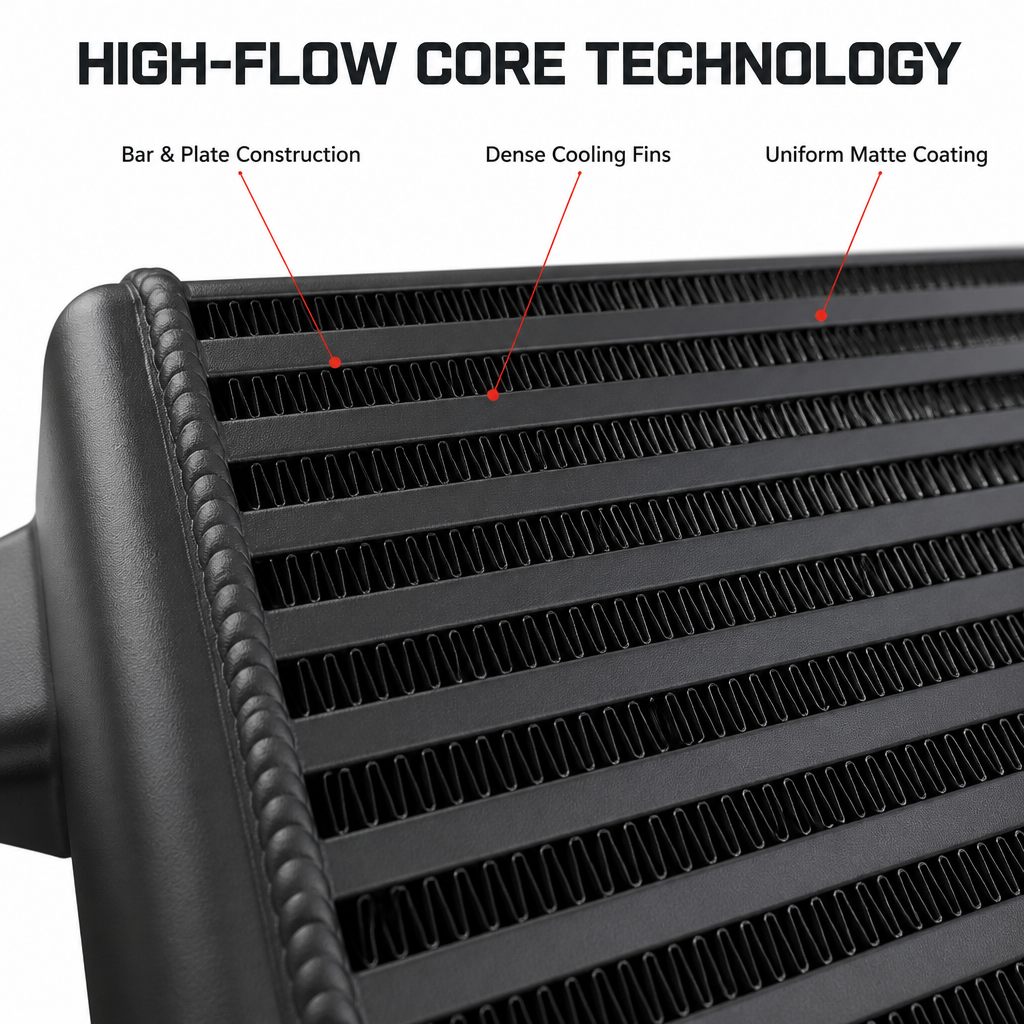
An intercooler plays a critical role in turbocharged engine systems by reducing the temperature of compressed air before it enters the combustion chamber. When a turbocharger compresses incoming air, the compression process generates significant heat, which reduces air density and overall engine efficiency. By cooling this compressed air, an intercooler restores density and oxygen content, allowing the engine to burn fuel more effectively and produce greater power output while maintaining reliability.
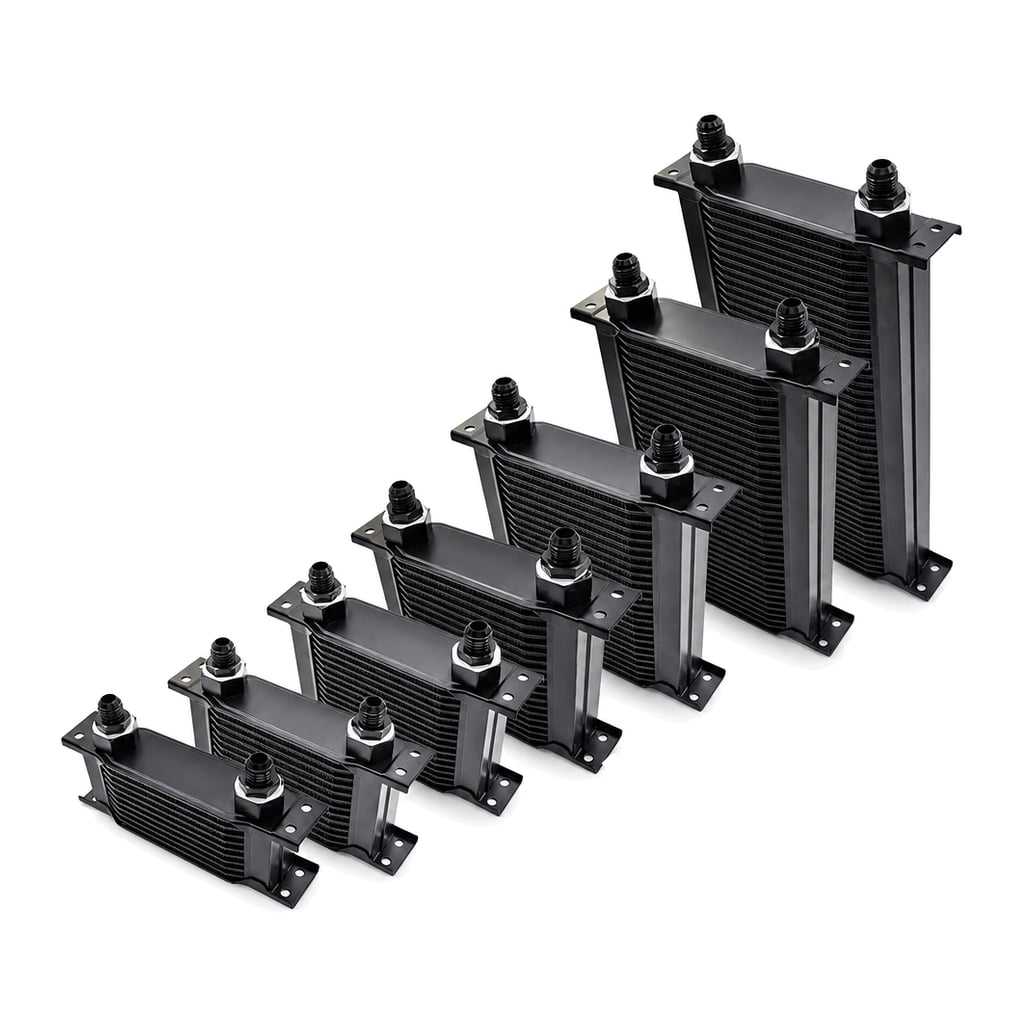
Understanding how intercooler efficiency works reveals why proper cooling design, installation, and maintenance matter for turbocharged engine performance. An effective intercooler reduces intake air temperature by 50 to 100 degrees Fahrenheit or more, depending on environmental conditions and system design. This temperature reduction directly translates to denser intake charge, improved combustion efficiency, higher horsepower delivery, and reduced engine knock risk. Industrial and automotive applications rely on intercoolers to achieve consistent performance under demanding operating conditions.
How Intercooler Efficiency Improves Air Density and Combustion
The Role of Temperature Reduction in Engine Performance
Turbocharged engines compress intake air to increase oxygen concentration in the combustion chamber, but this compression generates heat as an unavoidable byproduct. Without cooling, compressed air becomes less dense, negating many benefits of turbocharging. An intercooler removes this excess heat through advanced heat transfer, restoring air density to near-ambient levels. This restored density means more oxygen molecules enter each cylinder, enabling richer fuel combustion and greater energy release per cycle. The result is measurable improvements in power output, fuel economy, and engine longevity.
Intercooler Efficiency and Horsepower Gains
Modern turbocharged engines depend on high intercooler efficiency to unlock full performance potential. A well-designed intercooler can increase effective horsepower by 10 to 20 percent compared to inadequate cooling systems. This gain occurs because cooler intake air allows engine control systems to advance ignition timing, increase fuel injection quantity, and optimize combustion parameters. Racing and high-performance applications push intercooler efficiency to extreme levels, using oversized core designs and advanced materials to achieve temperature drops exceeding 120 degrees Fahrenheit. Even in standard automotive applications, intercooler efficiency directly impacts real-world acceleration, towing capacity, and reliability under sustained load.
Turbocharged Engine Cooling System Design and Integration
Core Design Elements Affecting Cooling Performance
Turbocharged engine cooling relies on intercooler core design, fin density, tube configuration, and material selection to maximize heat transfer. Air-to-air intercoolers use aluminum cores with precision-engineered fins that create turbulent airflow across temperature gradients, enhancing heat dissipation efficiency. Core size, measured in square inches of surface area, directly correlates with cooling capacity—larger cores provide greater temperature reduction but increase weight and aerodynamic drag. Tube design influences flow distribution; uneven flow paths reduce intercooler efficiency by creating hot spots where compressed air bypasses full cooling contact. Front-mounted placement, side-mounted configurations, and internal routing all affect ambient airflow availability and overall system effectiveness for turbocharged engine cooling.
Integration with Engine Management Systems
Modern engine control units monitor intercooler outlet temperature via dedicated sensors to optimize combustion parameters in real time. When intercooler efficiency drops due to blockage or degradation, the ECU detects elevated intake temperatures and adjusts fuel injection and ignition timing to prevent knock and maintain safety margins. This adaptive response masks performance loss temporarily but indicates declining intercooler efficiency and pending maintenance needs. Proper integration ensures that turbocharged engine cooling maintains design specifications throughout the service life of the vehicle or equipment. Diagnostic systems flag excessive temperature rise as a warning sign, prompting inspection and cleaning or replacement before catastrophic performance loss occurs.
Intercooler Maintenance Requirements and Long-Term Efficiency
Identifying and Preventing Efficiency Degradation
Intercooler efficiency naturally declines over time due to dust accumulation, oil residue buildup, and corrosion on fin surfaces. Environmental contaminants—road salt, industrial fallout, and particulate matter—lodge between fins, reducing airflow and heat transfer effectiveness. Engine oil mist from positive crankcase ventilation systems deposits oily residue that traps additional dirt and restricts cooling. Regular visual inspection of intercooler core condition helps identify blockage before performance noticeably declines. High-mileage vehicles operating in dusty or corrosive environments experience faster intercooler efficiency loss and require more frequent maintenance cycles than those in clean conditions.
Cleaning, Service, and Replacement Strategies
Intercooler maintenance extends cooling system life and preserves turbocharged engine cooling performance. Professional cleaning uses low-pressure water spray or compressed air to remove surface contaminants without damaging delicate fins. Chemical cleaning solvents dissolve oily deposits but require careful application to avoid aluminum corrosion. Seasonal pre-winter cleaning prevents salt and road debris accumulation in cold climates. When intercooler efficiency cannot be restored through cleaning—indicated by persistent high intake temperatures—replacement becomes necessary to maintain power output and reliability. Quality replacement intercoolers engineered for specific vehicle platforms deliver intercooler efficiency ratings matching or exceeding original specifications, ensuring optimal turbocharged engine cooling restoration.
FAQ
What temperature reduction does a high-efficiency intercooler provide?
A quality intercooler typically reduces compressed air temperature by 50 to 100 degrees Fahrenheit under normal operating conditions. High-performance intercoolers with larger cores and optimal airflow design achieve temperature drops exceeding 120 degrees Fahrenheit. Temperature reduction depends on ambient air temperature, engine load, and intercooler efficiency rating. Consistent temperature reduction across varying driving conditions indicates healthy intercooler performance and proper system integration.
How often should intercooler maintenance be performed?
Intercooler maintenance frequency depends on operating environment and driving conditions. Vehicles in clean environments should be inspected annually and cleaned every 15,000 to 20,000 miles. Heavy-duty applications, towing, or dusty environments require more frequent cleaning every 10,000 to 12,000 miles. Engine control system diagnostics indicating elevated intake temperatures warrant immediate inspection. Proactive intercooler maintenance preserves efficiency and prevents unexpected performance loss during critical driving situations.
Can poor intercooler efficiency cause engine damage?
Severely degraded intercooler efficiency forces engine control systems to reduce boost pressure or ignition timing to prevent knock and overheating. This protective response limits horsepower and fuel economy noticeably. If intercooler efficiency fails completely, sustained detonation, piston ring wear, and bearing damage become likely outcomes. Modern engine safeguards reduce immediate damage risk, but prolonged operation with poor intercooler cooling accelerates internal wear. Regular maintenance and prompt replacement of failing intercoolers protects long-term engine integrity and performance reliability.
 EN