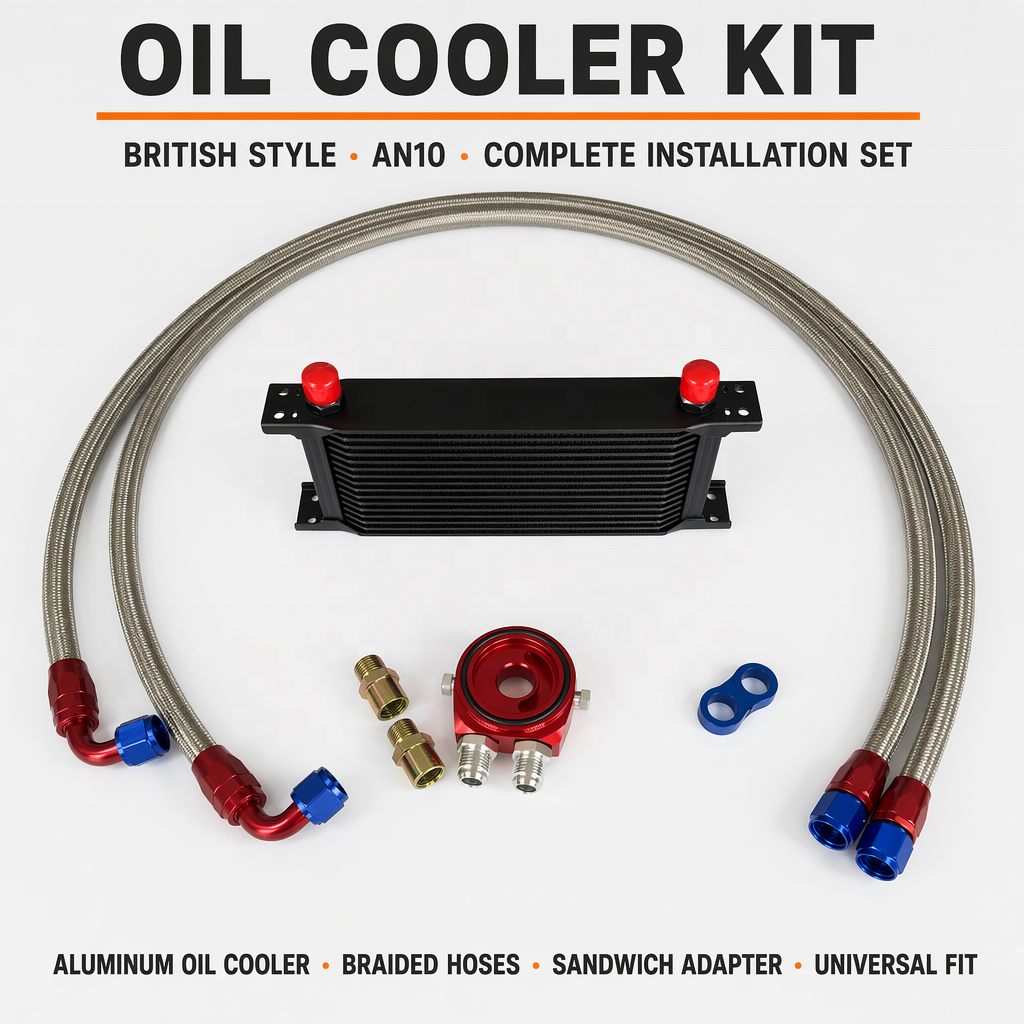
Engine overheating remains one of the most damaging threats to vehicle longevity and performance. When an engine runs too hot, internal components degrade rapidly, seals fail, and catastrophic mechanical failure becomes inevitable. The solution lies in understanding how an oil cooler works to regulate temperature and protect your investment. An oil cooler is a specialized heat exchanger designed to remove excess thermal energy from engine oil before it circulates back through the engine block. This passive yet highly effective cooling device has become essential in modern engines, particularly in high-performance, turbocharged, and heavy-duty applications where standard cooling systems alone cannot manage peak operating temperatures.
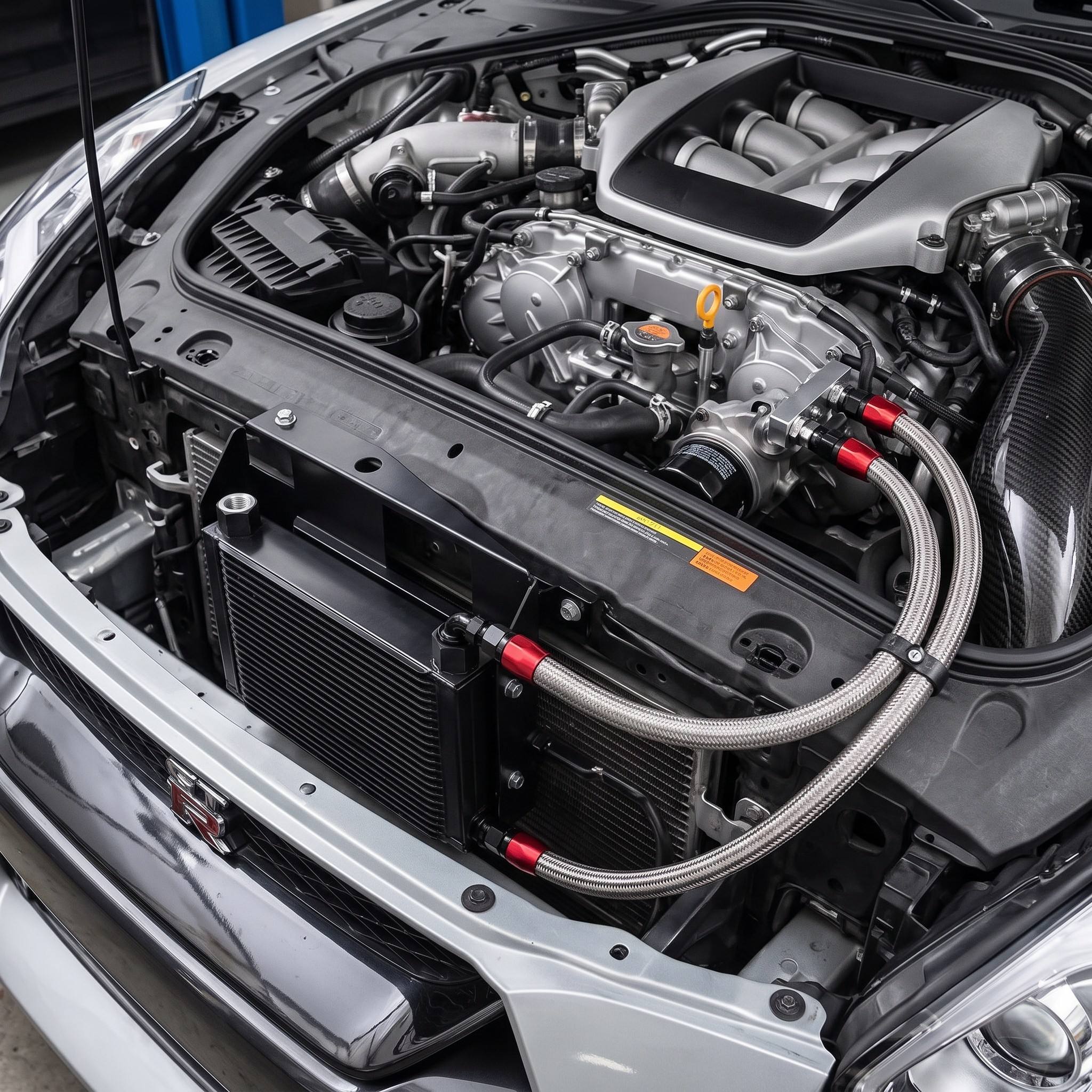
The fundamental principle behind an oil cooler is straightforward but powerful: engine oil serves as both a lubricant and a thermal conductor. As oil circulates through the engine, it absorbs tremendous heat from combustion chambers, bearings, and moving parts. Without adequate cooling, this thermal energy accumulates, raising oil temperature beyond safe operating limits. An oil cooling system intercepts this hot oil, passes it through finned cooling passages, and allows ambient air or coolant to dissipate the heat before the oil returns to the engine. This continuous heat rejection process keeps oil viscosity stable, prevents thermal degradation, and maintains optimal engine performance under extreme conditions.
Understanding Oil Cooling System Function
How Heat Transfer Works in an Oil Cooler
An oil cooling system operates on fundamental heat transfer principles. Hot oil from the engine enters the cooler through inlet ports and flows through internal passages or tubes surrounded by cooling fins. These fins dramatically increase the surface area exposed to ambient air, allowing rapid heat dissipation. As the oil travels through the cooler, temperature drops significantly, typically by 15 to 40 degrees Fahrenheit depending on ambient conditions and cooler efficiency. The cooled oil then exits through outlet ports and returns to the engine lubrication circuit, ready to absorb additional heat during the next cycle.
The effectiveness of this process depends on several factors. An engine oil cooler must maintain proper flow rate without restricting oil circulation, as blockages can starve bearings of lubrication and cause catastrophic damage. The cooler's design balances cooling capacity against pressure drop to ensure both thermal management and adequate oil delivery. Temperature sensors monitor oil temperature in real time, and modern engine management systems may activate additional cooling measures or adjust performance parameters when oil temperature approaches critical thresholds.
The Role of Transmission Oil Coolers
While engine oil coolers manage engine thermal loads, a transmission oil cooler performs a similar critical function for automatic transmissions. Transmission fluid experiences intense friction-induced heating during gear shifts, especially in high-torque driving conditions or towing applications. A transmission oil cooler prevents fluid degradation by removing this excess heat before it compromises shift quality, clutch friction characteristics, and overall transmission longevity. Many modern vehicles integrate both an engine oil cooler and transmission oil cooler into a unified or dual cooling strategy to manage thermal loads across multiple systems simultaneously.
Engineering Benefits and Performance Impacts
Temperature Regulation and Engine Reliability
Maintaining engine oil within optimal temperature ranges delivers profound reliability benefits. Engine oil typically performs best between 200 and 220 degrees Fahrenheit; below this range, oil remains too thick to circulate efficiently, and above it, viscosity collapses, reducing film strength and allowing metal-to-metal contact. An oil cooling system keeps temperature in this sweet spot, ensuring consistent lubrication quality throughout engine operation. This thermal stability directly translates to reduced wear rates, extended bearing life, and fewer unexpected failures in the field.
Turbocharged and supercharged engines generate significantly more heat than naturally aspirated counterparts, making an efficient oil cooler absolutely essential for their survival. High-performance engines with aggressive tuning also demand superior cooling capacity to prevent oil breakdown and maintain power output. Heavy-duty diesel engines experience extreme compression heat and benefit tremendously from robust oil cooling systems that prevent sludge formation and extend oil drain intervals. Without proper cooling, these engines would quickly self-destruct under their own thermal stress.
Performance Consistency Under Load
Drivers of performance vehicles, towing rigs, and industrial equipment often push engines to their limits. An oil cooling system enables sustained high-performance operation by preventing thermal throttling, where the engine management system reduces power to protect the engine from overheating. When oil temperature remains controlled, engines maintain full output capability lap after lap, pass after pass, or shift after shift. This performance consistency is invaluable in racing, commercial transportation, and any application where reliability and power delivery cannot be compromised by thermal constraints.
Installation, Maintenance, and Best Practices
Proper Cooler Selection and Integration
Selecting the right oil cooler requires matching cooling capacity to engine power output, driving style, and ambient conditions. A cooler sized too small cannot adequately manage peak thermal loads, while an oversized cooler wastes money and adds unnecessary weight. Professional installation ensures proper plumbing integration, correct thermostat settings if applicable, and adequate airflow around cooling fins. The cooler must be positioned where it receives sufficient air exposure, typically in front of the radiator or integrated within the engine bay cooling architecture.
Monitoring and Maintenance Strategies
Once installed, an oil cooling system requires routine inspection and maintenance. Cooling fins accumulate dirt, bugs, and debris that restrict airflow and compromise heat dissipation efficiency. Periodic cleaning with low-pressure water or compressed air restores cooling performance and prevents thermal creep. Oil analysis programs should monitor oil temperature trends and viscosity stability; rising temperatures despite recent servicing may indicate a fouled cooler requiring professional cleaning. Regular oil changes with quality synthetic blends support the oil cooling system by maintaining optimal thermal properties and protecting against oxidation that accelerates with elevated temperatures.
FAQ
Does every engine need an oil cooler?
Not every engine requires an aftermarket oil cooler; modern factory cooling systems typically suffice for standard driving conditions. However, performance modifications, turbocharged engines, towing-focused vehicles, and engines operated in extreme climates or demanding duty cycles benefit significantly from an engine oil cooler. If you notice rising oil temperatures during spirited driving or consistently load your engine near maximum capacity, adding an oil cooling system is a prudent investment in reliability.
What is the difference between an engine oil cooler and transmission oil cooler?
An engine oil cooler manages thermal loads from the engine's combustion and mechanical friction, while a transmission oil cooler addresses heat generated by transmission fluid friction during shifting and load application. Each performs its own critical cooling function; some vehicles integrate both systems to achieve comprehensive thermal management across all fluid circuits.
How often should an oil cooler be serviced?
An oil cooling system typically requires cleaning every 12 to 24 months, depending on driving conditions and environmental debris exposure. Vehicles operated in dusty environments or extreme climates may need more frequent maintenance. Monitor oil temperature gauges and perform visual inspections of cooler fins regularly; if fins appear caked with dirt or oil temperature climbs unexpectedly, professional cleaning or replacement may be necessary.
 EN