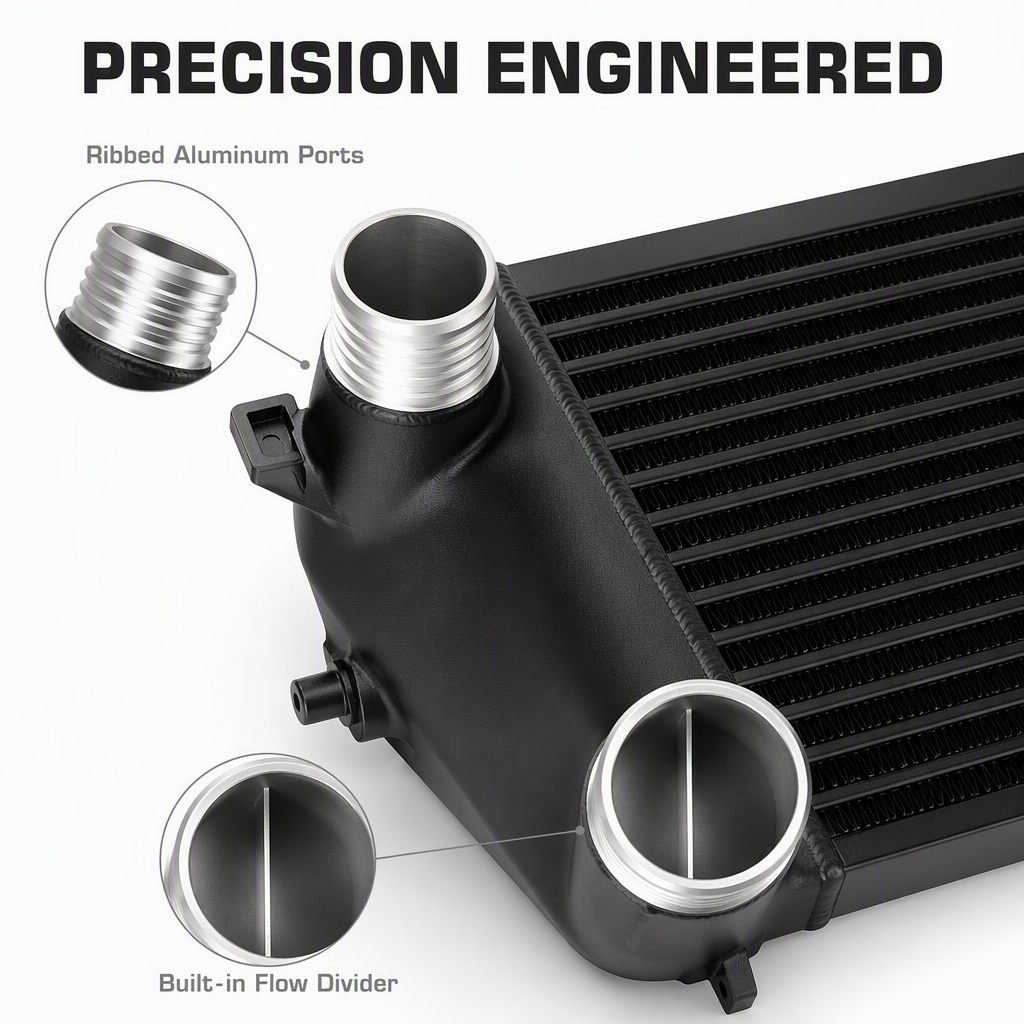
An intercooler is a critical component in any turbocharged engine cooling system, designed to cool compressed air after it leaves the turbocharger and before it enters the engine. Understanding how long an intercooler lasts and what factors influence its lifespan is essential for maintaining peak turbocharged engine cooling performance and avoiding costly engine damage.
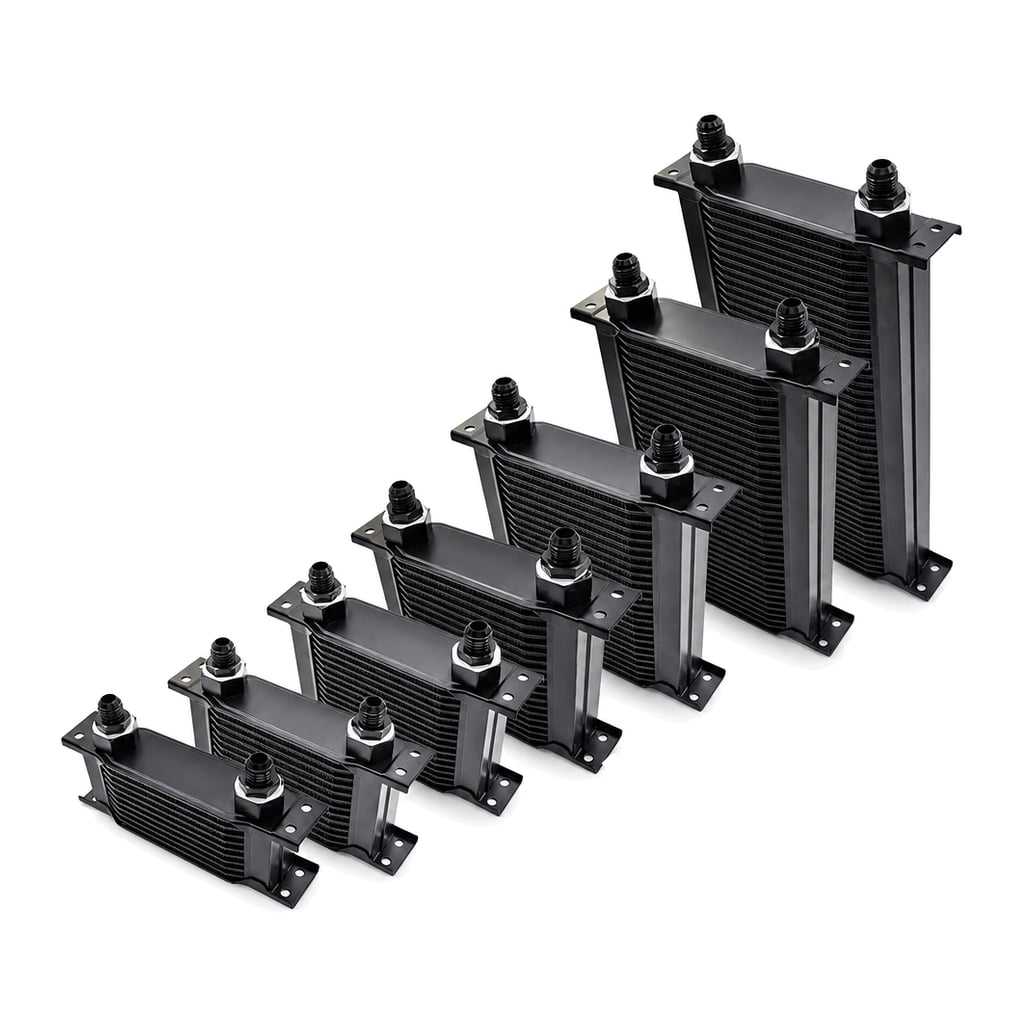
Most intercoolers are engineered to last between 80,000 and 150,000 miles under normal driving conditions, though some high-quality units can exceed 200,000 miles with proper intercooler maintenance and care. The actual lifespan depends heavily on driving habits, climate conditions, and the quality of intercooler efficiency management throughout the vehicle's life.
Typical Lifespan and Operating Conditions
Expected Durability Range
Factory-installed intercooler systems in modern turbocharged vehicles typically demonstrate reliability for 100,000 to 150,000 miles when operating under standard conditions. Performance aftermarket intercoolers often provide enhanced intercooler efficiency and can achieve extended service lives when installed correctly and maintained consistently. The durability of an intercooler depends significantly on how well the turbocharged engine cooling system operates overall and whether regular maintenance intervals are followed.
Environmental Impact on Lifespan
Harsh environmental conditions dramatically reduce intercooler lifespan. Vehicles operating in hot climates experience accelerated core deterioration because the intercooler efficiency demands increase under high ambient temperatures. Dust, debris, and road salt exposure can corrode aluminum cores and damage intercooler fins, while cold climates may cause condensation buildup that leads to internal corrosion. Regular cleaning and inspection help maintain optimal intercooler efficiency regardless of environmental stress.
Factors That Determine Intercooler Longevity
Driving Habits and Thermal Stress
Aggressive driving, frequent acceleration, and prolonged high-boost pressure operation significantly shorten intercooler lifespan by subjecting the component to sustained thermal stress. Turbocharged engine cooling systems experience their greatest demands during spirited driving, which directly impacts intercooler efficiency and overall durability. Conservative driving habits, gradual acceleration, and allowing adequate warm-up periods help preserve the intercooler's core integrity and cooling capacity.
Maintenance and Intercooler Efficiency
Proper intercooler maintenance directly extends component lifespan and preserves intercooler efficiency. Regular cleaning of external fins removes accumulated dust and debris that restricts airflow and forces the intercooler to work harder. Checking intercooler hose connections, inspecting for leaks, and verifying optimal boost pressure levels all contribute to sustained performance. Vehicles receiving consistent intercooler maintenance typically experience 20 to 30 percent longer service life compared to neglected systems.
Quality of Installation and Components
Premium aftermarket intercoolers engineered for superior intercooler efficiency often outlast economy options due to thicker aluminum construction and advanced cooling core designs. Proper installation with quality hoses, fittings, and mounting hardware prevents vibration damage and ensures reliable turbocharged engine cooling. Substandard installations that allow excessive movement or improper fitment accelerate core degradation and reduce overall intercooler lifespan significantly.
Signs Your Intercooler May Be Failing
Performance Degradation Indicators
Declining intercooler efficiency manifests as reduced engine performance, higher intake air temperatures, increased turbo lag, or difficulty reaching expected boost levels. Loss of intercooler efficiency may also cause engine knock or detonation under hard acceleration, particularly at higher boost pressures. Rising engine coolant temperatures combined with stable ambient conditions suggest the turbocharged engine cooling system is losing effectiveness.
Physical Damage and Leaks
Visible corrosion, bent fins, or white residue on aluminum surfaces indicate intercooler core deterioration. Coolant leaks from intercooler hose connections, oil contamination around the intercooler, or unusual hissing sounds during boost signal internal damage or failed seals. These physical signs require immediate inspection to prevent complete intercooler failure and subsequent engine damage from inadequate turbocharged engine cooling.
Extending Your Intercooler Lifespan
Preventive Maintenance Practices
Maintaining intercooler efficiency requires routine cleaning with compressed air directed from back to front through the core fins. Inspect all intercooler hose clamps quarterly and replace any cracked or deteriorated hoses immediately. Monitor boost pressure settings to ensure they remain within manufacturer specifications, as excessive boost dramatically degrades intercooler durability. Annual professional inspections can identify early signs of intercooler degradation before catastrophic failure occurs.
Operational Best Practices
Allow the turbocharged engine cooling system adequate warm-up time before aggressive driving, as this prevents thermal shock to the intercooler core. Avoid prolonged idling with active boost engagement, which forces the intercooler to work without adequate airflow. Maintaining proper engine tune and fuel quality ensures the intercooler efficiency remains optimized and internal stresses stay minimized. Strategic driving habits combined with consistent maintenance can extend typical intercooler lifespan by 30,000 to 50,000 additional miles.
FAQ
Can an intercooler last 200,000 miles?
Yes, premium intercoolers with exceptional intercooler efficiency can potentially reach 200,000 miles or beyond with meticulous maintenance and conservative driving practices. This extended lifespan requires consistent intercooler maintenance, regular fin cleaning, prompt hose replacement, and avoiding excessive boost pressure and aggressive driving. Most vehicles with average driving habits and standard intercoolers typically reach 100,000 to 150,000 miles before requiring replacement.
How often should I clean my intercooler to maintain efficiency?
Cleaning your intercooler every 15,000 to 30,000 miles helps maintain peak intercooler efficiency, though more frequent cleaning may be necessary in dusty environments or after off-road driving. Use compressed air directed from rear to front through the fins to avoid pushing debris deeper into the core. Regular cleaning directly impacts intercooler efficiency and can significantly extend the component's operational lifespan by preventing airflow restriction and internal corrosion.
What causes premature intercooler failure in turbocharged engine cooling systems?
Premature intercooler failure typically results from excessive boost pressure exceeding design limits, neglected maintenance that allows fin corrosion, impact damage from road debris, or poor-quality installation causing vibration stress. Extended operation at extreme temperatures and aggressive driving that sustains high boost pressure continuously degrade intercooler efficiency rapidly. Contaminated coolant, improper hose routing, and failing turbocharger seals that introduce oil into the intercooler core also accelerate deterioration significantly.
 EN