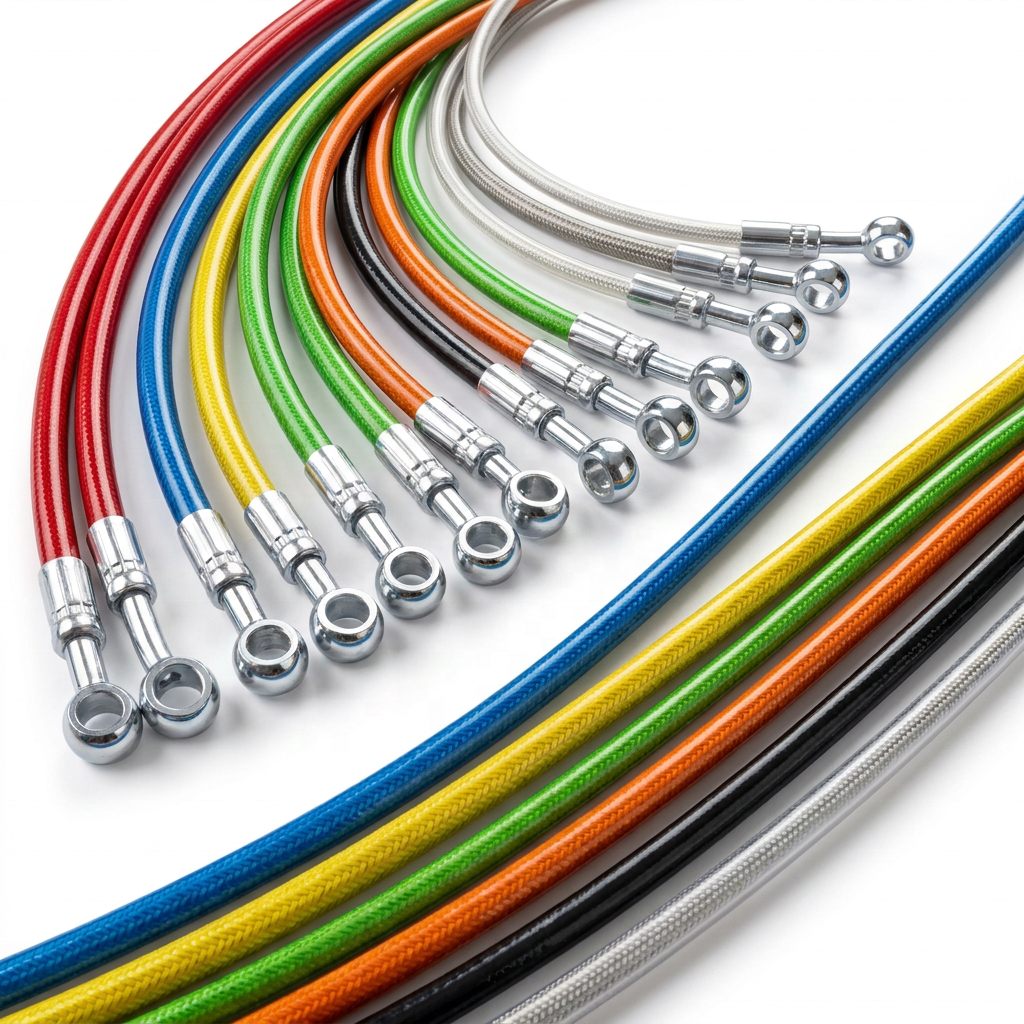
Determining the right replacement schedule for your hydraulic hose systems is critical to maintaining equipment reliability and avoiding unexpected downtime. The lifespan of a hydraulic hose depends on multiple factors including pressure ratings, environmental conditions, maintenance practices, and usage intensity. Most industrial operations find that establishing a proactive replacement schedule prevents catastrophic failures that can compromise safety and productivity across the entire system.
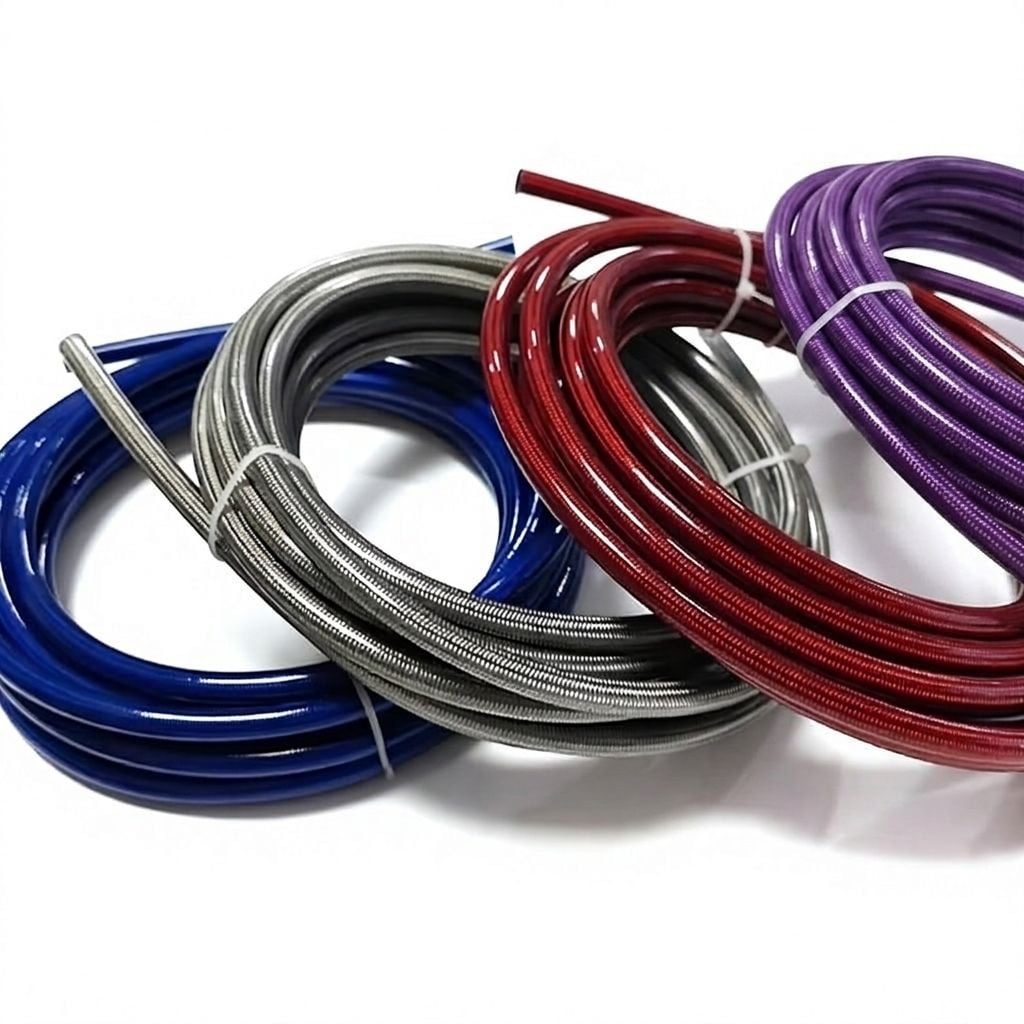
Understanding when to replace hydraulic components requires both knowledge of manufacturer recommendations and hands-on inspection practices. A hydraulic hose operates under extreme conditions, and recognizing early warning signs can save thousands in repair costs and lost production time. This guide explores the key factors that determine replacement intervals and practical strategies for optimizing your maintenance program.
Typical Replacement Intervals and Industry Standards
Standard Service Life Guidelines
Most manufacturers recommend replacing hydraulic hoses every 5 to 10 years regardless of usage, though this timeline varies based on specific operational demands. For high pressure hose applications operating under constant stress, the replacement cycle may be shorter, particularly in industries such as mining, construction, and heavy manufacturing. Hose assemblies used intermittently may last closer to 10 years, while continuous-duty systems often require replacement every 5 years or sooner.
The actual lifespan of flexible tubing in your system depends heavily on the operating pressure relative to the hose rating. A high pressure hose rated for 5000 PSI operating consistently at 4500 PSI will deteriorate much faster than one operating at 2000 PSI. Consulting both manufacturer specifications and your equipment documentation ensures you follow guidelines aligned with your specific pressure requirements and hose assembly design.
Pressure-Based Wear Acceleration
Operating hydraulic systems at or near maximum pressure ratings accelerates hose degradation significantly. Each pressure cycle creates microscopic stress on the inner tube and reinforcement layers of flexible tubing, gradually reducing the hose assembly's structural integrity. Systems experiencing frequent pressure spikes or shock loads may require replacement intervals 30 to 50 percent shorter than standard guidelines recommend, as these conditions stress the material beyond steady-state assumptions.
Environmental Factors Affecting Hose Life
Temperature and Chemical Exposure
Extreme temperatures are among the most significant factors reducing high pressure hose service life. Fluid temperatures above 60 degrees Celsius or below minus 10 degrees Celsius accelerate deterioration of both the tube elastomer and seal materials within hose assemblies. Chemical exposure, including ozone, UV radiation, and incompatible hydraulic fluids, further compromises the outer covering of flexible tubing and can trigger premature failure.
Industrial environments with caustic fumes, saltwater exposure, or abrasive dust require more frequent inspection of hydraulic hose systems. The outer cover of high pressure hose is particularly vulnerable to environmental attack, and degradation of this protective layer often signals the need for imminent replacement. Regular visual inspection under harsh operating conditions provides early warning before internal failure occurs.
Physical Wear and Installation Damage
Mechanical abrasion from equipment movement, improper clamping, or contact with sharp edges significantly shortens the lifespan of any hose assembly. Installations where flexible tubing runs near hot surfaces or moving parts experience accelerated external degradation. Routing hydraulic hoses incorrectly during assembly can create stress points that cause localized failure years before the hose assembly reaches normal end-of-life, making proper installation as critical as material quality.
Inspection and Maintenance Strategies
Visual Inspection Protocols
Implementing a monthly visual inspection routine allows operators to identify deterioration before complete failure occurs. Look for external cracks, blistering, or discoloration on the outer cover of high pressure hose, which indicate the beginning of functional decline. Weeping or actual fluid leaks from connection points on hose assemblies signal seal degradation and necessitate immediate replacement to prevent system contamination and loss of pressure control.
Flexibility testing provides another quick assessment method for flexible tubing condition. A hose that feels unusually rigid or brittle compared to new specimens likely has internal oxidation and should be replaced even if external appearance seems acceptable. Documenting inspection findings helps predict replacement timing more accurately and justifies budget allocation for preventive maintenance programs across your facility.
Predictive Maintenance Through Fluid Analysis
Regular hydraulic fluid analysis reveals debris particles that indicate internal hose assembly degradation, offering a quantitative approach to replacement scheduling. Increased particle counts, particularly those containing rubber or synthetic elastomer traces, confirm that your high pressure hose is breaking down internally. Many progressive operations combine fluid analysis with visual inspection to achieve optimal replacement timing that balances safety with cost efficiency and minimizes unexpected downtime.
FAQ
What signs indicate a hydraulic hose needs immediate replacement?
Visible leaks, bulging or blistering on the outer surface, cracking in the cover material, loss of pressure control, and unusual noises from the hose assembly all indicate immediate replacement is necessary. Any hose showing these symptoms should be taken out of service immediately to prevent fluid loss and potential equipment damage. Even if your scheduled maintenance interval has not arrived, these physical indicators take priority over calendar-based replacement schedules.
Can flexible tubing be repaired rather than replaced?
Minor external wear on the outer cover of a hose assembly can sometimes be wrapped temporarily, but this is not a permanent solution and should only be considered an emergency measure. Internal damage to the tube or reinforcement layers cannot be reliably repaired, and attempting to restore a compromised hose assembly risks system failure during operation. Most industrial safety standards recommend replacement of the entire hose assembly rather than attempting repairs, as the cost of failure far exceeds the replacement expense.
How does operating pressure affect high pressure hose replacement frequency?
Operating pressure directly impacts material fatigue rates, with systems running at higher percentages of rated capacity experiencing accelerated degradation of the tube and reinforcement structure. A hose assembly operated at 80 percent of its rated pressure will typically require replacement 2 to 3 times sooner than one operated at 40 percent. Consulting your hose manufacturer's fatigue curves and pressure cycling data helps predict realistic replacement intervals specific to your application and operating profile.
 EN