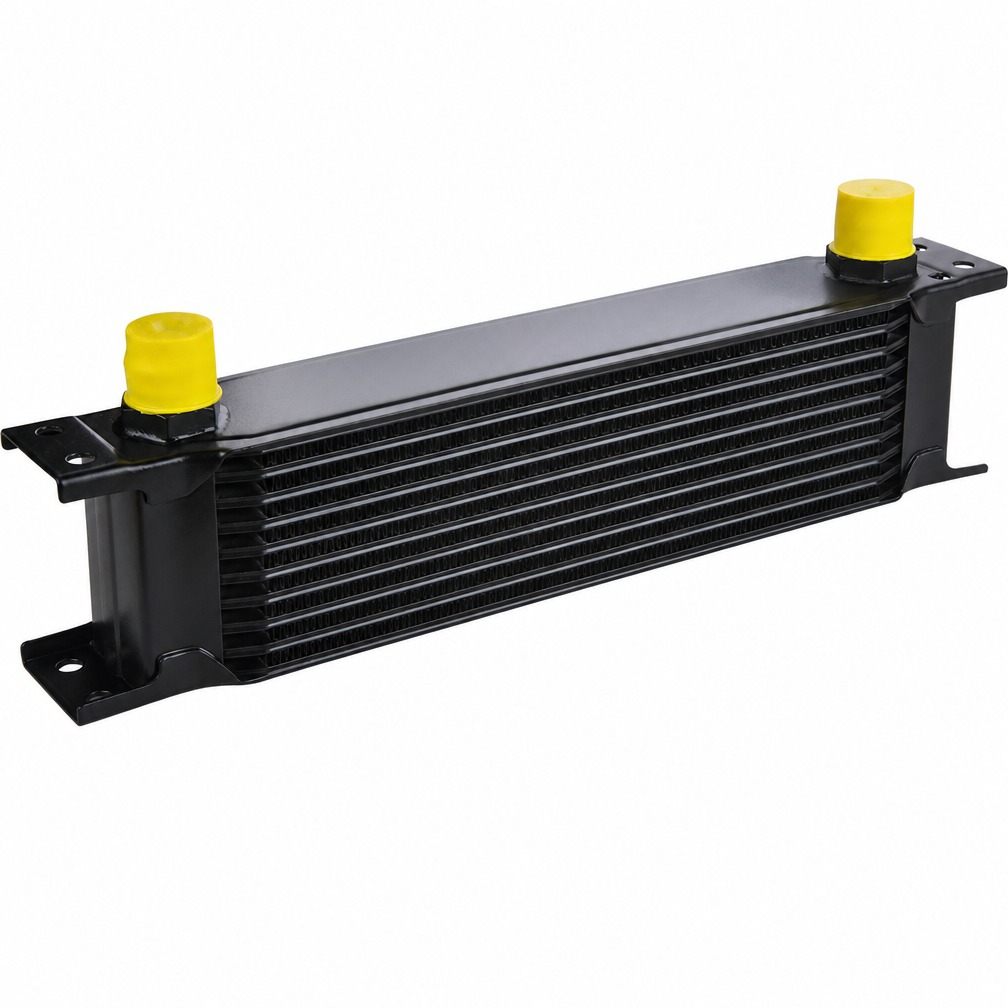
An oil cooler is a critical component in modern engines and transmissions, responsible for maintaining optimal fluid temperatures and preventing overheating. When an oil cooler fails or develops leaks, the consequences can be severe, ranging from reduced engine performance to catastrophic mechanical failure. Identifying damage and leaks early is essential for preventing costly repairs and maintaining vehicle reliability. Understanding the warning signs of oil cooler deterioration allows operators and maintenance professionals to intervene before minor issues escalate into major problems.
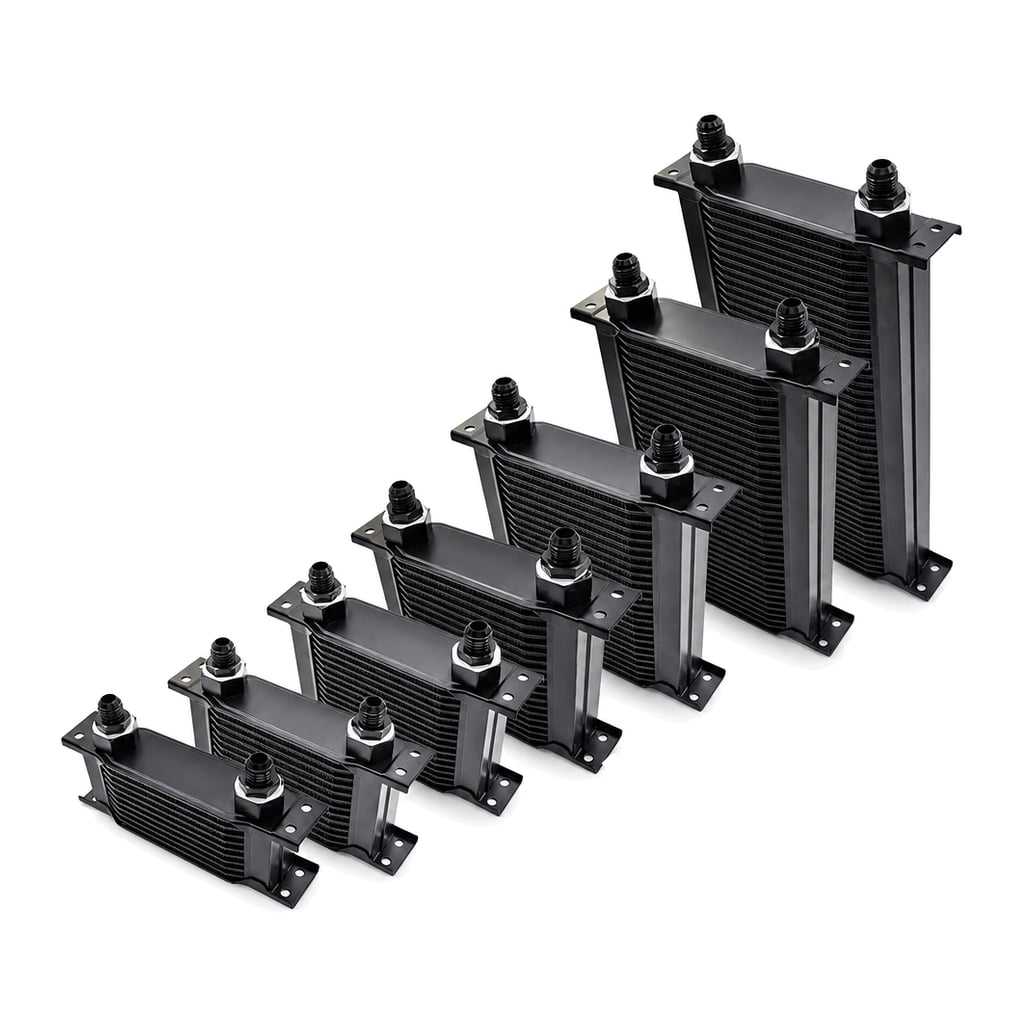
The engine oil cooler and transmission oil cooler operate under extreme pressure and temperature conditions daily. When these components show signs of wear, corrosion, or mechanical damage, the oil cooling system's ability to regulate fluid temperature diminishes significantly. This guide walks you through the practical steps to identify common oil cooler damage patterns, recognize leak indicators, and understand when professional intervention becomes necessary.
Visual Inspection Techniques for Oil Cooler Assessment
Examining External Surfaces and Connections
Begin by inspecting the external surfaces of your engine oil cooler and transmission oil cooler for visible deterioration. Look for rust, corrosion, discoloration, or white mineral deposits that indicate fluid seepage. Pay particular attention to welded seams, threaded connections, and junction points where the oil cooling system components connect to hoses and fittings. These areas are common failure points due to vibration, thermal cycling, and pressure fluctuations. Gently run your fingers along seams to detect tiny leaks that may not be immediately obvious. Surface cracks, especially in cast aluminum or steel cores, signal structural failure.
Checking for Active Fluid Leakage
Position a clean white cloth or paper towel beneath the oil cooler assembly and observe for dripping or seeping fluid over several hours. Active leaks leave distinctive dark stains and residue patterns. If you detect fresh oil accumulation, mark the exact location and note the leak rate. The transmission oil cooler and engine oil cooler both leak characteristic fluids with distinct colors and viscosities. Engine oil appears darker and thicker, while transmission fluid is typically brighter red or pink. Identifying which fluid is leaking helps diagnose whether the problem originates in the engine oil cooler or transmission oil cooler. Document photos for reference during diagnosis or repair planning.
Performance Indicators and Operational Warning Signs
Temperature and Pressure Monitoring
A failing oil cooling system manifests through elevated fluid temperatures that sensors detect and communicate to engine control units. Monitor dashboard warning lights, gauge readings, and diagnostic trouble codes related to temperature management. When an oil cooler loses cooling capacity due to internal blockages or external damage, fluid temperatures climb rapidly even during normal operation. Pressure gauges on your equipment will show abnormal spikes if cooler fins become clogged or internal passages restrict fluid flow. The transmission oil cooler and engine oil cooler both contribute to overall thermal management, so failure in either component affects system performance measurably. Compare current readings to baseline specifications to identify deviations.
Fluid Quality Degradation
Contaminated or discolored fluid inside an oil cooler signals internal corrosion or component breakdown. Extract fluid samples and observe for metal particles, sludge, or unusual odors. A burnt smell indicates overheating, suggesting the oil cooling system failed to maintain proper temperatures. Dark, varnish-like residue coating the internal walls of an oil cooler shows thermal breakdown and oxidation. Check fluid levels regularly because leaks from the engine oil cooler or transmission oil cooler cause gradual loss that becomes critical if unaddressed. Fluid analysis services can identify microscopic wear particles that reveal bearing damage or seal failure inside the cooler assembly.
Common Damage Patterns and Failure Modes
Corrosion and Material Degradation
Aluminum and copper components within an oil cooler are susceptible to galvanic corrosion when incompatible metals contact each other or when glycol-based coolants mix with system fluids. This corrosion creates pin-hole leaks in the transmission oil cooler or engine oil cooler that start small but grow over time. Mineral deposits from hard water accumulation restrict internal passages, reducing cooling efficiency. Rust formation on ferrous materials indicates moisture intrusion into the oil cooling system. Surface etching and pitting on the cooler core reduce structural integrity and signal imminent failure. Regular flushing and proper fluid maintenance slow but do not eliminate corrosion in aging coolers.
Mechanical Damage and Impact-Related Failures
Physical impact or vibration damage bends cooler fins and cracks the core matrix, compromising structural integrity of the oil cooler. Seized or worn mounting hardware allows excessive movement, leading to fatigue cracks in welds and connection points. The transmission oil cooler and engine oil cooler both experience vibration stress from engine movement and mounting system wear. Impact debris or contact with rotating components can puncture or dent the cooler body, creating immediate leaks. Inspection after collisions or rough operation becomes critical because damage may not manifest immediately. Microscopic cracks expand progressively until catastrophic failure occurs.
Seal and Gasket Deterioration
Rubber seals and gaskets within the oil cooler degrade through thermal cycling, age hardening, and exposure to incompatible fluids. Failed seals allow internal fluid migration and external leakage around connection points. The oil cooling system relies on these seals to maintain pressure and prevent cross-contamination. Leaks starting at end caps or threaded ports indicate seal failure rather than core damage. Replacing failed seals addresses the immediate leak but does not repair underlying corrosion. If the engine oil cooler or transmission oil cooler shows repeated seal failures after replacement, internal core damage may be contributing to the problem.
FAQ
How do I know if my oil cooler is leaking versus other fluid leaks?
The location and fluid color provide the primary diagnostic clues. An engine oil cooler leak appears near the cooler assembly and stains with dark engine oil, while a transmission oil cooler leak shows bright red or pink transmission fluid. Clean the area thoroughly, then observe the stain pattern that develops over time to confirm which component is leaking. Pressure testing with specialized equipment definitively identifies the source by pressurizing the oil cooling system and observing where fluid escapes. Fluid analysis and chemical composition testing also confirm whether engine oil or transmission fluid is present in the leak.
What happens if I continue operating with a known oil cooler leak?
Continuing operation with a leaking engine oil cooler or transmission oil cooler causes progressive fluid loss that compromises temperature regulation and lubrication. Elevated temperatures accelerate fluid oxidation and breakdown, reducing viscosity and protection quality. Low fluid levels expose internal pump and bearing surfaces to inadequate lubrication, accelerating wear and potential seizure. The oil cooling system's inability to manage heat stress leads to cascading failures in dependent components. In extreme cases, fluid loss reaches a critical threshold where engine or transmission failure occurs suddenly without warning. Early repair prevents exponentially higher repair costs.
Can I repair an oil cooler or must it be replaced?
Minor leaks from degraded seals or gaskets in the oil cooler can sometimes be addressed through seal replacement or gasket servicing if the core structure remains intact. However, structural damage such as cracks, corrosion holes, or bent fins in the engine oil cooler or transmission oil cooler typically requires complete replacement because these damage types compromise the entire oil cooling system function. Temporary sealants or epoxy repairs are not reliable solutions and often fail under pressure. A professional assessment determines whether your oil cooler is repairable or requires replacement based on damage severity and cost-benefit analysis.
 EN