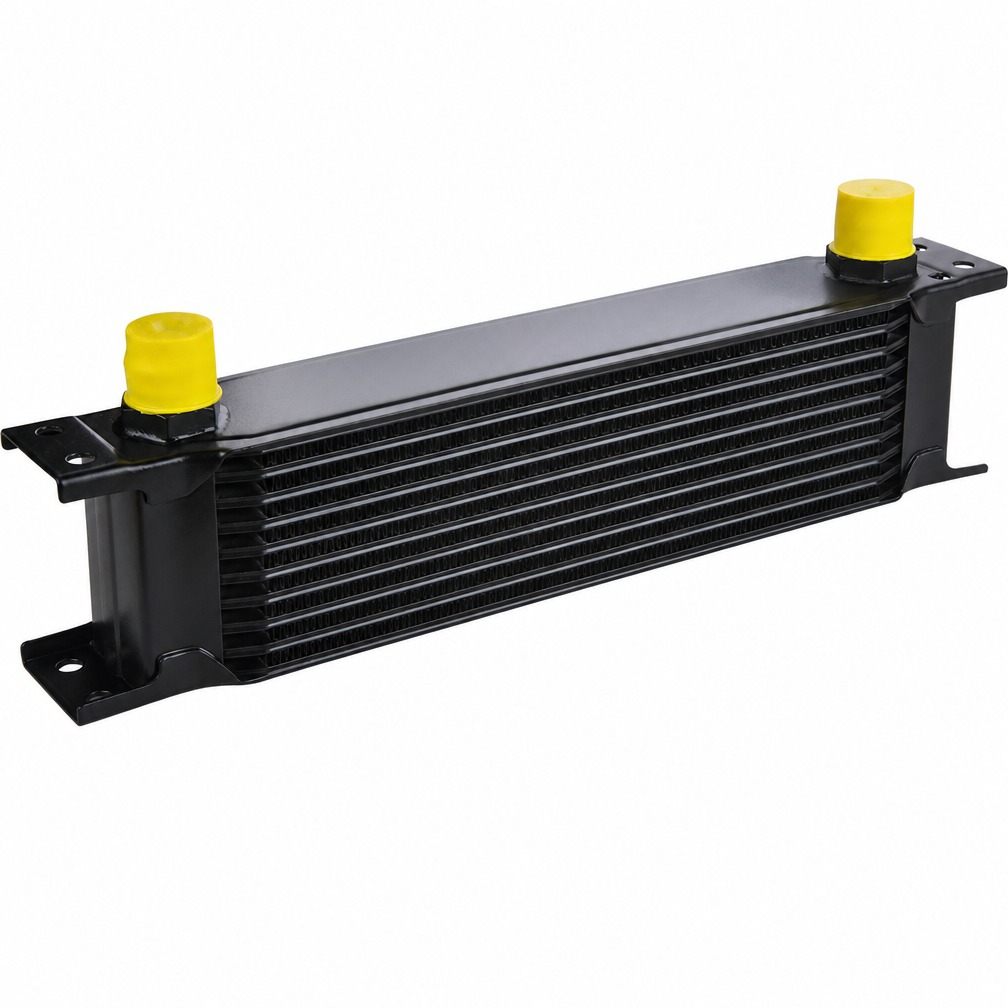
An oil cooler plays a critical role in maintaining optimal engine performance by regulating fluid temperatures across your vehicle's systems. When this component begins to fail, the consequences can range from reduced efficiency to catastrophic engine damage. Understanding the early warning signs of oil cooler deterioration is essential for fleet managers, technicians, and equipment operators who depend on reliable machinery. Identifying damage early allows you to schedule maintenance before complete system failure occurs, saving both time and money.
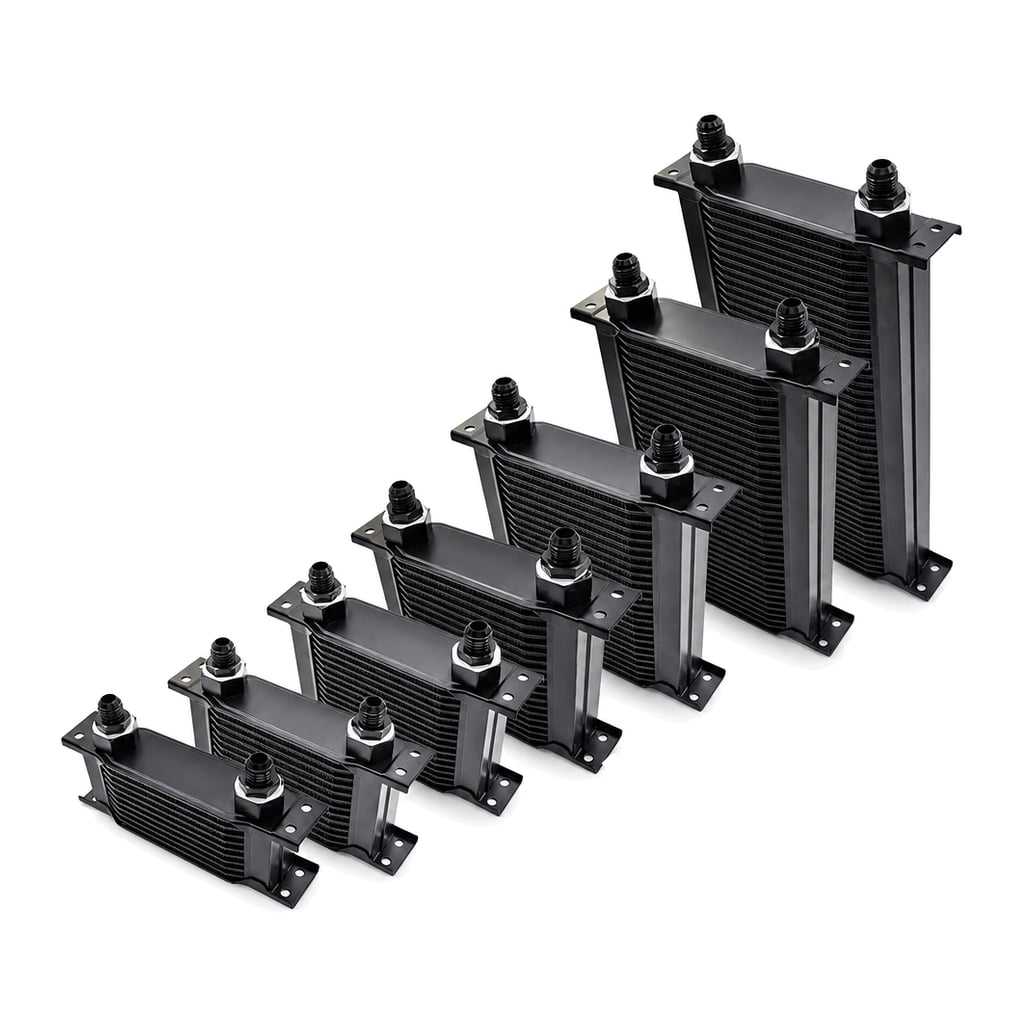
The engine oil cooler and transmission oil cooler work together as part of your oil cooling system, dissipating excess heat that accumulates during normal operation. When either component sustains damage, the entire oil cooling system becomes compromised. Temperature control suffers, pressure builds abnormally, and fluid degradation accelerates. Recognizing these symptoms quickly prevents secondary damage to pistons, bearings, gaskets, and seals that depend on properly cooled oil for protection.
Visual Indicators of Oil Cooler Deterioration
External Leaks and Fluid Seepage
The most immediate sign of an engine oil cooler problem is visible fluid leakage beneath your vehicle or equipment. Dark brown or reddish liquid pooling under the engine bay indicates that the oil cooler or its connection fittings have developed cracks or corrosion. Transmission oil cooler leaks appear similarly, though transmission fluid may have a different color and smell. Even small weeping spots should not be ignored, as they signal the beginning of structural failure.
Inspect all connection points where the oil cooling system meets your engine block or transmission housing. Corroded fittings and cracked cooler cores allow pressurized fluid to escape before it reaches internal passages. Regular visual inspections under bright lighting help you catch leaks before they cause extensive damage. Pay special attention to the underside of the cooler after the engine runs, when pressure is highest.
Corrosion and Surface Degradation
Rust, white crusty deposits, and oxidized aluminum indicate that your oil cooler has been exposed to moisture and contaminants for an extended period. These corrosive materials eat through the cooler's protective layers and create weak points where ruptures develop. The oil cooling system relies on sealed construction to maintain pressure, and corrosion undermines that integrity. Heavy corrosion on external fins reduces heat transfer efficiency, forcing oil temperatures to remain elevated.
Check for discoloration patterns that suggest chemical attack or galvanic corrosion between dissimilar metals. White powdery residue around aluminum components, or green verdigris on copper fittings, both warn of advanced deterioration. Once corrosion reaches this stage, the oil cooler typically requires replacement rather than repair.
Performance and Temperature Warning Signs
Elevated Oil Temperature Readings
Your vehicle or equipment's dashboard or diagnostic system will display abnormally high oil temperatures when the oil cooling system fails to dissipate heat properly. Normal oil temperatures typically range from 180 to 220 degrees Fahrenheit during steady operation. If your engine oil cooler cannot maintain these parameters, temperatures climb into the danger zone above 240 degrees Fahrenheit. Transmission oil cooler failure produces similar symptoms in automatic transmission systems, causing transmission fluid to overheat.
High temperature warnings should trigger immediate attention because excessive heat degrades oil viscosity, accelerates oxidation, and reduces lubrication effectiveness. This creates a cascade of problems: increased metal-to-metal contact, accelerated wear on bearings and journals, and potential seizure. Most modern vehicles display these warnings through the instrument cluster or onboard diagnostic system.
Loss of Cooling Capacity Under Load
An engine oil cooler in good condition maintains stable temperatures even when the engine operates at full load or during towing. If temperatures spike dramatically during acceleration, hill climbing, or sustained high-RPM operation, the oil cooling system is not functioning efficiently. This symptom indicates either internal blockage within the cooler passages, reduced fluid flow due to leakage, or compromised heat transfer surfaces caused by scale buildup or damage.
Blocked or damaged passages inside the engine oil cooler or transmission oil cooler restrict fluid circulation, preventing adequate cooling. Scale and mineral deposits accumulate over years of operation, gradually reducing flow rate and cooling effectiveness. Testing with a thermometer or diagnostic scanner under load conditions reveals whether the oil cooling system recovers after reaching elevated temperatures or continues climbing unchecked.
Functional Failure Symptoms and System Impacts
Pressure Loss and Flow Reduction
Damaged oil cooler fittings or internal ruptures cause system pressure to drop noticeably. When oil pressure gauges register lower values than normal specifications, fluid is escaping or not circulating efficiently through the oil cooling system. This creates starvation conditions where critical engine components do not receive adequate lubrication. Additionally, reduced flow means less heat is being transported away from hot zones, compounding temperature issues.
Internal transmission oil cooler leaks also lower pressure, causing sluggish gear engagement, delayed shifts, and reduced holding force on friction elements. Engine oil cooler and transmission oil cooler failures both manifest as pressure loss, though the specific components affected differ. Diagnostic scanners can confirm pressure readings against manufacturer specifications to verify oil cooling system health.
Fluid Contamination and Degradation
When an oil cooler fails and allows external contaminants to enter the system, or when internal corrosion particles break loose, the fluid becomes contaminated. Metal shavings, rust particles, and water combine to form a thick sludge that clogs filters, valves, and sensitive passages. This contamination accelerates wear on all lubricated components and reduces the protective film that oil provides to moving surfaces.
Overheated oil also oxidizes and polymerizes, losing its ability to protect metal surfaces and forming dark, sticky residue. Regular fluid sampling and analysis reveal contamination and oxidation before catastrophic failure occurs. If oil appears unusually dark, smells burnt, or contains visible particles, your oil cooler and broader oil cooling system may be compromised and require inspection.
FAQ
What are the most common causes of oil cooler damage?
Oil cooler damage typically results from corrosion caused by moisture exposure, physical impact from road debris or thermal stress, prolonged overheating that weakens seals and fittings, and manufacturing defects in the oil cooling system. Hard water deposits and contaminated fluid also accelerate internal degradation. Prevention involves regular maintenance, timely filter changes, and ensuring your engine oil cooler and transmission oil cooler remain protected from environmental hazards.
Can a damaged oil cooler be repaired or must it be replaced?
Minor leaks at connection fittings may be resolved by tightening or replacing the fitting itself without removing the entire oil cooler. However, cracks in the cooler core, internal ruptures, or extensive corrosion typically require complete replacement. Attempting to seal a cracked engine oil cooler or transmission oil cooler body with epoxy or temporary patches usually fails within weeks because pressure and heat reopen the damage. Professional assessment of your specific oil cooling system damage determines whether repair or replacement is appropriate.
How often should I inspect my oil cooler for damage signs?
Visual inspections of your oil cooler and oil cooling system should occur every three months or before long trips, checking for leaks and corrosion. Professional diagnostic scanning and fluid analysis should be performed annually or according to your vehicle manufacturer's maintenance schedule. Fleet vehicles, equipment operated in harsh environments, or systems with a history of overheating warrant more frequent inspections. Early detection of engine oil cooler and transmission oil cooler problems prevents expensive emergency repairs.
 EN