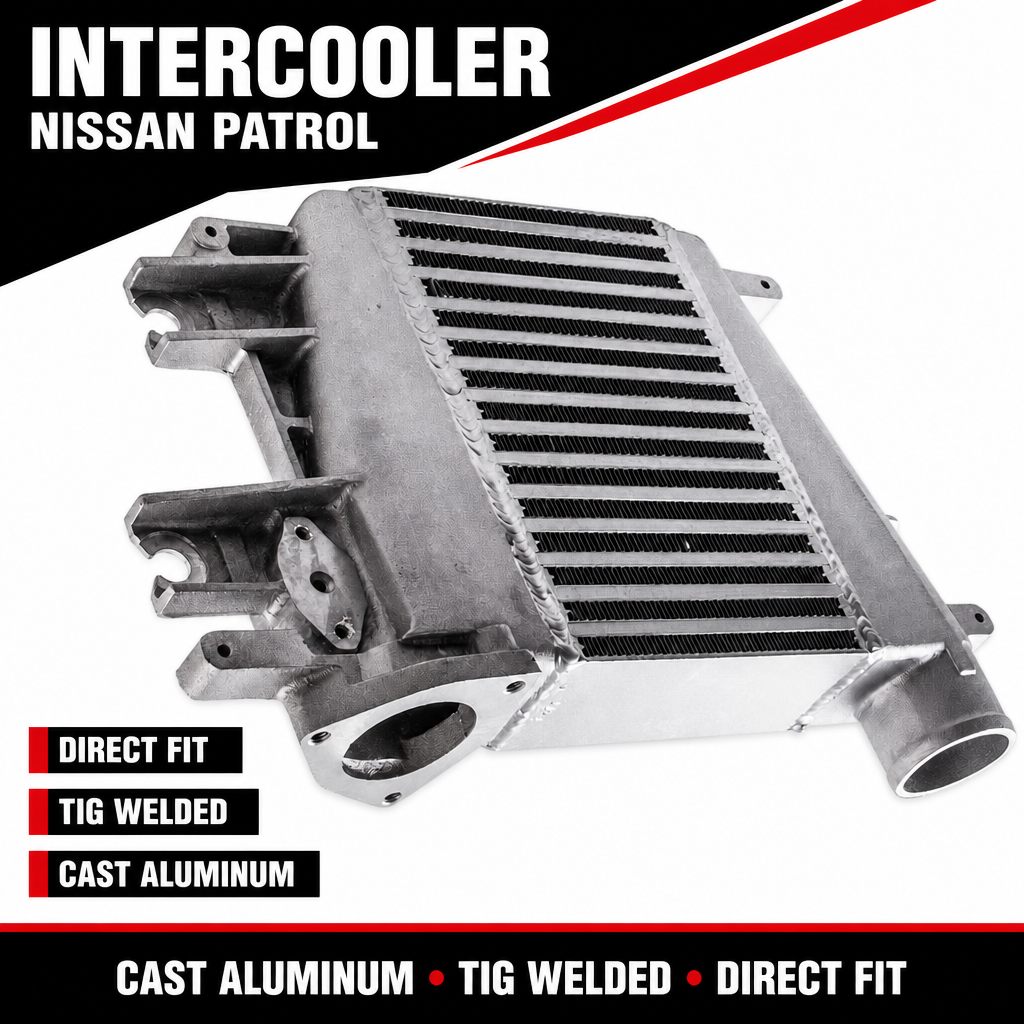
An intercooler is a critical component in any turbocharged engine cooling system, yet many vehicle owners and maintenance technicians underestimate how quickly it can fail or develop dangerous leaks. Understanding the root causes of intercooler failure is essential for maintaining engine performance, preventing costly repairs, and ensuring long-term reliability. Whether you operate heavy machinery, performance vehicles, or industrial equipment with forced induction, intercooler problems can lead to reduced efficiency, overheating, and catastrophic engine damage if left unaddressed.
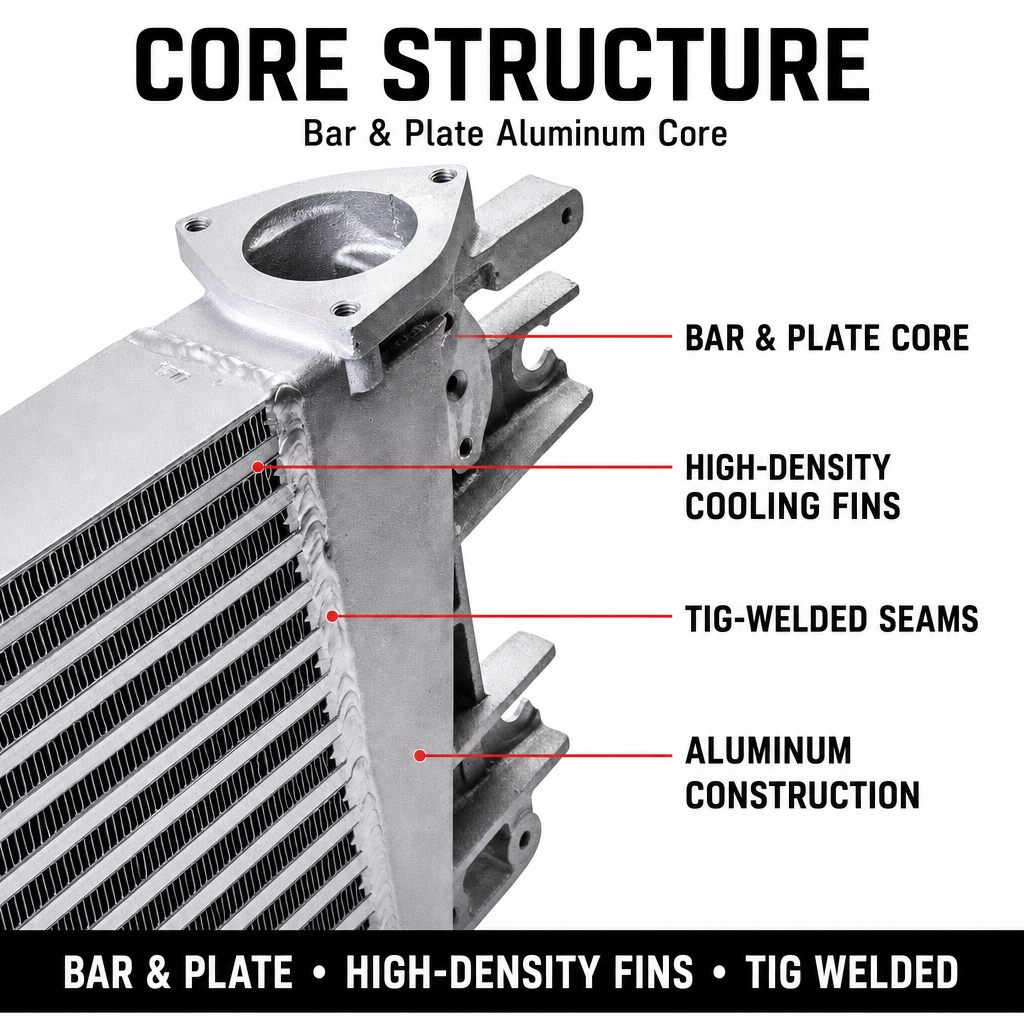
Intercooler efficiency directly impacts how effectively your turbocharged engine cooling system removes heat from compressed air. When an intercooler begins to fail, turbocharged engine cooling performance degrades, forcing the engine to work harder and consume more fuel while generating less power. In this guide, we explore the primary causes of intercooler failure, the warning signs to watch for, and actionable intercooler maintenance strategies to extend component lifespan and preserve system integrity.
Corrosion and Internal Fouling
How Corrosion Damages Intercooler Cores
Corrosion represents one of the most common and insidious causes of intercooler failure in turbocharged engine cooling systems. Moisture accumulates inside intercooler tubes and cores over time, especially in humid climates or when vehicles sit idle for extended periods. This moisture mixes with combustion byproducts and mineral deposits, creating acidic conditions that attack aluminum and copper alloy internal surfaces. Corrosion begins as microscopic pitting but eventually progresses into visible holes, cracks, and structural weakness that lead to coolant leaks and loss of cooling efficiency.
Sediment Buildup and Blockage
Hard water minerals, rust particles, and debris accumulate inside intercooler passages, particularly when turbocharged engine cooling fluid is not regularly flushed or replaced according to manufacturer specifications. This internal fouling reduces the effective cooling surface area, forcing the intercooler to work harder while delivering diminished intercooler efficiency. Blockages create pressure imbalances that stress intercooler seals and fittings, accelerating leaks. Regular intercooler maintenance through fluid flushing and system inspections prevents sediment from compromising cooling performance.
Physical Damage and Manufacturing Defects
Impact and Road Hazards
Air-to-water intercoolers mounted low on the vehicle frame face direct exposure to road debris, curbs, and collision forces. A single significant impact can bend cooling fins, rupture tubes, or crack the intercooler housing, immediately compromising both structural integrity and turbocharged engine cooling function. Similarly, heat-damaged intercooler seals from prolonged exposure to elevated underhood temperatures can crack or shrink, initiating slow leaks that eventually worsen into complete system failure. Preventive intercooler maintenance includes protective mounting hardware and thermal shielding to minimize these risks.
Factory Defects and Material Weaknesses
Some intercoolers suffer from inherent manufacturing defects such as poor welding seams, casting voids, or substandard solder joints that fail under normal operating pressure. These latent defects typically emerge after 15,000 to 50,000 miles when thermal cycling and vibration stress weak points. Intercooler efficiency suffers immediately when these structural failures occur, and leaks can develop suddenly without warning. Quality intercooler maintenance during the warranty period involves pressure testing and visual inspection to identify defective units before catastrophic failure occurs in the field.
Thermal Stress and Seal Degradation
Extreme Temperature Cycling
Turbocharged engine cooling systems experience dramatic temperature swings during normal operation. Intercooler inlet temperatures can exceed 200 degrees Fahrenheit under full boost, while ambient air temperatures may be 80 degrees Fahrenheit or lower. This extreme thermal cycling causes intercooler aluminum and seals to expand and contract repeatedly, eventually fatiguing materials and creating micro-fractures. Over thousands of thermal cycles, these small cracks propagate and link together, forming pathways for coolant leaks. Effective intercooler maintenance includes monitoring coolant temperature and ensuring proper system pressurization to reduce thermal stress on seals.
Rubber Seal and Gasket Failure
Intercooler efficiency depends on pristine rubber seals, gaskets, and O-rings that maintain watertight connections between the core, end tanks, and mounting ports. These elastomeric components naturally degrade from heat exposure, chemical attack by coolant additives, and mechanical compression over time. As seals harden and crack, they lose their ability to maintain pressure, resulting in small weeps that eventually become significant leaks. Intercooler maintenance schedules should include seal inspection and replacement every three to five years, depending on operating conditions and coolant type used in your turbocharged engine cooling system.
FAQ
What are the first signs of intercooler failure?
Common early warning signs include visible coolant puddles under the vehicle, a drop in coolant level without obvious leaks, reduced turbocharged engine cooling performance, elevated boost pressure readings, and a sweet-smelling coolant odor in the engine bay. Engine temperature gauges may read higher than normal, and intercooler efficiency noticeably declines. Address these symptoms immediately through inspection and pressure testing to prevent complete system failure and engine damage.
How does regular intercooler maintenance prevent leaks?
Intercooler maintenance reduces leaks by flushing mineral deposits and corrosion products from internal passages, inspecting seals for cracks or degradation, checking all fittings and connections for tightness, and testing system pressure to identify weak points before they rupture. Using quality coolant with rust inhibitors protects aluminum cores from internal corrosion. Thermal management also plays a role; maintaining proper coolant temperatures prevents seal degradation from extreme heat exposure and extends overall intercooler efficiency and lifespan.
Can a leaking intercooler be repaired, or must it be replaced?
Small weeping leaks from fittings or seals may be temporarily stopped by tightening connections or replacing individual gaskets, but intercooler core leaks typically require complete component replacement. Attempting to repair cracked or corroded aluminum cores with epoxy or welding is rarely successful long-term and risks further damage to turbocharged engine cooling system components. Professional inspection and pressure testing determine whether repair is viable, but in most industrial and automotive applications, replacement ensures reliability and restores intercooler efficiency to factory specifications.
 EN