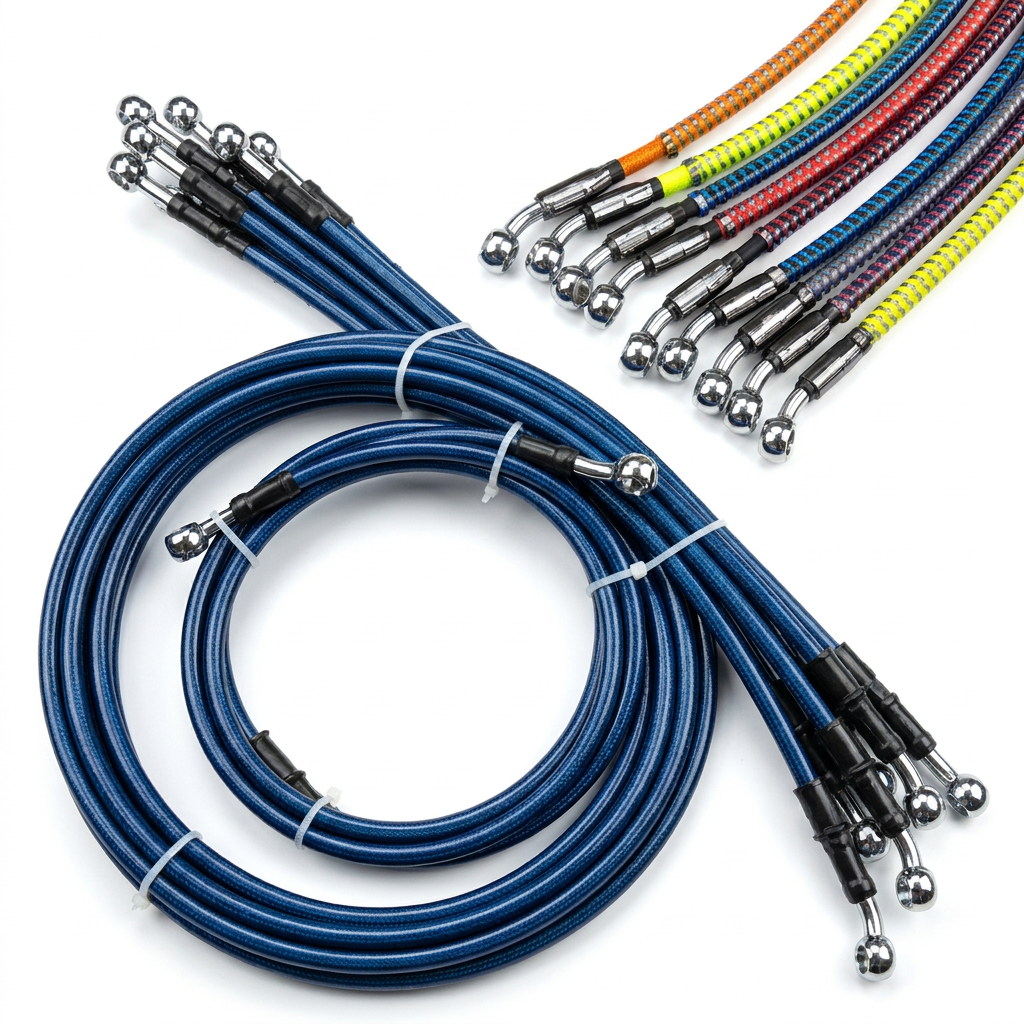
Understanding the certifications that a hose assembly must meet is critical for ensuring safety, reliability, and regulatory compliance in industrial operations. Organizations across manufacturing, hydraulics, aerospace, and automotive sectors depend on properly certified hose systems to maintain equipment integrity and worker safety. The certification landscape for hose assemblies is complex, involving multiple international standards, industry-specific requirements, and performance benchmarks that vary by application and operating environment.
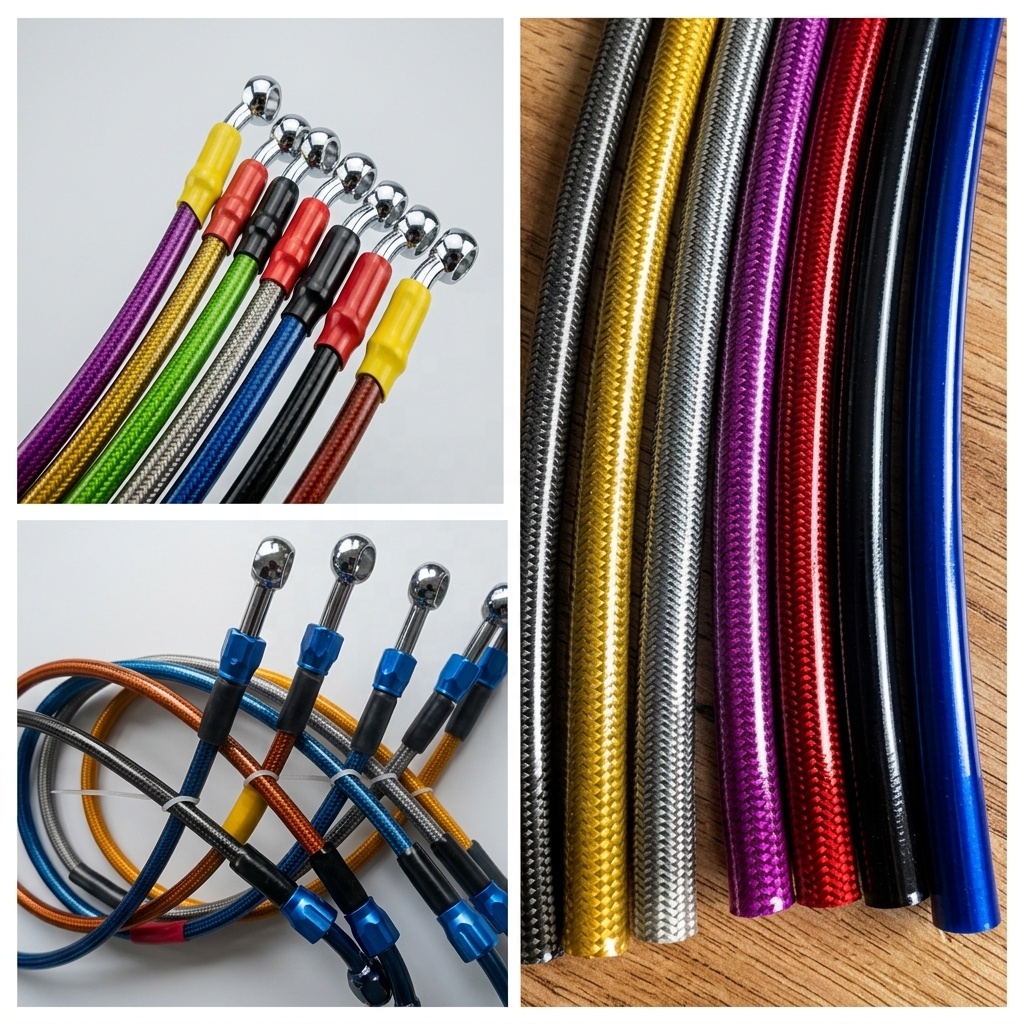
Each hydraulic hose assembly and industrial hose system must undergo rigorous testing and certification to demonstrate compliance with established safety and performance criteria. These certifications protect end users by confirming that products have been manufactured to exacting standards, tested under real-world conditions, and documented to meet regulatory requirements. Whether you are specifying hose fitting assembly components for high-pressure hydraulic systems or sourcing industrial hose systems for critical applications, understanding which certifications apply to your specific needs ensures that your equipment performs reliably and maintains full regulatory standing.
International and Industry-Specific Standards
ISO and EN Certification Requirements
The International Organization for Standardization (ISO) and the European Committee for Standardization (CEN) have established comprehensive standards that govern hose assembly design, manufacture, testing, and documentation. ISO 1402 and EN 856 are foundational standards that define requirements for industrial hose fitting assembly, covering dimensions, performance characteristics, and material specifications. ISO 6149 specifies metric thread dimensions for hose connection ports, while ISO 11237 establishes performance criteria for hydraulic hose assemblies used in mobile and stationary equipment.
These standards ensure that every hydraulic hose assembly manufactured can integrate seamlessly with compatible components and perform reliably under specified pressure, temperature, and environmental conditions. Compliance with ISO and EN standards also facilitates international trade, allowing hose assembly manufacturers and end users to operate with confidence across different markets and regulatory jurisdictions. When sourcing industrial hose system components, verifying that products carry ISO or EN certification marks provides concrete assurance of manufacturing rigor and third-party validation.
ASME and SAE Industrial Standards
In North America, the American Society of Mechanical Engineers (ASME) and the Society of Automotive Engineers (SAE) publish complementary standards that are widely adopted across aerospace, automotive, construction, and industrial manufacturing sectors. SAE J343 defines performance requirements for hydraulic hose assemblies used in mobile equipment, while SAE J2016 covers hose fitting assembly specifications for various pressure classes and duty cycles. ASME B31.3 and ASME B31.5 address piping and pressure vessel systems that may incorporate or rely on hose assembly components.
These North American standards emphasize reliability, safety margins, and traceability requirements that ensure hose fitting assembly products meet exacting specifications before installation. Manufacturers certified to SAE and ASME standards maintain rigorous documentation, perform burst and impulse testing, and demonstrate design factor compliance. Equipment builders and facility managers operating under ASME or SAE compliance regimes typically mandate that all hose assembly and industrial hose system components carry these certification marks.
Pressure Rating and Material Certification
Burst and Pressure Classification Systems
Every hydraulic hose assembly is assigned a burst pressure rating and a recommended working pressure limit, both derived from standardized testing protocols. The certification process typically requires hose fitting assembly samples to be pressurized to burst failure point under controlled laboratory conditions, with results documented and compared against established design factors. SAE and ISO standards specify that working pressure should not exceed one-quarter of the burst pressure, providing a substantial safety margin for dynamic and cyclic loading conditions inherent in industrial hose systems.
Pressure class designations—such as SAE 100R1, 100R2, 100R4, and 100R13—define both the pressure rating and the hose construction type, reinforcement pattern, and material compatibility. An industrial hose system designer selecting components for a critical high-pressure application must verify that the hose assembly pressure rating exceeds the system's maximum operating pressure with appropriate design factor applied. Certification documents provide the technical data required to make this determination with confidence.
Material and Temperature Performance
Material certifications for hose assembly components address fluid compatibility, thermal stability, and corrosion resistance across the intended service range. ISO and SAE standards specify testing protocols to verify that rubber inner tube, wire reinforcement, and outer cover materials maintain integrity when exposed to hydraulic fluids, synthetic oils, chemical coolants, and environmental contaminants. Temperature cycling tests, immersion tests, and aging studies form part of the certification process for hose fitting assembly products intended for extreme environments.
Stainless steel hose assemblies and PTFE-lined hose fitting assembly options often carry additional material certifications confirming suitability for corrosive fluids, food-grade applications, or pharmaceutical processes. When specifying an industrial hose system for a specialized environment—such as marine salt spray exposure, high-temperature steam service, or low-temperature cold storage—material certification documentation becomes essential to verify long-term performance and prevent premature failure.
Regulatory and Application-Specific Certifications
Machinery Safety and Pressure Equipment Directives
The European Union's Pressure Equipment Directive (PED) and Machinery Directive establish mandatory certification and conformity assessment procedures for hose assembly products sold within EU markets. Manufacturers of hydraulic hose assembly systems must conduct design risk assessments, perform type examination testing, and issue Declaration of Conformity documents certifying compliance with essential safety requirements. For higher-risk pressure classes, periodic audits and quality assurance documentation are required as part of ongoing certification maintenance.
The PED certification mark (CE mark) on a hose fitting assembly indicates that the product has undergone formal conformity assessment and meets harmonized standards for safe operation, pressure containment, and material compatibility. Facilities in EU jurisdictions cannot legally install or operate industrial hose systems lacking proper PED certification, making this designation a critical compliance element for European equipment builders and end users.
Aerospace and Military Specifications
Aerospace and defense applications impose stringent certification requirements for hose assembly systems, including qualification under MIL-DTL-32432 (hydraulic hose assemblies) and MIL-HOSE specifications. These military standards demand extensive documentation, sample testing, periodic re-qualification, and traceability to raw material batch numbers. Hydraulic hose assembly products destined for aircraft, helicopter, or military vehicle platforms undergo accelerated life testing, high-altitude performance verification, and vibration and shock exposure trials.
Beyond military applications, certain industrial sectors such as oil and gas offshore operations, nuclear power plant maintenance, and commercial aviation maintenance often require hose fitting assembly and industrial hose system components to be certified to aerospace-equivalent performance standards. These stringent certifications reflect the critical nature of these applications and the severe consequences of hose failure in remote or hazardous environments.
FAQ
What is the difference between SAE and ISO hose assembly standards?
SAE standards, primarily used in North America, emphasize performance under mobile and dynamic duty cycles, while ISO standards focus on industrial stationary applications. Both define pressure ratings, dimensions, and testing protocols, but SAE hose fitting assembly classifications (such as 100R1) are tied to specific construction types, whereas ISO standards allow manufacturers more flexibility in design while meeting performance outcomes. In practice, many industrial hose systems are certified to both standards to serve a broader market.
How often should hydraulic hose assembly certifications be renewed or revalidated?
Certification validity depends on the standard and the manufacturer's quality system status. SAE J343 and ISO 1402 certifications for a hose assembly are typically continuous provided the manufacturer maintains documented quality controls and periodic product testing. Some aerospace and military certifications require formal re-qualification every two to three years. End users should consult certification documentation and the hose fitting assembly supplier to understand applicable renewal timelines for their specific industrial hose system application.
Can a hose fitting assembly be certified for multiple standards simultaneously?
Yes, a hydraulic hose assembly can meet and be certified to multiple standards concurrently. Manufacturers often design and test hose assembly products to satisfy SAE, ISO, PED, and other standards in a single design, reducing supply chain complexity and expanding market reach. Certification documentation will clearly indicate which standards the product meets, allowing equipment builders to confidently specify an industrial hose system that complies with all applicable regulatory and contractual requirements.
 EN