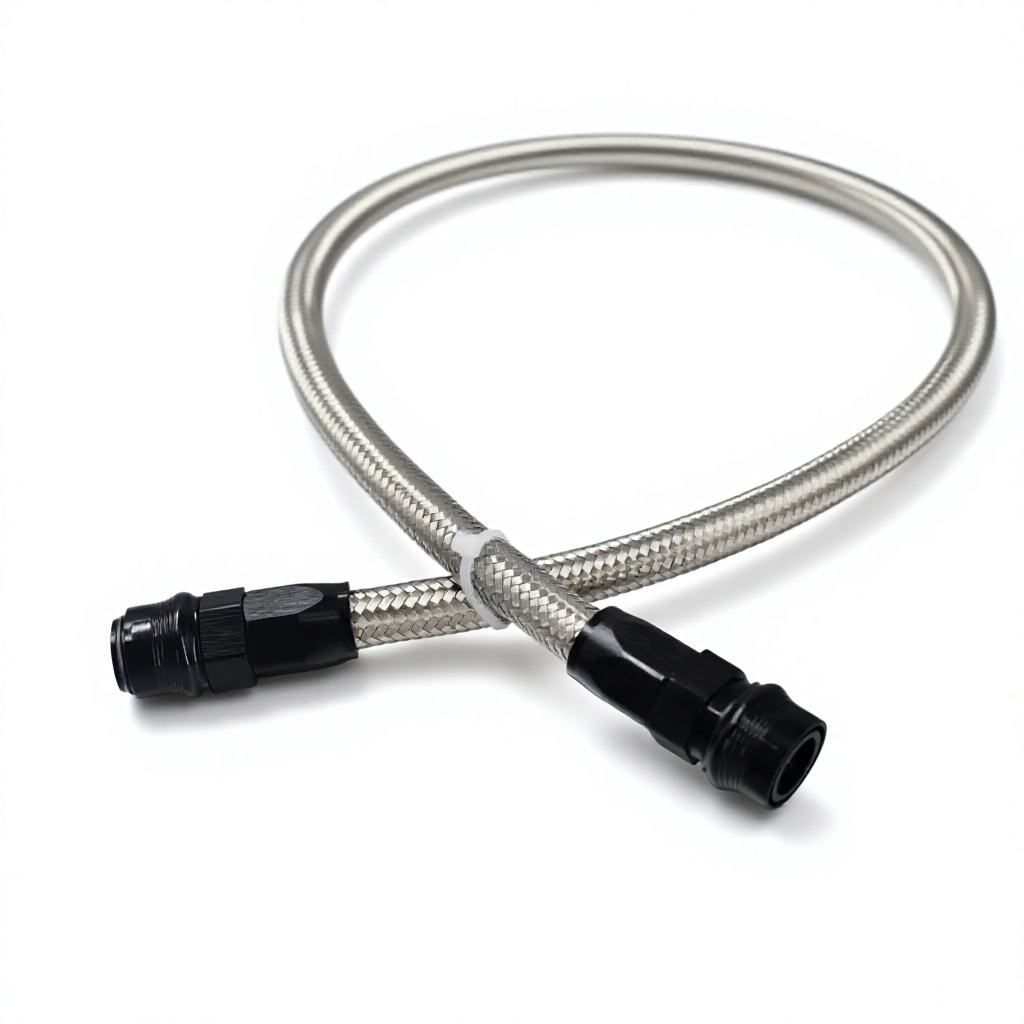
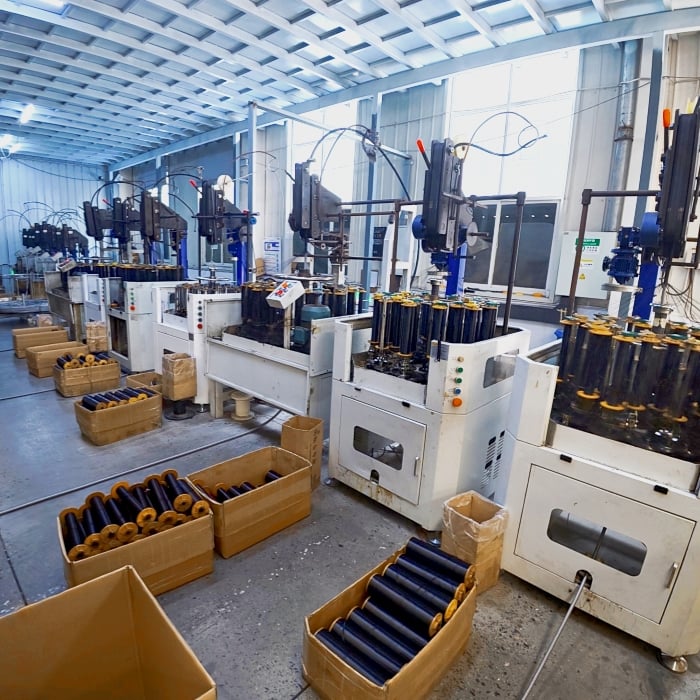
Selecting the right Industrial Hose for your operation requires more than just matching diameter and length specifications. Certifications serve as the foundation of safety, reliability, and regulatory compliance across industrial applications. Whether you work with hydraulic systems, chemical transfer lines, or high-pressure steam applications, understanding which certifications matter directly impacts equipment longevity, worker safety, and operational efficiency. An industrial hose lacking proper certifications exposes your facility to equipment failure, contamination risks, and potential legal liability.
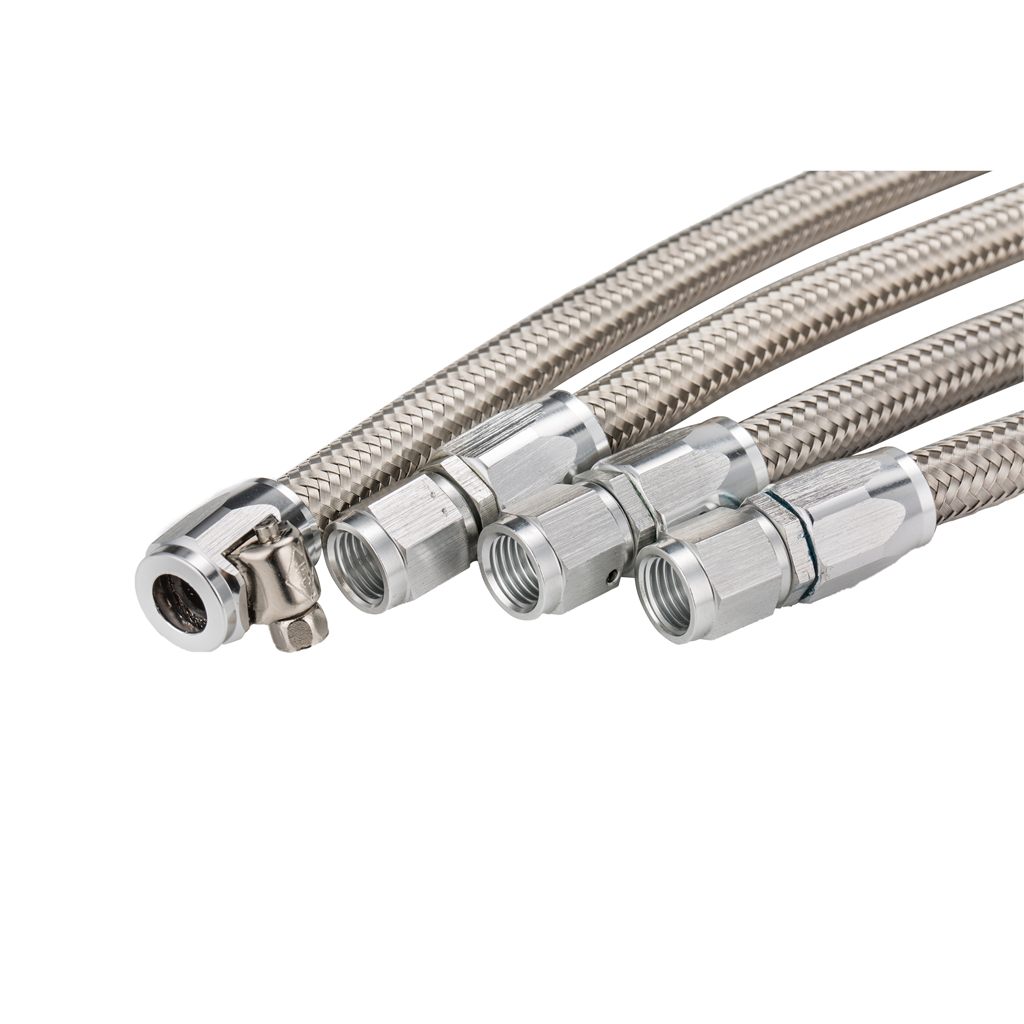
Industrial hose systems operate under demanding conditions including temperature extremes, corrosive chemical exposure, and constant pressure cycling. Each application demands specific material properties and performance validation. Certifications verify that a hose has been tested, manufactured, and inspected to meet established performance standards. This article explores the primary certifications that industrial hoses should carry, how they protect your operations, and why each standard matters for your specific application context.
Understanding Core Industrial Hose Certifications
ISO Standards for Hose Performance
The International Organization for Standardization establishes the most widely recognized certification framework for industrial hose systems globally. ISO 1402 and ISO 4648 specifically govern hydraulic hose assembly specifications, defining minimum burst pressure, impulse resistance, and temperature operating ranges. These standards ensure that a hydraulic hose assembly maintains structural integrity across millions of pressure cycles, preventing unexpected ruptures that could cause production downtime or safety incidents. Manufacturers must conduct rigorous testing protocols to verify compliance, including high-pressure burst tests, vacuum tests, and extreme temperature cycling.
ISO 6134 extends certification requirements to hydraulic adapters and fittings, ensuring leak-free connections throughout your system. ISO 1496 covers thermoplastic hose specifications for chemical and water applications, establishing baseline requirements for chemical resistant tubing used in industries ranging from food processing to petrochemical facilities. When evaluating industrial hose products, ISO certification marks indicate that independent third-party laboratories have verified the hose's compliance with these stringent performance criteria.
SAE and National Standards
The Society of Automotive Engineers publishes SAE J517 standards that define industrial hose construction, performance categories, and identification requirements across multiple pressure classes. This certification applies widely to hydraulic hose assembly products used in mobile equipment, construction machinery, and industrial machinery where safety margins must remain consistently predictable. SAE standards classify hoses by working pressure, temperature range, and fluid compatibility, creating a universal language for engineers and procurement teams across North America.
National standards bodies including ANSI and various regulatory agencies enforce mandatory compliance for high pressure hose systems operating in critical applications. ASME standards govern hose systems used in steam applications, ensuring that the tubing material can withstand both pressure and thermal stress without degradation. These national certifications often exceed minimum requirements, providing additional safety margins for mission-critical operations where hose failure creates unacceptable risk.
Chemical and Material-Specific Certifications
Chemical Compatibility and Resistance Certifications
Chemical resistant tubing demands specialized certifications beyond basic pressure ratings. FDA compliance certifications validate that hose materials do not leach harmful substances into food or pharmaceutical products during transfer operations. NSF certification indicates that a hose meets public health standards for potable water applications, preventing bacterial growth and chemical contamination. Industries handling aggressive solvents, acids, or caustic solutions require hose materials specifically certified for these chemical families, with documentation proving material compatibility through accelerated aging tests and chemical immersion protocols.
REACH and RoHS certifications address environmental and health compliance in European markets, verifying that hose manufacturing processes and materials meet strict restrictions on hazardous substances. A chemical resistant tubing product carrying these certifications demonstrates that manufacturers have invested in compliant material sourcing and rigorous quality control. When transferring corrosive or toxic fluids, chemical-specific certifications provide evidence that the hose will maintain structural integrity and prevent leakage throughout its intended service life.
Pressure Rating Verification and Testing Standards
High pressure hose systems require certifications that validate working pressure, burst pressure, and safety factor ratios. Industry standards typically demand a 4:1 safety factor, meaning the hose burst pressure must exceed its working pressure by four times. Third-party certification bodies conduct hydraulic burst testing, vacuum testing, and impulse cycling to verify these ratings independently. A certified high pressure hose system carries documentation showing that each batch or production lot has been tested to specific pressures, ensuring consistency across thousands of hoses manufactured annually.
Temperature certifications confirm that a hose maintains its structural properties across the full operating temperature range specified by the manufacturer. Thermal cycling tests expose the hose to extreme temperatures repeatedly, simulating years of operation compressed into laboratory testing protocols. For industrial hose applications involving cryogenic or high-temperature steam services, temperature certifications become critical differentiators between products that perform reliably and those prone to premature failure.
Industry-Specific and Application Certifications
Aerospace and Military Grade Standards
Aerospace applications demand military-grade certifications including MIL-DTL-20219 specifications for industrial hose used in aircraft hydraulic systems. These certifications enforce the most stringent testing protocols available, including vibration resistance, fatigue testing, and extreme altitude simulation. An industrial hose carrying military certification has been verified to withstand conditions that exceed typical industrial environments. While aerospace-grade industrial hose carries higher cost, the certification guarantees performance reliability in mission-critical applications where failure is not an option.
Marine and Offshore Certifications
Marine vessels and offshore platforms require certifications addressing saltwater corrosion resistance and extreme environmental exposure. DNV and ABS certifications specifically validate hose performance in maritime environments, accounting for salt spray corrosion, temperature cycling between arctic and tropical conditions, and exposure to high-humidity atmospheres. A chemical resistant tubing product certified for offshore use has been tested for compatibility with saltwater and biofouling resistance, ensuring long service life in demanding ocean environments. These specialized certifications add significant value to industrial hose systems deployed in marine operations.
Fire-rated certifications for industrial hose become essential in offshore platforms and facilities handling flammable materials. These certifications verify that the hose maintains structural integrity and does not contribute to fire propagation during thermal exposure. Fire-rated hose carries documented performance data showing smoke development ratings and flame spread classifications, providing critical documentation for regulatory inspections and insurance compliance audits.
FAQ
What does an industrial hose certification actually verify?
An industrial hose certification confirms that independent testing laboratories have validated the product against specific performance standards. Certifications verify pressure ratings, temperature ranges, chemical compatibility, material composition, and manufacturing consistency. The certification process includes batch testing, documentation review, and periodic audits of manufacturing facilities. When you purchase a certified industrial hose, you receive documented evidence that the product meets or exceeds recognized safety standards, reducing your liability risk and ensuring reliable operation.
Why does a hydraulic hose assembly need multiple certifications?
Different certifications address different performance aspects and application requirements. A hydraulic hose assembly might carry ISO certification for burst pressure testing, SAE certification for construction standards, and NSF certification if used in food processing facilities. Each certification framework validates specific properties, and multiple certifications provide comprehensive assurance that the hose performs reliably across all critical parameters. Industrial applications increasingly require compliance with multiple regulatory frameworks simultaneously, making multi-certified products essential for global operations.
How do I verify that chemical resistant tubing has proper certifications?
Request certification documentation directly from the manufacturer or authorized distributor. Legitimate chemical resistant tubing suppliers provide comprehensive test reports, material certificates of analysis, and certification registration numbers from recognized bodies like ISO, SAE, or NSF. Verify certification claims through online databases maintained by certification bodies, which allow you to confirm that the manufacturer's registration remains current. Never accept verbal assurances alone; insist on written documentation that can be reviewed by your engineering and compliance teams for independent verification.
 EN