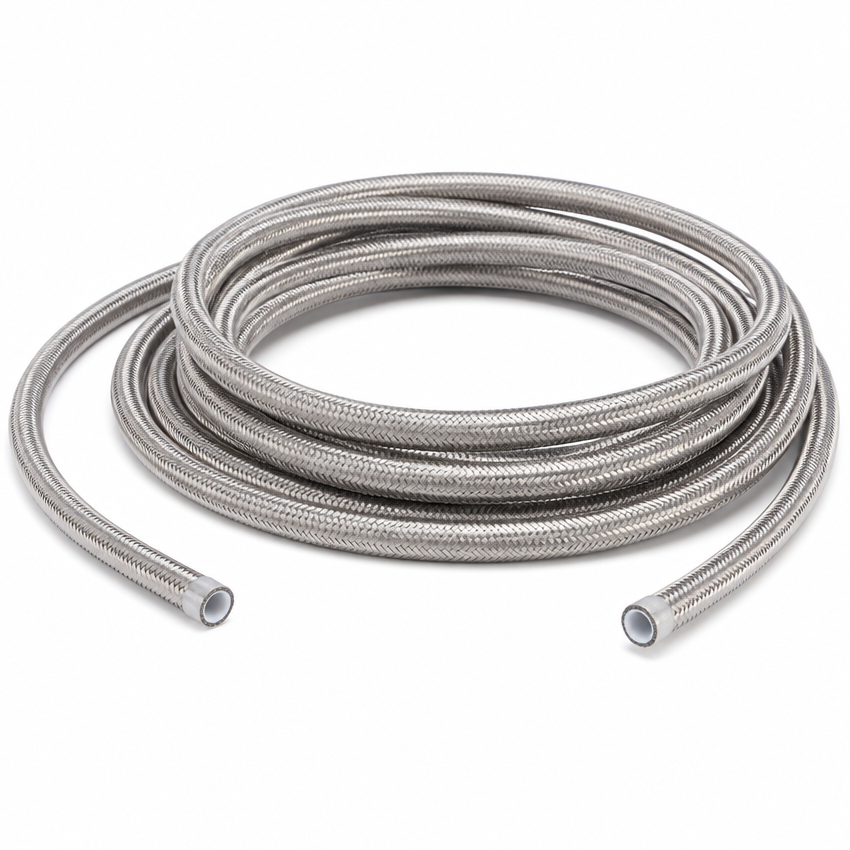
Selecting the right ptfe tube for industrial applications requires understanding the certifications that validate quality, safety, and performance. Organizations across manufacturing, chemical processing, pharmaceutical, and food industries depend on properly certified teflon tubing to meet regulatory requirements and ensure operational integrity. Without proper certifications, fluoropolymer hose products may fail under pressure, contaminate sensitive processes, or create liability risks for your operation.
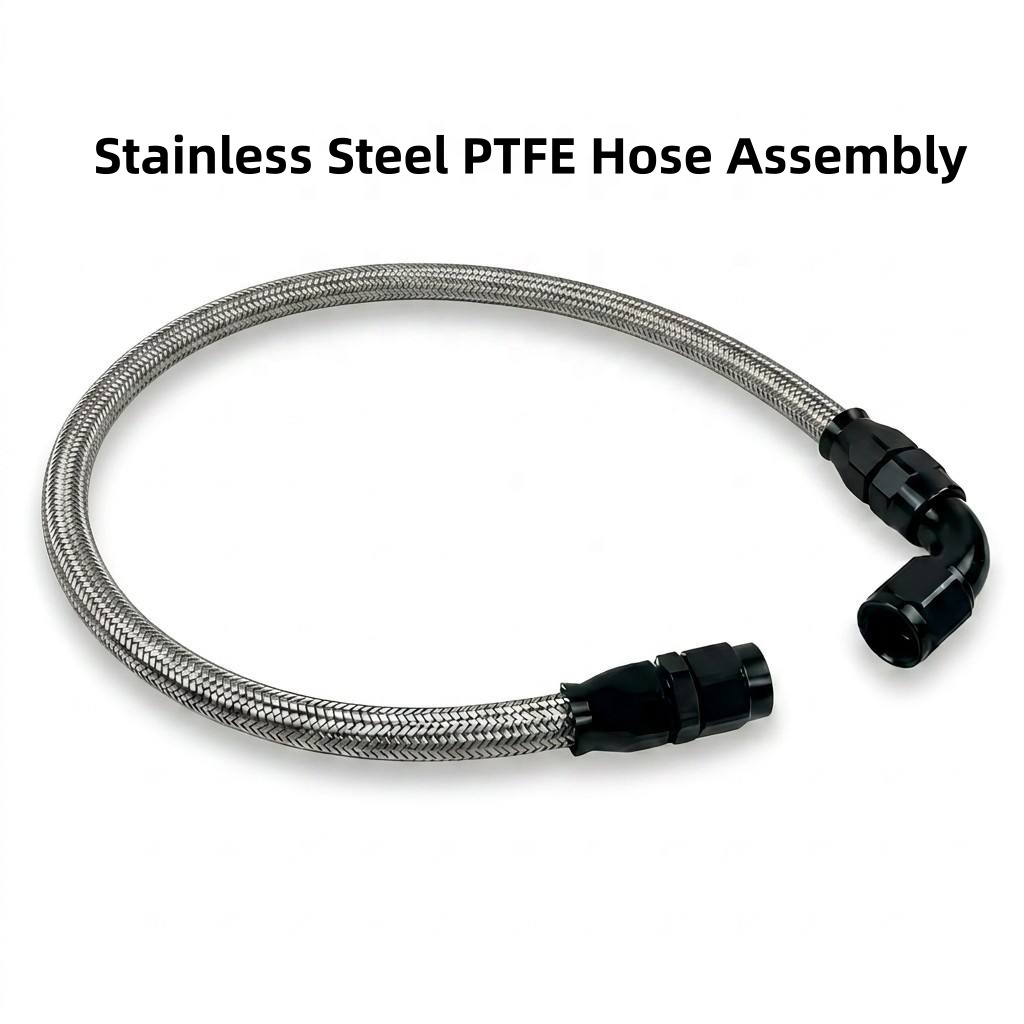
Certifications serve as independent verification that your teflon tubing meets established industry standards for material composition, mechanical strength, chemical resistance, and safety performance. Understanding which certifications matter for your specific application helps you make informed purchasing decisions and avoid costly compliance failures or product breakdowns in the field.
ISO and International Standards for PTFE Tubing
ISO 1402 and Hydraulic Hose Standards
ISO 1402 establishes requirements for wire-braid reinforced rubber hoses used in hydraulic systems. While focused on rubber, this standard framework influences how ptfe tube manufacturers design pressure-rated products for similar industrial applications. Many ptfe tubing applications involve systems requiring comparable pressure ratings and safety margins, making ISO alignment critical for cross-industry credibility and interchangeability.
Fluoropolymer hose products certified to ISO standards demonstrate that burst pressures, working pressure ratings, and temperature limits have been tested by third-party laboratories. This independent verification protects your operation from purchasing tubing that claims high performance but fails under real-world conditions. ISO certification also facilitates trade across borders and ensures your teflon tubing meets expectations in international supply chains.
FDA and Food-Grade Certifications
Food and beverage manufacturers rely on teflon tubing that meets FDA 21 CFR 177.2600 requirements for direct food contact. This certification confirms that ptfe tube materials do not leach harmful compounds into products or processes, even under extended use at elevated temperatures. Pharmaceutical and nutraceutical industries similarly require teflon tubing with USP Class VI certification to ensure biocompatibility and purity for sensitive medical applications.
When fluoropolymer hose is used in beverage dispensing, dairy processing, or ingredient transfer, FDA certification becomes a non-negotiable requirement for regulatory compliance and liability protection. Without proper food-grade certifications, a ptfe tube supplier cannot legally serve these industries, and your organization risks recalls, fines, and reputational damage.
Pressure, Temperature, and Performance Certifications
ASME and Pressure Vessel Standards
The American Society of Mechanical Engineers establishes standards for pressure-containing components, and many ptfe tube applications fall within ASME B31.3 or B31.8 regulations for chemical and gas piping. Teflon tubing used in pressurized systems must demonstrate compliance with these codes through hydrostatic testing, material certification, and manufacturing process validation. This ensures your fluoropolymer hose will not rupture or fail catastrophically when exposed to sustained or transient pressure spikes.
Certifications aligned with ASME requirements provide documented proof that the teflon tubing supplier has tested every batch or production run for defects and confirms consistent quality. This traceability is essential for industries operating under strict safety protocols where equipment failure could endanger personnel or cause environmental release of hazardous substances.
Temperature and Chemical Resistance Ratings
PTFE tube materials naturally tolerate extreme temperatures, but independent certification confirms the specific upper and lower limits for your application. Teflon tubing exposed to cryogenic conditions, high-temperature steam, or aggressive chemical environments must have certifications documenting compatibility with each substance. Fluoropolymer hose certifications often include compatibility matrices showing which process chemicals, solvents, and gases the teflon tubing safely handles without degradation.
Many ptfe tubing suppliers publish detailed temperature and pressure envelopes backed by third-party testing. These certifications allow engineers to confidently specify teflon tubing for demanding applications without over-engineering or over-purchasing, thereby optimizing both safety and cost.
Regulatory and Industry-Specific Certifications
RoHS and Environmental Compliance
Restriction of Hazardous Substances (RoHS) directives restrict lead, mercury, cadmium, and other toxic metals in manufactured goods. Teflon tubing exported to or used in European markets must carry RoHS certification to confirm material composition does not exceed permissible limits. Even if your operation is based outside Europe, many multinational supply chains require RoHS compliance for all tubing components to simplify procurement and reduce regulatory risk across their global facilities.
Fluoropolymer hose manufacturers that achieve RoHS certification invest in material tracking, supplier audits, and batch testing to ensure consistent compliance. This commitment signals that the ptfe tube supplier takes environmental responsibility seriously and maintains rigorous quality systems throughout their production chain.
NSF and Third-Party Validation
The National Sanitation Foundation (NSF) provides independent certification for products and materials used in food, water, and healthcare applications. NSF-certified teflon tubing undergoes rigorous evaluation for material purity, manufacturing cleanliness, and absence of contamination risk. For critical applications like water purification, medical device assembly, or sterile pharmaceutical transfer, NSF certification on ptfe tube products provides regulatory assurance and market access that non-certified alternatives cannot match.
Many chemical processing and water treatment plants contractually require NSF certification for all tubing materials entering their systems. This creates competitive advantage for teflon tubing suppliers holding these credentials and limits market options for customers seeking compliance-ready fluoropolymer hose solutions.
FAQ
What is the most critical certification for general industrial ptfe tube applications?
For most industrial applications, pressure rating certification (such as ISO 1402 or ASME alignment) is most critical because it confirms the ptfe tube will safely contain or convey fluids under your system's maximum operating pressure. teflon tubing used in low-pressure vacuum or ambient-temperature transfer applications may prioritize chemical compatibility certifications instead. Your specific application requirements determine which certifications take priority, but pressure verification is the baseline standard for nearly all teflon tubing selections.
How do I verify that teflon tubing certifications are genuine?
Request copies of third-party test reports from the ptfe tube supplier, look for accreditation marks from recognized bodies (ISO, NSF, FDA), and confirm that batch or serial numbers on certificates match your actual order. Reputable fluoropolymer hose manufacturers maintain traceability documentation and freely provide certification proof to customers. If a supplier cannot readily produce certifications or test data, that is a red flag suggesting the teflon tubing may not meet claimed standards.
Can I use ptfe tube without certifications in non-critical applications?
While teflon tubing without formal certifications might function in extremely low-stakes, low-pressure, ambient applications, this approach introduces unquantified risk and may violate facility engineering standards or insurance requirements. Fluoropolymer hose suppliers offering certified products typically charge only modest premiums over uncertified alternatives, making certification the prudent default choice for nearly all industrial and commercial applications. Avoiding certified ptfe tube saves minimal cost while sacrificing verifiable safety and compliance assurance.
 EN