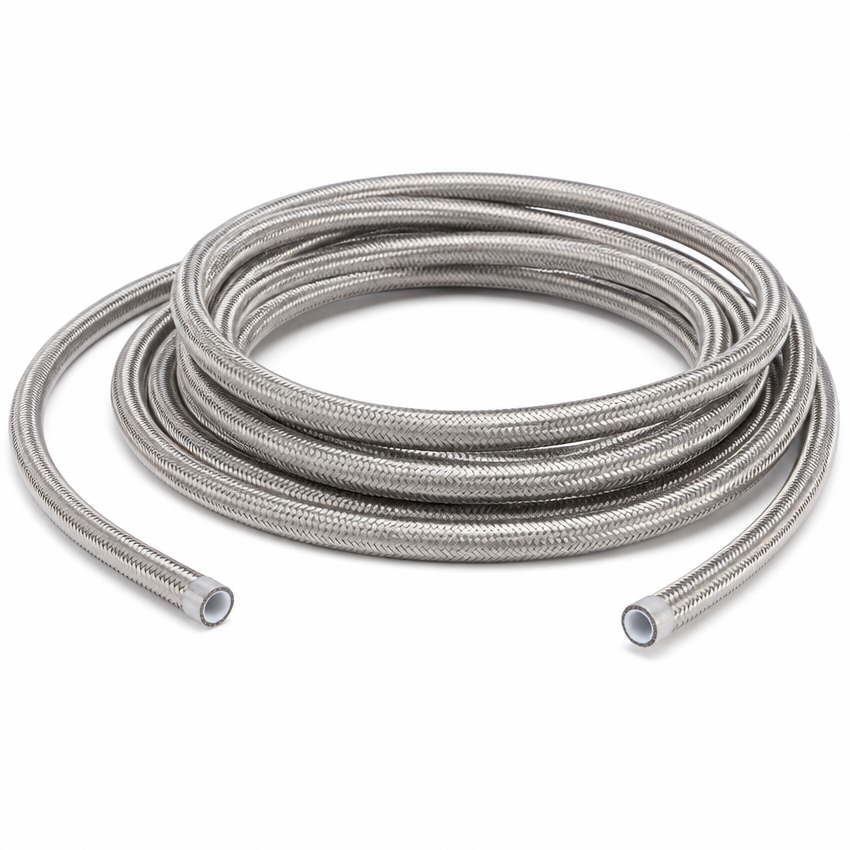
Selecting the right teflon hose for your industrial application requires understanding which certifications matter most. A teflon hose without proper certifications poses serious risks to equipment longevity, worker safety, and regulatory compliance. Certifications validate that your PTFE tubing meets critical performance standards and industry regulations.
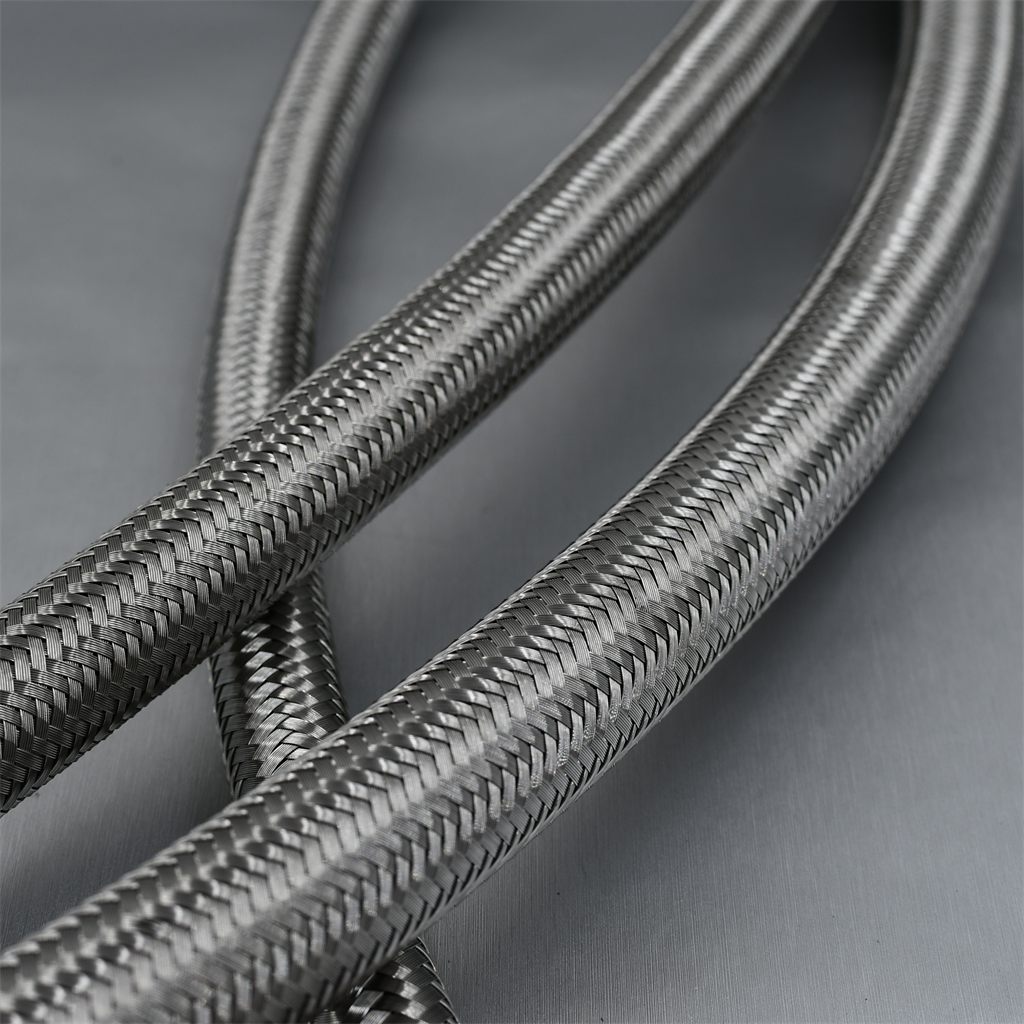
When evaluating fluoropolymer hose options, understanding certification requirements separates compliant, high-performance solutions from inadequate choices. Chemical resistant tubing must demonstrate proof of quality through recognized certifications that confirm material composition, pressure ratings, temperature tolerance, and compatibility with transported fluids. This guide explores the key certifications your teflon hose should carry to ensure safe, compliant industrial operation.
Material Composition and Purity Certifications
PTFE Tubing Grade Verification
PTFE tubing must be verified as genuine virgin PTFE or FDA-approved formulations to guarantee performance. Certificates of Analysis from material suppliers confirm the exact resin grade, purity level, and manufacturing batch. A true fluoropolymer hose derives its chemical resistance and temperature stability from authentic PTFE composition verified through third-party testing.
Chemical resistant tubing should include documentation proving the PTFE meets ASTM D1457 specifications for virgin PTFE resin. This standard establishes purity requirements, ensuring your hose maintains integrity under aggressive chemical exposure. Material traceability certifications protect against counterfeit or degraded PTFE tubing that could fail unexpectedly in critical applications.
FDA and Food Contact Compliance
If your teflon hose handles food-grade liquids or pharmaceuticals, FDA compliance becomes mandatory. FDA CFR Title 21 certifications confirm that PTFE tubing components meet food contact material safety requirements. This certification is non-negotiable for beverage, dairy, and pharmaceutical processing facilities.
Fluoropolymer hose used in food and beverage industries must carry NSF certification alongside FDA approval. NSF International certifications validate that chemical resistant tubing poses no contamination risk and maintains product safety through the complete supply chain. These dual certifications demonstrate commitment to consumer protection and regulatory adherence.
Pressure and Performance Certifications
Pressure Rating and Burst Testing Standards
Every teflon hose should include pressure certification documenting maximum working pressure, burst pressure, and safety factors. ASTM D2572 standards establish pressure testing protocols for PTFE tubing, ensuring ratings reflect real-world performance under stress. Certified burst pressure proves your fluoropolymer hose maintains structural integrity beyond rated operating conditions.
Chemical resistant tubing must be tested and certified to withstand pressure cycles without degradation. Pressure cycle testing certifications demonstrate that repeated pressurization does not compromise the PTFE's molecular integrity. This validation is critical for high-pressure applications where hose failure could result in catastrophic fluid release or equipment shutdown.
Temperature and Thermal Stability Verification
PTFE tubing's temperature performance must be certified through thermal stability testing that confirms safe operating ranges. Fluoropolymer hose typically operates reliably between -200°C and +260°C, but certification documents establish exact limits for your specific application. Temperature cycling tests ensure your teflon hose maintains dimensional stability and sealing properties across thermal extremes.
Chemical resistant tubing certifications should specify thermal stability data validated under conditions mimicking your exact process environment. Thermal cycling certifications prove that repeated heating and cooling cycles do not cause material degradation or performance loss. These certifications prevent costly failures caused by thermal fatigue over extended operating periods.
Chemical Compatibility and Safety Certifications
Chemical Resistance Validation
PTFE tubing's legendary chemical resistance requires documented certification proving compatibility with specific chemicals your application handles. Chemical compatibility certifications list approved fluids, solvents, and corrosive agents the fluoropolymer hose can safely transport. Your teflon hose certificate should explicitly confirm suitability for your unique chemical matrix rather than relying on generic claims.
Chemical resistant tubing certification should include exposure testing results showing zero dimensional change and no material degradation after prolonged contact with your target chemicals. ASTM D471 immersion testing standards establish rigorous protocols for validating chemical compatibility of PTFE tubing. These certifications provide documented proof that your hose investment will deliver reliable performance in chemically hostile environments.
RoHS and Environmental Compliance
Modern fluoropolymer hose must carry RoHS compliance certification confirming absence of restricted hazardous substances including lead, mercury, and cadmium. RoHS certifications apply primarily to electrical or electronic equipment, but many industrial buyers require them as general quality markers for teflon hose. Environmental compliance documentation demonstrates responsible manufacturing and future-proof regulatory alignment.
Chemical resistant tubing should also include certifications proving the manufacturing process adheres to environmental protection standards. REACH compliance certifications for PTFE tubing confirm that prohibited substances are not used in production. Environmental certifications protect your facility from future regulatory penalties and align your supply chain with sustainable industrial practices.
Industry-Specific and Regulatory Certifications
Aerospace and Automotive Standards
Aerospace applications demand teflon hose certified to AS568 standards for fluid containment and pressure specifications. Fluoropolymer hose used in aircraft fuel systems, hydraulic lines, or cryogenic applications requires certifications proving reliability at extreme conditions. ASTM B117 salt spray testing certifications validate corrosion resistance for aerospace-grade teflon hose serving critical flight systems.
Automotive suppliers must provide PTFE tubing with ISO 1402 certifications for industrial hose assemblies and component integrity. Chemical resistant tubing for fuel systems requires SAE standards compliance ensuring compatibility with modern fuel formulations including ethanol blends. These industry-specific certifications guarantee your hose meets original equipment manufacturer specifications.
ISO and International Standards
ISO 1402 establishes international standards for industrial hose assemblies, including dimensional specifications and performance expectations for your teflon hose. ISO 7241 certifications validate quick-coupling compatibility and safe connection protocols for fluoropolymer hose systems. Global export applications require these recognized standards ensuring your PTFE tubing meets specifications across international markets.
Chemical resistant tubing should carry ISO 3384 certifications documenting long-term compression set resistance ensuring the hose maintains sealing capability over years of service. ISO quality management certifications demonstrate that your teflon hose manufacturer maintains rigorous production controls and testing protocols. These international certifications provide purchasing confidence when sourcing from unfamiliar suppliers.
FAQ
What is the most critical certification for teflon hose?
Pressure rating certification is often the most critical because it directly impacts safety and operational reliability. However, the most important certification depends on your specific application. Food contact applications require FDA certification; aerospace applications demand AS568 compliance; chemical processing needs chemical compatibility validation. Always prioritize certifications matching your application's unique requirements rather than settling for generic industry standards.
How do I verify teflon hose certifications are legitimate?
Request complete certification documentation including test reports, batch numbers, and third-party laboratory signatures from your supplier. Verify certifications directly with issuing organizations like NSF International, FDA, or ASTM where applicable. Cross-reference hose specifications against manufacturer documentation and material safety data sheets to confirm consistency. Legitimate suppliers provide detailed certification packets without hesitation; reluctance to share documentation signals quality concerns.
Can teflon hose lack certifications and still perform adequately?
While unverified PTFE tubing might function temporarily, operating without proper certifications creates unquantified risks including unexpected failure, regulatory non-compliance, and potential liability. Chemical resistant tubing without certifications offers no documented proof of performance limits or material composition. Investing in properly certified teflon hose provides measurable protection against performance failures, environmental contamination, and regulatory penalties far exceeding the certification cost.
 EN