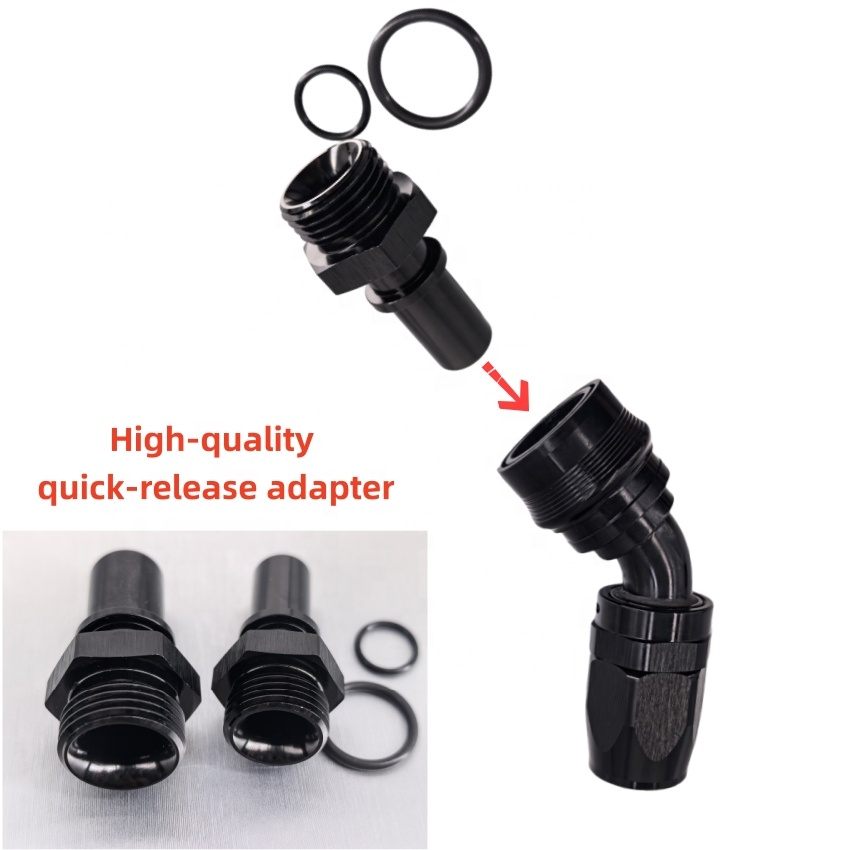
An AN fitting is a standardized aerospace-grade connection component designed to create leak-proof, secure joints in hydraulic, fuel, and pneumatic systems. The designation 'AN' originates from the Army-Navy standards established during World War II, making these fittings one of the most trusted connector types in high-performance and industrial applications. Unlike conventional compression or threaded connections, an AN connector provides superior reliability and repeatable performance across demanding environments.
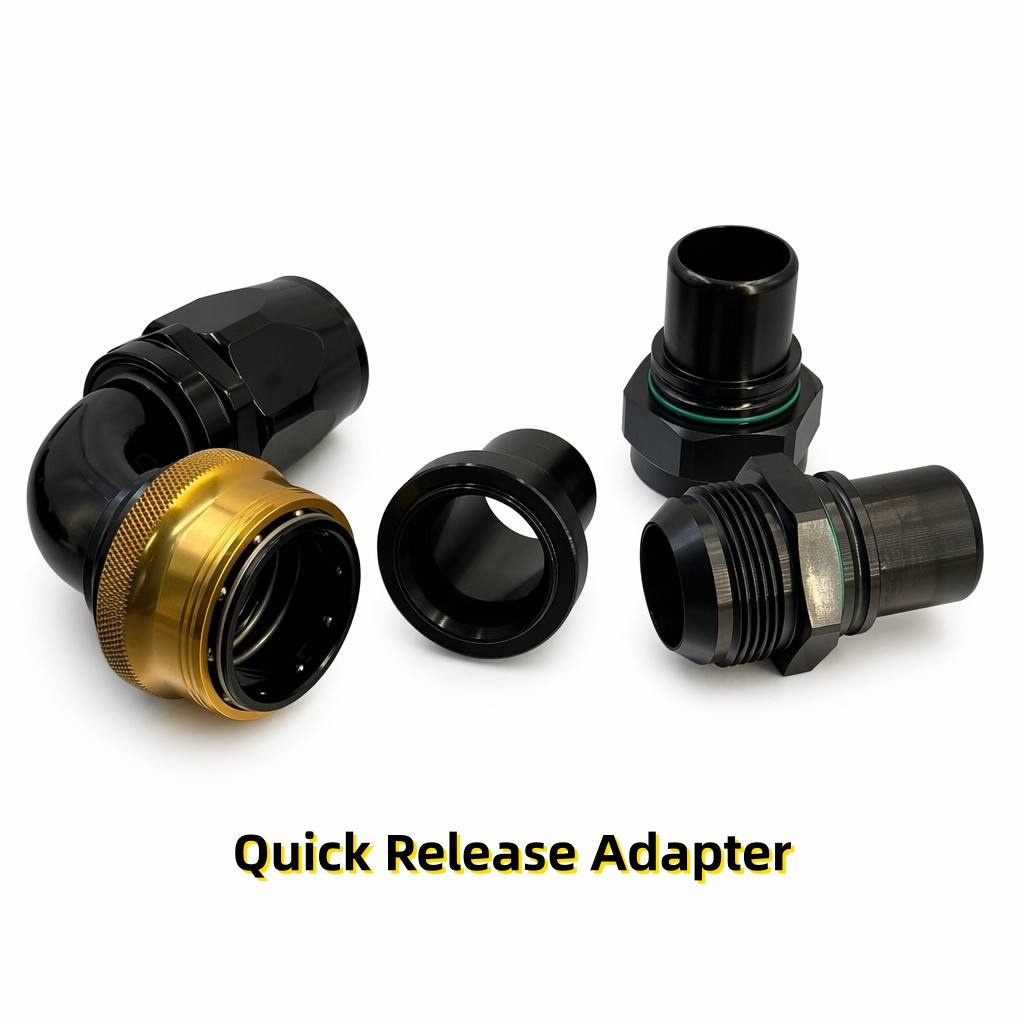
Understanding what constitutes an AN thread adapter and how it functions is critical for engineers, technicians, and equipment operators who work with pressurized systems. The core function of these connectors extends beyond simple fluid transfer, encompassing vibration resistance, pressure rating compatibility, and compatibility with various system configurations. This guide explores the fundamental principles, design characteristics, and practical applications of AN fittings in modern industrial and aerospace environments.
Understanding AN Connector Design and Standards
Historical Background and Standardization
The AN fitting system emerged from military aviation requirements during the 1940s when the need for reliable, standardized hydraulic connections became paramount. Military engineers developed the AN connector specification to ensure that aircraft hydraulic systems could withstand extreme altitudes, temperature variations, and vibration exposure. This historical foundation transformed the AN quick disconnect coupling into the aerospace standard that continues to define high-reliability applications today. The systematic approach to sizing, threading, and pressure ratings established during this era remains the backbone of modern AN connector specifications.
Size and Rating Classification
AN fittings are classified by numerical designations that directly indicate their size and operating pressure capabilities. An AN-4 connector, for instance, accommodates a quarter-inch tubing diameter and operates within specific pressure thresholds. Each AN thread adapter is manufactured to exacting tolerances, ensuring that connections made across different manufacturers and production batches remain interchangeable and reliable. The standardized sizing allows engineers to select the appropriate AN fitting for their application without dimensional ambiguity, a critical advantage in system design and maintenance.
Core Function and Operational Principles
Pressure Containment and Leak Prevention
The primary core function of an AN fitting is to maintain a positive seal under pressure while accommodating the natural expansion and contraction of fluid lines and tubing. Unlike simple push-fit connectors or loose compression fittings, the AN connector employs a flared tube end that seats against a precisely machined cone within the fitting body. This design creates a metal-to-metal seal that becomes more secure as system pressure increases, rather than weaker. The AN quick disconnect coupling employs the same sealing principle across both male and female components, ensuring bidirectional reliability. The flare angle and cone geometry are rigorously controlled through standardized specifications, preventing leakage even in systems operating at several thousand PSI.
Vibration and Thermal Stability
Industrial and aerospace systems frequently experience vibration, thermal cycling, and dynamic pressure fluctuations that cause conventional connections to loosen or degrade over time. An AN thread adapter resists these environmental stresses through mechanical lock characteristics inherent to the flare design and the friction fit between the tubing and fitting body. The consistent material selection and heat treatment protocols applied to AN fittings ensure predictable performance across temperature ranges from cryogenic conditions to elevated operating temperatures. This thermal and mechanical stability makes the AN connector the preferred choice for engines, hydraulic systems, fuel delivery networks, and pressurized gas applications where reliability cannot be compromised.
Practical Applications and Industry Adoption
Aerospace and High-Performance Racing
Aerospace manufacturers, aircraft maintenance facilities, and high-performance racing teams depend entirely on AN connector systems because failure is not an acceptable option. Aircraft hydraulic systems require the absolute certainty that brake, landing gear, and control surface connections will not fail during flight operations. Racing engines operating at extreme RPMs and fuel pressures demand connections that maintain integrity under continuous mechanical and thermal assault. The AN fitting specification addresses these critical requirements through decades of proven field performance and continuous engineering refinement. These industries have standardized on AN thread adapters, AN quick disconnect couplings, and related AN connector components as the foundational components of their fluid distribution systems.
Industrial Hydraulic and Pneumatic Systems
Manufacturing plants, construction equipment, agricultural machinery, and heavy industrial equipment increasingly adopt AN fitting systems for their reliability and ease of troubleshooting. When a hydraulic system failure occurs, the ability to rapidly identify and replace a suspected connection often depends on recognizing AN connector components. The standardized nature of these fittings means that technicians can confidently perform repairs and modifications without needing to consult multiple specification documents. Industrial facilities benefit from reduced downtime, improved safety records, and lower maintenance costs when they standardize on AN fitting systems for new installations and system upgrades. The AN connector represents a shift toward professional-grade reliability in applications where fluid system integrity directly impacts productivity and safety.
FAQ
What pressure ratings do AN fittings support?
AN fitting pressure ratings vary by size and material composition, with most aerospace-grade aluminum AN connectors rated between 3000 and 6000 PSI, depending on the specific size designation. Steel AN thread adapters and specialized high-pressure variants can exceed these ratings, supporting up to 10,000 PSI or higher in certain configurations. Always consult the manufacturer's specifications for the exact pressure rating of the particular AN quick disconnect coupling or fitting size you are using, as rating can vary based on production lot and certification level.
Can AN fittings be reused or must they be replaced?
AN connector components can typically be reused multiple times if the tubing is cut back to remove any flare damage and a fresh flare is created for the next installation. However, the flared tubing end degrades with each connection cycle, and after several installations, the tubing may no longer be suitable for creating a reliable seal. Most aerospace and professional standards recommend replacing the tubing entirely rather than reusing it excessively, ensuring that safety and performance standards remain uncompromised. An AN fitting body itself can be reused indefinitely if no thread damage or internal wear has occurred.
How do AN fittings compare to other connector types?
AN fittings provide superior reliability and repeatability compared to simple compression fittings, push-to-connect couplers, or NPT-threaded connections, particularly in high-vibration and high-pressure environments. The metal-to-metal flare seal resists pressure-induced loosening better than rubber-seal compression fittings, and the standardized specification ensures consistent performance across different manufacturers. However, AN thread adapters and AN quick disconnect couplings require specialized flaring tools for installation, whereas some competitor technologies allow quicker field repairs with fewer tools. The choice depends on application requirements, with AN connectors representing the premium reliability option across aerospace, racing, and critical industrial systems.
 EN