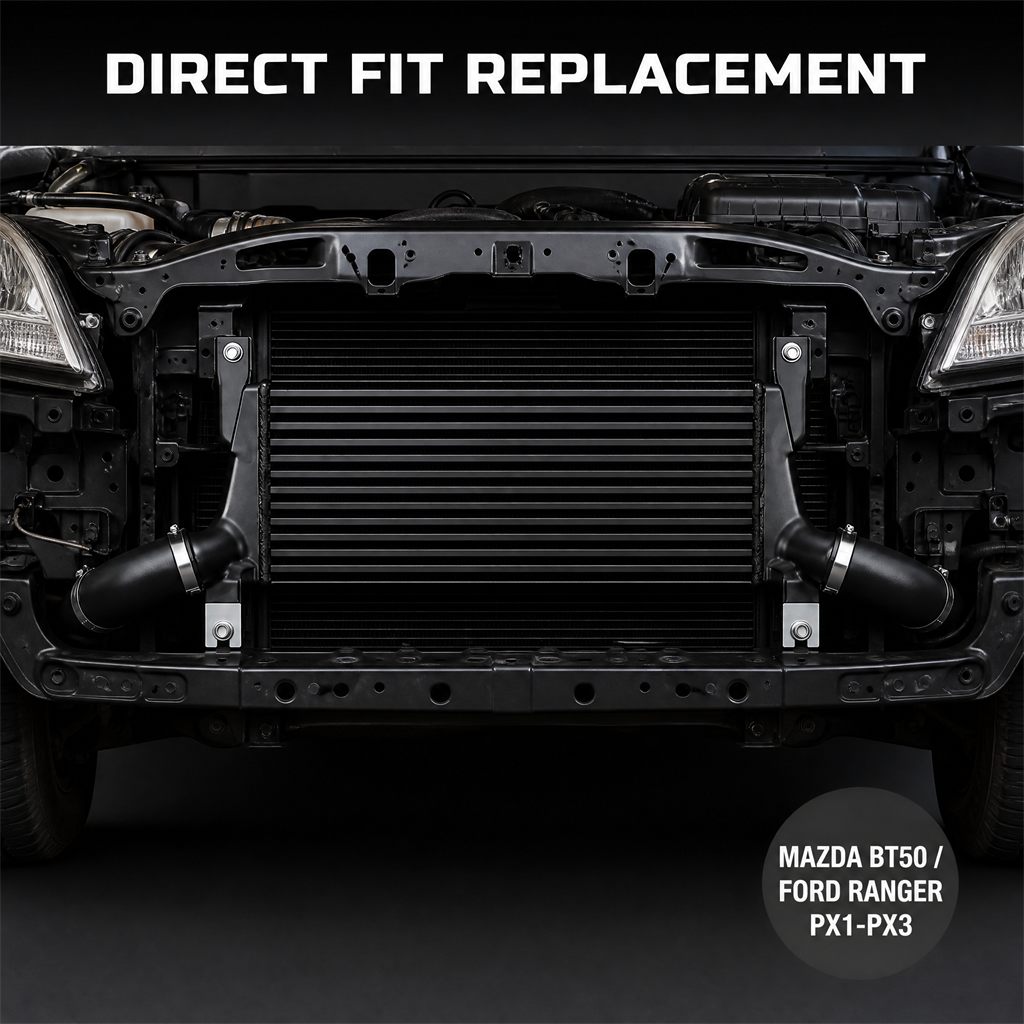
An intercooler sits at the heart of modern turbocharged engine cooling systems, reducing intake air temperature before combustion to improve power output and fuel efficiency. Understanding the materials used in intercooler construction is essential for engineers, fleet managers, and maintenance professionals who need to select components that deliver optimal performance and longevity. The choice of materials directly influences intercooler efficiency, durability, cost-effectiveness, and resistance to environmental stressors.
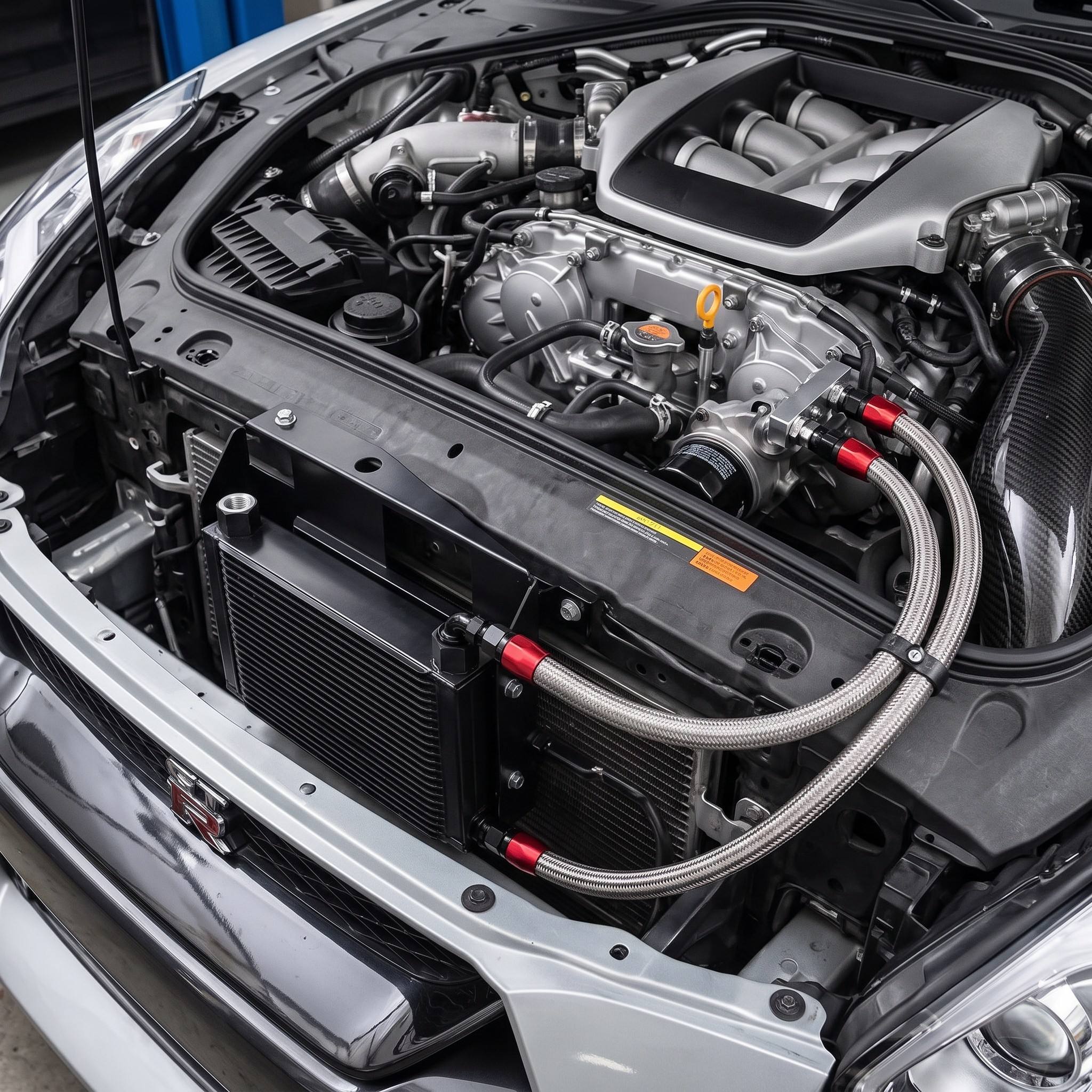
Intercoolers are engineered from a carefully selected combination of metals and alloys chosen for their thermal conductivity, strength, and resistance to corrosion. Different intercooler designs and operating environments demand different material compositions, with air-to-air and air-to-liquid variants each requiring specific material properties. This article explores the primary materials used in intercooler manufacture, their performance characteristics, and how material selection impacts overall turbocharged engine cooling effectiveness and maintenance requirements.
Aluminum and Aluminum Alloys
Primary Aluminum Core Construction
Aluminum dominates intercooler core manufacturing because it offers exceptional thermal conductivity combined with lightweight properties and cost efficiency. Most modern intercoolers feature aluminum tube-and-fin cores where thin aluminum tubes carry coolant or compressed air, and aluminum fins maximize surface area for heat exchange. The aluminum alloy composition typically includes copper and magnesium additions to enhance strength and maintain structural integrity under high pressure and temperature cycling. This material choice is fundamental to achieving high intercooler efficiency in both automotive and industrial turbocharged engine cooling applications.
Aluminum Casting and Assembly
The end tanks and headers of many intercoolers are manufactured from cast aluminum, providing structural rigidity while maintaining lightweight construction. Die-casting or sand-casting processes create complex geometries that distribute flow evenly across the core, optimizing thermal performance and intercooler efficiency. Aluminum headers are then brazed or welded to the aluminum core to create a sealed assembly capable of withstanding system pressures. This seamless integration of cast components ensures reliable performance and simplifies intercooler maintenance when service becomes necessary.
Copper and Brass Components
High-Performance Heat Exchange Elements
Copper appears in high-performance intercooler designs, particularly in premium air-to-liquid systems where maximum thermal conductivity is critical. Copper's superior heat transfer properties make it ideal for fin materials and specialized applications where intercooler efficiency demands exceptional performance margins. Brass, an alloy of copper and zinc, is frequently used for connecting fittings, valve seats, and internal flow passages due to its corrosion resistance and workability. These materials are especially valuable in industrial turbocharged engine cooling systems operating under extreme temperature and pressure conditions.
Durability and Longevity
Copper-based materials resist oxidation and scale formation, which are critical considerations for long-term intercooler maintenance and reliability. The naturally antimicrobial properties of copper reduce biofouling in liquid-cooled systems, preventing degradation of coolant effectiveness over extended service intervals. While copper components are more expensive than aluminum alternatives, their superior corrosion resistance and heat transfer properties justify the investment in applications where performance and durability are paramount.
Stainless Steel and Steel Alloys
Tank and Casing Applications
Stainless steel is commonly employed for intercooler end tanks, headers, and external casings, particularly in harsh industrial environments where corrosion resistance is essential. The 300-series stainless steel grades offer excellent resistance to moisture, saltwater, and chemical exposure, making them ideal for marine, agricultural, and offshore turbocharged engine cooling installations. Stainless steel provides superior structural strength compared to aluminum, enabling thicker wall sections that withstand extreme pressure differentials without deformation. This material choice significantly influences intercooler efficiency maintenance profiles, as stainless construction resists internal corrosion that could compromise thermal performance.
Cost-Performance Considerations
While stainless steel components increase overall intercooler cost relative to aluminum-only designs, the enhanced durability and reduced intercooler maintenance requirements often justify the premium investment for industrial applications. Stainless steel's lower thermal conductivity compared to aluminum necessitates careful design optimization to maintain intercooler efficiency standards. Hybrid constructions combining aluminum cores with stainless steel tanks offer a balanced approach, delivering robust corrosion resistance while preserving thermal performance characteristics essential for turbocharged engine cooling systems.
Plastic and Composite Materials
Modern Thermoplastic Tank Designs
Contemporary intercooler designs increasingly incorporate reinforced nylon and other high-performance thermoplastics for end tanks and flow distribution headers. These materials offer significant weight reduction, corrosion immunity, and design flexibility that improves intercooler efficiency through optimized fluid distribution patterns. Fiber-reinforced polymers maintain dimensional stability across wide temperature ranges, accommodating thermal expansion without creating stress points that could compromise seal integrity. Plastic components simplify manufacturing processes and reduce costs while supporting the performance requirements of modern turbocharged engine cooling systems.
Temperature and Pressure Limitations
Thermoplastic materials function effectively within defined temperature and pressure windows, making them suitable for intercooler applications where operating conditions remain predictable and moderate. Design engineers must carefully validate material specifications against system peak pressures and thermal extremes to ensure long-term reliability and intercooler maintenance intervals remain acceptable. Hybrid metal-plastic constructions leverage the strengths of both material families, using plastic for low-pressure distribution tanks and metal for high-stress core support structures.
FAQ
Why does aluminum dominate intercooler core construction?
Aluminum excels in intercooler applications because it combines exceptional thermal conductivity for superior heat transfer performance with lightweight properties and cost-effectiveness. Its ability to be precision-cast, brazed, and welded into complex geometries enables optimized core designs that maximize intercooler efficiency and turbocharged engine cooling performance across diverse operating conditions.
How does material selection impact intercooler maintenance requirements?
Material composition directly influences intercooler maintenance needs through corrosion resistance, scale buildup susceptibility, and thermal fatigue resistance. Copper and stainless steel components resist oxidative degradation better than aluminum, reducing fouling and maintaining intercooler efficiency over extended service intervals. Regular intercooler maintenance must account for the specific material properties, flow characteristics, and environmental exposures of the installed system.
Can intercoolers use multiple material types together?
Yes, modern intercooler designs frequently combine aluminum cores with stainless steel tanks and brass fittings to optimize performance and durability. Hybrid material construction allows engineers to apply each material where its properties deliver maximum turbocharged engine cooling effectiveness while balancing cost, weight, and intercooler efficiency objectives within budget constraints.
 EN