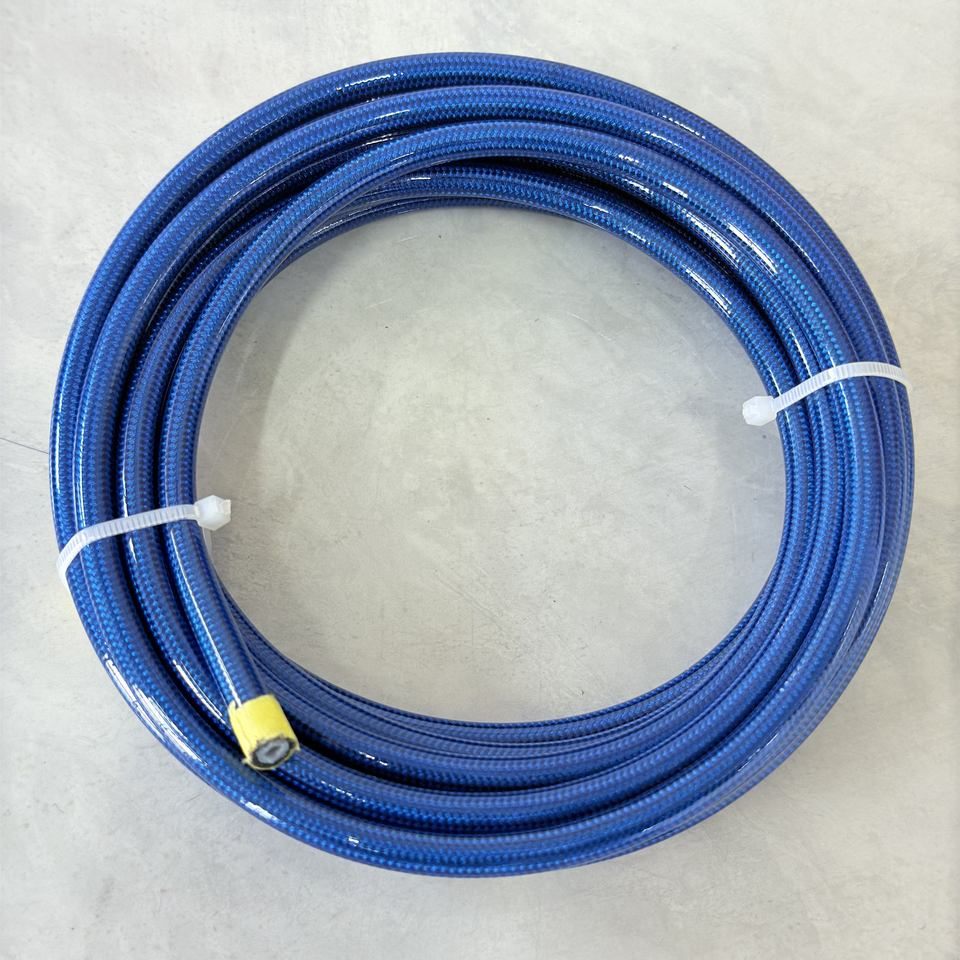
Understanding the pressure capacity of a brake hose is fundamental to vehicle safety and proper brake system maintenance. A brake hose must withstand tremendous hydraulic pressure generated when you apply the brake pedal, typically ranging from 800 to 1200 pounds per square inch (PSI) in most passenger vehicles, though performance and heavy-duty applications can reach much higher pressures. This pressure must be transmitted consistently and reliably from the master cylinder to the brake calipers or wheel cylinders without failure, which is why knowing the pressure rating of your brake hose is critical for ensuring your vehicle stops when you need it to.
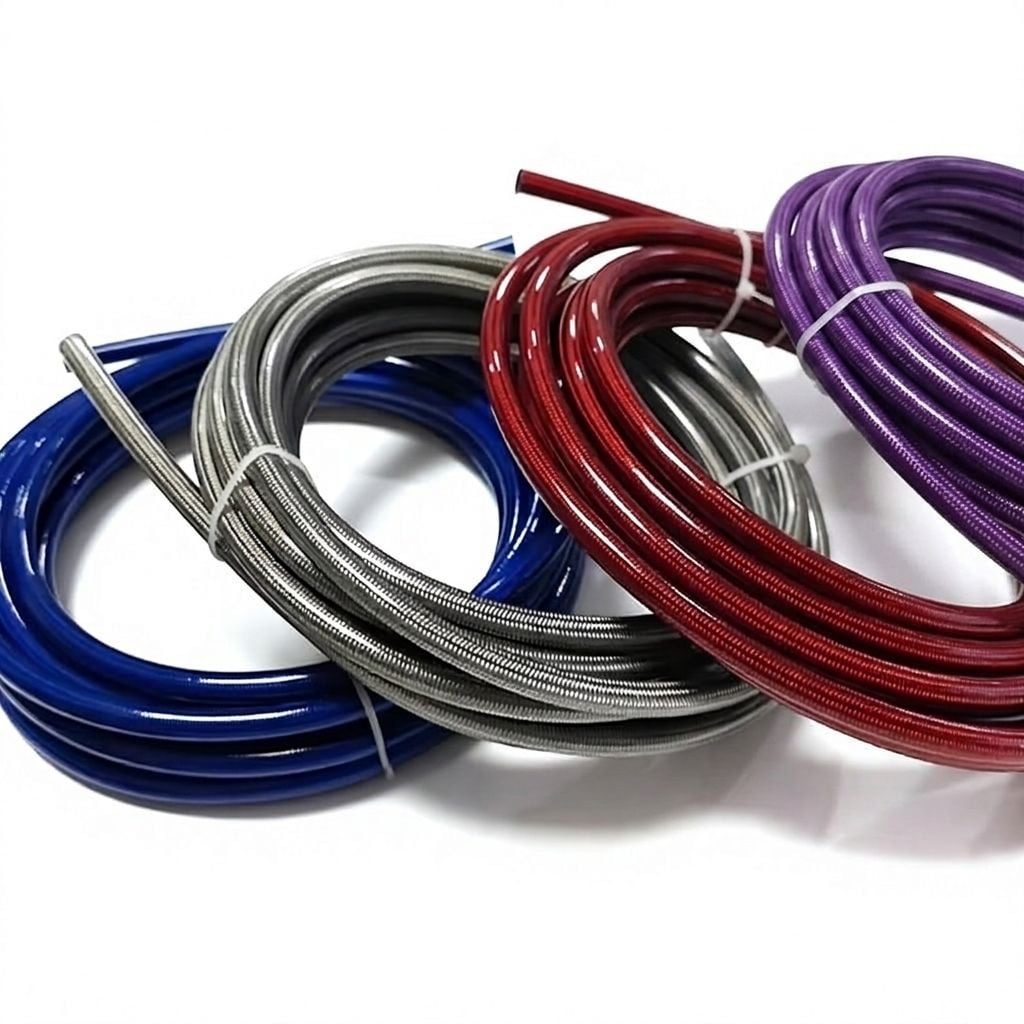
The design and material composition of a brake hose directly determine how much pressure it can safely handle. Modern brake hoses are engineered with reinforced construction, often featuring braided steel layers or synthetic fiber wrapping to contain the hydraulic forces at work. When evaluating a brake hose for your vehicle or fleet, understanding pressure ratings, material specifications, and regulatory standards becomes essential to preventing brake failure and maintaining optimal brake system maintenance across your operations.
Standard Pressure Ratings and Specifications
Typical Brake System Pressures
Most passenger vehicles generate hydraulic pressure between 800 and 1200 PSI under normal braking conditions. Heavy-duty trucks and commercial vehicles often operate at higher pressures, sometimes exceeding 1500 PSI, depending on the brake system design and load capacity. When you apply moderate pressure to the brake pedal, your vehicle's master cylinder creates hydraulic pressure that travels through the brake line replacement components and flexes the brake hose to distribute force evenly across all brake wheels. Performance vehicles and racing applications may demand even higher pressure tolerance, sometimes reaching 2000 PSI or beyond, requiring specially rated brake hose construction designed for extreme conditions.
DOT and SAE Certification Standards
Brake hoses sold in North America must meet Department of Transportation (DOT) standards, which specify minimum pressure ratings and safety factors. SAE J343 defines hose specifications for hydraulic brake applications, ensuring that each hose can withstand at least four times the maximum system pressure it will encounter in service. This safety factor means a hose rated for 4000 PSI would typically be used in a system generating 1000 PSI maximum pressure, providing substantial margin against failure. Hydraulic brake tubing that meets these certifications displays clear labeling indicating compliance, giving consumers confidence that their brake system maintenance includes properly certified components.
Material Composition and Pressure Capacity
Reinforcement Layers and Construction
The pressure capacity of a brake hose depends fundamentally on its internal construction. Standard rubber brake hoses feature multiple layers including an inner synthetic rubber core that contacts brake fluid, an inner reinforcement layer of braided steel wire, an outer cover of abrasion-resistant rubber, and sometimes additional protective layers. Braided steel wire reinforcement dramatically increases pressure handling compared to non-reinforced hoses, allowing the hose to maintain structural integrity under sustained hydraulic brake tubing pressure. For brake line replacement in high-performance applications, PTFE (polytetrafluoroethylene) core hoses offer superior pressure ratings, often reaching 4000 to 6000 PSI, making them suitable for racing, off-road, and extreme-duty vehicles where brake system maintenance standards are particularly stringent.
Inner Tube and Fluid Compatibility
The inner tube material significantly affects both pressure capacity and service life. DOT 3 and DOT 4 brake fluid require hoses with synthetic rubber inner tubes resistant to glycol-based fluid. DOT 5 brake fluid, which is silicone-based, demands different compatibility considerations for the inner tube. Incompatible hoses and brake fluid combinations can degrade the inner tube prematurely, reducing pressure capacity and creating a safety hazard. When planning brake line replacement or routine brake system maintenance, matching the hose inner tube material to your specific brake fluid type ensures the hose maintains its rated pressure capacity throughout its service life.
Environmental Factors and Pressure Degradation
Temperature Effects on Hose Integrity
Extreme temperatures can reduce the effective pressure capacity of a brake hose. High heat from prolonged braking, friction, and engine compartment proximity can soften rubber compounds, while cold temperatures can make them brittle and less flexible. Most brake hoses are rated for operation between minus 40 and plus 212 degrees Fahrenheit, though performance hoses may handle broader ranges. During intensive brake system maintenance inspections, technicians check for hardened, cracked, or deteriorated rubber, which signals reduced pressure tolerance. Vehicles operating in severe climates or those used for towing heavy loads experience faster degradation, necessitating more frequent brake line replacement to maintain safe pressure handling capacity.
Aging and Material Breakdown
All brake hoses age over time, even when not actively used. Exposure to UV light, ozone, moisture, and brake fluid components gradually deteriorates the rubber compound, reducing flexibility and pressure capacity. After eight to ten years of service, most original equipment manufacturer (OEM) brake hoses should be considered candidates for replacement as part of comprehensive brake system maintenance, regardless of visible condition. Hydraulic brake tubing that appears externally sound may have internal degradation invisible to casual inspection. Professional brake system maintenance protocols recommend inspecting hose condition annually and replacing hoses that show any signs of cracking, bulging, or stiffness, even if pressure tests indicate they still technically meet minimum ratings.
Testing and Verification of Pressure Capacity
Burst Pressure Testing Standards
Manufacturers test brake hose pressure capacity through controlled burst testing, where pressure is gradually increased until the hose ruptures. Quality brake hoses burst at pressures significantly higher than their rated working pressure, typically at least four times the nominal rating. A brake hose rated for 1000 PSI working pressure should burst at 4000 PSI or higher under standardized testing conditions. Independent verification of burst pressure ensures that brake line replacement components meet safety requirements before installation. When sourcing replacement hoses for brake system maintenance, purchasing from reputable suppliers that provide test documentation offers assurance that your hydraulic brake tubing meets expected pressure specifications.
In-Service Pressure Monitoring
Modern diagnostic equipment allows technicians to measure actual hydraulic pressure in brake systems during operation, confirming that system pressures remain within design specifications. Pressure readings significantly higher than expected can indicate problems in the brake system beyond hose integrity, such as master cylinder malfunction or brake line restrictions. Conversely, lower-than-expected pressures might suggest air in the lines or internal hose degradation. Regular brake system maintenance that includes pressure monitoring helps identify potential issues before hose failure occurs, preventing emergency situations and extending the service life of brake line replacement components. Documentation of pressure readings provides a baseline for identifying trends over time and scheduling proactive brake system maintenance.
FAQ
What happens if a brake hose exceeds its pressure rating?
If pressure in a brake hose exceeds its rated capacity, the hose can rupture suddenly, resulting in complete loss of brake fluid pressure to that wheel and severely compromised braking performance. A burst brake hose during driving creates an emergency situation where only partial braking power remains, potentially causing accidents. This is why ensuring your brake hose meets your vehicle's pressure requirements through proper brake line replacement and brake system maintenance is essential for safety.
How often should I replace my brake hose during routine brake system maintenance?
Most manufacturers and technicians recommend replacing brake hoses every eight to ten years or if visible damage appears, whichever comes first. Vehicles subjected to heavy use, extreme temperatures, or towing may require brake line replacement more frequently. Professional brake system maintenance inspections can identify hoses nearing the end of their safe service life before failure occurs, allowing planned replacement rather than emergency repairs.
Does the type of brake fluid affect hydraulic brake tubing pressure capacity?
The type of brake fluid itself does not directly change the pressure capacity of the hose, but compatibility matters greatly. Using incompatible brake fluid with a hose can degrade the inner tube, reducing pressure capacity and reliability. Proper brake system maintenance includes using the brake fluid type specified for your vehicle and ensuring all hydraulic brake tubing components are compatible with that fluid type to maintain safe pressure handling throughout the system.
 EN