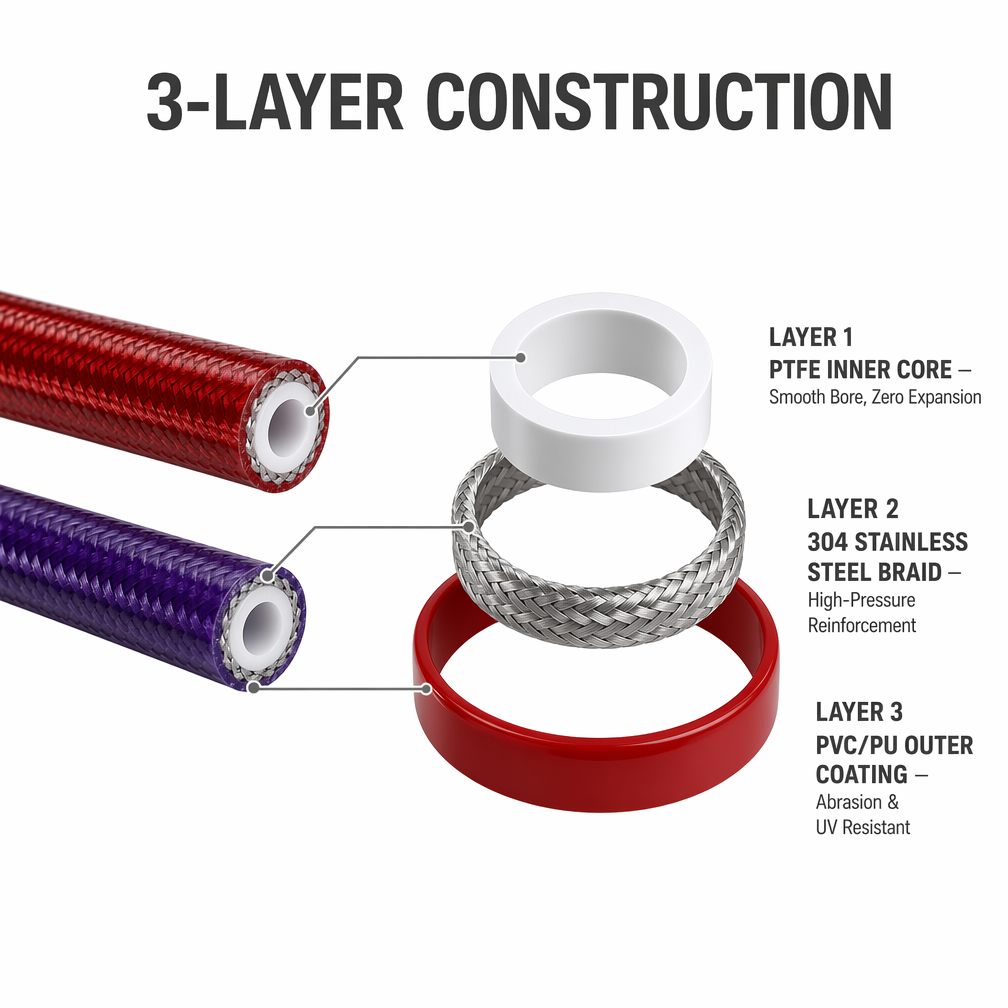
Safety standards for hydraulic systems are critical to industrial operations worldwide. A hydraulic hose must meet rigorous regulatory frameworks to prevent catastrophic failures, protect personnel, and ensure operational reliability. Understanding which standards apply to your equipment is not optional—it is fundamental to maintaining safety, reducing downtime, and meeting legal obligations across manufacturing, construction, agriculture, and marine industries.
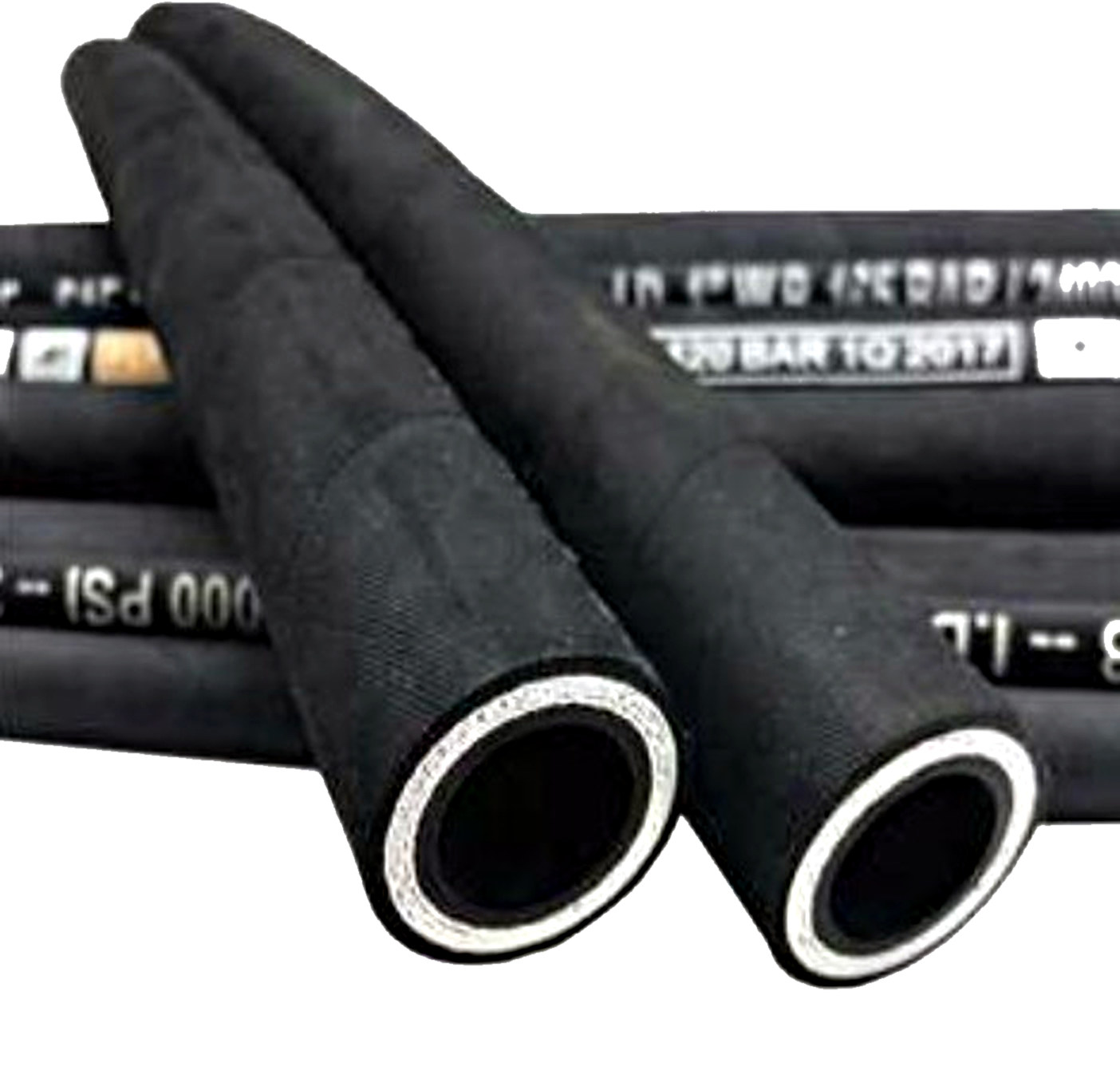
Hydraulic systems operate under extreme pressure, making the selection of compliant hose assembly components essential for system integrity. Standards govern everything from material composition and pressure ratings to hose assembly installation procedures and end-of-life testing protocols. Whether you work with high pressure hose in oil refineries, food processing plants, or mobile equipment, knowing the applicable standards ensures your system remains safe, legally compliant, and performs as designed throughout its operational life.
International and National Safety Standards
ISO Standards for Hydraulic Hose Systems
The International Organization for Standardization (ISO) has established comprehensive standards for hydraulic hose design and performance. ISO 1402 and ISO 1453 define specifications for hose assemblies and flexible tubing used in hydraulic systems. These standards specify pressure ratings, material requirements, and testing procedures that manufacturers must follow during production. ISO 6162 addresses general requirements for hydraulic systems, including hose routing, protection, and identification marking, ensuring operators can quickly identify system components and their rated capacities.
ISO 4413 provides a broader framework for safety principles and practices in hydraulic systems, covering design, installation, maintenance, and operation. This standard emphasizes the importance of proper high pressure hose selection, installation practices, and regular inspection schedules. When selecting a hydraulic hose assembly for critical applications, specifying ISO compliance gives you confidence that the product has undergone rigorous testing and meets internationally recognized performance benchmarks.
Regional Compliance Requirements
The European Union enforces the Machinery Directive and the Pressure Equipment Directive (PED), which regulate hydraulic hose systems used in machinery and industrial equipment. Products must carry CE marking and include technical documentation demonstrating conformity to essential health and safety requirements. In North America, the American Society of Mechanical Engineers (ASME) publishes standards for hydraulic systems and components, while the Occupational Safety and Health Administration (OSHA) enforces workplace safety regulations that directly address hydraulic system maintenance and hose inspection protocols.
Australia, Canada, and other industrialized nations maintain their own national standards based on ISO frameworks but with regional adaptations. Understanding your local regulatory environment is critical, as non-compliance can result in equipment shutdown orders, significant fines, and worker safety liability. Consulting with your hydraulic hose supplier or a compliance expert ensures you select flexible tubing and hose assembly products that meet the specific standards required in your jurisdiction.
Technical Specifications and Performance Testing
Pressure Ratings and Material Standards
Hydraulic hose safety standards mandate that every high pressure hose must be rated for specific working pressures, burst pressures, and operating temperatures. Standards require manufacturers to clearly mark pressure ratings on hose sleeves or attached identification tags. The hose assembly must be tested to withstand pressures significantly higher than the rated working pressure—typically 4 times the working pressure for burst testing—to ensure a wide safety margin. Material compatibility is equally important; standards specify which rubber compounds, thermoplastics, wire braiding, and spiral windings are acceptable for different hydraulic fluid types and temperature ranges.
Flexible tubing used in secondary applications must also comply with pressure and material standards, even if working pressures are lower than primary hose systems. Standards like ISO 4413 and SAE J517 establish categories of hose based on pressure ranges, allowing engineers to select the appropriate hose assembly for each circuit. Selecting a hydraulic hose rated above your actual system pressure provides operational safety margin and accommodates pressure spikes during system startup or emergency braking events common in mobile equipment.
Inspection, Testing, and Certification
Safety standards require that every hose assembly undergo end-of-line testing before leaving the manufacturing facility. Pressure decay tests, burst tests, and visual inspections confirm that each product meets design specifications. Certification documents must accompany the product, allowing end-users to verify compliance with applicable standards. Regular in-service testing of installed hydraulic hose systems is also mandated; most standards recommend pressure testing hose systems at intervals of 5 to 10 years depending on application severity and fluid type.
Operators and maintenance technicians must conduct visual inspections for signs of hose degradation, including bulging, cracking, leakage, or abrasion. Safety standards establish procedures for safe hose replacement, including depressurization protocols and disposal requirements. Documentation of all testing and maintenance activities creates a compliance record demonstrating that your hydraulic hose and flexible tubing systems have been properly maintained and remain safe for continued operation. Third-party certification bodies often audit this documentation to verify compliance during regulatory inspections.
Application-Specific Safety Considerations
High Pressure Hose in Critical Environments
Certain applications require hose assembly systems that exceed standard minimum requirements due to environmental hazards or operational criticality. Aerospace and aviation hydraulic systems must comply with stringent military specifications (MIL-HDBK standards) that exceed civilian standards in pressure testing, material traceability, and performance documentation. Food and pharmaceutical manufacturing facilities require hose systems using compatible materials that prevent contamination; standards in these sectors prohibit certain braiding materials and establish specific cleaning protocols for flexible tubing.
Subsea and marine environments expose hydraulic hose to corrosive saltwater, extreme cold, and high external pressures. Standards for these applications demand specialized material selections, increased wall thickness, and enhanced external protection measures. Mobile equipment used in mining, construction, and agriculture operates in dusty, abrasive conditions; standards for these applications require hose assembly protective sleeves and routing practices that minimize contact with sharp surfaces. Your application's unique environment should drive your selection of a hydraulic hose that meets or exceeds standards specifically addressing those hazards.
Traceability and Documentation Requirements
Modern safety standards emphasize material traceability and supply chain documentation. Manufacturers must maintain records proving that raw materials (rubber, wire, fittings) used in hose assembly production meet material specifications and pass incoming quality checks. This traceability extends through production batches, allowing rapid identification and recall if a manufacturing defect is discovered. Standards require that end-users maintain documentation linking installed hydraulic hose systems to specific production batches, enabling quick identification during safety investigations or recalls.
Digital documentation systems and barcoding have become industry standard practice for tracking flexible tubing and hose assembly components throughout their lifecycle. When procuring a hydraulic hose or high pressure hose from suppliers, request complete certification packages including material test reports, pressure test results, and production batch documentation. This documentation proves compliance during regulatory audits and provides crucial evidence if a hose failure occurs, demonstrating that proper standards were followed during manufacturing and installation.
FAQ
What are the main ISO standards that apply to hydraulic hose systems?
The primary ISO standards for hydraulic hose include ISO 1402 (hose assemblies for general use), ISO 1453 (hose assemblies with specific fluid compatibility), ISO 4413 (general safety principles for hydraulic systems), and ISO 6162 (general requirements for hydraulic systems). These standards establish pressure ratings, material requirements, testing procedures, and installation protocols. ISO 4413 is particularly important as it provides the foundational safety framework that manufacturers and operators must follow to ensure their hydraulic hose and flexible tubing systems operate safely throughout their lifespan.
How often should hydraulic hose assemblies be pressure tested and inspected?
Safety standards typically recommend pressure testing hydraulic hose systems every 5 to 10 years, depending on application severity, fluid type, and environmental conditions. Visual inspections should occur more frequently—many standards recommend quarterly or semi-annual inspections for critical systems. Operators should examine the hose assembly for bulging, cracks, leakage, and abrasion damage. Any signs of deterioration require immediate hose replacement. Additionally, every high pressure hose and flexible tubing installation should be tested after initial assembly and whenever the system is opened for maintenance or modification.
What compliance documentation should accompany a hydraulic hose product?
Compliant hydraulic hose products must include certification documents proving manufacturing compliance with applicable standards (ISO, PED, ASME, or regional equivalents). Documentation should include pressure test reports, material certifications confirming that rubber compounds and braiding materials meet specifications, and identification of the production batch or serial number. For hose assembly products, fittings and end connections must also be certified. This documentation package allows end-users to verify compliance, track traceability back to raw material suppliers, and demonstrate regulatory compliance during inspections or incident investigations.
 EN