An intercooler must handle significant thermal stress in any turbocharged engine cooling system. Understanding the temperature range an intercooler can safely manage is essential for maintaining performance, preventing component failure, and optimizing engine longevity. Most modern intercoolers are engineered to operate reliably between 40°C and 120°C under normal driving conditions, though peak performance requires staying within this window consistently. Exceeding these limits compromises intercooler efficiency and risks catastrophic engine damage.
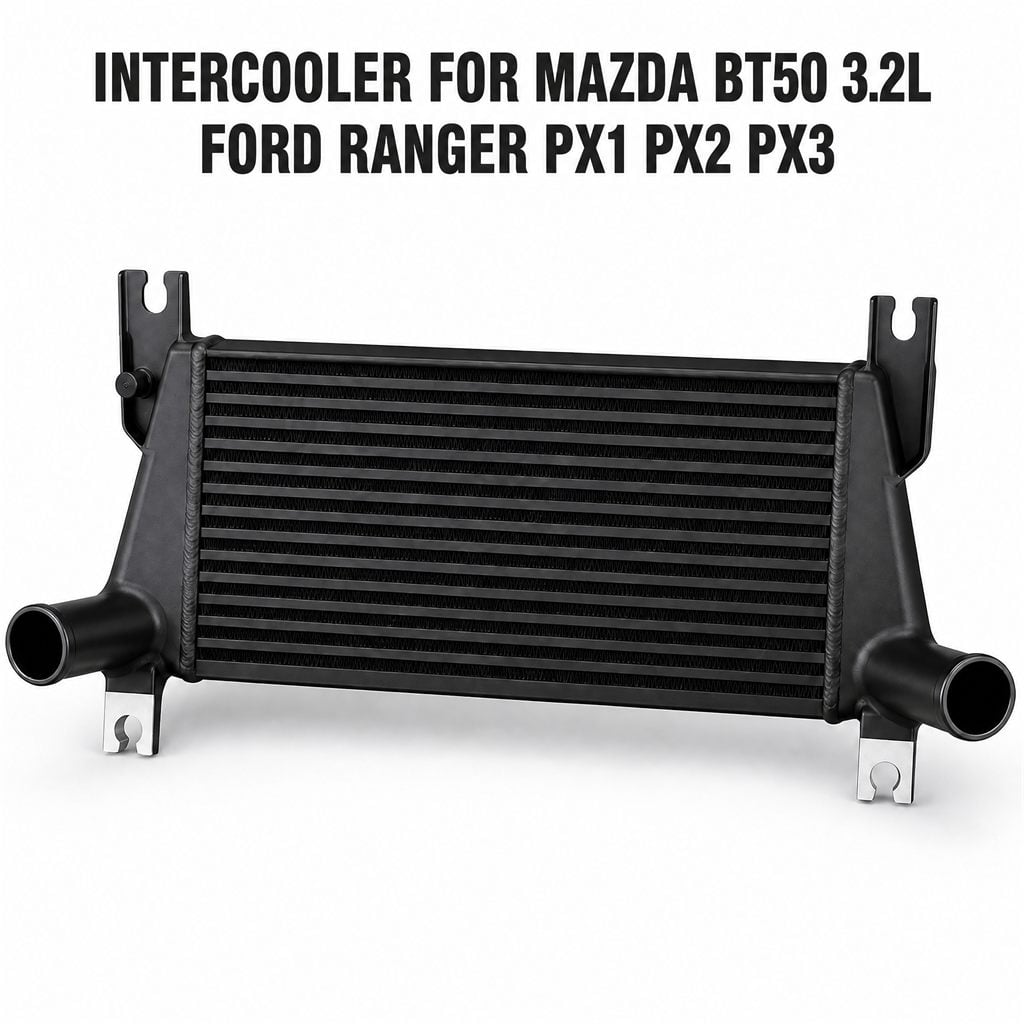
The turbocharged engine cooling process depends entirely on the intercooler's ability to dissipate compressed air heat efficiently. When turbochargers compress incoming air, temperatures spike rapidly. Without proper heat rejection through the intercooler, combustion temperatures rise, detonation risk increases, and fuel efficiency drops dramatically. Every degree above the optimal threshold reduces intercooler efficiency and forces engine management systems to pull timing advance or inject additional fuel to prevent knock.
Optimal Operating Temperature Range
Standard Operating Window
The typical operating range for an intercooler spans from approximately 40°C to 120°C. Most turbocharged vehicles run most efficiently between 60°C and 100°C under sustained acceleration or highway driving. At inlet temperatures below 40°C, condensation can form inside the intercooler passages, potentially introducing moisture into the combustion chamber. Above 120°C, intercooler efficiency deteriorates rapidly, and component integrity becomes compromised, especially for units using plastic end tanks.
Peak Performance Conditions
During aggressive driving or racing, intercooler temperature management becomes critical. High-performance applications often target outlet temperatures between 50°C and 80°C to maximize turbocharged engine cooling and maintain intercooler efficiency. Track-focused vehicles with upgraded cooling systems can sometimes operate safely up to 130°C momentarily, but sustained operation above 120°C accelerates seal degradation and reduces component lifespan significantly. Professional tuners monitor intercooler outlet temperatures closely to prevent heat-related failure.
Thermal Limits and Material Considerations
Aluminum Core Durability
Most intercoolers feature aluminum cores bonded to end tanks made from either aluminum or plastic. Pure aluminum can safely withstand continuous temperatures around 150°C, but the bonding adhesive and plastic components fail much sooner. Plastic end tanks typically degrade above 120°C, while rubber hoses and fittings in the cooling circuit fail even earlier. This cascading thermal vulnerability means the intercooler assembly's weakest link determines the true temperature ceiling. For turbocharged engine cooling systems, practical limits remain well below theoretical material maximums.
Seal and Gasket Integrity
Silicone-based seals inside intercooler cores can tolerate sustained temperatures to approximately 130°C, but performance degradation begins around 110°C. As intercooler efficiency suffers, seal compression relaxes, and micro-leaks develop. This creates a vicious cycle where rising temperatures accelerate seal failure, which further reduces heat rejection capability. Regular intercooler maintenance inspection becomes increasingly important in high-performance applications operating near temperature limits, as small seal compromises can escalate rapidly.
Managing Intercooler Temperature Effectively
Cooling System Design Factors
Intercooler efficiency depends on adequate cooling flow, typically provided by ambient air or a dedicated radiator loop. Air-to-air designs rely on vehicle speed and radiator sizing; air-to-water systems use engine coolant circulation. In either approach, insufficient cooling capacity causes temperature buildup that overwhelms the intercooler's heat rejection capability. Upgrading to larger core volume or adding auxiliary electric fans improves turbocharged engine cooling performance and extends operational safety margins. Proper sizing ensures intercooler outlet temperatures stay comfortably below critical thresholds during sustained power delivery.
Maintenance and Monitoring Protocols
Maintaining optimal intercooler efficiency requires regular inspection for internal deposits, external debris blockage, and cooling line integrity. Clogged intercooler cores create thermal resistance that elevates temperatures unnecessarily. Damaged hoses, leaking connections, or disconnected bypass valves prevent proper coolant circulation in water-cooled systems. Many modern vehicles include intercooler outlet temperature sensors that communicate with engine management systems. Monitoring these readings helps identify cooling system problems before they cause performance loss or component failure. Preventive intercooler maintenance ensures sustained heat rejection and extends the safe operating window.
FAQ
What happens if an intercooler exceeds its temperature limit?
When temperature limits are exceeded, intercooler efficiency collapses, boost pressures rise uncontrollably, and intake air density decreases. Engine management systems detect elevated temperatures and retard ignition timing, reducing power output significantly. Sustained overheating causes seal degradation, internal corrosion, and potential core failure. In severe cases, catastrophic boost leaks occur, and the engine may enter limp-home mode to prevent damage. Extended operation beyond limits can permanently reduce intercooler core efficiency even after the thermal event resolves.
Can intercooler efficiency be improved for high-temperature environments?
Yes, intercooler efficiency improves through core upgrades, enhanced airflow design, or conversion to water-cooled systems. Larger cores with higher fin density increase surface area for heat rejection. Adding auxiliary electric fans boosts cooling in low-speed driving when ambient air circulation is insufficient. Water-cooled intercoolers transfer heat to engine coolant with greater consistency than air-to-air designs, enabling better turbocharged engine cooling control. Upgrading the radiator to manage both engine and intercooler heat loads prevents temperature escalation during sustained performance driving.
How does intercooler maintenance prevent temperature-related failures?
Regular intercooler maintenance removes internal scale deposits and external debris that restrict heat transfer, directly improving intercooler efficiency. Inspecting cooling line connections ensures proper coolant circulation in water-cooled systems and prevents bypass scenarios that cause temperature spikes. Checking inlet and outlet hose conditions prevents pressure losses that compromise turbocharged engine cooling effectiveness. Flushing cooling passages and replacing coolant restores thermal conductivity and protects aluminum from corrosion. These preventive measures maintain the intercooler's full heat rejection capacity and extend component lifespan significantly.
 EN

