 EN

what-temperature-range-can-custom-brake-hoses-withstand-safely, what-temperature-range-can-custom-brake-hoses-withstand-safely, /news
EN
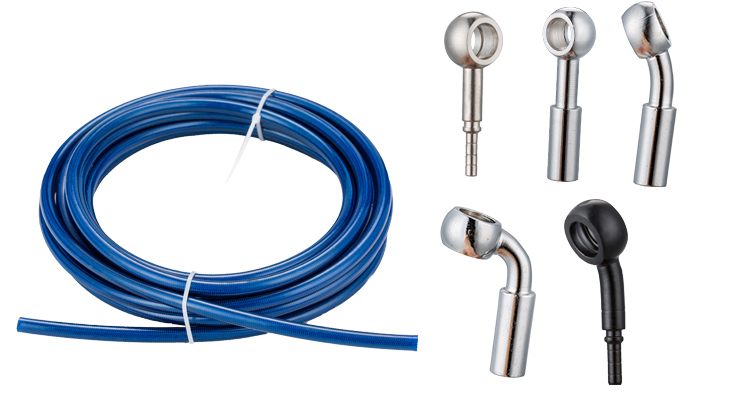
Understanding the temperature range that a custom brake hose can safely withstand is critical for vehicle safety, performance reliability, and regulatory compliance. Brake systems operate under extreme thermal stress, especially in high-performance vehicles, heavy-duty trucks, and racing applications where friction heat builds rapidly. The ability of your brake fluid delivery system to maintain integrity across temperature fluctuations directly impacts stopping power, response time, and overall braking effectiveness when it matters most.
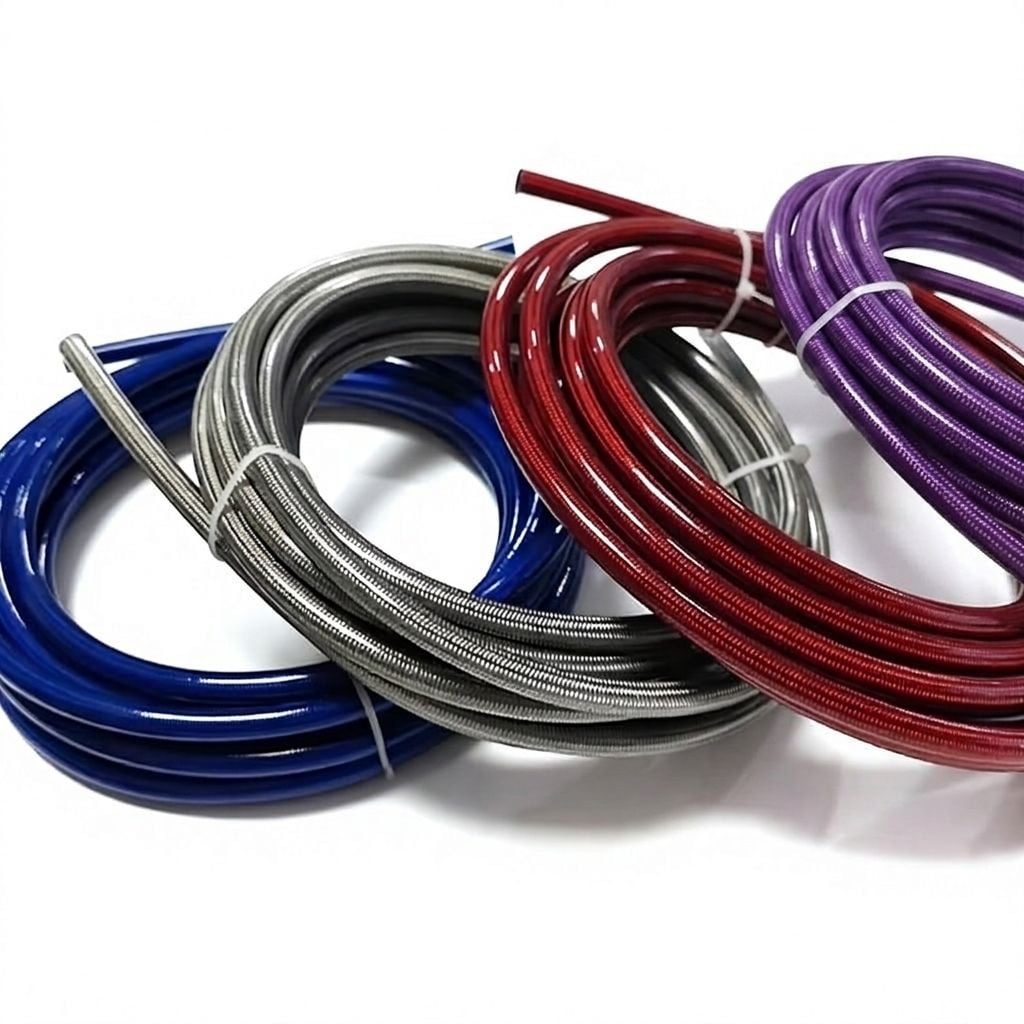
Manufacturers and technicians must select braided brake lines and hydraulic brake tubing that meet or exceed industry thermal specifications. The temperature range capability of your brake system components determines how your vehicle responds during emergency stops, mountain descents, track driving, or harsh environmental conditions. DOT brake hose specifications establish minimum thermal performance standards that protect vehicles and drivers across diverse operating scenarios.
Most DOT brake hose specifications require custom brake hose products to function safely between minus 40 degrees Celsius and plus 100 degrees Celsius, equivalent to minus 40 to 212 degrees Fahrenheit. This range covers typical street vehicle operations, seasonal climate variations, and normal braking heat generation. Standard braided brake lines constructed with reinforced rubber or synthetic cores typically maintain structural integrity and fluid compatibility within these parameters without degradation or performance loss.
Industrial hydraulic brake tubing and high-performance applications often demand extended temperature capabilities. Many specialty braided brake lines now exceed baseline DOT brake hose specifications by supporting operating temperatures up to 120 degrees Celsius or higher, particularly when PTFE inner core materials or synthetic jacketing is employed. Understanding your specific vehicle's thermal profile helps determine whether standard or enhanced temperature-rated hose products are necessary for safe, reliable operation.
Friction during braking converts kinetic energy into thermal energy, raising brake fluid temperatures significantly during repeated or prolonged braking events. Heavy vehicles, performance cars, and downhill driving scenarios generate sustained brake heat that can push fluid temperatures well above ambient conditions. Hydraulic brake tubing must resist both the internal fluid temperature and external heat radiating from brake components, making dual thermal protection essential for safety-critical applications.
Stainless steel braiding, PTFE inner cores, and polyurethane jacketing significantly enhance the thermal stability of custom brake hose assemblies beyond conventional rubber hose options. PTFE materials maintain dimensional stability and chemical resistance even at elevated temperatures, preventing hose expansion, fluid degradation, or seal failure. Braided brake lines with reinforced construction distribute thermal stress more evenly, reducing localized hot spots that could compromise hose integrity or accelerate fluid aging.
The jacket material protecting hydraulic brake tubing also plays a critical role in thermal management. Polyurethane jacketing provides superior ozone resistance, UV stability, and temperature consistency compared to bare rubber. Custom brake hose configurations with metallic or ceramic-enhanced jackets offer exceptional performance in racing, emergency vehicle, and military applications where thermal extremes are routine rather than exceptional.
DOT brake hose specifications define mandatory temperature testing protocols that manufacturers must pass before products reach the market. These standardized tests subject hydraulic brake tubing samples to extreme thermal cycling, cold soak conditions, and heat aging evaluations. Custom brake hose products that meet or exceed DOT specifications have been validated to maintain burst pressure, fluid compatibility, and dimensional stability across specified temperature ranges, providing objective assurance of thermal performance.
Regulatory compliance ensures that braided brake lines and other hose variants will not fail prematurely due to thermal stress during normal vehicle operation. Meeting DOT standards requires comprehensive material selection, manufacturing precision, and quality testing protocols. Choosing custom brake hose products that carry proper DOT certification and temperature rating removes guesswork from thermal safety decisions and aligns your brake system with industry best practices.
Sub-zero temperatures increase brake fluid viscosity, potentially reducing response speed and pressure transmission through hydraulic brake tubing. Braided brake lines manufactured with appropriate elastomer compounds and PTFE cores maintain flexibility and fluid flow characteristics even when ambient temperatures drop below freezing. Custom brake hose formulations designed for cold climates include additives and material selections that prevent brittleness, cracking, or seal degradation that would compromise braking reliability in winter driving scenarios.
Cold-rated hydraulic brake tubing ensures consistent pressure delivery and responsive brake feel regardless of season or geographic location. Vehicles operating in mountain regions, northern climates, or high-altitude environments benefit from braided brake lines specifically formulated to maintain thermal stability across the full specified temperature range. Testing DOT brake hose specifications under cold conditions validates that products will perform safely when warmth is absent and thermal challenges intensify.
Racing, high-performance driving, and emergency service vehicles generate brake temperatures that approach or exceed standard operating ranges, demanding specialized thermal engineering. Custom brake hose systems designed for these applications incorporate advanced materials such as stainless steel braiding, reinforced PTFE cores, and heat-resistant jacketing that maintain functionality at 120 degrees Celsius, 130 degrees Celsius, or higher. Braided brake lines with superior thermal ratings provide margin for safety and prevent fluid boiling, hose softening, or pressure loss during critical stopping events.
Heavy-duty trucks, agricultural equipment, and industrial hydraulic systems may experience sustained thermal loads that require custom brake hose specifications exceeding standard DOT minimums. Selecting hydraulic brake tubing rated for extended temperature ranges eliminates performance degradation during full-load operation or prolonged braking events. High-temperature capabilities directly correlate with stopping reliability, fade resistance, and long-term hose durability in demanding applications where thermal extremes are predictable and frequent.
Standard custom brake hose products meeting DOT brake hose specifications typically maintain safe operation up to approximately 100 degrees Celsius or 212 degrees Fahrenheit. Premium braided brake lines and hydraulic brake tubing with PTFE cores and polyurethane jacketing often support temperatures up to 120 degrees Celsius or higher, depending on specific material formulation and manufacturing standards. Always verify the temperature rating marked on your hose or provided in product documentation before installation.
Braided brake lines feature stainless steel or reinforced weaving that distributes thermal stress more evenly along the hose length, preventing localized weak points where rupture might occur. The braiding also allows enhanced core material choices such as PTFE, which provides superior thermal stability and chemical resistance. Additionally, braided construction often pairs with specialized jacketing materials that reflect or dissipate heat more effectively than conventional rubber, collectively delivering improved thermal performance and durability across DOT brake hose specifications.
Cold weather increases brake fluid viscosity and can make hydraulic brake tubing stiffer or less responsive if not properly formulated for low-temperature operation. Custom brake hose products designed with cold-weather elastomers and PTFE cores maintain flexibility and fluid transmission even in freezing conditions. Always select braided brake lines and hose assemblies rated for the full temperature range your vehicle will experience, including the coldest winter conditions in your region, to ensure consistent brake performance year-round.
