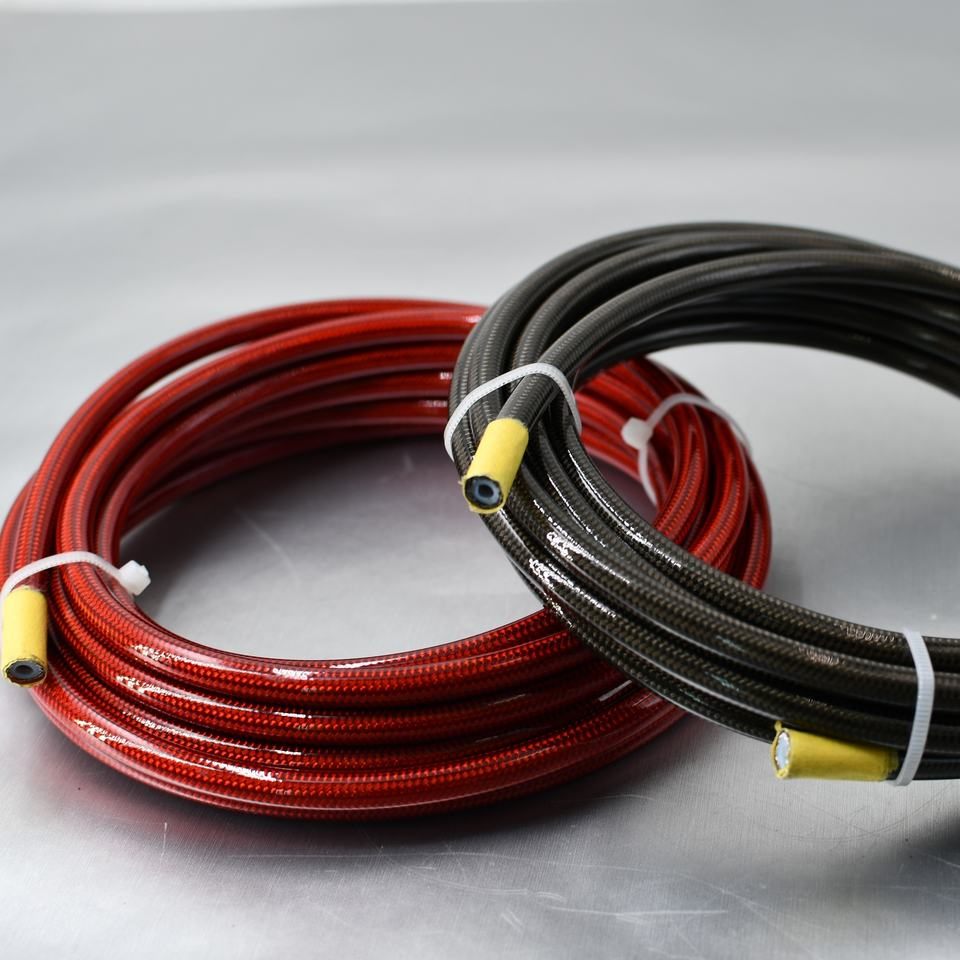
Understanding the temperature range a brake hose can withstand is critical for vehicle safety and system reliability. A brake hose operates under demanding conditions, experiencing extreme heat during braking cycles and exposure to engine compartment temperatures. The typical brake hose is engineered to function safely between -40°F and 250°F (-40°C to 121°C), though advanced formulations and construction methods now push these limits further. Knowing these thermal boundaries helps fleet managers, technicians, and vehicle owners make informed decisions about brake system maintenance and component selection.
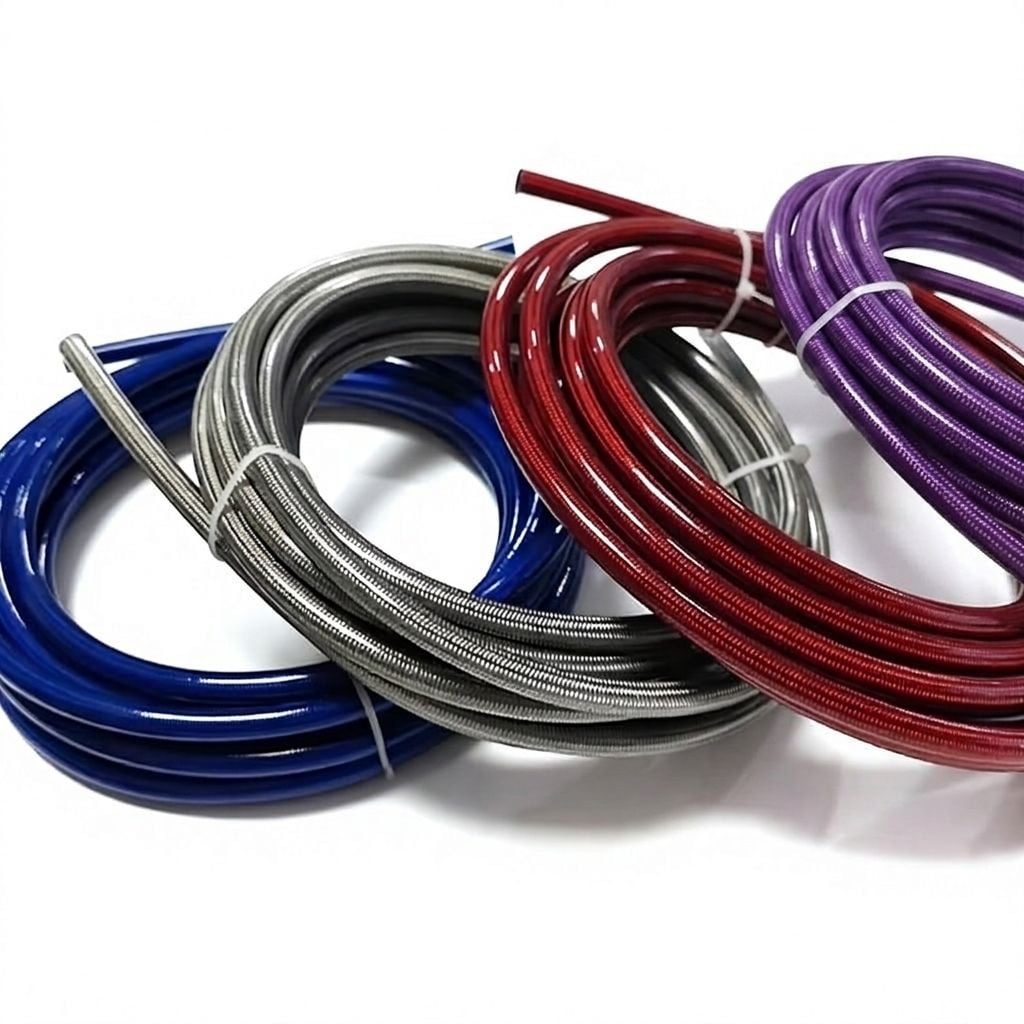
The thermal performance of a brake hose depends on material composition, reinforcement structure, and the quality of the hydraulic brake tubing used in its construction. Standard rubber hoses typically handle lower temperature ranges, while advanced elastomers and synthetic materials extend performance capabilities significantly. For critical applications such as high-performance vehicles, racing equipment, or extreme-climate operations, understanding these thermal specifications becomes essential to preventing brake failure and ensuring consistent hydraulic brake tubing function.
Temperature Operating Limits and Material Selection
Standard Operating Temperature Ranges
Most OEM brake hoses are rated for continuous operation between -30°F and 212°F (-34°C to 100°C), with brief excursions up to 250°F (121°C) during intense braking events. This range covers typical passenger vehicle and light commercial applications where brake system maintenance follows industry standards. The lower limit protects against material brittleness in cold climates, while the upper limit accounts for friction-generated heat at the wheel cylinders and calipers during brake pressure application.
Advanced Material Performance
Premium brake line replacement options use PTFE (polytetrafluoroethylene) cores wrapped in synthetic rubber or aramid reinforcement, achieving temperature ratings of -60°F to 300°F (-51°C to 149°C) or higher. These advanced hydraulic brake tubing formulations are particularly valuable in motorsports, heavy-duty commercial vehicles, and regions with extreme seasonal temperature swings. Stainless steel braiding provides additional thermal stability and burst resistance, making these hoses ideal for brake system maintenance in demanding environments.
Heat Generation and Braking Performance Dynamics
How Braking Creates Temperature Stress
When a vehicle brakes, kinetic energy converts to thermal energy at the friction surfaces. This heat transfers through the brake fluid and into the surrounding brake hose structure. Extended braking cycles—such as descending mountain roads or repeated emergency stops—cause sustained temperature elevations that test the material limits of standard hoses. Understanding this heat generation pattern is vital for brake system maintenance planning, particularly for vehicles operating in challenging terrain or urban environments with frequent braking.
Thermal Expansion and Seal Integrity
Temperature fluctuations cause materials to expand and contract, affecting the seal integrity where the brake line replacement connects to calipers and wheel cylinders. Excessive thermal cycling weakens these connections over time, creating potential leak points in the hydraulic brake tubing system. High-quality hoses with stable elastomers minimize expansion differential, preserving connection tightness and maintaining reliable brake system maintenance performance across thousands of thermal cycles.
Selection Criteria for Temperature-Critical Applications
Identifying Your Application Requirements
Fleet operators and technicians must assess their specific operational environment before selecting a brake line replacement product. High-altitude routes experience different thermal profiles than coastal regions. Commercial vehicles towing heavy loads generate more brake heat than passenger cars. Racing applications demand hoses rated well above standard ranges. The brake hose selected should exceed the maximum expected temperature by a safety margin of at least 20-30 degrees Fahrenheit to accommodate unexpected conditions and material degradation over the service life.
Inspection and Preventive Maintenance
Regular visual inspection of hydraulic brake tubing helps identify signs of heat damage, including discoloration, cracking, or visible hardening of the outer cover. Brake system maintenance intervals should be shortened in high-temperature operating environments. Testing brake fluid condition provides indirect evidence of thermal stress, since elevated temperatures accelerate brake fluid degradation and moisture absorption. Documenting temperature extremes and brake line replacement intervals creates valuable data for predicting future maintenance needs across a fleet.
FAQ
Can brake hoses fail if exposed to temperatures above their rated range?
Yes, exceeding rated temperature limits compromises the structural integrity and elasticity of the brake hose material. The brake line replacement may become brittle, lose flexibility, or develop internal cracks that weaken the brake system. Hydraulic brake tubing designed for lower temperature ranges fails more rapidly under thermal stress, potentially causing brake fluid leakage or complete brake system failure. Always select hoses rated for temperatures exceeding your maximum expected operating condition.
How do I know if my brake hose has suffered heat damage?
Visible indicators of thermal damage include discolored outer covering, hardened or brittle texture, visible cracks, or a glossy appearance indicating material degradation. The brake line replacement may also develop a chemical smell or show swelling in certain areas. During brake system maintenance inspections, compare the condition of the hose against new reference samples from your supplier. If heat damage is suspected, replace the affected hydraulic brake tubing immediately to prevent brake failure.
Are there hoses rated for temperatures above standard ranges?
Yes, premium brake hose options using PTFE cores, aramid reinforcement, and synthetic elastomers achieve ratings of 300°F (149°C) or higher. These high-performance brake line replacement products cost more than standard hoses but provide essential protection in racing, heavy-duty towing, and extreme-climate applications. When selecting these advanced brake hoses, confirm that all other brake system components can tolerate the same temperature range to avoid creating weak points in the hydraulic brake tubing network.
 EN