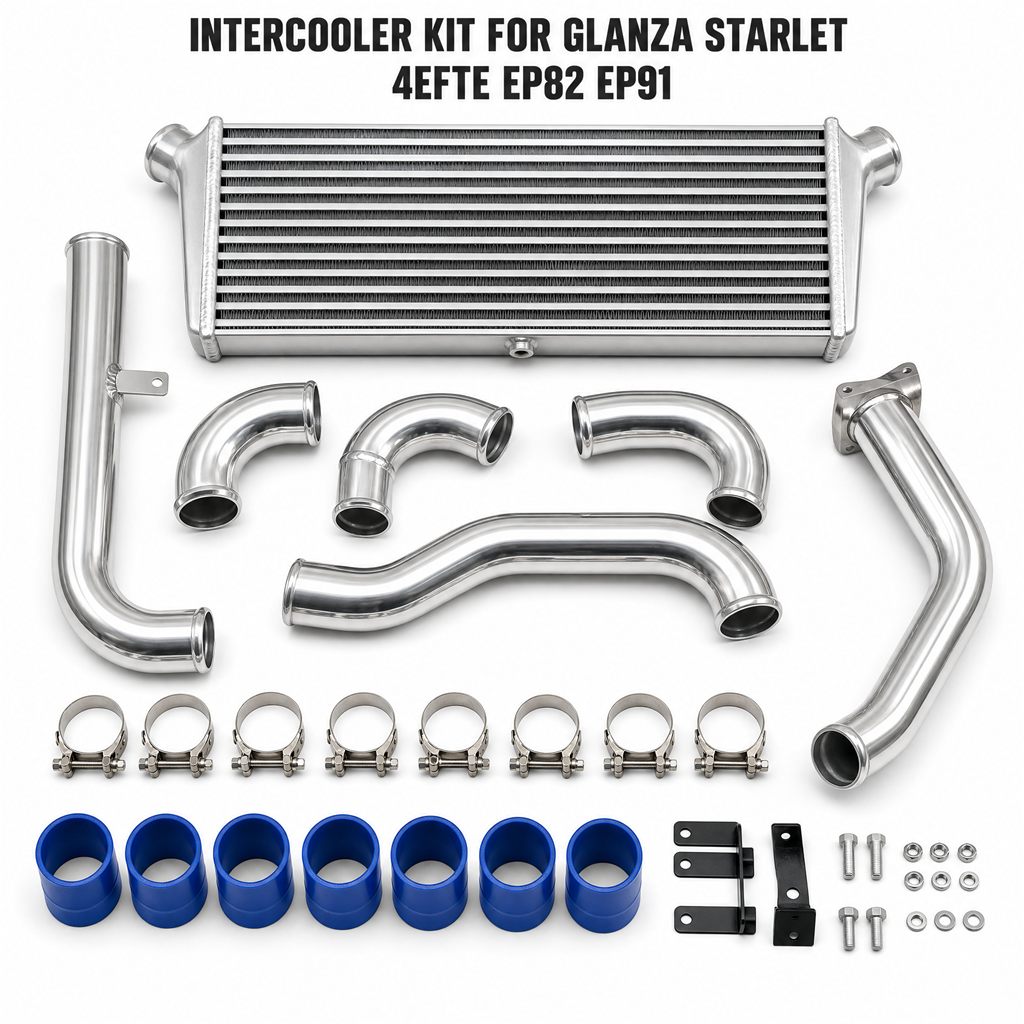
Knowing when to replace your intercooler is critical for maintaining optimal performance in any turbocharged engine. The intercooler serves as the backbone of turbocharged engine cooling, sitting between the turbocharger compressor and the engine intake manifold to reduce charge air temperatures. Over time, this essential component can degrade, leading to reduced efficiency, power loss, and potential engine damage. Understanding the signs of intercooler failure and recognizing when replacement becomes necessary can save you from costly repairs and unexpected breakdowns.
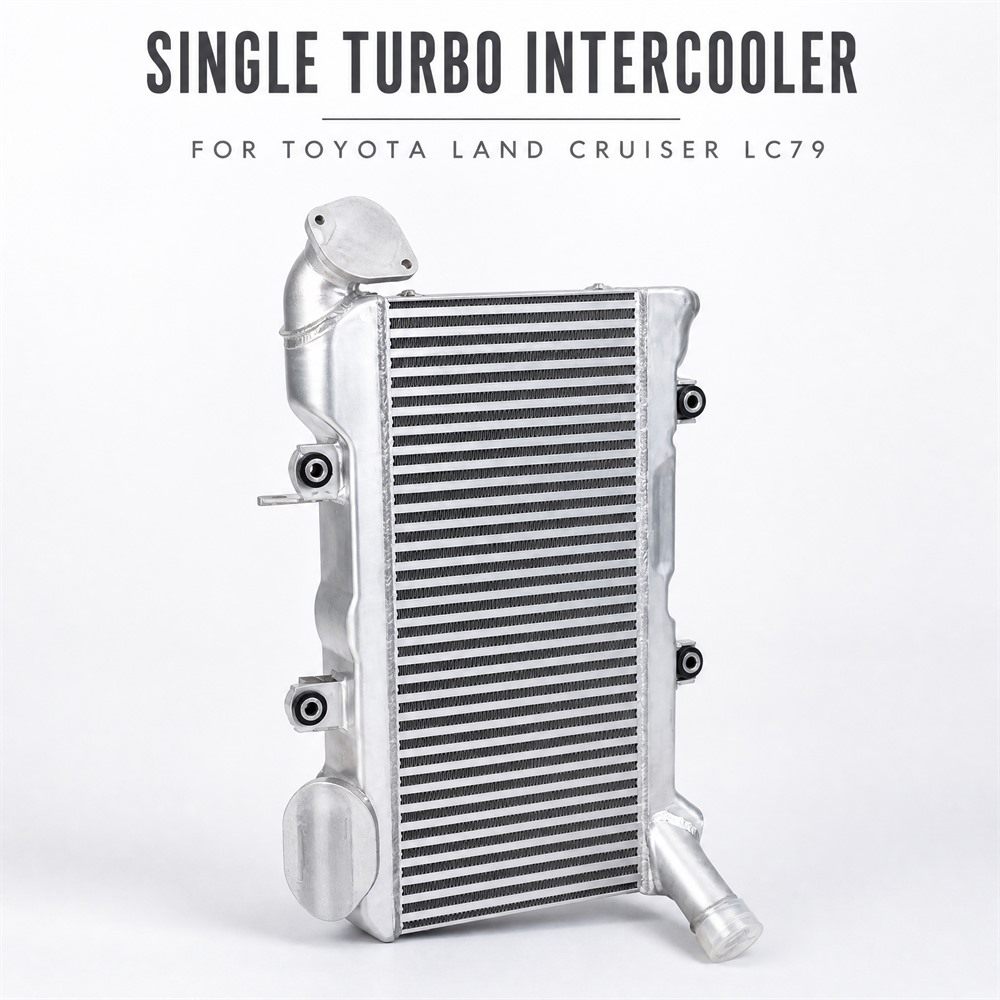
An intercooler that functions properly maintains consistent turbocharged engine cooling performance and helps your engine operate at peak efficiency. However, several factors can accelerate wear and tear on this component. Extreme driving conditions, poor maintenance practices, environmental contaminants, and manufacturing defects can all reduce intercooler efficiency over time. Recognizing these warning signs early allows you to schedule replacement before catastrophic failure occurs, protecting your investment in your vehicle or equipment.
Signs That Your Intercooler Needs Replacement
Reduced Power and Performance
One of the first indicators that your intercooler efficiency is declining is a noticeable decrease in engine power output. When intercooler maintenance has been neglected, charge air temperatures rise, causing the engine management system to retard timing and reduce fuel injection to prevent detonation. This results in less horsepower and torque reaching the wheels or output shaft. You may notice sluggish acceleration, difficulty maintaining speed on inclines, or a general feeling that your vehicle lacks its usual responsiveness. If your turbocharged engine cooling is compromised, these performance losses become especially apparent during aggressive driving or heavy load conditions.
Rising Engine Temperatures
Another critical warning sign is elevated coolant or charge air temperatures that your diagnostic system reports. A failing intercooler cannot dissipate heat effectively, causing charge air to remain warmer than specified. Some vehicles display this through warning lights or elevated readings on aftermarket gauges. Rising intercooler efficiency problems directly correlate with higher internal engine temperatures, which can trigger limp-mode operation or automatic power reduction. In severe cases, prolonged exposure to excessive heat damages engine internals and reduces component lifespan significantly.
Common Causes of Intercooler Failure
Corrosion and Internal Blockage
Intercooler maintenance becomes essential when you understand how corrosion develops inside cooling passages. Moisture intrusion, poor coolant quality, and contaminated air intake can cause scale buildup and corrosion that restricts coolant flow. This blockage prevents adequate turbocharged engine cooling, trapping heat inside the core. Vehicles operated in humid, salty, or dusty environments face accelerated corrosion. Regular coolant flushes and air filter changes help prevent this deterioration, but eventually, intercooler efficiency declines to the point where replacement becomes unavoidable. Inspecting your intercooler periodically for visible corrosion or discoloration inside the tanks can help identify problems early.
Physical Damage and Leaks
Road debris, extreme vibrations, and impact damage can puncture intercooler cores or crack connection points, causing coolant leaks. Once a leak develops, your system cannot maintain proper turbocharged engine cooling function. Small leaks may go unnoticed initially, but they progressively worsen, allowing coolant to escape into the engine bay. You may spot puddles under your vehicle, smell coolant odor, or observe white residue around connection points. Any visible leak indicates that intercooler efficiency is compromised and replacement is necessary. Attempting temporary fixes like epoxy sealers provides only short-term relief and does not address the underlying structural failure.
Timing Your Intercooler Replacement
Mileage and Age Considerations
Most intercoolers have a lifespan of 100,000 to 200,000 miles under normal operating conditions, though this varies based on driving habits and maintenance practices. Vehicles subjected to consistent high-boost pressure, towing, or performance driving experience faster deterioration of intercooler efficiency. Age alone is not the only factor; an intercooler that has been properly maintained through regular intercooler maintenance may last longer than expected. Conversely, neglected systems may fail prematurely. If your vehicle approaches this mileage range and exhibits any warning signs, proactive replacement prevents unexpected failures and maintains turbocharged engine cooling reliability.
Diagnostic Testing and Professional Assessment
Before committing to replacement, have a qualified technician perform diagnostic testing to confirm intercooler failure. Pressure drop tests measure how effectively your core maintains boost pressure, revealing intercooler efficiency loss quantitatively. Thermal imaging can identify cold spots within the core where cooling has failed. These tests confirm whether replacement is truly necessary or whether the issue lies elsewhere in the cooling system. A professional assessment also determines whether your intercooler maintenance history suggests the component is worth repairing versus replacing. In most cases, replacement offers better long-term value than repair, especially if your intercooler has already served most of its expected lifespan.
Benefits of Timely Replacement
Restored Performance and Efficiency
Installing a new intercooler restores turbocharged engine cooling to factory specifications, bringing back lost power and responsiveness. Your vehicle operates at optimal boost levels without thermal throttling, delivering consistent performance under all driving conditions. Fuel economy improves because the engine no longer struggles against excessive charge air temperatures. Replacing a failing intercooler is one of the most effective ways to restore original turbocharged engine cooling capability, especially in vehicles that have accumulated significant mileage. The performance improvement is immediately noticeable and confirms that the replacement was worthwhile.
Extended Engine Life
Maintaining proper turbocharged engine cooling through timely intercooler replacement protects your engine from thermal stress and damage. Excessive heat accelerates oil breakdown, degrades gaskets and seals, and compromises bearing surfaces. By replacing a failing intercooler before secondary damage occurs, you protect the entire engine assembly from costly repairs. Proper intercooler maintenance and replacement represent preventive investment that extends overall engine longevity. The cost of replacement is typically far less than repairing engine internals damaged by thermal stress.
FAQ
How often should I perform intercooler maintenance?
Intercooler maintenance should be part of your regular vehicle service schedule. Inspect for leaks and visible corrosion every 20,000 miles, flush your cooling system every 30,000 miles, and monitor charge air temperatures regularly. Replace your air filter according to manufacturer specifications to prevent contaminants from entering your intercooler. If you drive in dusty or humid conditions, increase inspection frequency to catch problems early. Proactive intercooler maintenance can extend component lifespan and delay the need for replacement.
Can intercooler efficiency be restored without replacement?
Minor efficiency losses caused by minor corrosion or scale buildup can sometimes be addressed through professional cleaning or coolant flushing. However, once intercooler efficiency drops significantly, cleaning offers only temporary improvement. Physical damage, cracked cores, or severe internal blockage cannot be repaired and requires replacement. If your intercooler shows major leaks or failed seals, replacement is the only reliable solution. Attempting temporary fixes on a severely compromised intercooler delays addressing the real problem and risks engine damage.
What happens if I ignore a failing intercooler?
Ignoring a failing intercooler allows charge air temperatures to climb, forcing your turbocharged engine cooling system into emergency mode. The engine management computer reduces boost pressure and timing to prevent catastrophic failure, resulting in severe power loss and poor drivability. Prolonged operation with inadequate turbocharged engine cooling causes accelerated wear on pistons, rods, and bearings, potentially leading to engine seizure or permanent damage. The longer you delay intercooler replacement, the greater the risk of collateral damage that multiplies repair costs exponentially. Addressing the problem promptly protects your investment and ensures reliable operation.
 EN